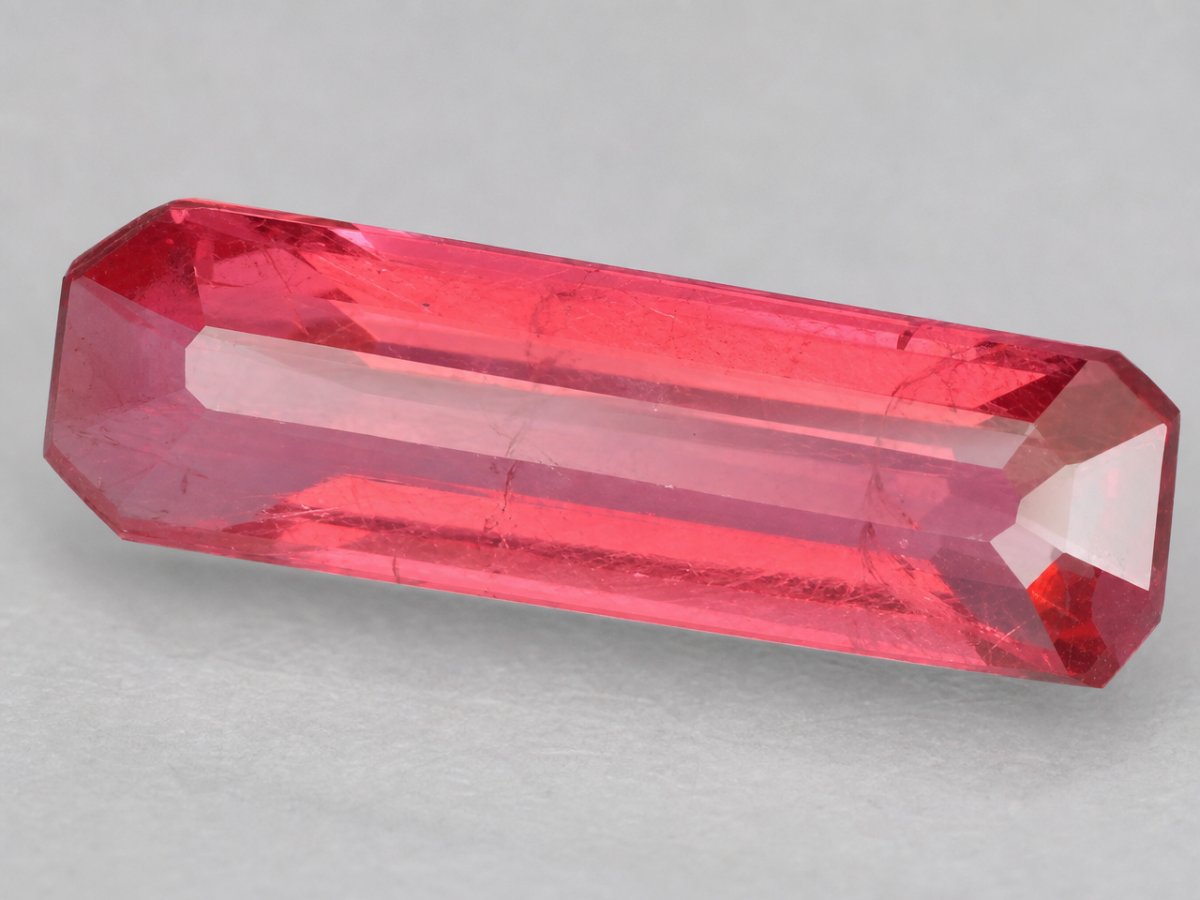


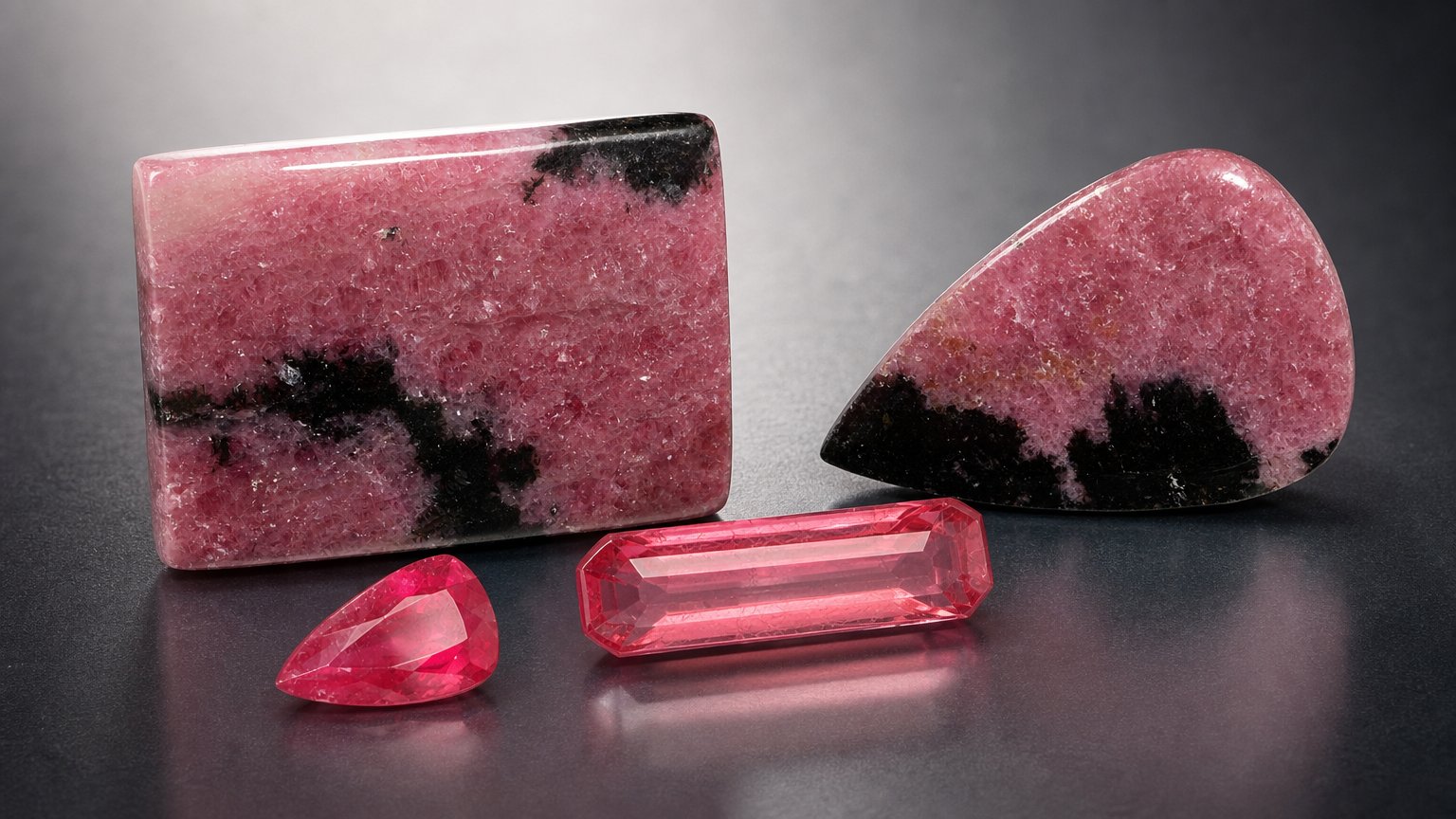
Rhodonite is a distinctive pink to red gemstone often chosen for jewelry with a bold, artistic look. For buyers, its appeal is less about brilliance and more about color, pattern, polish and wearable design. The most important decisions are choosing an attractive face-up appearance, selecting a suitable cut, and matching the stone to jewelry that protects it appropriately.
This guide explains what to look for when buying rhodonite, including color, cut, size, durability, treatments, origin and practical jewelry use.
What Is Rhodonite?
Rhodonite is a manganese inosilicate gemstone with the chemical formula (Mn,Fe,Mg,Ca)SiO₃. It crystallizes in the triclinic crystal system and has a refractive index of 1.710-1.750 and a specific gravity of 3.40-3.75. These gemological properties are useful for identification, but for most buyers the visible qualities are more important: color, surface finish, shape and overall design potential.
Rhodonite is most commonly cut as cabochons rather than highly brilliant faceted gems. Its attractive body color and decorative appearance make it especially popular for pendants, necklaces, bracelets and artisan jewelry.
Color and Appearance: What to Look For
Rhodonite is best known for pink tones, with red and multicolor examples also seen. When comparing stones, look at the face-up color first. The most appealing choice is usually the one with the color balance and pattern you personally prefer, because rhodonite is often selected for design character rather than a standardized grading scale.
For a cleaner, more classic look, choose stones with a strong pink or red appearance and a pleasing, consistent surface. For more expressive jewelry, multicolor rhodonite can offer a more individual look. In either case, judge the stone under normal viewing conditions and make sure the color is attractive across the visible face, not only in one small area.
Clarity and Surface Quality
Rhodonite is not typically purchased for diamond-like transparency. Instead, buyers should focus on the polish, surface condition and visual harmony of the stone. Check that the cabochon top is smooth, the polish is even, and any natural color variation contributes positively to the design.
Avoid stones with distracting surface-reaching cracks, dull areas or chips, especially if the gem will be used in a bracelet or ring where it may receive more wear. For matched jewelry, such as earrings or a multi-stone necklace, color and pattern compatibility can matter more than perfect uniformity.
Cut and Shape Choices
Cabochon is the most common and practical cut for rhodonite. A cabochon has a smooth, domed top and usually a flat or slightly curved base. This cut suits opaque to translucent gemstones because it emphasizes color, polish and pattern rather than sparkle.
Oval cabochons are especially versatile because they work well in pendants, necklaces, earrings and rings. Round, cushion and pear shapes are also practical choices, depending on the jewelry design. Freeform and fancy shapes can be excellent for artisan jewelry, where the shape of the stone becomes part of the creative design.
Rhodonite is also seen in carvings, which can be appealing for collectors or designers looking for sculptural pieces. Faceted rhodonite exists but is less central to most buying decisions; if buying a faceted stone, inspect it for attractive color and a clean, well-finished surface rather than expecting the same brilliance associated with transparent gems.
Size and Proportion
Because rhodonite is commonly used in cabochons and pendants, larger face-up sizes can be very effective. When choosing size, think first about the finished jewelry piece. A large oval or pear cabochon can make a strong pendant, while smaller rounds or cushions may be better suited to earrings, bracelets or accent designs.
Proportion is important. A cabochon should not look too flat or too bulky for its setting. A well-proportioned dome gives the stone a pleasing profile and helps the polish and color show clearly. For bracelets and rings, lower-profile stones may be more practical because they are less likely to catch on clothing or surfaces.
Durability and Wearability
Rhodonite has a Mohs hardness of 5.5-6.5. This places it in the moderate range for jewelry wear. It is suitable for many types of jewelry, but it should be protected from hard knocks, rough handling and abrasion from harder materials.
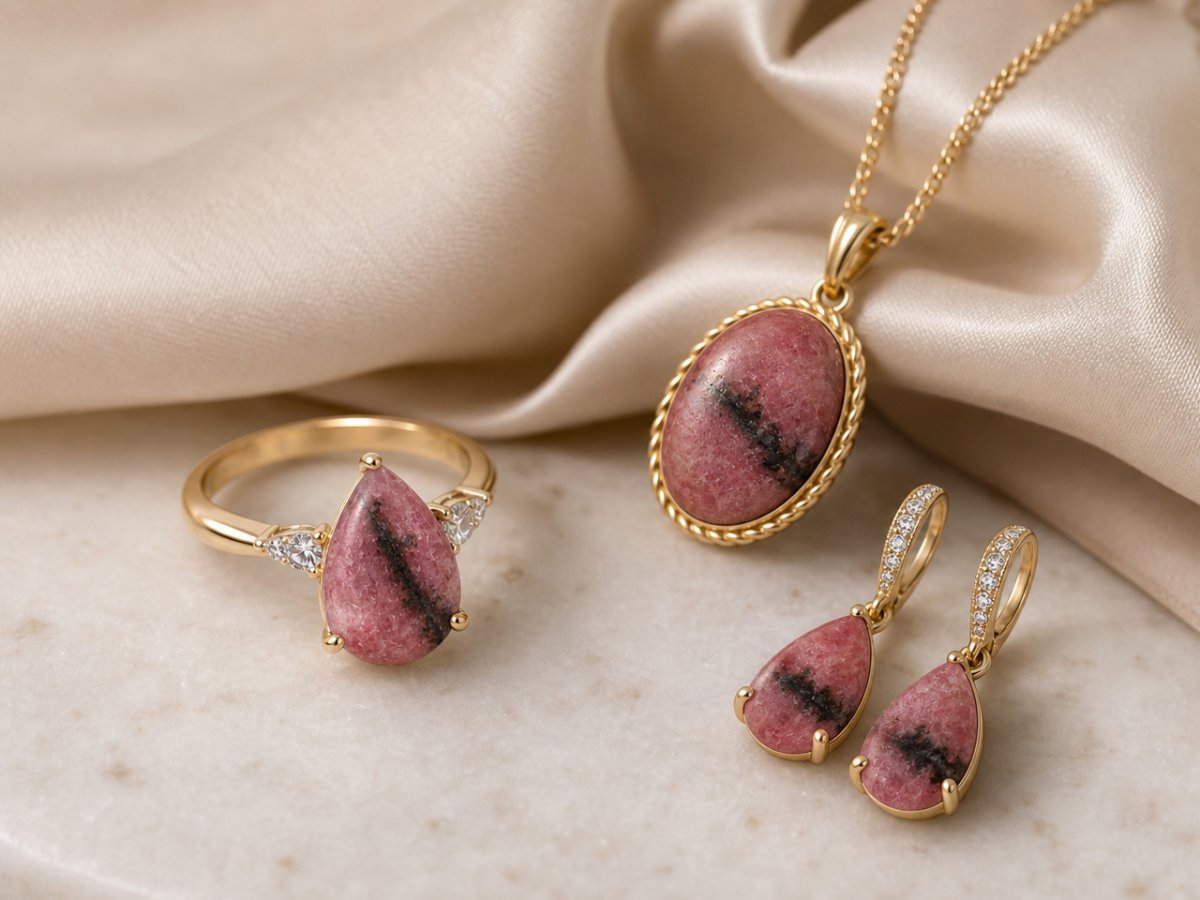
Pendants and necklaces are excellent uses because they are usually less exposed to impact. Earrings are also a good choice for similar reasons. Bracelets and rings can be worn successfully, but they should be chosen and worn with more care. If selecting rhodonite for a ring, consider protective settings and avoid wearing it during activities where the stone may be struck or scraped.
For care, clean rhodonite with lukewarm water, mild soap and a soft cloth. Store it separately from harder gemstones to reduce the chance of scratches. This simple approach is usually the safest choice for moderately hard cabochon gems.
Treatments and Buying Confidence
Rhodonite is commonly offered untreated. This is useful for buyers because the color and appearance of the stone are generally presented as natural qualities rather than the result of routine enhancement. Even so, a reputable seller should clearly disclose treatment status on the product listing.
When buying rhodonite online, review photos carefully and look for clear information on dimensions, weight, shape, cut and treatment. Because cabochons and multicolor stones can vary from piece to piece, individual photos are especially helpful. At GemSelect, buyers can compare gemstone listings by these practical details to choose the stone that best fits their design or collection.
Does Origin Matter?
Rhodonite is associated with several origins, including Australia, Peru, Russia, Brazil, Madagascar and Mexico. Origin can be interesting for collectors, but it should not be the only factor in a buying decision unless you specifically collect by locality.
For most jewelry buyers, appearance and suitability matter more than origin. A well-cut, attractive rhodonite from any known source is usually a better choice than a less appealing stone selected only for locality. If origin is important to you, confirm that the seller provides that information clearly.
Best Jewelry Uses for Rhodonite
Rhodonite is particularly well suited to necklaces and pendants. These designs let the color and shape take center stage while keeping the gem away from much of the impact and abrasion that rings and bracelets experience.
Artisan jewelry is another natural fit. Rhodonite cabochons, freeforms and carvings can give designers a strong visual element to build around. Bracelets can also be attractive, especially when the setting or design protects the stones. Earrings are practical for smaller matched stones, while rings are best reserved for thoughtful settings and careful wear.
Practical Rhodonite Buying Checklist
- Choose color first: Decide whether you prefer pink, red or a more multicolor appearance.
- Inspect the polish: A smooth, even surface is essential for cabochon rhodonite.
- Match the cut to the design: Oval, round, cushion and pear cabochons are versatile; freeforms and carvings suit artisan pieces.
- Consider durability: Pendants, necklaces and earrings are easier choices; rings and bracelets need more protection.
- Check treatment disclosure: Rhodonite is commonly untreated, but the seller should still state treatment status clearly.
- Use origin as a secondary factor: Buy the stone that looks best and suits your purpose unless locality is part of your collecting goal.
Summary
The best rhodonite is the stone that combines attractive pink, red or multicolor appearance with a good polish, suitable shape and appropriate jewelry use. Cabochons are the main buying category, with oval and other classic shapes offering versatility for pendants, necklaces, earrings and artisan designs. Because rhodonite has moderate hardness, buyers should choose settings and wear habits that protect the stone. With clear photos, treatment disclosure and realistic expectations, rhodonite can be a confident and rewarding gemstone purchase.