

Alexandrite is a gemstone with a refined, distinctive identity. In meaning and symbolism, it is most strongly recognized today as a June birthstone and as a gem associated with green to teal color impressions, personal renewal and individuality. Its cultural appeal is also shaped by its international sources, including Brazil and Sri Lanka, with notable material also associated with Madagascar, Tanzania, India and Russia.
This guide focuses on alexandrite’s meaning, history and cultural significance rather than technical grading or buying advice. Where symbolism is discussed, it should be understood as tradition, interpretation or modern belief, not as a scientific claim.
What Does Alexandrite Mean?
Alexandrite is commonly interpreted as a gemstone of change, renewal and balance. These meanings are part of modern symbolic language rather than medical or scientific fact. For many wearers, the gem’s green and teal associations connect it with ideas of growth, freshness, calm and emotional steadiness.
As a June birthstone, alexandrite also carries the personal meaning often attached to birthstones: identity, celebration and a connection to a birth month. This makes it meaningful for birthday jewelry, personal collections and gifts marking important life moments.
Alexandrite as a June Birthstone
The clearest supported cultural association for alexandrite is its role as a birthstone for June. Birthstones have long been used as symbolic gems connected to months of the year, and modern buyers often choose them for personal rather than purely decorative reasons.
For June-born wearers, alexandrite can represent individuality and distinction. It offers an alternative to more familiar June birthstone choices and is often selected by people who want a gemstone with a more unusual character. In this context, its meaning is less about ancient legend and more about personal identity, rarity of expression and modern tradition.
Color Symbolism: Green and Teal Associations
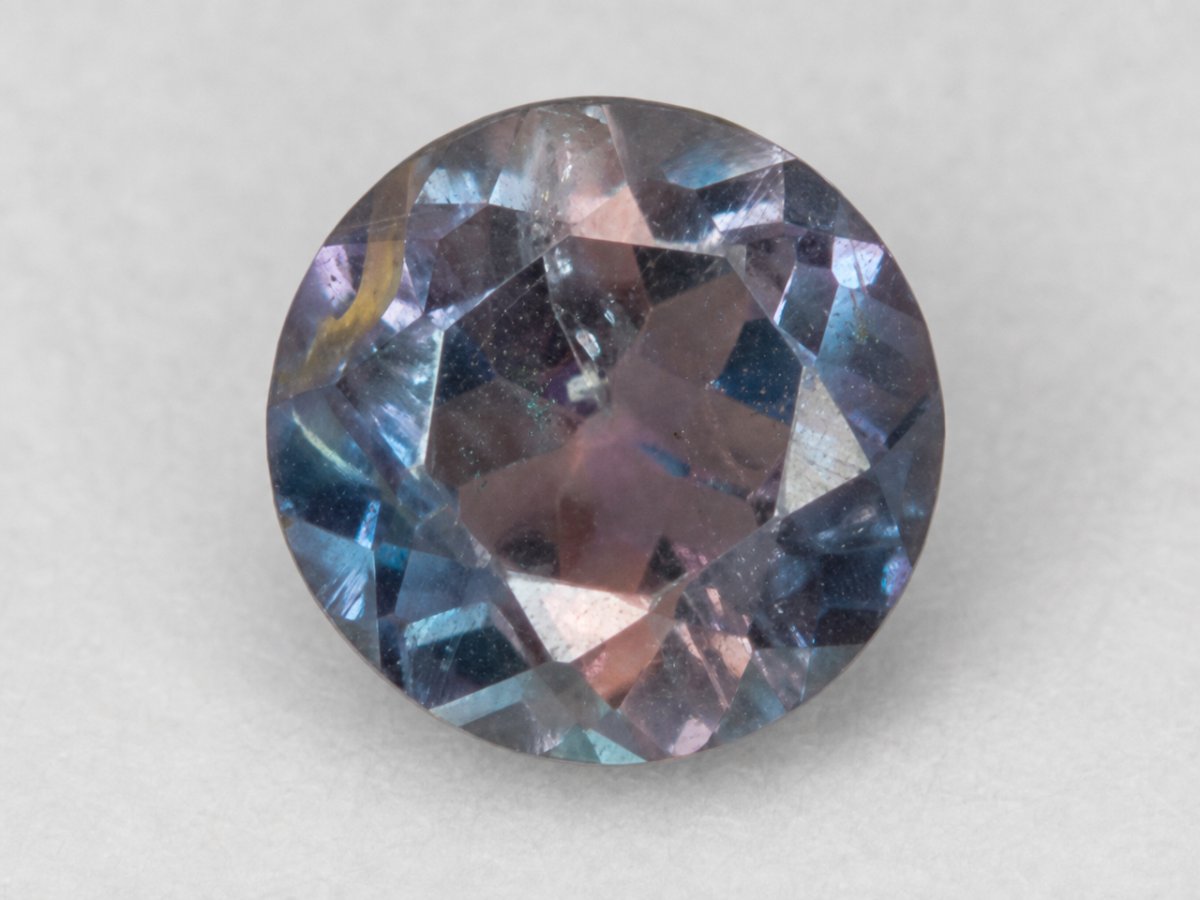
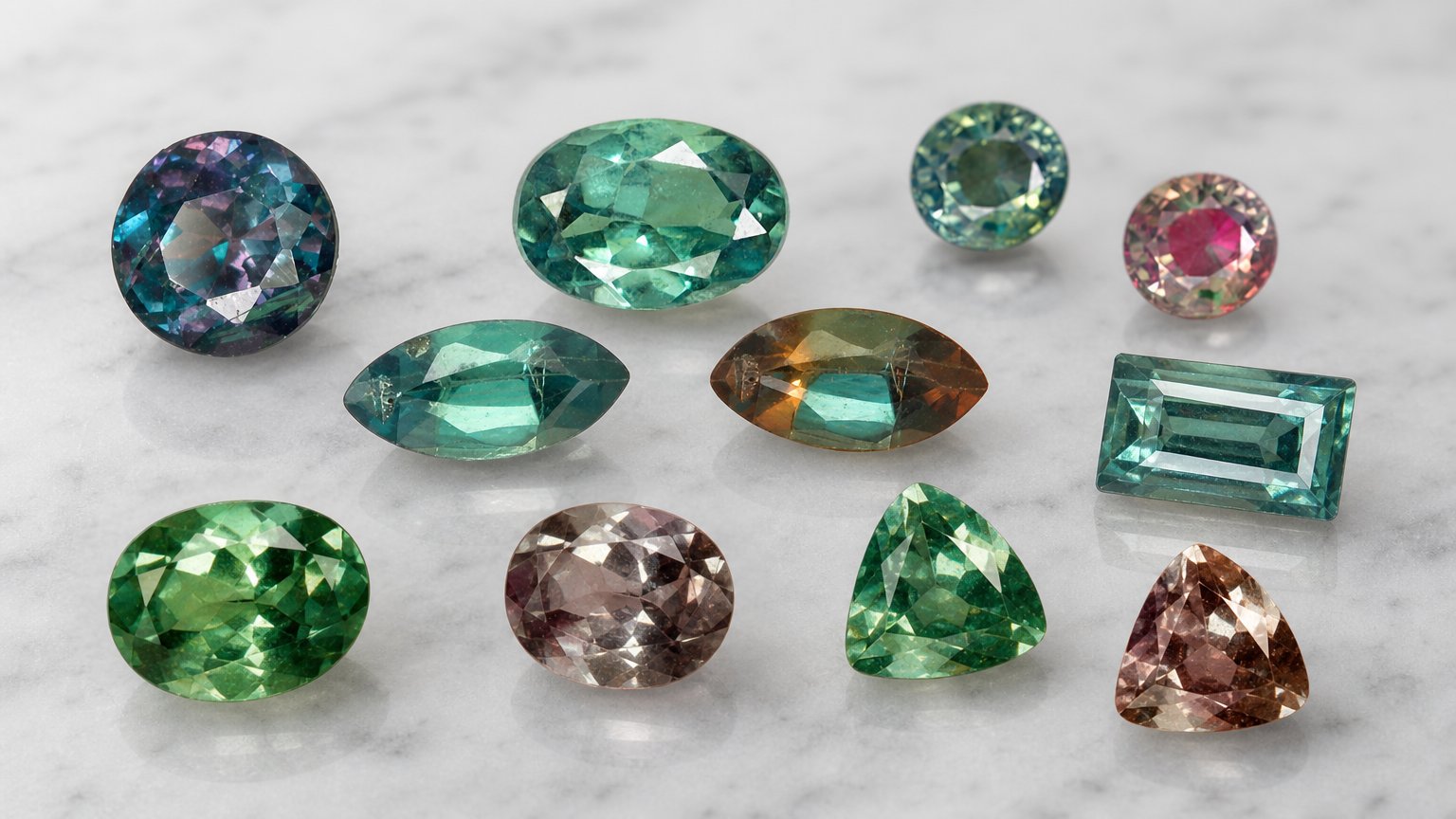
Alexandrite is associated with green and teal color impressions. In general color symbolism, green is often linked with growth, renewal, harmony and nature, while teal can suggest calm, clarity and sophistication. These are broad cultural color associations rather than fixed historical meanings for every alexandrite.
For jewelry owners and collectors, this color identity contributes strongly to alexandrite’s emotional appeal. A green or teal gemstone can feel fresh, composed and quietly expressive. This is one reason alexandrite is often chosen by people who prefer meaningful gemstones that are elegant without being overly conventional.
Historical and Geographic Significance
Alexandrite’s history is closely connected with the places where it is found and traded. Important origins include Brazil and Sri Lanka, with additional recognized sources including Madagascar and Tanzania. India and Russia are also associated with alexandrite, though they are less prominent in the supplied source profile.
For collectors, origin can add context to a gemstone’s story. A gem from Brazil or Sri Lanka, for example, may be appreciated not only for appearance but also for its connection to a well-known gem-producing region. In a meaning and history context, origin helps place alexandrite within the wider global tradition of colored gemstone appreciation.
It is important not to overstate unsupported historical claims. Alexandrite is best understood here through its documented modern associations: its June birthstone status, its green to teal appearance, and its recognized international sources.
Traditional and Modern Symbolism
Alexandrite’s symbolism today is often personal and interpretive. It is commonly chosen to mark transformation, a new stage of life, a birthday or a meaningful personal milestone. These associations fit naturally with its role as a birthstone and with the broader symbolism of green-toned gemstones.
In modern crystal and gemstone traditions, alexandrite may be described as a stone of balance or renewal. Such meanings should be understood as cultural or spiritual interpretations, not proven effects. For many GemSelect customers, the value of this symbolism lies in sentiment, story and self-expression rather than in any claim of physical benefit.
Alexandrite in Jewelry Culture
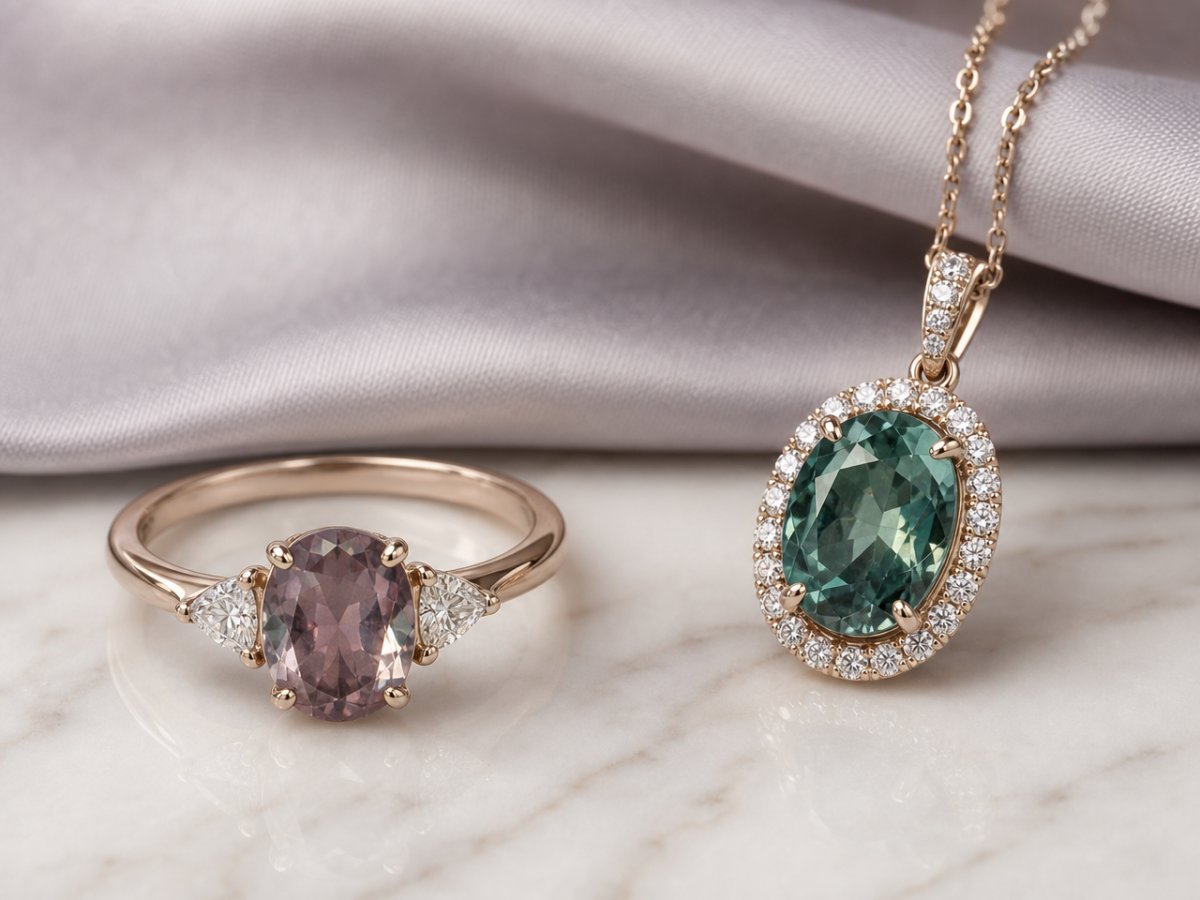
Although this is not a jewelry buying guide, alexandrite’s meaning is closely tied to how people wear it. It is commonly seen in rings, earrings and pendants, with bracelets, necklaces and fashion rings also used. Rings are especially meaningful because they are personal, visible and often chosen for milestone gifts.
When set into jewelry, alexandrite can carry both decorative and symbolic value. A June birthstone ring may represent a birthday; a pendant may serve as a personal talisman in the traditional sense of a meaningful object; earrings may be chosen simply for their refined color and individuality. The symbolism comes from the wearer’s connection to the gem as much as from any formal tradition.
Natural Character and Untreated Appeal
Alexandrite is commonly associated with untreated material in the supplied gemstone profile. While treatment information belongs mainly in buying and gemological guides, it can have symbolic relevance. Many gemstone lovers attach special meaning to gems appreciated in their natural state, seeing them as more closely connected to the earth and to the gem’s origin story.
This does not mean that symbolism determines quality, and it should not replace proper gemstone information. However, for collectors and enthusiasts, natural character can be part of alexandrite’s emotional and cultural appeal.
How Alexandrite Is Viewed Today
Today, alexandrite is viewed as a distinctive gemstone for people who appreciate color, individuality and personal symbolism. Its strongest cultural role is as a June birthstone, while its green and teal associations support meanings of renewal, calm and balance.
Rather than relying on unsupported legends, alexandrite’s modern significance comes from a combination of verified gemstone identity, recognized sources and personal meaning. This makes it especially appealing to collectors, jewelry designers and buyers who want a gemstone with both beauty and a story.
Summary
Alexandrite’s meaning is best understood through its June birthstone association, its green to teal color symbolism and its connection to important gem-producing regions such as Brazil and Sri Lanka. It is a gemstone often chosen for personal milestones, individuality and renewal. While folklore and modern spiritual interpretations may add sentimental value for some wearers, they should be kept separate from documented gemological fact.