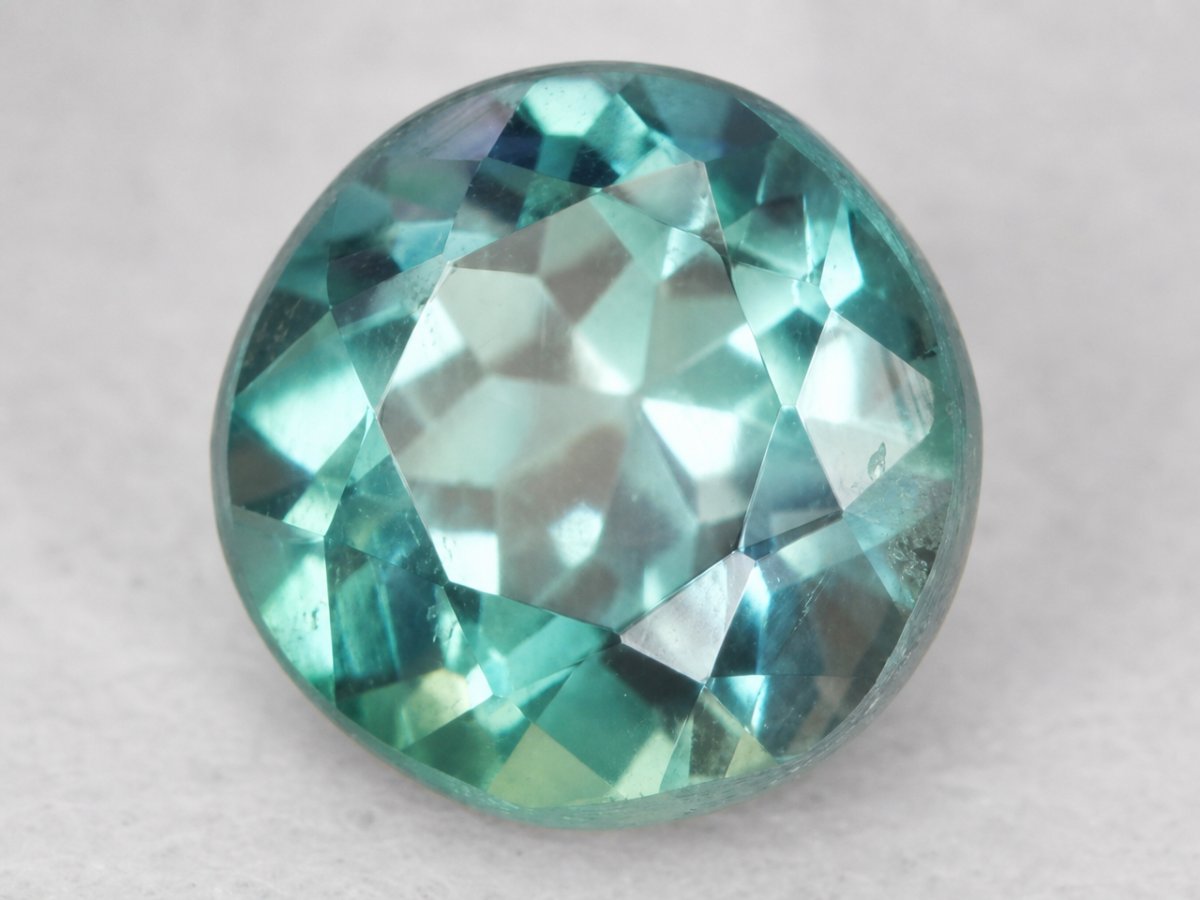


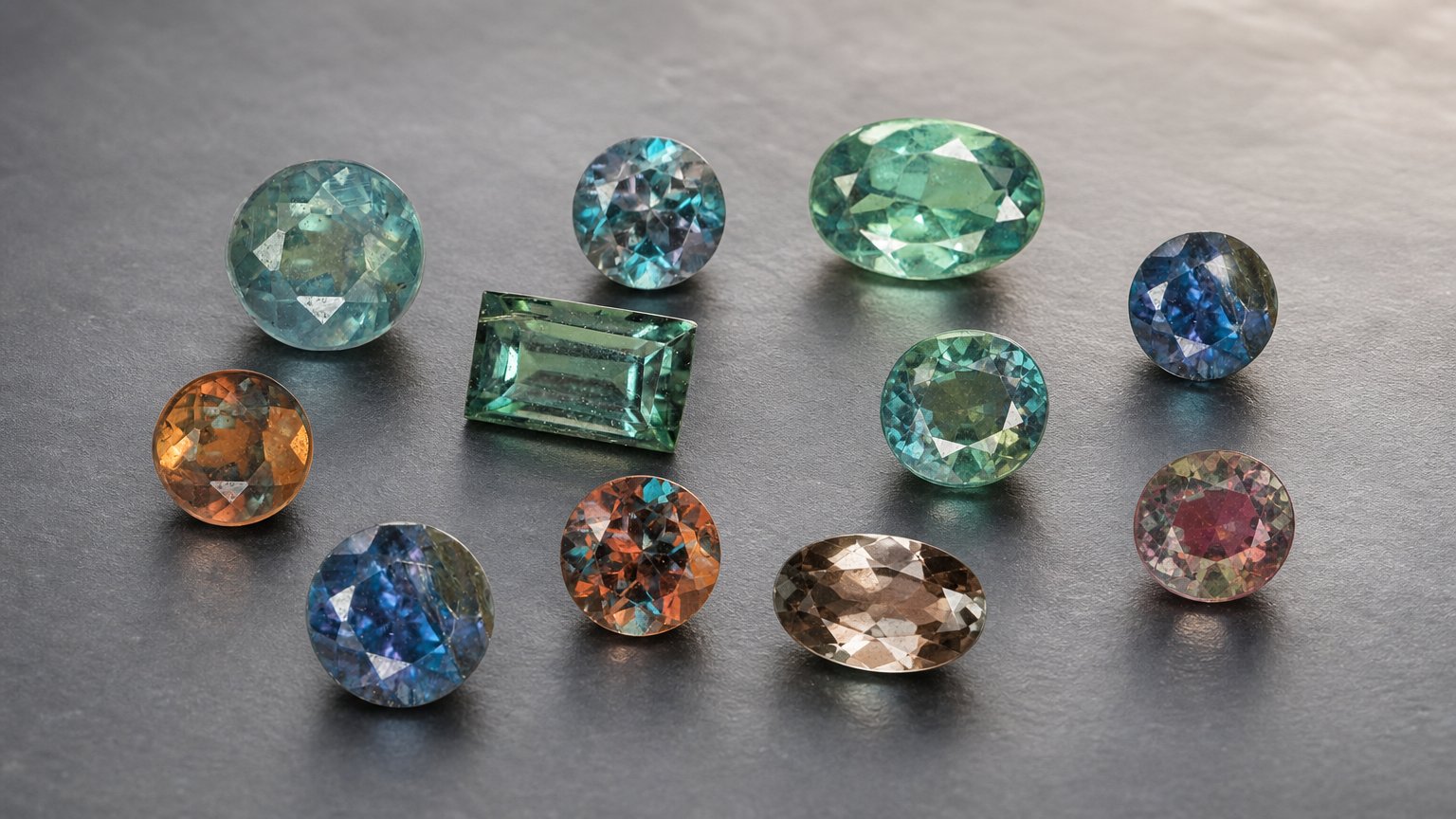
Alexandrite is a distinctive gemstone for buyers who want a refined green to teal gem with strong durability and a sophisticated look in fine jewelry. It is especially popular for rings, but it also works beautifully in earrings, pendants, necklaces and bracelets when the setting is chosen carefully.
This buying guide explains the main points to consider before purchasing alexandrite: color, clarity, cut, size, origin, treatments, durability and jewelry use. Whether you are choosing a loose gemstone for a custom design or comparing finished jewelry, the goal is to help you evaluate alexandrite with confidence and ask the right questions before you buy.
What Is Alexandrite?
Alexandrite is identified in the gemological data for this guide as belonging to the beryl group and has the chemical formula BeAl₂O₄. Its crystal system is orthorhombic, and it has a Mohs hardness of 8.5, making it a strong candidate for many types of jewelry.
For buyers, the most important practical point is that alexandrite combines an attractive green to teal appearance with a hardness level suitable for everyday jewelry styles, including rings. It is also associated with June as a birthstone, which makes it a meaningful option for birthstone jewelry, anniversary gifts and personalized designs.
Alexandrite Color and Appearance
Color is one of the first characteristics most buyers notice. Alexandrite is known in this guide for green and teal body colors. Green is the most prominent color association, while teal tones can give the gemstone a slightly cooler or more blue-green appearance.
When comparing alexandrite gemstones, look at the overall color impression rather than relying on a single label. Two stones both described as green may look different depending on tone, saturation, cutting style and lighting conditions. Tone refers to how light or dark the gem appears, while saturation describes the strength or purity of the color.
What to Look for in Color
A buyer should look for a color that appears attractive face-up, meaning when the gem is viewed from above as it would be seen in jewelry. A pleasing green or teal color should be visible without the stone appearing overly dark or washed out. Very dark stones may hide brilliance, while very pale stones may have less visual presence.
Because lighting can affect the appearance of all colored gemstones, it is wise to view photos and descriptions carefully and, when possible, consider how the gem may look in different real-life environments. For online buying, clear images, accurate color descriptions and transparent product details are especially useful.
Clarity: How Inclusions Affect Appearance
Clarity describes the presence or absence of internal features, often called inclusions, and surface-reaching features, often called blemishes. In colored gemstones, clarity should be evaluated together with color and cut. A gem does not need to be completely free of inclusions to be attractive, but inclusions should not dominate the appearance or threaten durability.
For alexandrite, buyers should focus on whether inclusions are easily visible to the unaided eye and whether they interfere with brilliance. If the stone is intended for a ring, it is especially important to consider any inclusions near the edges, corners or points of the cut, because these areas can be more vulnerable during setting or wear.
Eye-Clean vs. Included
The term “eye-clean” generally means that inclusions are not easily visible without magnification when the gem is viewed face-up. This is a useful buying concept, but it should not be treated as a universal grading system. Always judge the individual stone. A small inclusion near the edge may be less noticeable once set, while a central inclusion can be more obvious.
Cut and Shape: How Alexandrite Is Presented
Alexandrite is most commonly seen as a faceted gemstone. Faceting uses flat polished surfaces to reflect light and enhance brilliance. This is the preferred cutting style for buyers who want sparkle, precision and a traditional fine-jewelry appearance.
Cabochon alexandrite is also available, though it is less common in the supplied gemstone profile. A cabochon has a smooth, domed surface rather than facets. This style can give the gem a softer, more classic look and may be selected for designs that emphasize color and shape rather than brilliance.
Popular Shapes
Oval shapes are especially common for alexandrite and are a practical choice for rings, pendants and earrings. An oval can provide a graceful outline while often making good use of the rough material. Cushion, pear and round shapes are also seen and can suit a wide range of jewelry styles.
Octagon and square shapes may appeal to buyers who prefer geometric designs, while marquise shapes can create a more elongated and dramatic look. When choosing a shape, consider both appearance and setting needs. Pointed shapes such as pear and marquise cuts may benefit from protective prongs around the tips.
Cut Quality and Face-Up Beauty
Cut quality affects how lively the gemstone appears. A well-cut alexandrite should show balanced proportions, even symmetry and attractive light return. If a stone is cut too deep, it may look smaller than expected for its weight. If it is cut too shallow, it may lose brightness in the center.
When buying online, compare the listed carat weight with the millimeter dimensions. Carat weight tells you how much the gem weighs, while dimensions tell you how large it will look in jewelry. Two stones of the same weight can face up differently depending on depth and shape.
Size and Carat Weight
Carat weight is an important buying factor, but it should not be considered separately from color, clarity and cut. A smaller alexandrite with attractive green or teal color and good cutting may be more visually pleasing than a larger stone with weak color or poor proportions.
For rings, the chosen size should also suit the wearer’s lifestyle and the setting style. A lower-profile setting may be more practical for frequent wear, while a larger center stone can be reserved for occasional jewelry or more protective designs. For earrings and pendants, slightly larger stones may be easier to wear because they are less exposed to impact than ring stones.
Origins of Alexandrite
Alexandrite is associated with several origins, including Brazil and Sri Lanka, both of which are especially important in the gemstone profile. Madagascar and Tanzania are also notable sources, while India and Russia may be encountered more occasionally.
Origin can be interesting to collectors and may be included in a gemstone description when known. However, buyers should avoid judging a gemstone by origin alone. The individual stone’s appearance, cutting, clarity, size and treatment status are usually more practical factors for jewelry selection.
Should Origin Be a Deciding Factor?
Origin can add context, but it should not replace direct evaluation. A beautiful alexandrite from one source may be more desirable for your purpose than a less attractive stone from another. If origin is important to you, look for clear disclosure and supporting information where available.
Gemological Properties Buyers Should Know
Gemological properties help identify and describe a gemstone. They are especially useful for jewelers, collectors and buyers who want to understand what they are purchasing.
- Mohs hardness: 8.5. This indicates strong resistance to scratching compared with many other gemstones.
- Refractive index: 1.746–1.755. Refractive index describes how strongly a gemstone bends light, which contributes to its optical appearance.
- Specific gravity: 3.70–3.78. Specific gravity relates to density and can be useful in gem identification.
- Crystal system: Orthorhombic. This describes the internal crystal structure.
- Chemical formula: BeAl₂O₄.
Most jewelry buyers do not need to memorize these values, but they are helpful when comparing gemstone listings or discussing a stone with a jeweler. They also support proper identification and responsible buying.
Durability and Everyday Wear
With a Mohs hardness of 8.5, alexandrite is durable enough for many jewelry applications, including rings. Hardness measures resistance to scratching, which is important for stones worn on the hand. However, hardness is not the same as toughness. Any gemstone can be damaged by a hard blow, poor setting or careless wear.
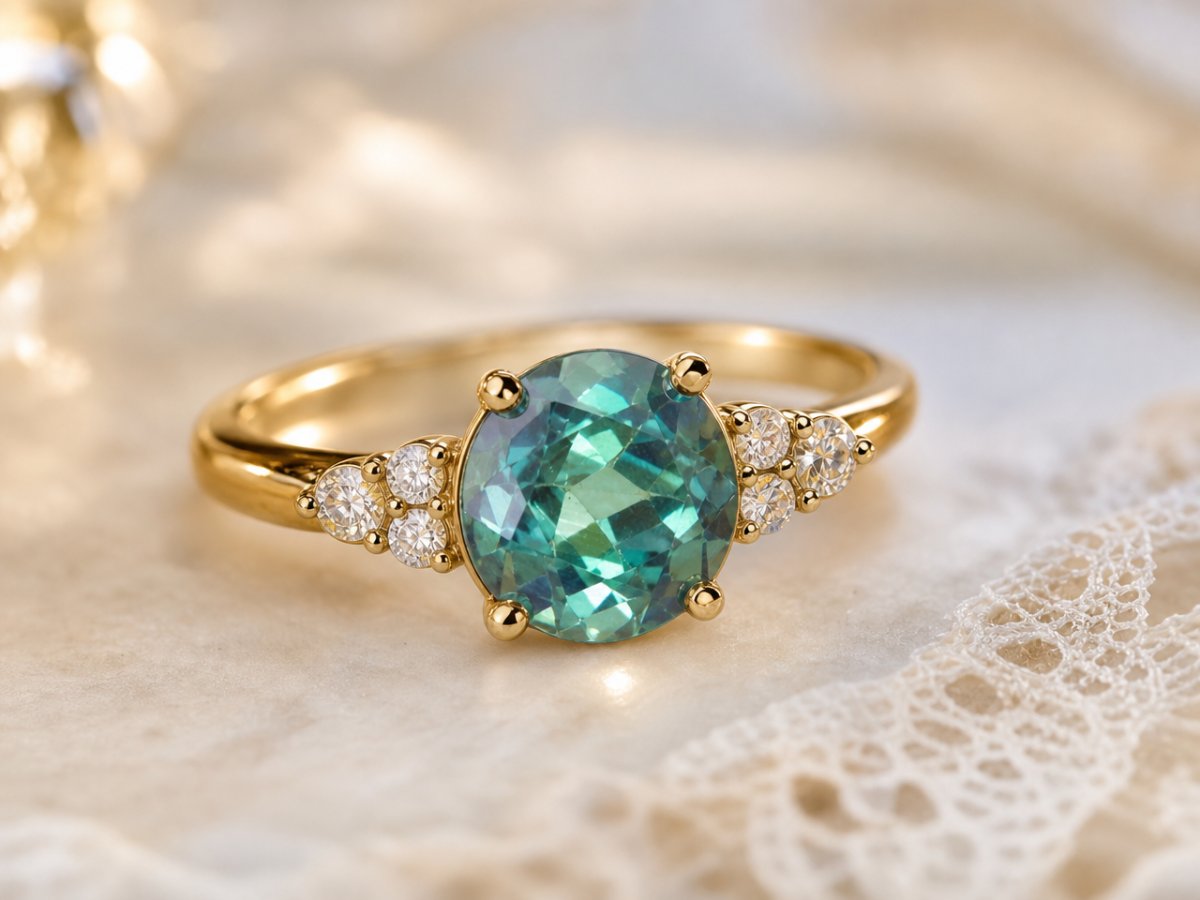
For rings, choose a secure setting that protects the stone while still allowing light to enter. Prong settings are popular, but the prongs must be well made and checked periodically. Bezel or partial bezel settings can offer additional edge protection, especially for active wearers.
Earrings and pendants are generally less exposed to impact than rings and bracelets, making them excellent choices for showcasing alexandrite. Bracelets require more caution because wrist jewelry often encounters knocks against hard surfaces.
Treatments and Disclosure
The treatment information supplied for alexandrite in this guide is untreated. This means buyers should expect clear treatment disclosure when purchasing and should pay attention to how the stone is described.
Treatment status matters because it affects how a gemstone should be represented, cared for and compared. When shopping, look for sellers who provide transparent information about treatments and gemstone identity. If a listing states that a gemstone is untreated, that information should be presented clearly and consistently.
Best Jewelry Uses for Alexandrite
Alexandrite is particularly well suited to rings, including fine rings and fashion rings, because of its hardness and attractive green to teal appearance. It can be used as a center stone, an accent stone or part of a multi-stone design.
Earrings and pendants are also excellent choices. These jewelry types allow the gem to be visible while reducing the risk of impact. A pendant or necklace can highlight an oval, pear or cushion alexandrite beautifully, while matched pairs can create elegant earrings.
Bracelets are possible, but they should be designed with protection in mind. Because bracelets are more likely to strike desks, doors and other hard surfaces, secure settings and thoughtful placement are important.
How to Buy Alexandrite: Practical Checklist
1. Start With Color
Choose the green or teal appearance that you personally find most attractive. Consider whether the stone looks lively and appealing face-up. Avoid buying based only on a color name; photos, descriptions and proportions all matter.
2. Review Clarity Carefully
Check whether inclusions are visible without magnification and whether they affect the stone’s beauty or durability. For jewelry use, especially rings, avoid stones with obvious durability concerns near edges, corners or points.
3. Compare Cut and Dimensions
Look at the shape, cutting style, symmetry and measurements. A well-cut stone should look balanced and bright. Use millimeter dimensions to understand how large the gem will appear once set.
4. Consider the Setting Before You Buy
If you are buying a loose alexandrite for a custom ring, pendant or earrings, think about the final design early. Oval, cushion, pear and round shapes are versatile, but pointed shapes need thoughtful protection. A jeweler can help match the stone to the right mounting.
5. Check Treatment Disclosure
Because the treatment profile here is untreated, make sure the seller provides clear information. Transparent disclosure is a key part of responsible gemstone buying.
6. Decide Whether Origin Matters to You
Brazil and Sri Lanka are prominent origins for alexandrite, with Madagascar and Tanzania also important. If origin is part of your collecting interest, review the listing details carefully. For most jewelry buyers, appearance and suitability for the intended design should come first.
7. Buy From a Source With Clear Information
When comparing alexandrite gemstones on GemSelect or through any reputable seller, look for complete product details, accurate measurements, treatment information and clear images. Good information helps you choose a stone that fits your budget, design and expectations.
Care and Maintenance
Alexandrite’s hardness makes it a practical jewelry gemstone, but proper care still matters. Store it separately from softer gems to prevent scratching them, and avoid storing it loose with harder materials. Clean jewelry gently and check settings periodically, especially rings and bracelets.
For valuable or frequently worn pieces, have a jeweler inspect the setting from time to time. Loose prongs, worn bezels or damaged mountings can put any gemstone at risk, regardless of hardness.
Summary
Alexandrite is a durable and elegant green to teal gemstone suitable for rings, earrings, pendants, necklaces and carefully designed bracelets. Buyers should focus first on face-up color, then evaluate clarity, cut, dimensions, treatment disclosure and the intended jewelry setting.
Origin can add interest, particularly when stones are associated with Brazil, Sri Lanka, Madagascar or Tanzania, but the best purchase is the individual gemstone that meets your visual preferences and practical needs. By comparing details carefully and choosing a trustworthy seller, you can select alexandrite with confidence.