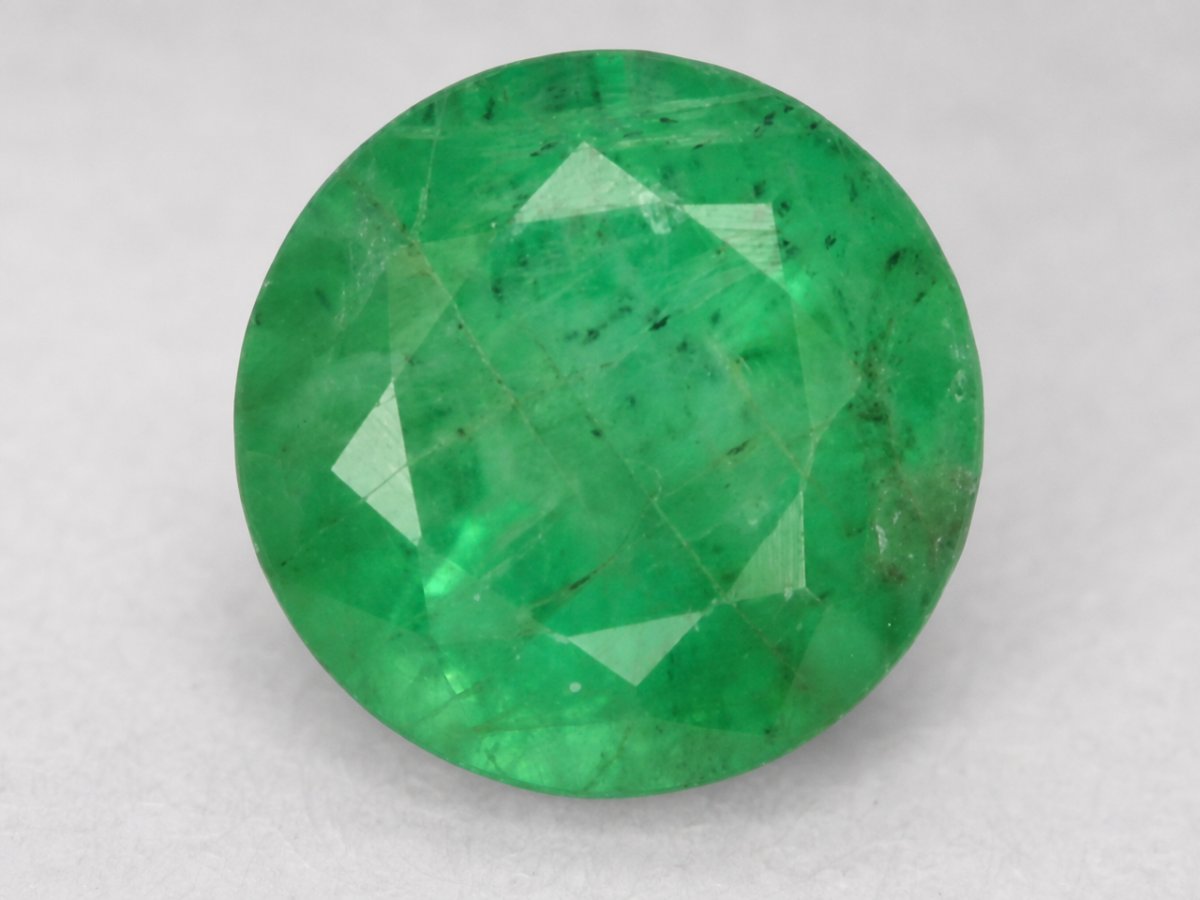


Zambian emerald is a green emerald variety from Zambia, valued by buyers who want the classic beauty of emerald with clear information about origin, treatment and suitability for jewelry. A good purchase depends less on a single factor and more on the balance between color, clarity, cut, size, treatment disclosure and intended use.
This guide explains the practical points to check before buying a Zambian emerald, whether you are choosing a loose gemstone, designing a ring, matching stones for earrings or selecting a collector piece.
What Is Zambian Emerald?
Zambian emerald is emerald from Zambia. Emerald is a variety of the mineral species beryl, with the chemical formula Be₃Al₂Si₆O₁₈. Like other emeralds, its defining visual feature is its green color.
For buyers, the word "Zambian" identifies origin, not a separate mineral species. When comparing stones, treat origin as one useful piece of information alongside appearance, treatment and cutting quality. A Zambian emerald should still be judged by how attractive, durable and suitable it is for your intended jewelry design.
Color: The First Feature Most Buyers Notice
Color is the main appeal of Zambian emerald. Look for a green that you find rich, lively and even across the stone. Since emerald color can appear different under various lighting conditions, view the gemstone in more than one light source when possible.
When comparing options, consider three simple color factors:
- Hue: The basic green color impression.
- Tone: How light or dark the green appears.
- Saturation: How strong or vivid the green looks.
The best choice is not always the darkest stone. A gemstone that is too dark may lose brightness, while a lighter stone may show more life if it is well cut. Choose the stone that gives the most pleasing balance of green color and brightness to your eye.
Clarity and Transparency
Clarity affects both appearance and confidence. In emerald buying, buyers often accept some natural internal features, but it is still important to inspect how those features affect beauty, transparency and durability.
For jewelry, avoid stones where inclusions dominate the face-up appearance or where open fractures seem to reach the surface in a way that could make the stone more vulnerable. In earrings or pendants, a slightly included stone may still look attractive because it is viewed from a normal distance. For rings, especially engagement rings, durability considerations become more important because the gemstone is exposed to more contact.
Cut, Shape and Face-Up Appearance
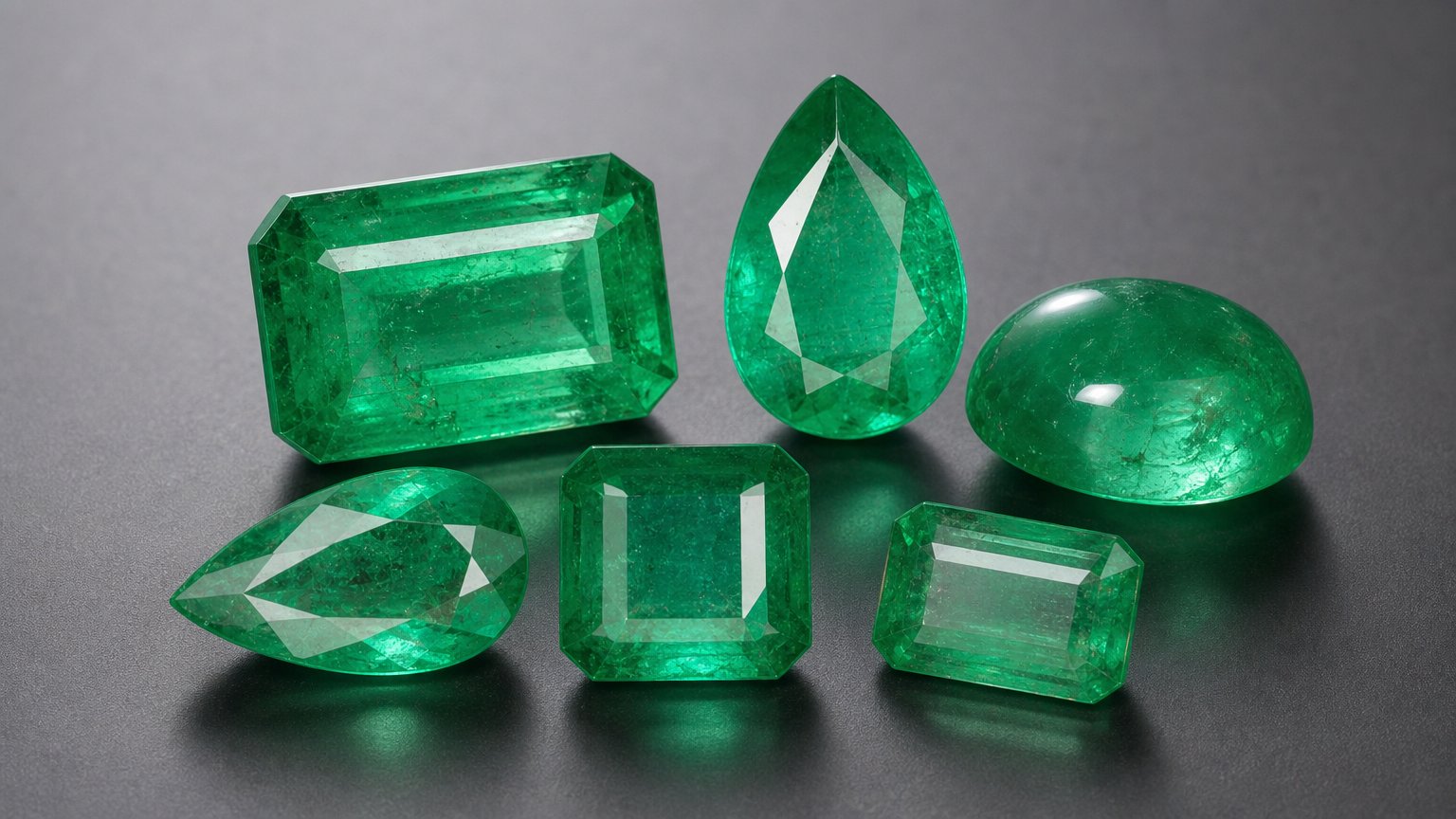
Zambian emeralds are commonly faceted, with step cuts and cabochons also used. The classic octagon shape is especially associated with emerald-style cutting and is a practical choice because its clipped corners can help reduce the risk of corner damage during setting and wear. Oval shapes are also common and can offer a softer outline with good face-up spread.
Other shapes such as cushion, pear, round, baguette and square may be available, with heart and trillion shapes seen less often. Shape choice should be guided by the jewelry design, the setting style and how the cut handles the stone's color.
When judging cut, look for:
- Balanced proportions: The stone should not look overly deep or too shallow.
- Good symmetry: The outline and facet pattern should appear even.
- Attractive brightness: The cut should allow the green color to show clearly without large lifeless areas.
- Secure setting potential: Shapes with points or sharp corners may need more protective settings.
Treatments: Oil Treatment and Untreated Stones
Oil treatment is common for Zambian emerald. This treatment is used to improve the appearance of fractures or surface-reaching features, helping the stone look clearer. Untreated Zambian emeralds also exist, but treatment disclosure is especially important because it affects care, comparison and buyer expectations.
When buying, ask whether the stone is oil treated or untreated. If treated, ask for the level and type of disclosure available from the seller. Do not assume that "emerald" means untreated; oil treatment is a normal and important part of emerald buying discussions.
For care, oil-treated emeralds should be handled gently. Avoid harsh chemicals, steam cleaning and ultrasonic cleaning. Clean with mild soap, lukewarm water and a soft cloth or soft brush, and rinse carefully.
Durability and Everyday Wear
Zambian emerald has a Mohs hardness of 7.5 to 8, which means it has good resistance to scratching compared with many gems. However, hardness is only one part of durability. Inclusions, fractures, cut shape and setting style can all affect how well a gemstone handles daily wear.
For rings, choose a protective setting and avoid wearing the gemstone during heavy work, sports or activities that may cause impact. Earrings, necklaces and pendants are usually less exposed to knocks, making them excellent choices for emerald. Bracelets can be attractive but need extra care because they are more likely to strike hard surfaces.
Gemological Properties
The following properties help identify Zambian emerald as a beryl variety and are useful for gemological reference:
| Mineral species | Beryl |
| Chemical formula | Be₃Al₂Si₆O₁₈ |
| Crystal system | Hexagonal |
| Mohs hardness | 7.5-8 |
| Refractive index | 1.577-1.583 |
| Specific gravity | 2.72 |
| Origin | Zambia |
Best Jewelry Uses for Zambian Emerald
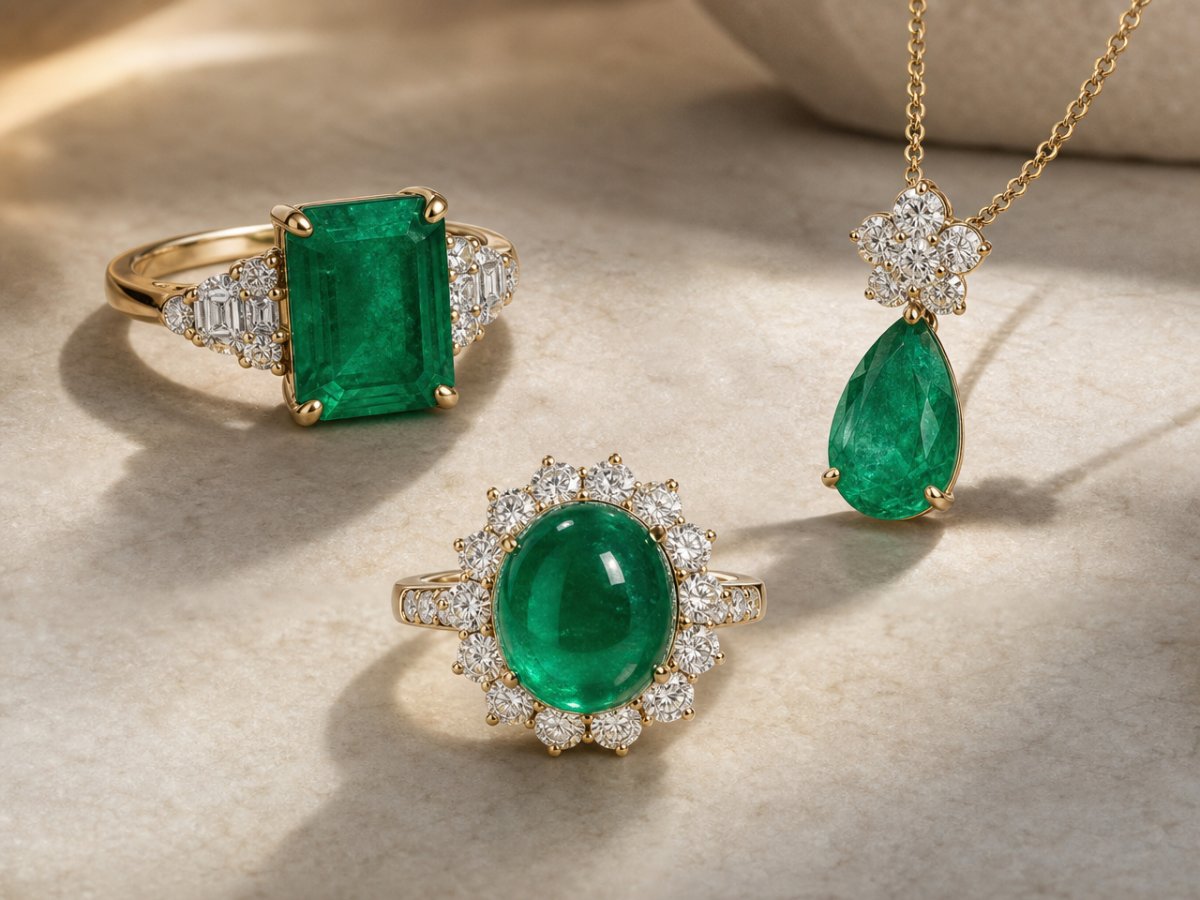
Zambian emerald is well suited to earrings and rings, and it is also popular for engagement rings, necklaces, pendants, brooches and collector jewelry. The best setting depends on how often the piece will be worn and how exposed the stone will be.
Rings and Engagement Rings
For rings, prioritize a well-protected stone with sensible clarity and a secure setting. Octagon, oval and cushion shapes are practical options. For engagement rings, discuss setting protection with your jeweler and avoid designs that leave vulnerable corners or edges exposed.
Earrings, Necklaces and Pendants
Earrings, necklaces and pendants allow the gemstone's green color to stand out while reducing exposure to impact. Matched pairs for earrings should be selected for similar color, size, shape and overall brightness.
Bracelets and Brooches
Bracelets need more caution because wrist jewelry receives more knocks. Brooches and collector jewelry can allow more freedom in shape and size because they are usually worn with less abrasion than rings or bracelets.
How to Choose a Zambian Emerald
Use the following checklist when comparing loose Zambian emeralds at GemSelect or with any gemstone seller:
- Start with color: Choose a green that looks attractive to you in normal viewing conditions.
- Check clarity face-up: Some internal features may be acceptable, but avoid stones where they distract strongly from beauty or appear to weaken the gem.
- Review treatment disclosure: Confirm whether the emerald is oil treated or untreated.
- Match cut to use: Select durable shapes and protective settings for rings; use more design flexibility for earrings and pendants.
- Compare dimensions, not only carat weight: Two stones of the same weight can face up differently depending on depth and proportions.
- Think about setting safety: Corners, points and thin edges need appropriate protection.
- Buy for purpose: A collector stone, a ring center stone and an earring pair may require different priorities.
Conclusion
A confident Zambian emerald purchase comes from balancing beauty with practical details. Focus first on appealing green color, then examine clarity, cut, treatment disclosure and suitability for the intended jewelry piece. With proper care and a thoughtful setting, Zambian emerald can be an excellent choice for rings, earrings, pendants and meaningful May birthstone jewelry.