


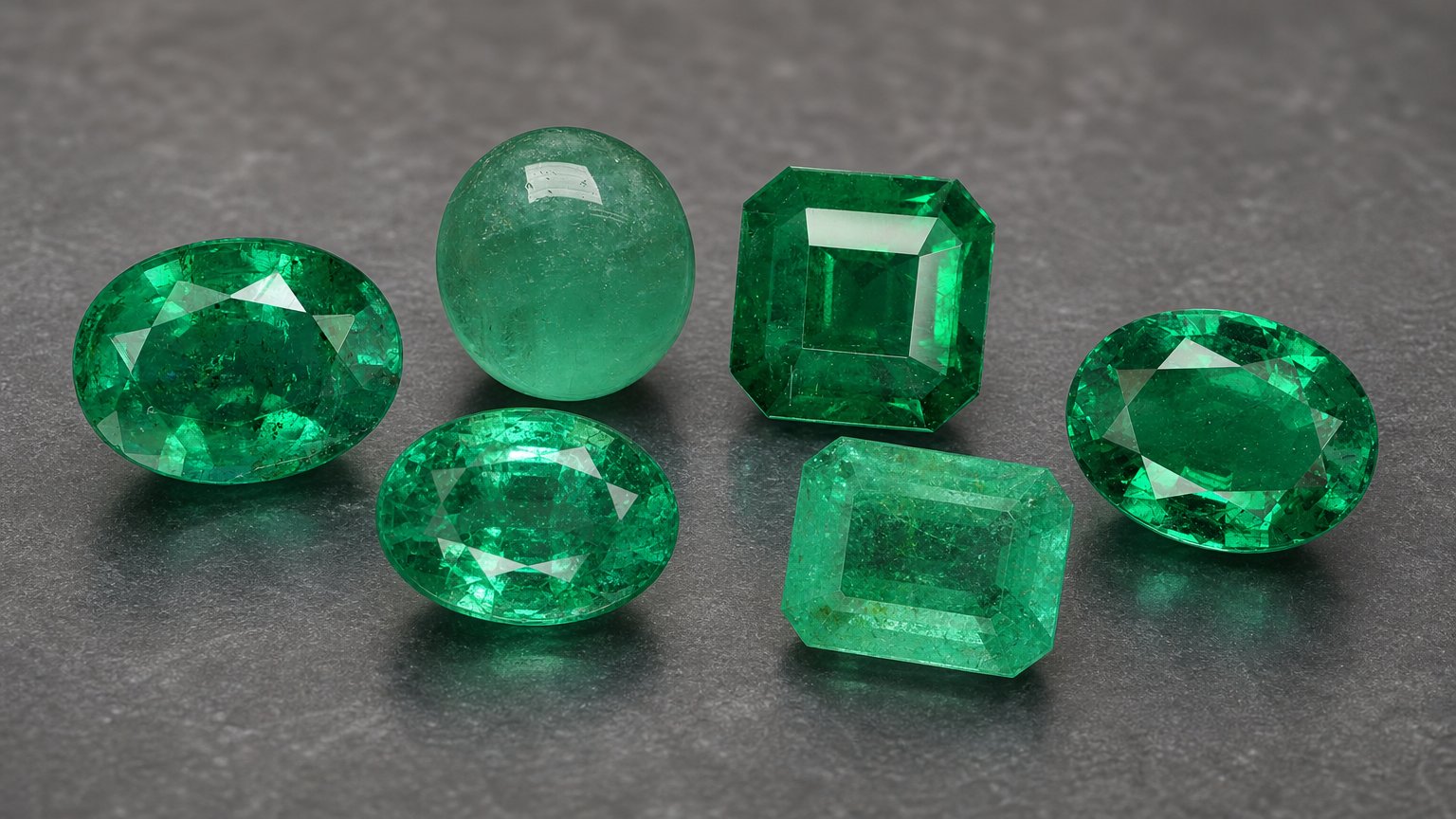
Emerald is one of the most recognizable green gemstones and a long-standing favorite for fine jewelry. Buyers choose emerald for its rich green appearance, its connection with the beryl mineral family, and its suitability for many jewelry designs, from classic rings and earrings to pendants and engagement rings. A good purchase, however, depends on understanding more than just carat weight or shape. Emeralds should be evaluated for color, cutting, treatment disclosure, durability and how the stone will be worn.
This emerald buying guide explains the essential details in practical terms. It is designed for gemstone buyers, jewelers, designers and collectors who want to compare loose emerald gemstones with confidence and choose a stone that fits both the design and the budget.
What Is Emerald?
Emerald is the green variety associated with the mineral species beryl. Its chemical formula is Be₃Al₂Si₆O₁₈, and it crystallizes in the hexagonal crystal system. In jewelry, emerald is valued primarily for its green color and elegant appearance when cut and polished.
Because emerald belongs to beryl, it shares a gemological family with other beryl gemstones, but its identity in the market is strongly tied to green. When buying emerald, color is usually the first feature buyers notice, followed by overall appearance, size, shape, cut quality, treatment and durability considerations.
Emerald Color and Appearance
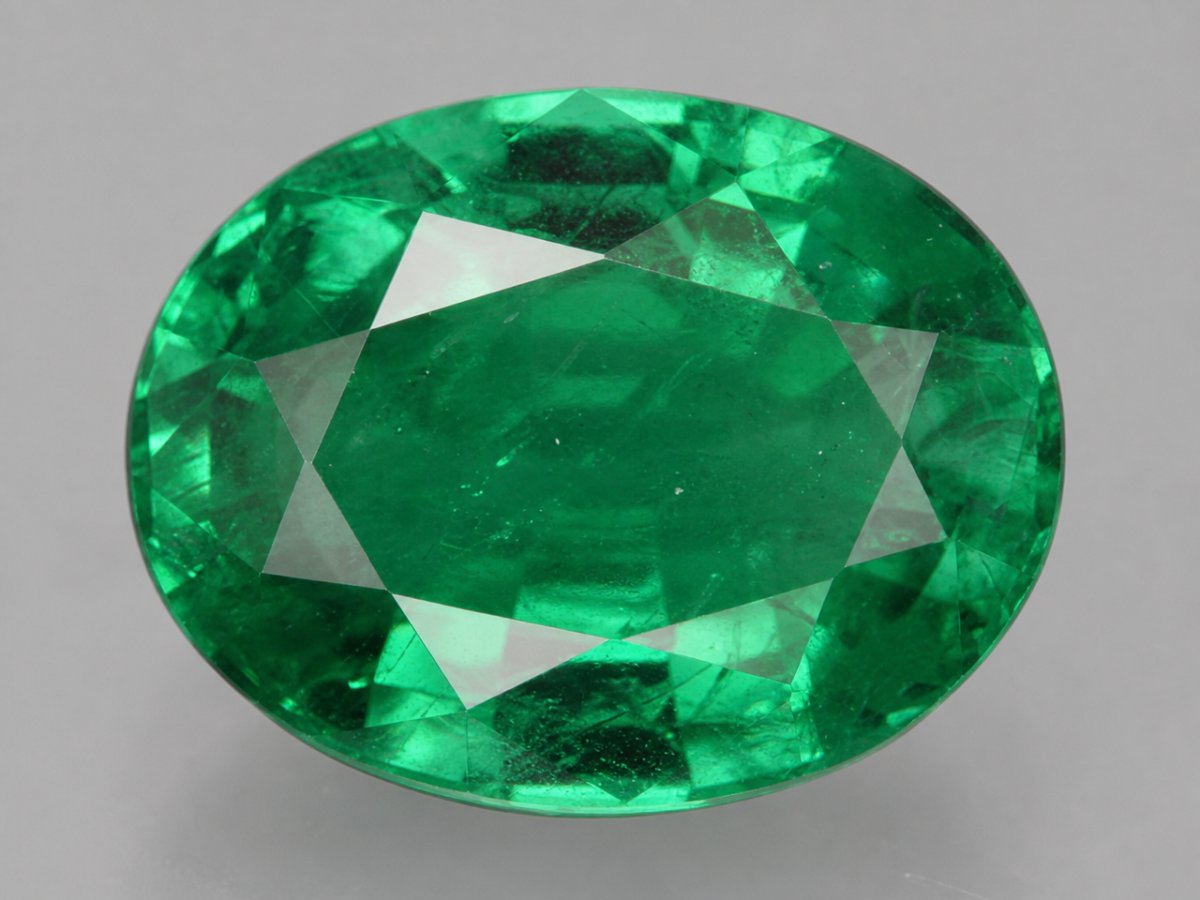
Emerald is known for green. For most buyers, the best choice is a stone with a green color that looks attractive in the intended jewelry setting and lighting environment. Color should be considered in three practical ways: hue, tone and saturation.
Hue, Tone and Saturation Explained
Hue is the basic color impression. In emerald, the important color is green. Tone describes how light or dark the gem appears. Saturation refers to the strength or intensity of the color. A gemstone with attractive saturation can look vivid and lively, while a stone that is too dark may lose brightness, and one that is too light may have a softer look.
There is no single color preference that suits every buyer. Some customers prefer a deeper green, while others choose a brighter or lighter green because it suits a design better. The key is to view the stone as a whole: the green should look pleasing, reasonably even and lively enough for the intended jewelry.
Color in Different Jewelry Designs
Color can appear different depending on the mounting, metal color, stone size and lighting. A small emerald in earrings may look different from a larger stone in a ring. When buying loose emeralds, consider the final design. For a ring or engagement ring, the center stone color will be seen often and at close range. For earrings, matched appearance may matter more than a single stone being individually perfect. For pendants and necklaces, color presence from a normal viewing distance is important.
Common Emerald Cuts and Shapes
Emerald is commonly cut as a faceted gemstone. Faceting uses flat polished surfaces to reflect light and display color. A well-cut faceted emerald should have pleasing brightness, balanced proportions and an attractive outline for the design.
Cabochon emeralds are also seen. A cabochon has a smooth, domed surface rather than a faceted crown and pavilion. Cabochons can be a good choice for designs that emphasize color, surface and a softer visual style.
Popular Shapes for Emerald
Octagon and oval shapes are especially common choices for emerald buyers. The octagon outline is strongly associated with classic emerald jewelry styles and offers a clean, structured appearance. Oval emeralds provide a softer outline and can work well in rings, earrings and pendants.
Cushion, pear and round shapes are also used. Cushion shapes offer a balanced combination of softness and structure. Pear shapes are popular for pendants and statement earrings because their outline naturally directs the eye. Round emeralds can be useful for accent stones, earrings and designs where symmetry is important.
How to Judge Cut Quality
When comparing emeralds, look beyond the name of the shape. Check whether the outline is symmetrical, whether the stone faces up attractively, and whether the cutting supports the color. A stone that is too shallow or too deep may not show its green color as well as it could. In faceted gems, look for even reflections and avoid stones that appear lifeless in the center unless the overall look still appeals to you.
For calibrated jewelry designs, measurements can be as important as carat weight. Two emeralds of similar weight may have different length, width and depth. Always check dimensions when the stone must fit a particular ring, earring or pendant setting.
Important Emerald Origins
Emerald is associated with several important origins, including Colombia, Brazil and Zambia. Origin can be of interest to collectors and may influence market preference, but it should not replace direct evaluation of the gemstone. Color, appearance, cut, treatment and suitability for the jewelry project remain essential.
When buying, treat origin information as one part of the overall description. A stone from a famous source still needs to be attractive, well cut and properly disclosed. Likewise, an emerald from another recognized origin can be an excellent choice if it has the color, shape and price that match your needs.
Gemological Properties Buyers Should Know
Gemological properties help identify and describe gemstones. They also give buyers useful context for durability, handling and comparison. For emerald, the following properties are especially relevant.
| Property | Emerald Information |
|---|---|
| Mineral species | Beryl |
| Chemical formula | Be₃Al₂Si₆O₁₈ |
| Crystal system | Hexagonal |
| Mohs hardness | 7.5–8 |
| Refractive index | 1.577–1.583 |
| Specific gravity | 2.72 |
What Mohs Hardness Means
Emerald has a Mohs hardness of 7.5 to 8. The Mohs scale measures resistance to scratching, not resistance to chipping, knocks or pressure. This means emerald is hard enough for many types of jewelry, but buyers should still consider how the stone will be worn. Rings, especially engagement rings, are exposed to more contact than earrings or pendants.
What Refractive Index and Specific Gravity Mean
Refractive index describes how light bends as it enters a gemstone. Emerald has a refractive index of 1.577 to 1.583. This property is useful in gemological identification and also relates to how a gemstone interacts with light.
Specific gravity is a measurement of density compared with water. Emerald has a specific gravity of 2.72. For buyers, this is mostly a gemological identification property rather than a visual selection factor, but it helps distinguish gemstone materials in professional testing.
Emerald Durability and Daily Wear
Emerald can be used successfully in jewelry, including rings and earrings, when the design and care are appropriate. With a hardness of 7.5 to 8, emerald has good scratch resistance compared with many materials. However, jewelry durability is not only about hardness. The setting style, exposure to impact and how often the jewelry is worn all matter.
For earrings and pendants, emerald is generally less exposed to knocks than it is in rings. For rings, and especially engagement rings, choose a secure setting and consider designs that protect the edges and corners of the gem. Octagon, cushion, pear and oval stones all need settings that hold the gem firmly without putting unnecessary stress on the stone.
Practical Care Tips
Remove emerald jewelry before activities that may cause impact, abrasion or pressure. Store emerald pieces separately from harder gemstones and from metal items that could scratch the surface. Clean gently with a soft cloth and mild cleaning approach suitable for the jewelry setting. If a piece contains oil-treated emerald, avoid harsh cleaning methods unless a jeweler confirms they are safe for that specific item.
Emerald Treatments: Oil Treatment
Oil treatment is a common treatment associated with emerald. In gemstone buying, treatment disclosure is important because it helps buyers understand what they are purchasing and how to care for it. Oil treatment generally refers to the use of oil to improve the appearance of surface-reaching features in a gemstone.
For buyers, the most important point is transparency. A treated emerald is not automatically a poor choice; many buyers accept treated emeralds when the treatment is clearly disclosed and the price reflects the overall quality. The decision should be based on the gem’s appearance, stability for the intended use, treatment information and budget.
Questions to Ask About Treatment
Before buying, ask whether the emerald has been treated and what treatment is disclosed. At GemSelect, treatment information is an important part of helping customers compare gemstones. If you are purchasing for a high-value ring, engagement ring or collector piece, documented treatment information can be especially useful.
Because treatments can affect care, avoid assuming that every cleaning method is appropriate. When in doubt, use gentle cleaning and consult a qualified jeweler before ultrasonic or steam cleaning. This is especially important for jewelry that contains treated gemstones.
Emerald in Jewelry
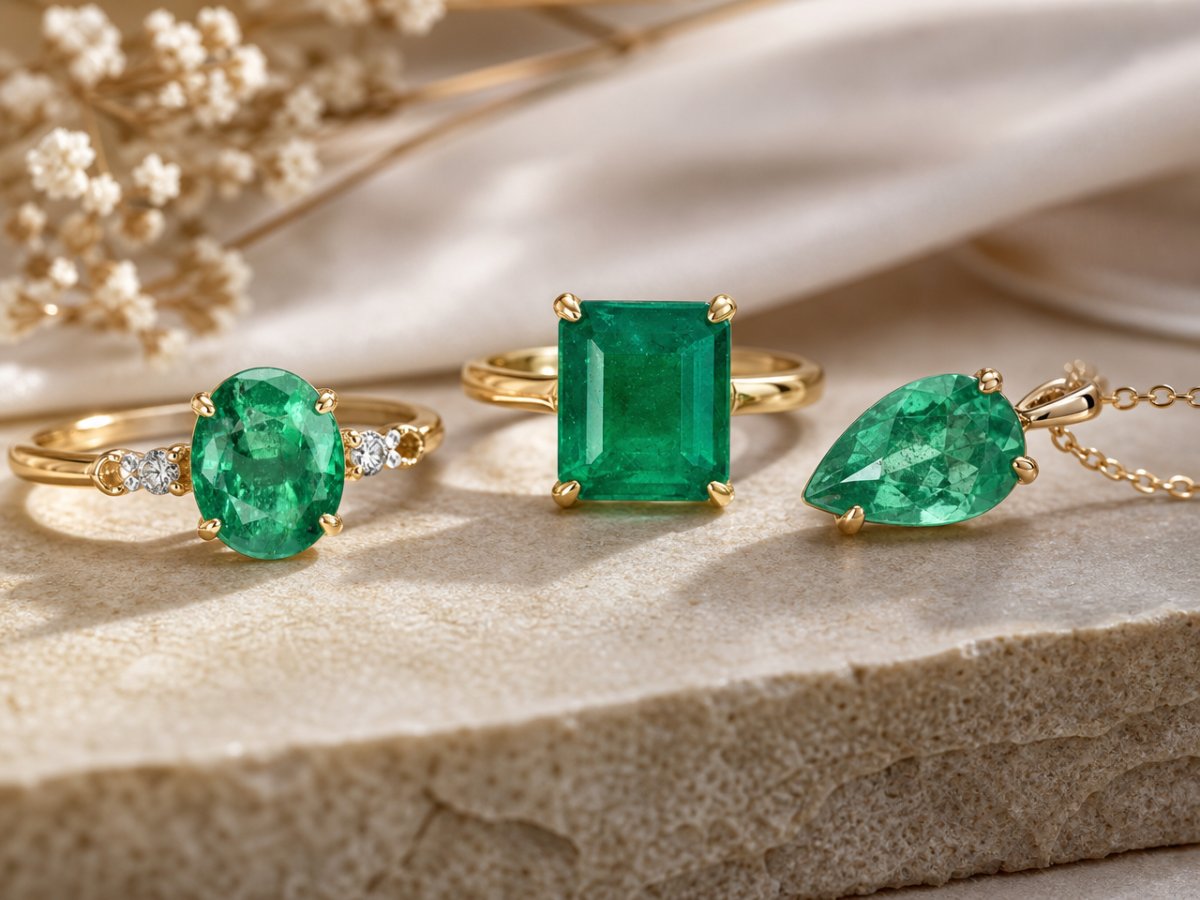
Emerald is widely used in earrings and rings, and it is also a meaningful choice for engagement rings, pendants and necklaces. Bracelets can feature emerald as well, although bracelets are more exposed to impact during daily wear, so design protection is particularly important.
Emerald Rings
Emerald rings showcase the gemstone where it can be admired often. When choosing an emerald for a ring, pay close attention to cut quality, face-up color and durability. A secure setting is essential, especially for larger center stones. Octagon, oval and cushion shapes are practical and attractive choices for many ring designs.
Emerald Engagement Rings
Emerald engagement rings appeal to buyers who want a green gemstone with a distinctive look. Because an engagement ring may be worn every day, choose the stone and setting carefully. Consider a design that protects corners and edges, and discuss care requirements with the jeweler. Treatment disclosure is also important for an engagement ring because long-term maintenance and cleaning should be planned from the start.
Emerald Earrings
Earrings are one of the most practical uses for emerald. They are generally less exposed to impact than rings, and they allow the color of the gem to be appreciated near the face. For pairs, matching is important. Look for similar size, shape, green color and overall brightness between the two stones.
Emerald Pendants and Necklaces
Pendants and necklaces are excellent choices for displaying emerald color. Pear, oval, octagon and cushion shapes can all work well, depending on the style. Since pendants usually receive less direct impact than rings, buyers may focus more on color presence, shape and visual balance.
Emerald Bracelets
Emerald bracelets can be beautiful, but they should be designed with care because bracelets are easily bumped against surfaces. If choosing emerald for a bracelet, consider protected settings and avoid wearing the piece during activities that expose it to impact.
How to Buy Emerald: A Practical Checklist
Buying emerald becomes easier when you compare stones in a structured way. The following checklist can help you narrow your choices and avoid common mistakes.
1. Start With Color
Choose a green color that appeals to you. Look at tone and saturation, and consider whether the stone looks lively in normal lighting. If buying multiple stones, such as for earrings or a necklace, check that the colors work together.
2. Evaluate the Cut and Shape
Decide whether you want a faceted emerald or a cabochon. Faceted emeralds are the most common choice for many fine jewelry designs, while cabochons offer a smooth, classic look. Then choose a shape that suits the setting. Octagon and oval are strong starting points, while cushion, pear and round shapes can be excellent for specific designs.
3. Check Dimensions, Not Only Carat Weight
Carat weight tells you how much the gemstone weighs, but dimensions tell you how large it will appear and whether it will fit a setting. For custom jewelry, provide your jeweler with length, width and depth measurements.
4. Review Treatment Disclosure
Since oil treatment is common for emerald, read the treatment information carefully. Compare price and appearance with the disclosed treatment in mind. Clear treatment disclosure supports a more confident purchase.
5. Consider the Jewelry Use
A gemstone for earrings may be selected differently from a gemstone for a daily-wear ring. For rings and engagement rings, durability and setting protection are especially important. For pendants and necklaces, color and face-up appearance may be the main focus.
6. Compare Similar Stones Side by Side
When possible, compare emeralds of similar size, shape and price. You may find that a slightly smaller stone has better color or cutting, or that a different shape gives you the appearance you prefer. Online buyers should use photos, videos, measurements and treatment details to make comparisons.
7. Buy From a Seller That Provides Clear Information
Emerald buyers benefit from accurate descriptions, treatment disclosure and clear gemstone measurements. GemSelect lists loose gemstones so buyers can compare the individual stone they are considering, rather than relying only on a general category description.
Common Buying Mistakes to Avoid
One common mistake is buying based only on origin. Colombia, Brazil and Zambia are important emerald sources, but origin alone does not determine whether a stone is the right choice. Another mistake is focusing only on carat weight. A lighter emerald with better color or a more suitable shape may be more attractive in the finished jewelry.
Buyers should also avoid ignoring treatment information. Oil treatment is common for emerald, and it should be considered as part of the value and care discussion. Finally, do not choose a delicate design for a high-impact jewelry use without thinking about protection. An emerald for a ring or bracelet needs a setting appropriate for real wear.
Summary
Emerald is a green beryl gemstone valued for its color, history in jewelry design and versatility. The best emerald for you is the one that combines attractive green color, suitable cut, appropriate shape, disclosed treatment information and the right durability for its intended use. Faceted emeralds are common, cabochons offer a different style, and popular shapes include octagon and oval, with cushion, pear and round also widely used.
Whether you are choosing a May birthstone gift, a ring, earrings, a pendant or an engagement ring, take time to compare individual stones carefully. A well-informed emerald purchase balances beauty, practicality and transparent information.
