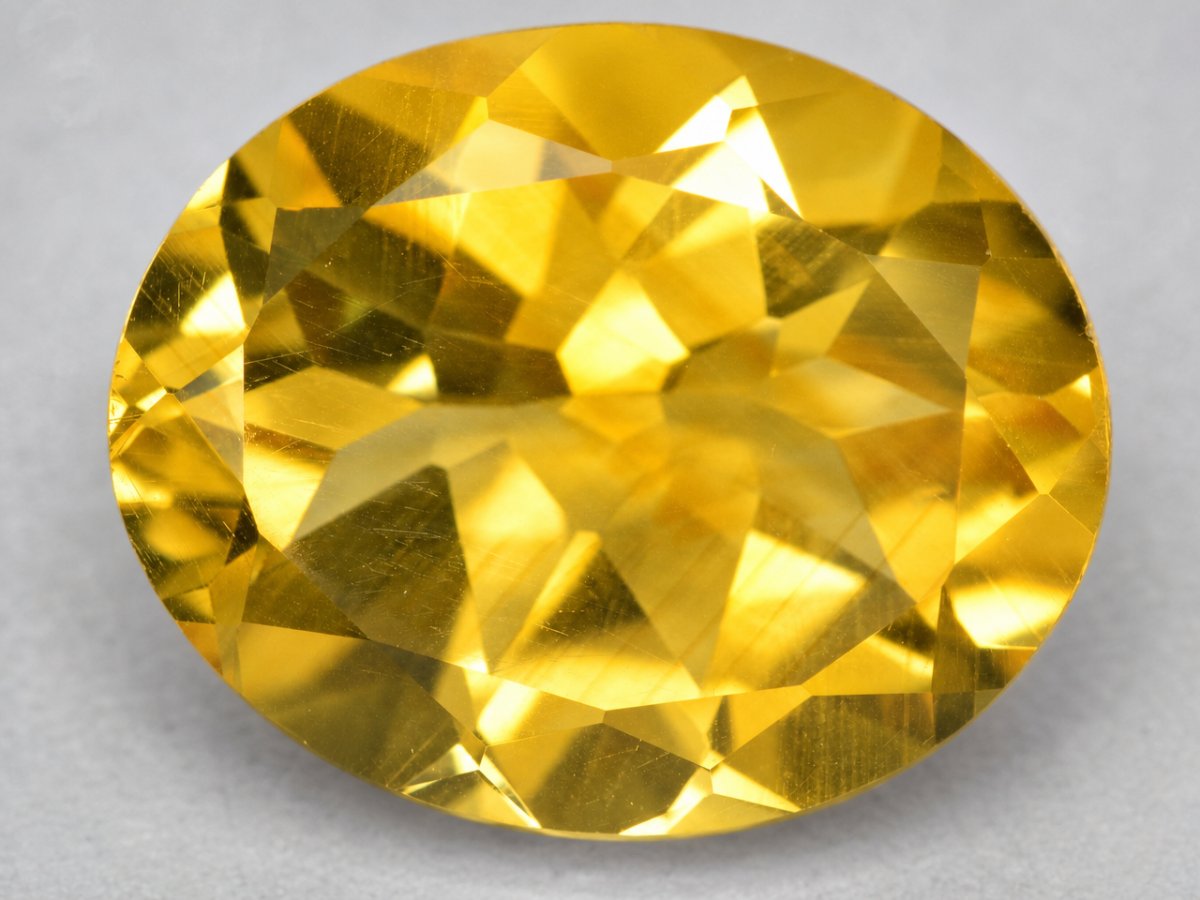


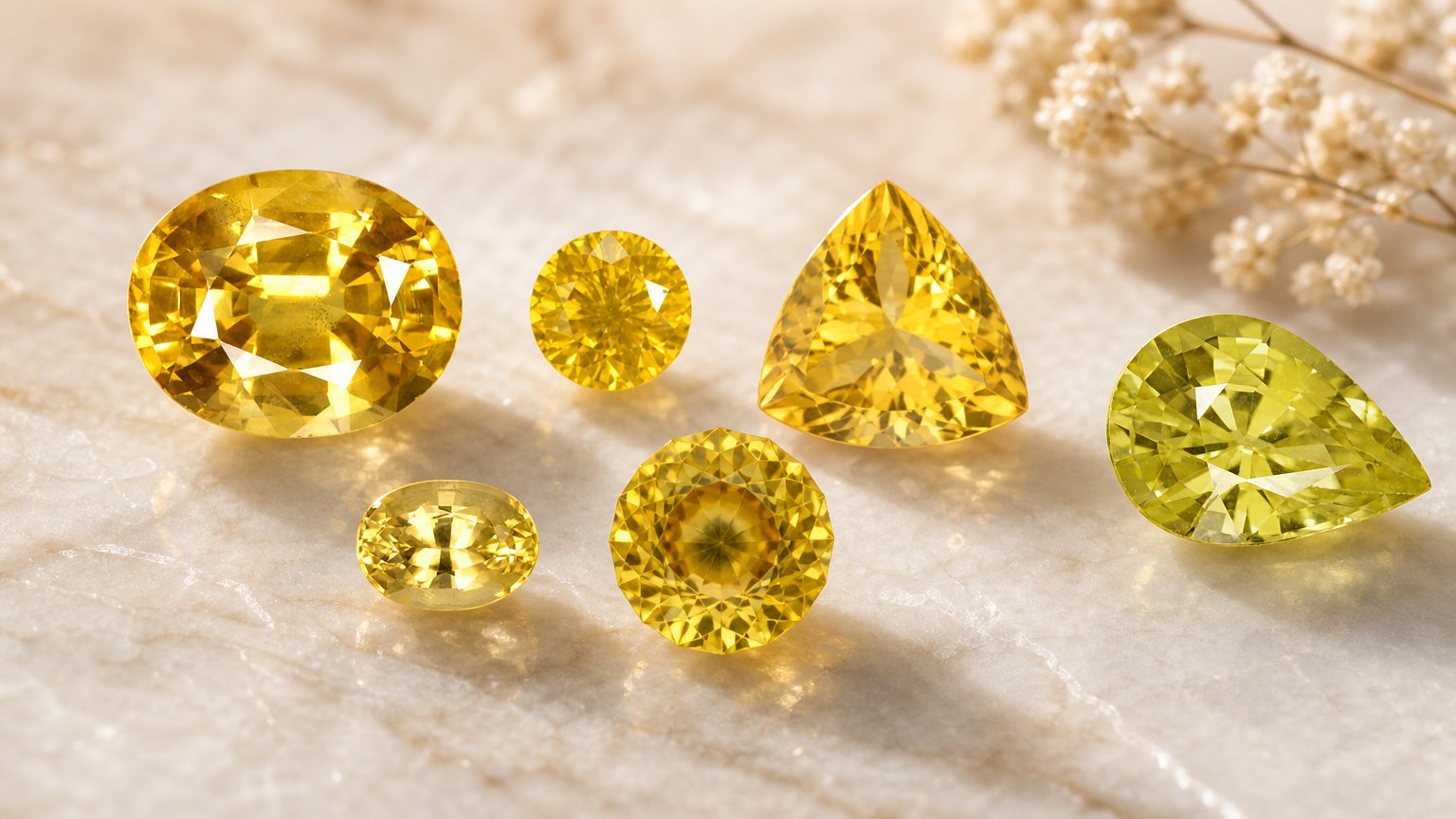
A yellow gemstone engagement ring can look sunny, refined, vintage, modern or boldly individual depending on the gem, cut and setting. The most important choice is not simply "which yellow stone is prettiest?" but which gemstone has the right balance of color, durability, brilliance, size and care requirements for a ring worn every day.
Natural yellow gemstones suitable for engagement rings include yellow sapphire, yellow diamond, yellow chrysoberyl, yellow topaz, citrine, yellow zircon, golden beryl or heliodor, and yellow tourmaline. Some are excellent everyday options; others can work beautifully when set with care and worn thoughtfully. When comparing loose gemstones at GemSelect or with any jeweler, look at the actual photos, millimeter dimensions, color, cut quality, clarity and treatment disclosure for the individual stone rather than choosing by name or carat weight alone.
Durability: Why Hardness Is Only Part of the Story
Mohs hardness measures resistance to scratching. It matters in engagement rings because rings contact desks, door handles, metal objects and other jewelry. However, hardness does not tell the whole durability story.
A gemstone's toughness, cleavage and brittleness also affect how it handles knocks. Cleavage is a tendency to split along certain crystal directions. Brittleness can make a stone more vulnerable to chipping along facet edges. A protective ring design, such as a bezel or low-profile setting, can make a meaningful difference, especially for stones that are beautiful but less forgiving than diamond or sapphire.
For everyday engagement rings, gemstones around Mohs 7 and above are generally more practical than softer stones, but the setting and the wearer's lifestyle still matter. Softer yellow gems such as sphene, apatite, amber, opal or many feldspars may be attractive, but they are usually better reserved for occasional-wear rings, pendants or earrings unless the wearer accepts extra care and risk.
Yellow Gemstone Comparison for Engagement Rings
| Gemstone | Typical yellow color and tone | Mohs hardness | Everyday-wear suitability | Relative affordability | Brilliance / sparkle | Recommended setting considerations |
|---|---|---|---|---|---|---|
| Yellow Sapphire | Lemon, golden, honey, greenish yellow or orange-yellow | 9 | Excellent colored-gemstone choice for daily wear | Often more accessible than fine yellow diamond, varies by size and quality | Bright, lively sparkle when well cut | Suitable for solitaire, halo, three-stone, bezel and many custom designs |
| Yellow Diamond | Fancy light to vivid yellow, sometimes champagne or brownish yellow | 10 | Outstanding for daily wear | Generally high, especially for strong natural color | Very high brilliance and fire | Works in almost all engagement-ring styles; prongs should still protect corners |
| Yellow Chrysoberyl | Yellow, greenish yellow, golden yellow | 8.5 | Very good; durable and less common | Varies; often chosen for character rather than lowest cost | Lively to strong brilliance | Good for solitaires and vintage-inspired rings; protect pointed ends on ovals, pears and marquise cuts |
| Yellow Topaz | Pale yellow, golden, orange-yellow, sometimes sherry tones | 8 | Moderate to good with care; cleavage is a concern | Often accessible in larger sizes, depending on variety and quality | Good brilliance in clean, well-cut stones | Bezel, semi-bezel or secure prongs are wise; avoid high exposed settings for active wearers |
| Citrine | Lemon, golden, honey, Madeira orange-yellow to brownish orange | 7 | Acceptable with care, but not as durable as sapphire or diamond | Usually one of the more budget-friendly yellow options | Moderate to good; often attractive in larger cuts | Best in protective settings if worn daily; suitable for larger statement designs with realistic care expectations |
| Yellow Zircon | Bright yellow, golden, champagne or brownish yellow | 7 to 7.5 | Best for careful wear; can be brittle | Often offers strong visual sparkle for the budget | High brilliance and fire; can look very lively | Choose lower, protective settings; avoid exposed corners and hard daily knocks |
| Golden Beryl / Heliodor | Soft yellow, golden yellow, greenish yellow | 7.5 to 8 | Good with thoughtful setting and care | Often offers appealing size and color value | Elegant, usually less fiery than diamond or zircon | Works well in clean solitaires, bezels and vintage designs; protect long edges and corners |
| Yellow Tourmaline | Yellow, greenish yellow, golden, orange-yellow | 7 to 7.5 | Good to moderate; better for careful wear | Varies by color, size and clarity | Good brilliance; elongated cuts can show color well | Secure prongs or bezel are helpful; avoid settings that leave edges exposed |
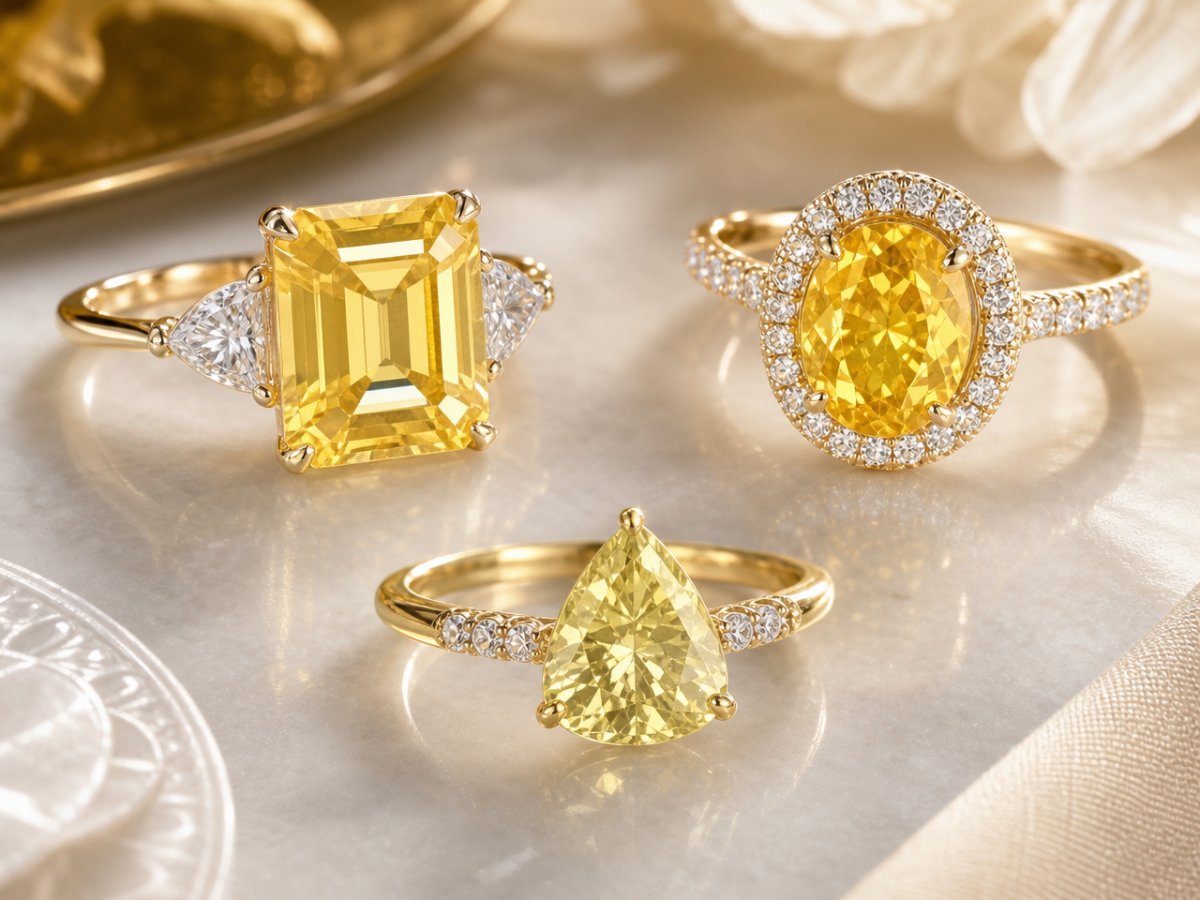
Yellow Sapphire: A Strong Natural Colored-Gemstone Choice
Yellow sapphire deserves special attention because it combines attractive color with one of the best durability profiles among natural colored gemstones. Sapphire is corundum, with a Mohs hardness of 9, making it highly resistant to scratching in normal jewelry use. It also has good toughness for a faceted gemstone, which is why sapphire is widely used in engagement rings.
Color is one of the main reasons to choose yellow sapphire. It can range from light lemon yellow to rich golden yellow, honey yellow, greenish yellow or orange-yellow. Some buyers prefer a clean, bright lemon tone in white metal, while others want a warmer golden sapphire set in yellow gold. Neither is automatically better; the best choice depends on the design and the wearer's taste.
Yellow sapphire is not simply a replacement for yellow diamond. Diamond has greater hardness, a different type of brilliance and fire, and a different rarity and pricing structure. Yellow sapphire offers its own appeal: strong natural color, excellent wearability, and availability in many traditional and custom-friendly shapes such as oval, cushion, round, emerald cut, pear, trillion and marquise. For buyers who want a colored gemstone rather than a diamond, yellow sapphire is one of the most practical options for a center stone.
As with all sapphires, treatments should be checked for the individual stone. Heat treatment is commonly encountered in the sapphire market, and other treatments such as diffusion must be clearly disclosed when present. A buyer does not need to avoid treated stones automatically, but treatment disclosure is important for comparison, care and value.
How Yellow Gemstones Differ in Appearance
"Yellow" covers a wide range of looks. Bright lemon yellow appears crisp and fresh, especially in white gold or platinum. Golden yellow feels warmer and often looks richer in yellow gold. Honey yellow can have a softer antique character, while champagne or brownish yellow gives a more subdued, earthy appearance. Greenish yellow can look lively and botanical, and orange-yellow stones often appear warmer and more saturated.
Cut has a major effect on the finished ring. A well-proportioned cut returns light evenly across the stone, while a shallow or overly deep cut can make the center look washed out or dark. Some yellow gems show their best color in cushion, oval and emerald cuts; others benefit from brilliant-style cutting that increases sparkle.
Saturation is the strength of the color, and tone is how light or dark the gemstone appears. A pale yellow stone can look elegant but may appear less yellow in bright light or against white metal. A darker golden stone may look rich indoors but slightly brownish in some lighting. Clarity also matters: visible inclusions can soften brilliance, but a perfectly clean look is not always necessary if the color and cut are attractive.
Lighting changes perception. Jewelry store lights, daylight, warm indoor bulbs and shaded outdoor light can all make yellow gemstones look different. Actual photographs and videos are valuable, but it is still useful to understand that every yellow gem will shift slightly with its environment.
Choosing a Yellow Gemstone by Ring Style
Solitaire rings
A solitaire places all attention on the center stone, so cut, symmetry, color zoning and face-up dimensions are especially important. Yellow sapphire, yellow diamond and chrysoberyl are strong choices for daily-wear solitaires. Citrine, topaz, heliodor, zircon and tourmaline can also work, but protective design becomes more important.
Halo settings
A diamond or white sapphire halo can make a yellow center stone look more saturated by contrast. A halo also gives additional visual spread without relying only on a larger center gem. It can help protect the center stone's girdle, although pointed shapes still need secure prongs.
Bezel settings
A bezel surrounds the gemstone with metal and is one of the best choices for active wearers or for stones that need more edge protection. Bezels are especially useful for citrine, zircon, topaz, tourmaline and heliodor. The trade-off is that a full bezel may slightly reduce side light, so cut quality and color should be chosen carefully.
Three-stone rings
Yellow center stones pair well with white diamonds, colorless sapphire, or complementary colored side stones. A three-stone design can make a smaller yellow gem feel more substantial. Match the tone of side stones carefully; very bright white side stones can make a pale yellow center look lighter, while warmer side stones create a softer look.
Vintage-inspired designs
Yellow gemstones suit milgrain, filigree, step cuts, cushion cuts and antique-style halos. Honey yellow, champagne yellow and golden tones often look especially natural in vintage-inspired settings. Chrysoberyl, heliodor, citrine and yellow sapphire can all suit this style, depending on durability expectations.
Metal Color and the Perceived Yellow Color
Metal color changes how a yellow gemstone reads on the hand. Yellow gold reinforces warmth and can make golden, honey and orange-yellow stones appear richer. It can also help a lighter yellow stone look warmer overall.
White gold and platinum create contrast. This can make a saturated yellow gemstone stand out sharply, especially in modern solitaire and halo rings. With very pale yellow stones, white metals may emphasize delicacy rather than intensity.
Rose gold adds pink warmth. It can be beautiful with champagne, honey and orange-yellow gems, but it may make greenish yellow stones look more complex or less purely yellow. The best approach is to view the loose gemstone next to metal-color samples before finalizing the setting.
Gemstone Size, Carat Weight and Visual Presence
Carat weight is a measure of weight, not visible size. A one-carat sapphire, one-carat diamond and one-carat citrine will not necessarily have the same face-up dimensions because gemstone species have different specific gravities and are cut to different proportions. Denser gems can face up smaller than lighter gems of the same carat weight, while shallow cuts may look larger but can sacrifice brilliance.
For engagement rings, millimeter measurements are often more useful than carat weight alone. Compare length, width and depth, and consider how the shape will look on the finger. Ovals, pears, marquise and elongated cushions often provide more visual length, while rounds and square cushions can look balanced and classic.
Treatments and Disclosure
Treatment is part of practical gemstone buying. Yellow sapphire may be heat treated, and other treatment types must be disclosed when present. Citrine in the market is often produced by heating amethyst or smoky quartz. Zircon may be heat treated to improve or modify color. Topaz, beryl and tourmaline may also be encountered with treatments depending on the individual stone.
The key is not to assume every gemstone of a variety has the same treatment status. Check the disclosure for the specific loose gemstone and compare like with like. Treatment information can affect value, care recommendations and long-term satisfaction.
Which Yellow Gemstone Is Best for an Engagement Ring?
There is no single best yellow gemstone for every engagement ring. The right choice depends on what matters most to the buyer.
- Maximum durability: Yellow diamond is the hardest option and is excellent for daily wear. Yellow sapphire is the strongest natural colored-gemstone choice for many buyers who want durability without choosing diamond.
- Vivid natural yellow color: Yellow sapphire offers a broad range from lemon to golden yellow and is available in many ring-friendly shapes. Fine yellow diamond can also show exceptional yellow color, with a different brilliance and price profile.
- High brilliance: Yellow diamond leads for brilliance and fire. Yellow zircon can be very lively and sparkly, but it needs more careful wear because it can be brittle. Well-cut yellow sapphire and chrysoberyl also offer attractive sparkle.
- Larger stone for the budget: Citrine, golden beryl, yellow topaz and some yellow tourmaline can provide a larger face-up look than higher-priced alternatives, depending on quality. These choices are best paired with protective settings and realistic care expectations.
- Unusual or less common choice: Yellow chrysoberyl, heliodor and yellow tourmaline are appealing for buyers who want a natural yellow gemstone with a more individual character than the most familiar engagement-ring stones.
Yellow Gemstones That Require More Care
Citrine is attractive and affordable, but at Mohs 7 it is more vulnerable to scratches over years of daily ring wear than sapphire or diamond. It is best for wearers who are comfortable removing the ring during hands-on activities and who choose a protective setting.
Yellow zircon has excellent sparkle, but it can be brittle and facet edges may abrade with heavy wear. It is better in low, secure settings and is not ideal for someone who is hard on rings.
Yellow topaz has good hardness, but its cleavage means a sharp blow can be risky. A bezel or protective prong design is recommended, especially for larger stones.
Golden beryl and yellow tourmaline can be suitable with care, but they are not as forgiving as sapphire for constant daily wear. Avoid exposed high settings, protect corners and remove the ring during sports, gardening, cleaning or heavy work.
Final Buying Advice
Start with lifestyle, then choose the gemstone. If the ring will be worn every day with minimal worry, yellow diamond and yellow sapphire are the most straightforward choices, with yellow sapphire offering one of the best balances of color, durability and design flexibility among natural colored gemstones. If the goal is a larger or more unusual yellow center stone, chrysoberyl, topaz, citrine, zircon, heliodor and tourmaline can all be considered with appropriate setting and care.
Before buying, compare individual loose gemstones by color, tone, saturation, cut, clarity, dimensions, treatment disclosure and actual photographs. The name of the gemstone is only the starting point; the individual stone is what determines the beauty and practicality of the finished engagement ring.