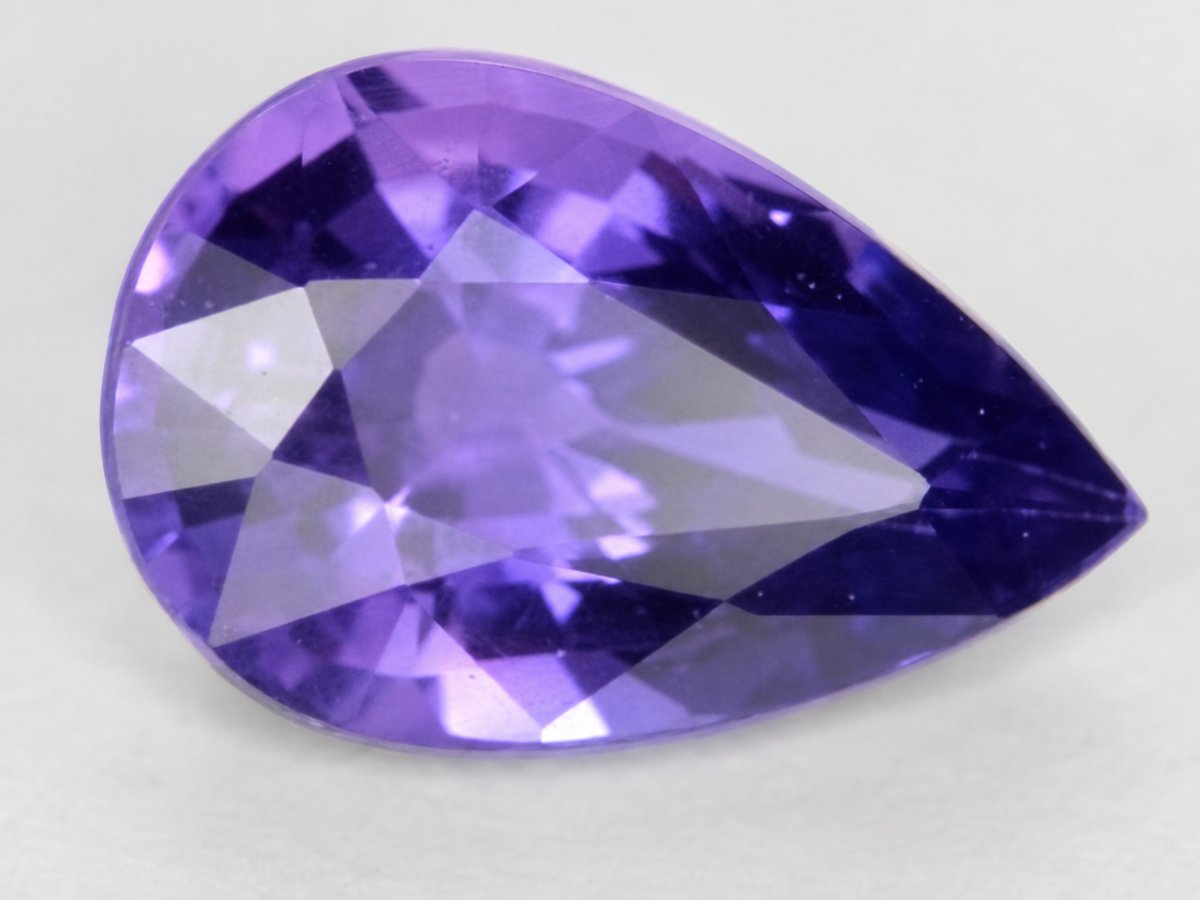


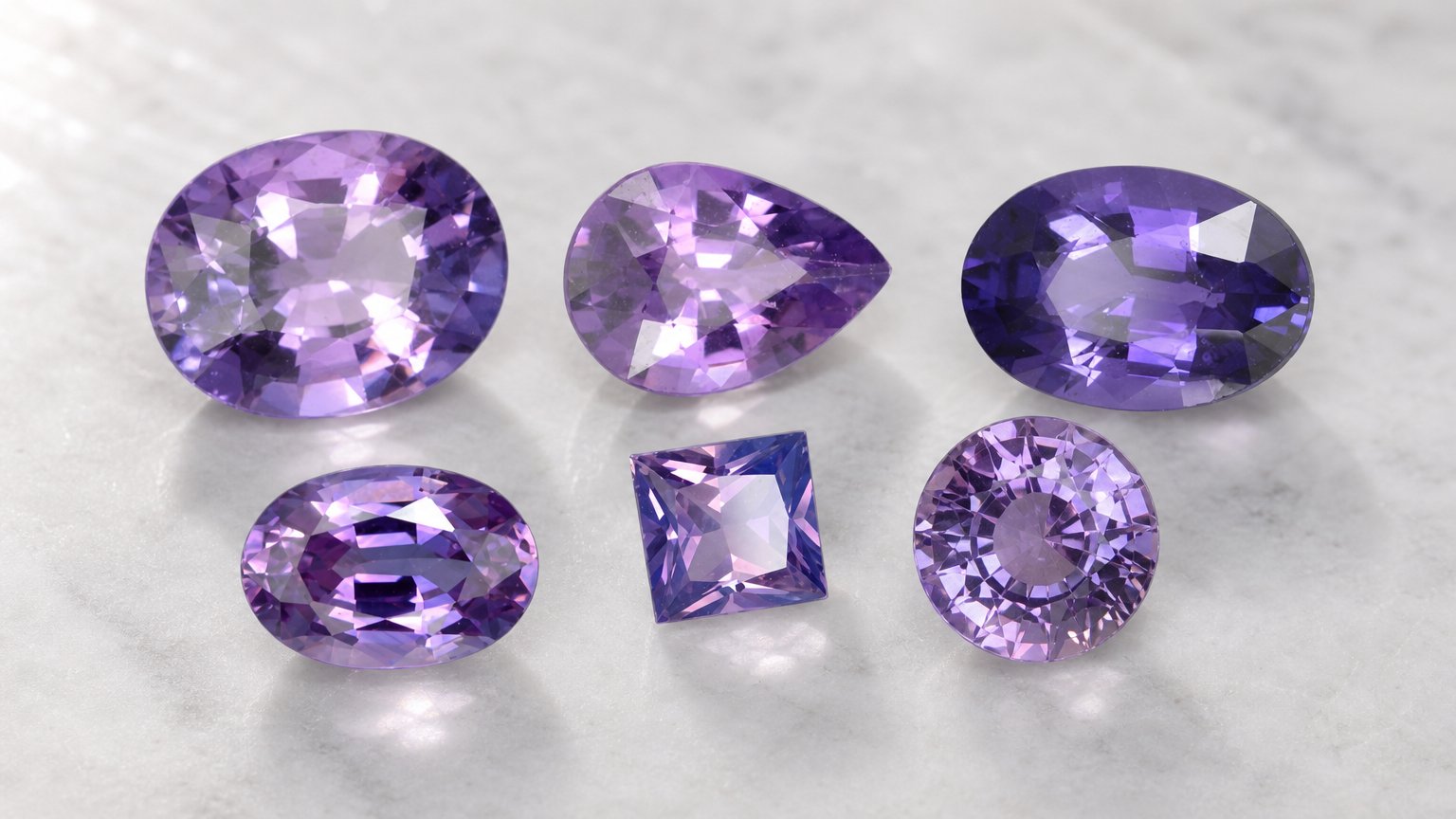
Violet sapphire is a distinctive color variety of sapphire, valued by buyers who want the durability of corundum with a refined violet appearance. It is suitable for many types of jewelry, including rings, earrings, pendants and engagement rings, but choosing the right stone requires more than simply selecting a pleasing color.
This buying guide explains the practical factors that matter most: color, cut, clarity appearance, treatment disclosure, size, origin, durability and jewelry use.
What Is Violet Sapphire?
Violet sapphire is a violet-colored variety of sapphire. Like other sapphires, it belongs to the mineral species corundum and has the chemical formula Al₂O₃. Its trigonal crystal system, refractive index of 1.762-1.770 and specific gravity of 4.00 are part of the gemological profile used to identify sapphire.
For buyers, the most important point is that violet sapphire combines an elegant violet color with sapphire's excellent durability. It is also associated with September as a birthstone, making it a meaningful choice for birthday jewelry.
Color: The First Buying Decision
Color is the main reason to choose violet sapphire. When comparing stones, look for a violet hue that appears attractive in the lighting conditions where the jewelry will be worn. A well-chosen stone should show a pleasing violet face-up color rather than looking overly dark, washed out or uneven.
Because colored gemstones are judged by visual appeal, there is no single "correct" violet for every buyer. Some people prefer a deeper, more dramatic violet; others prefer a brighter or softer look. The best choice is the stone that balances color strength, brightness and evenness in a way that suits the jewelry design.
What to Check in Photos and Videos
- Evenness of color: Check whether the violet color is consistent across the face of the gem.
- Brightness: A good cut should return light well and keep the stone lively.
- Windowing: Avoid stones with a large pale or transparent-looking area in the center when viewed face-up.
- Extinction: Be cautious if much of the stone looks black or overly dark in normal viewing.
Cut and Shape
Violet sapphire is most commonly seen as a faceted gemstone. Faceting helps bring out brilliance, color and liveliness, which are especially important when buying a transparent sapphire for rings, earrings or pendants.
Oval shapes are especially common and practical because they offer a classic outline with good face-up presence. Cushion, pear and trillion shapes are also popular options for buyers who want a more distinctive design. Round, marquise and octagon shapes may also be available, with octagon shapes often associated with step-cut styles.
Cabochon violet sapphires may appeal to buyers who prefer a smooth, domed appearance rather than sparkle from facets. Step cuts can give a more geometric and elegant look, but they tend to emphasize clarity and cutting precision, so inspect them carefully.
Clarity and Overall Appearance
When buying violet sapphire, evaluate clarity in terms of how the gemstone looks to the unaided eye. Inclusions are natural features in many gemstones, but the most important question is whether they distract from the beauty of the stone or affect transparency and brightness.
For jewelry, especially rings and engagement rings, choose a sapphire that looks clean and attractive in normal viewing. Very visible inclusions, surface-reaching features or cloudy areas can reduce visual appeal. In step cuts and lighter-toned stones, inclusions may be easier to see, so review images closely.
Treatments and Disclosure
Heat treatment is common for violet sapphire. Heat treatment is widely used in the sapphire trade to improve color or appearance, and it should be disclosed by the seller. Untreated violet sapphires may also be available, but the key buying point is transparency: know what you are buying before you purchase.
Always read the treatment information on the gemstone listing. If a stone is described as untreated, the listing should clearly say so. If it has been heated, that should also be stated. At GemSelect, treatment information is provided on individual gemstone pages so buyers can compare stones with confidence.
Origin: Useful, but Not the Only Factor
Violet sapphire is associated with several origins, including Sri Lanka, Tanzania, Madagascar, Myanmar, Australia and Cambodia. Origin can be interesting to collectors and may influence buyer preference, but appearance and disclosure should remain the main priorities for most jewelry purchases.
Do not choose a violet sapphire by origin alone. Two stones from the same country can look very different. Compare the actual color, cut, clarity appearance, size and treatment information of each gemstone before making a decision.
Durability and Jewelry Suitability
Violet sapphire has a Mohs hardness of 9, making it one of the hardest commonly used jewelry gemstones. This excellent hardness makes it suitable for rings, including engagement rings, as well as earrings, pendants and necklaces.
Hardness is not the same as indestructibility, so protective settings and normal jewelry care still matter. For daily-wear rings, choose a secure setting and avoid heavy knocks. Earrings and pendants are usually exposed to less impact, giving buyers more flexibility in shape and size.
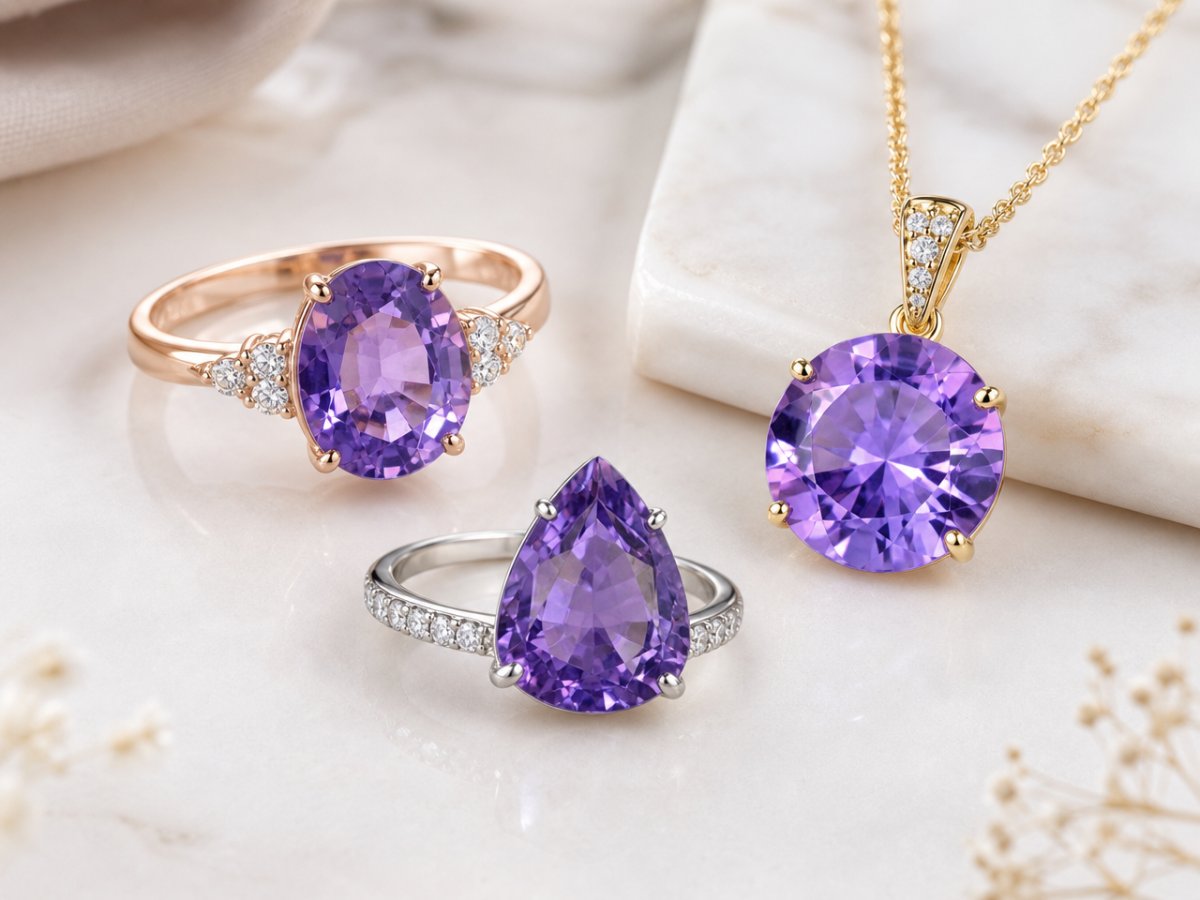
Best Jewelry Uses for Violet Sapphire
Rings: Violet sapphire is a strong choice for rings because of its hardness and attractive color. Oval and cushion shapes are especially versatile for classic ring settings.
Engagement rings: Buyers who want a sapphire engagement ring with a less traditional color may find violet sapphire appealing. Focus on durability, secure setting design and a color you will enjoy every day.
Earrings: Matched violet sapphires can create elegant earrings. For earrings, exact clarity may be less critical than matched color, size and shape.
Pendants and necklaces: Pendants allow the violet color to be displayed with less risk of impact than rings. Pear, oval and trillion shapes can work well depending on the design.
Collector jewelry: Collectors may pay closer attention to origin, treatment status and unusual shapes, but the stone should still be judged by its actual beauty and documentation.
Practical Buying Checklist
- Choose the violet color first: Select a tone and saturation that appeal to you in real viewing conditions.
- Review the cut: Look for balanced brightness, good symmetry and minimal windowing.
- Inspect clarity appearance: Make sure inclusions do not distract from the face-up beauty of the gemstone.
- Check treatment disclosure: Confirm whether the sapphire is heat treated or untreated.
- Match the stone to the jewelry: For rings, prioritize durability, secure settings and practical shapes. For earrings and pendants, consider matching and visual presence.
- Compare actual stones, not labels: Origin and shape names are useful, but the gem's appearance should guide the final decision.
Summary
Violet sapphire is an excellent choice for buyers seeking a durable sapphire with a distinctive violet color. The best purchase is one where the color appeals to you, the cut gives the stone life, the clarity is attractive in normal viewing and the treatment status is clearly disclosed. Whether selected for a ring, engagement ring, earrings or pendant, violet sapphire offers a practical and beautiful option when chosen carefully.