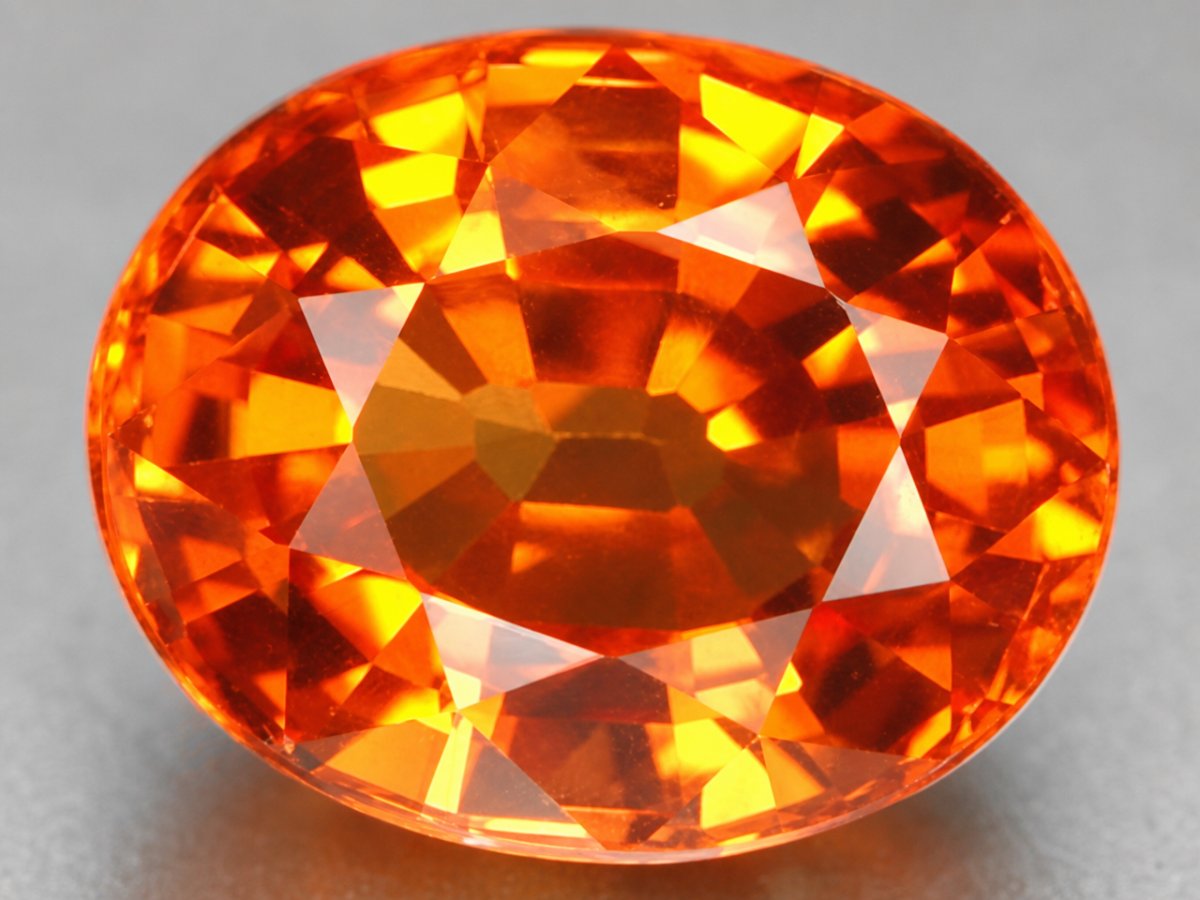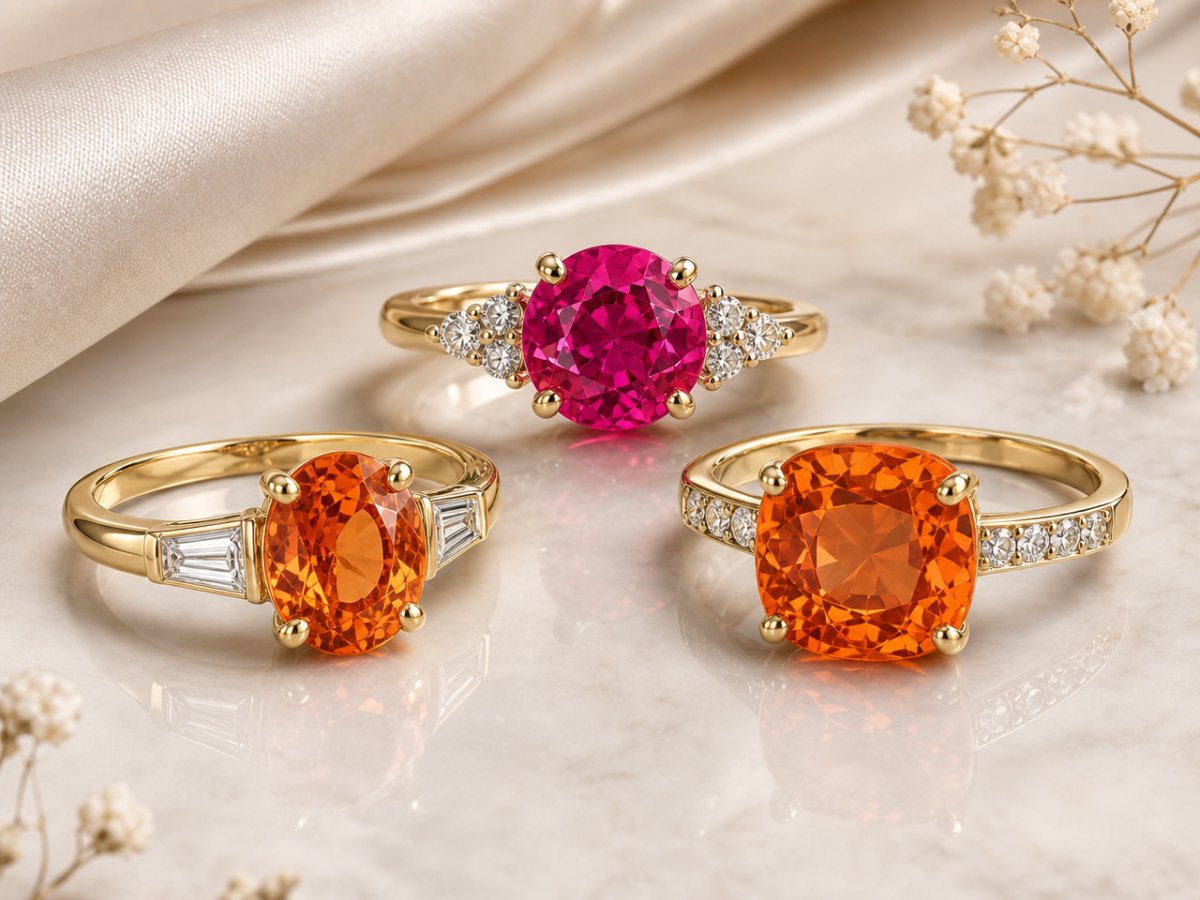


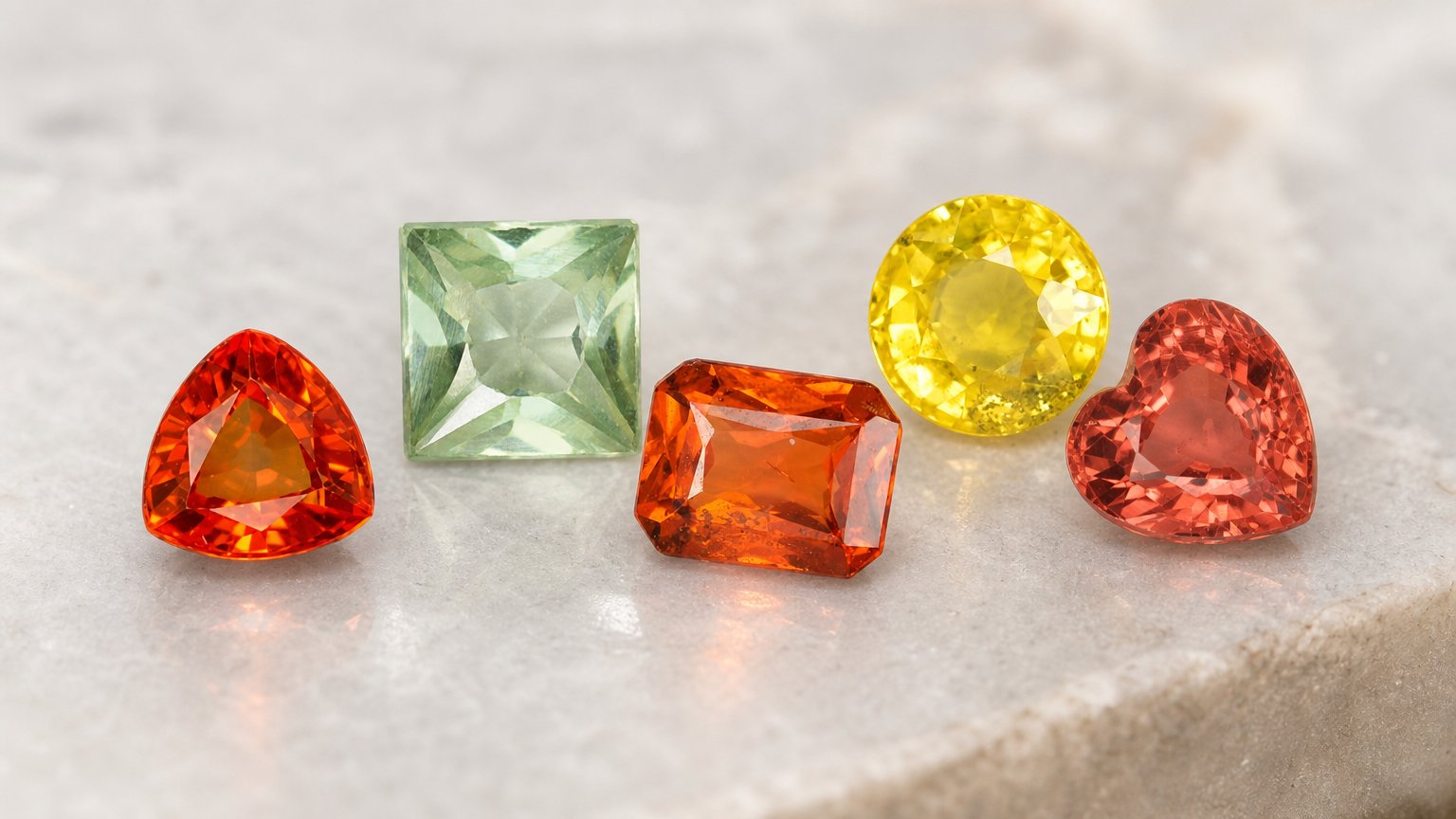
Songea Sapphire is a colorful variety of sapphire associated with Tanzania. While many people first notice it for its vivid appearance, especially orange and yellow tones, its meaning is best understood through two connected ideas: its place within the wider sapphire family and its identity as a Tanzanian gemstone.
This guide focuses on Songea Sapphire's meaning, history, symbolism and cultural relevance. It separates established facts from tradition and modern interpretation, so readers can appreciate the gemstone without confusing folklore with proven gemological information.
What Is Songea Sapphire?
Songea Sapphire is a variety of sapphire, and sapphire belongs to the mineral species corundum. In gem and jewelry language, the name helps identify sapphires associated with Tanzania rather than treating all sapphires as if they came from the same source or shared the same appearance.
Unlike the classic image of sapphire as only a blue gemstone, Songea Sapphire is known for a wider palette. Orange and yellow are especially important colors for this material, while blue, green, purple, violet and multicolor examples may also occur. This color variety is central to how Songea Sapphire is perceived today: expressive, individual and less conventional than the traditional royal-blue sapphire image.
The Meaning of Songea Sapphire
As a sapphire, Songea Sapphire is often connected with the broader symbolism traditionally given to sapphire in jewelry culture. Sapphire has long been regarded as a gemstone of sincerity, loyalty, wisdom and trust. These associations are traditional and cultural rather than scientific; they reflect how people have used and interpreted sapphire over time.
Songea Sapphire adds a more modern layer of meaning because of its distinctive color range. Orange and yellow sapphires are often interpreted by wearers as warm, bright and optimistic. Purple and violet tones may feel more contemplative or refined, while multicolor stones can symbolize individuality and change. These are modern symbolic readings based largely on color impression, not fixed historical doctrine.
For many collectors and jewelry lovers, the meaning of Songea Sapphire also comes from origin. A Tanzanian sapphire can represent a connection to East African gemstone sources and to the diversity of sapphire beyond the most familiar blue varieties.
Name and Origin
The name "Songea Sapphire" functions as a trade and identity name. It distinguishes this sapphire from other sapphires by emphasizing its Tanzanian association. In this sense, the name is meaningful because it connects the gem not only to the sapphire family but also to a specific source identity.
Origin names are important in the gemstone world because they help tell the story of a gem. They can suggest a visual style, a collecting category or a point of geographic interest. For Songea Sapphire, the Tanzanian connection is one of the clearest and most useful parts of its identity.
Historical Background
Songea Sapphire is best understood as part of the modern appreciation for sapphires from different world sources. It does not have the same long, widely documented ancient history as sapphire in general, and unsupported legends should not be attached to it simply because it is a sapphire.
Its historical significance is therefore more recent and trade-focused. Songea Sapphire reflects the modern gemstone market's interest in origin, color variety and alternatives to conventional blue sapphire. Its appeal is tied to the recognition that sapphire is not a single-color gemstone but a diverse corundum gem family with many expressive appearances.
Color Symbolism and Cultural Interpretation
Color plays a major role in how people assign meaning to Songea Sapphire. Orange and yellow, the most prominent colors associated with this sapphire, are commonly read in modern color symbolism as lively, warm and creative. These interpretations are personal and cultural, but they help explain why Songea Sapphire appeals to buyers who want a sapphire with a brighter, less formal character.
Blue Songea Sapphire connects more directly with the traditional sapphire image of steadiness and loyalty. Green tones may suggest freshness or balance to modern wearers, while purple and violet tones often feel elegant or introspective. Multicolor stones can be especially symbolic for people who value uniqueness, transition or contrast.
These meanings should be understood as symbolic language. They are not inherent powers of the gemstone, but they can make the gem more personally meaningful when chosen for jewelry, collections or gifts.
September Birthstone Significance
Sapphire is the traditional birthstone for September, and Songea Sapphire shares that association as a sapphire variety. This makes it a meaningful option for people born in September who want a birthstone with a different look from classic blue sapphire.
For birthstone jewelry, Songea Sapphire can carry the familiar sapphire symbolism of loyalty and sincerity while offering a broader range of colors. This combination makes it appealing for people who want the tradition of sapphire with a more individual visual identity.
Songea Sapphire in Modern Gem Culture
Today, Songea Sapphire is valued for its combination of sapphire identity, Tanzanian origin and colorful character. It is often appreciated by people who already admire sapphire but want something more distinctive than the standard blue image.
In modern jewelry culture, meaning is often personal. A Songea Sapphire may be chosen because it is a September birthstone, because its warm colors feel joyful, because it represents Tanzanian origin, or because it offers an unconventional expression of sapphire. GemSelect presents gemstone information in this practical spirit: helping readers understand what a gem is, what traditions are associated with it and how those traditions may matter today.
Conclusion
Songea Sapphire's meaning comes from both tradition and modern identity. As a sapphire, it belongs to a gemstone family associated with loyalty, sincerity and wisdom. As a Tanzanian sapphire known especially for orange and yellow colors, it also represents individuality, warmth and the expanding appreciation of sapphire beyond blue.
Its history is not defined by ancient Songea-specific legends, but by its role in the modern gemstone world as a colorful, origin-connected sapphire. That balance of tradition and distinctiveness is what gives Songea Sapphire its special appeal.