

Sodalite is best known as a blue gemstone with a calm, distinctive appearance. Its appeal comes from more than color alone: many people choose sodalite because it feels thoughtful, natural and quietly expressive. In gemstone symbolism, it is most often appreciated as a stone of clarity, composure and personal reflection, although these meanings belong to tradition and modern interpretation rather than scientific proof.
This guide focuses on sodalite's meaning, cultural significance and historical context. Where symbolism is discussed, it should be understood as folklore, personal belief or contemporary gemstone tradition, not as a medical or scientific claim.
What Is Sodalite?
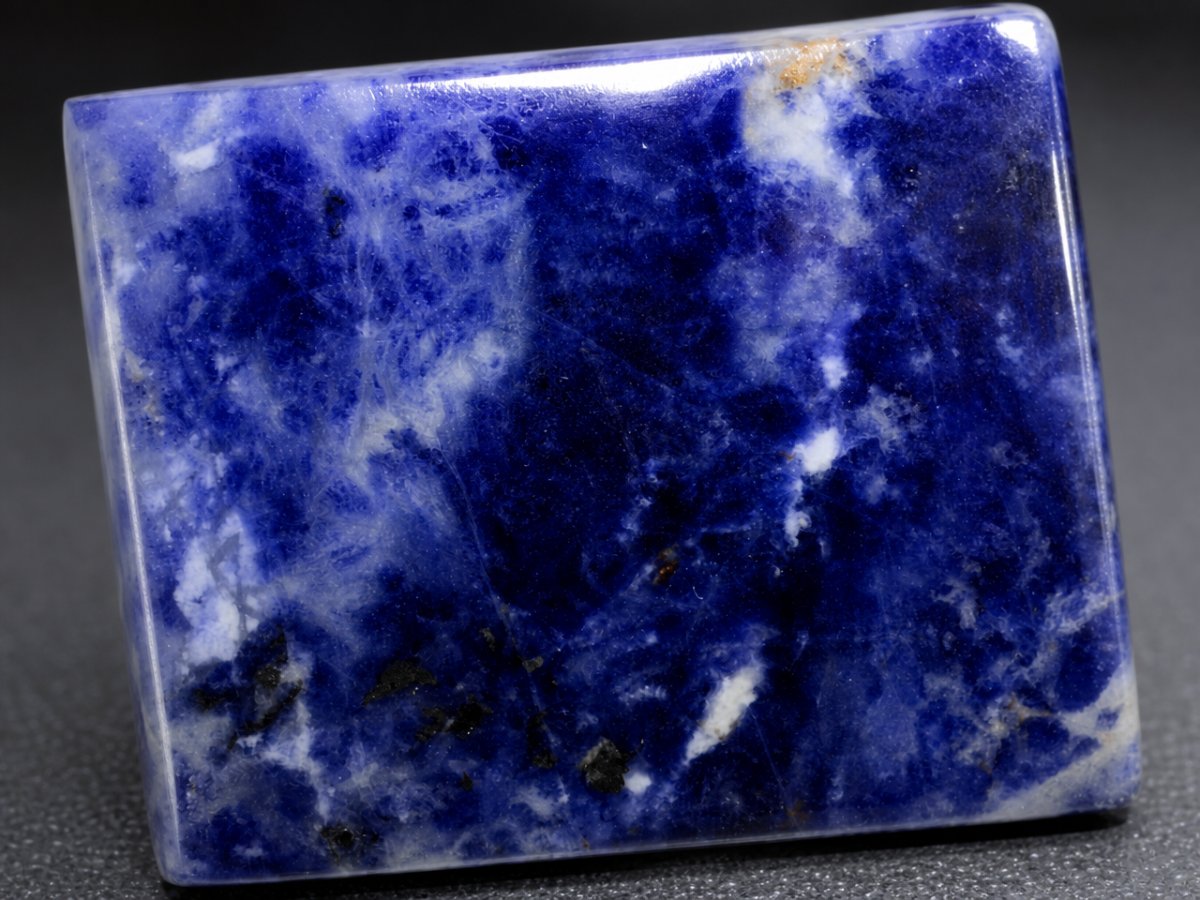
Sodalite is a feldspathoid mineral used as a gemstone and ornamental material. Its most recognized color is blue, often accompanied by grayish, white or violet tones. Less commonly, sodalite may also occur in yellow, colorless or white material.
Because blue is its strongest visual identity, sodalite is often compared emotionally with other blue gems: people tend to associate it with stillness, depth and mental quiet. That symbolism comes largely from its appearance and from modern gemstone culture rather than from a long-established ceremonial record.
Sodalite Meaning and Symbolism
In contemporary gemstone traditions, sodalite is commonly chosen to represent clear thinking, calm communication and inner order. These symbolic meanings are not measurable gemological properties; they are ways people interpret the stone's color, pattern and presence.
The blue tones of sodalite give it a composed and balanced character. For some wearers, this makes it a meaningful stone for moments of reflection, study, writing or decision-making. For others, sodalite simply represents sincerity and understated confidence because it is attractive without looking overly formal or showy.
Sodalite's natural appearance also contributes to its meaning. Much sodalite in the gem market is valued in an untreated form, which can make it appealing to collectors and jewelry lovers who prefer gemstones that feel direct and unaltered. In symbolic terms, this natural quality is often interpreted as honesty, simplicity and authenticity.
The Significance of Sodalite's Blue Color
Color has always played an important role in gemstone meaning. Blue gems are widely associated with calmness, contemplation, loyalty and depth, and sodalite fits naturally into that broader symbolic language. Its blue may be strong and rich, or softened by gray, white or violet areas that give each piece an individual character.
The occasional presence of white or gray areas can make sodalite look clouded, patterned or painterly. Rather than reducing its symbolic appeal, this variation often adds to its personality. Many people see sodalite as a stone that represents thoughtful balance: not a gem of sharp sparkle, but one of quiet visual depth.
Historical and Cultural Background
Sodalite's historical significance is more closely connected with mineral collecting, decorative use and modern gemstone appreciation than with ancient royal legends or formal religious traditions. It is not one of the gemstones most strongly associated with ancient ceremonial records, so claims of very old symbolic use should be treated cautiously unless well documented.
Its modern cultural story is supported by its important sources. Canada and Namibia are especially significant origins for sodalite, and material is also associated with Brazil, Afghanistan, Australia and Russia. For collectors, these origins can add interest because locality often influences the look and availability of gem material.
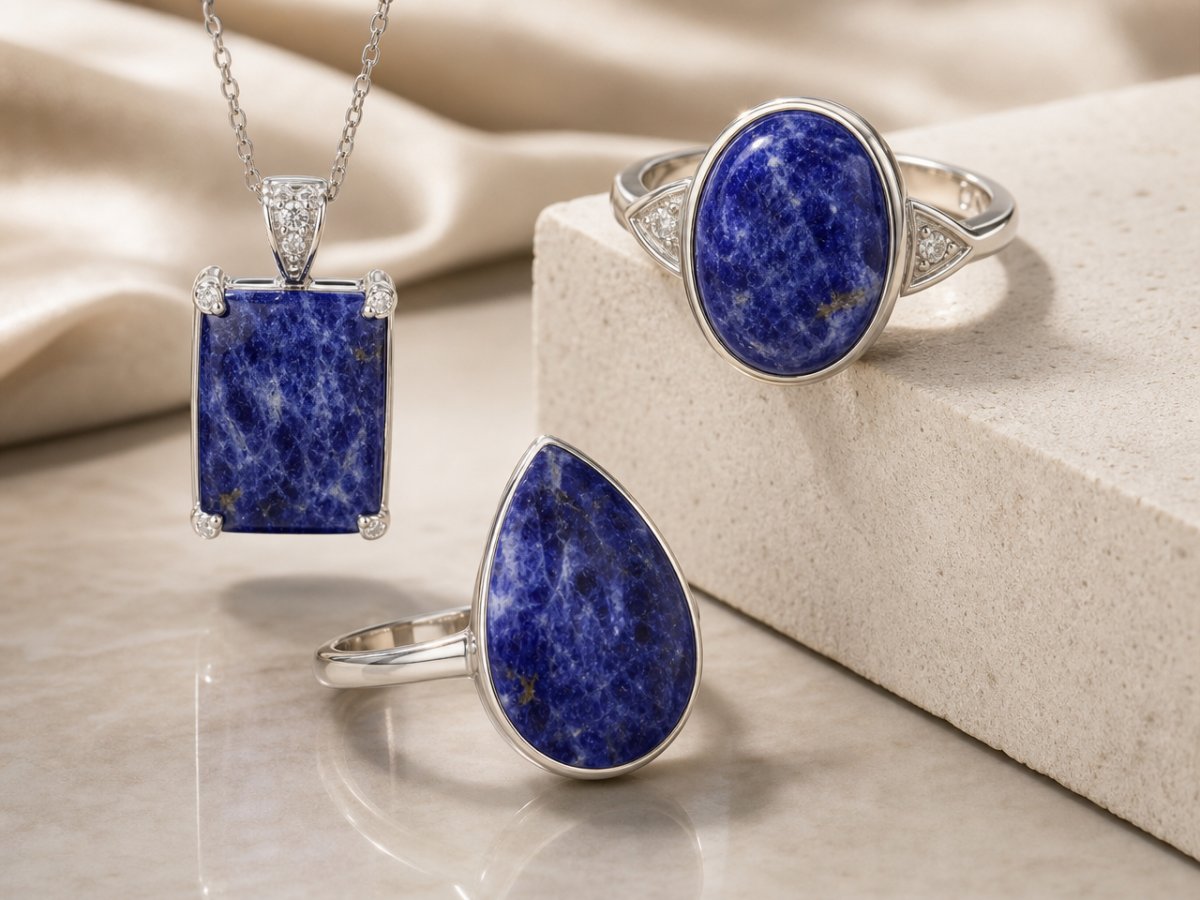
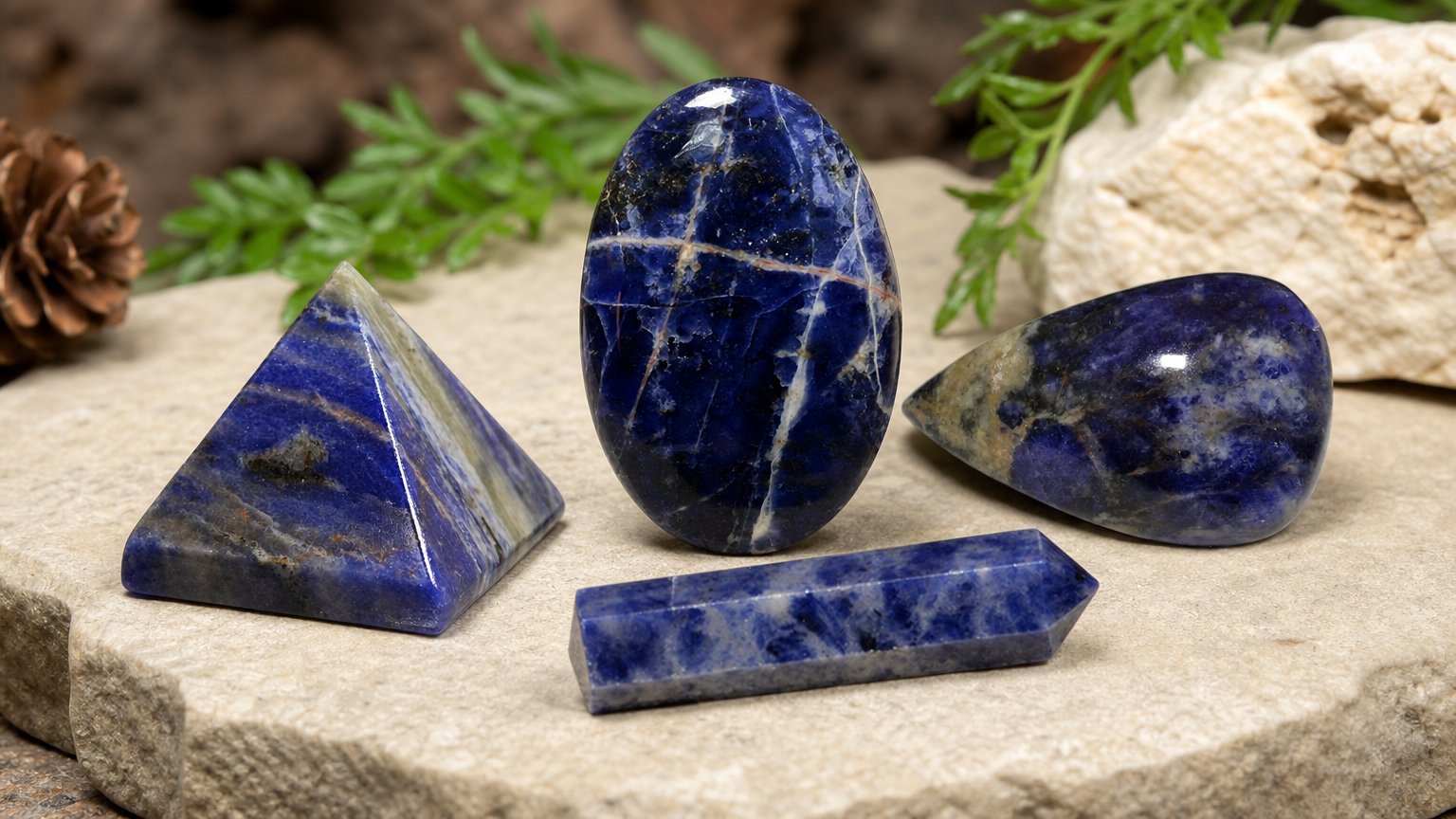
In the contemporary gem world, sodalite is valued as an accessible blue gemstone with a distinctive identity. It is often shaped into cabochons, beads, pendants and decorative forms, allowing its color and pattern to be appreciated across a broad surface. While jewelry use is not the main focus of its meaning, the way sodalite is worn today helps explain why its symbolism remains personal and modern.
Traditional Associations and Modern Belief
Sodalite's best-known meanings today come from modern crystal and gemstone traditions. It is often regarded as a stone connected with reason, calm speech and emotional steadiness. These associations should be understood as symbolic language: they describe how people relate to the stone, not proven effects.
For jewelry wearers, sodalite may serve as a personal reminder to think clearly, speak honestly or remain composed. For collectors, its meaning may be more visual and geological: a blue feldspathoid gemstone with recognizable character and respected sources. Both interpretations are valid ways people connect with gemstones, as long as symbolism is kept separate from factual claims.
Is Sodalite a Birthstone, Zodiac Stone or Anniversary Gem?
Sodalite is not one of the major modern birthstones or widely recognized anniversary gemstones. It is more commonly chosen for personal meaning, color preference or symbolic association than for an official calendar or anniversary tradition.
This makes sodalite flexible as a gift. Rather than being tied to a specific month or milestone, it can be selected for someone who appreciates blue gems, natural-looking stones or symbolism connected with calmness and thoughtful expression.
Sodalite in Modern Gemstone Culture
Today, sodalite appeals to gemstone enthusiasts who want a blue stone with personality rather than high brilliance. Its meaning is closely tied to its visual character: steady color, natural patterning and a grounded, understated look.
At GemSelect, sodalite is best understood as a gemstone with both decorative and symbolic appeal. It may not carry the long mythological history of some ancient gems, but its modern meaning is clear: a stone associated with calm presence, honest expression and reflective thought.
Conclusion
Sodalite's meaning is largely modern, personal and color-based. Its blue appearance has made it a natural symbol of calm, clarity and thoughtful communication, while its natural character gives it an added sense of authenticity. Historically, its importance lies less in ancient legend and more in its role as a distinctive gemstone material from notable sources such as Canada and Namibia.
For buyers, collectors and gemstone enthusiasts, sodalite is meaningful because it combines visual depth with approachable symbolism. It is a gem for those who value quiet beauty, natural variation and personal interpretation.