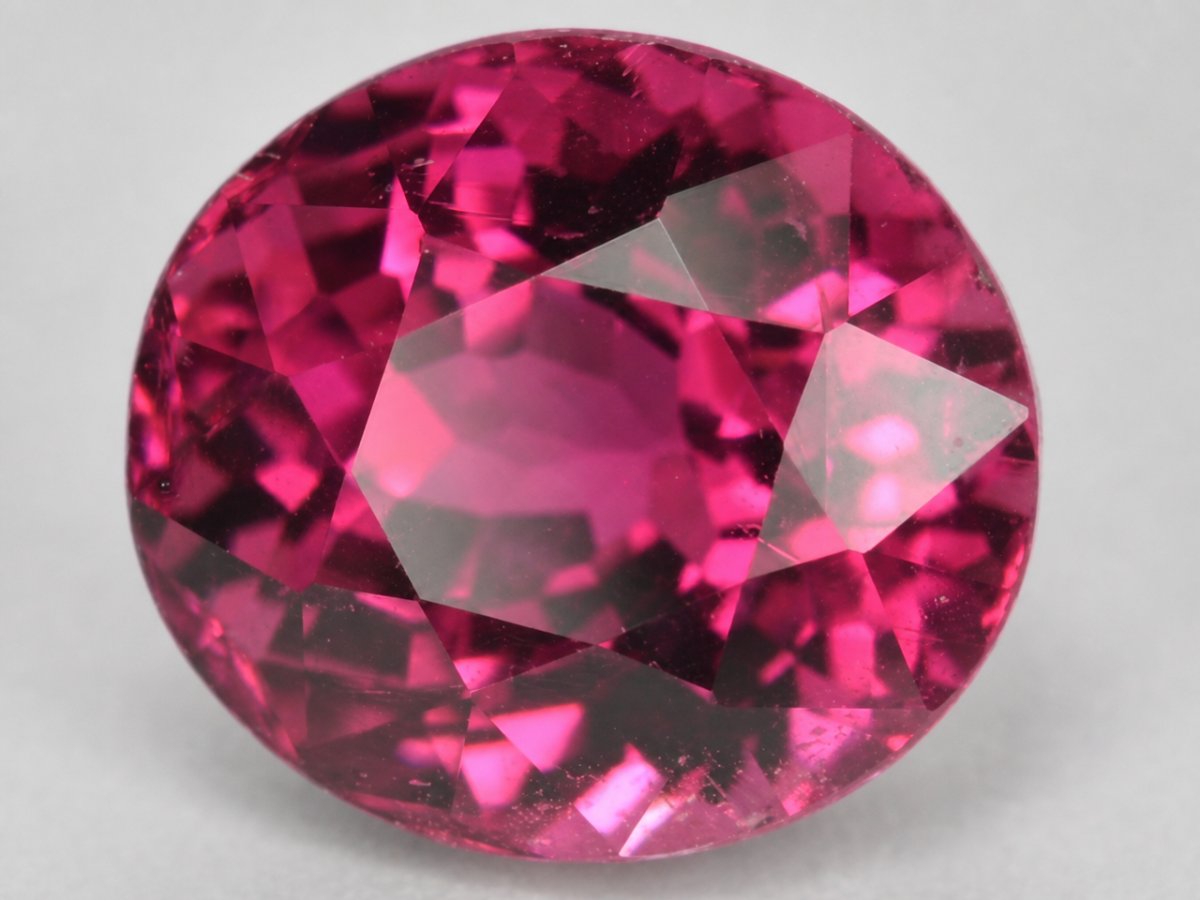


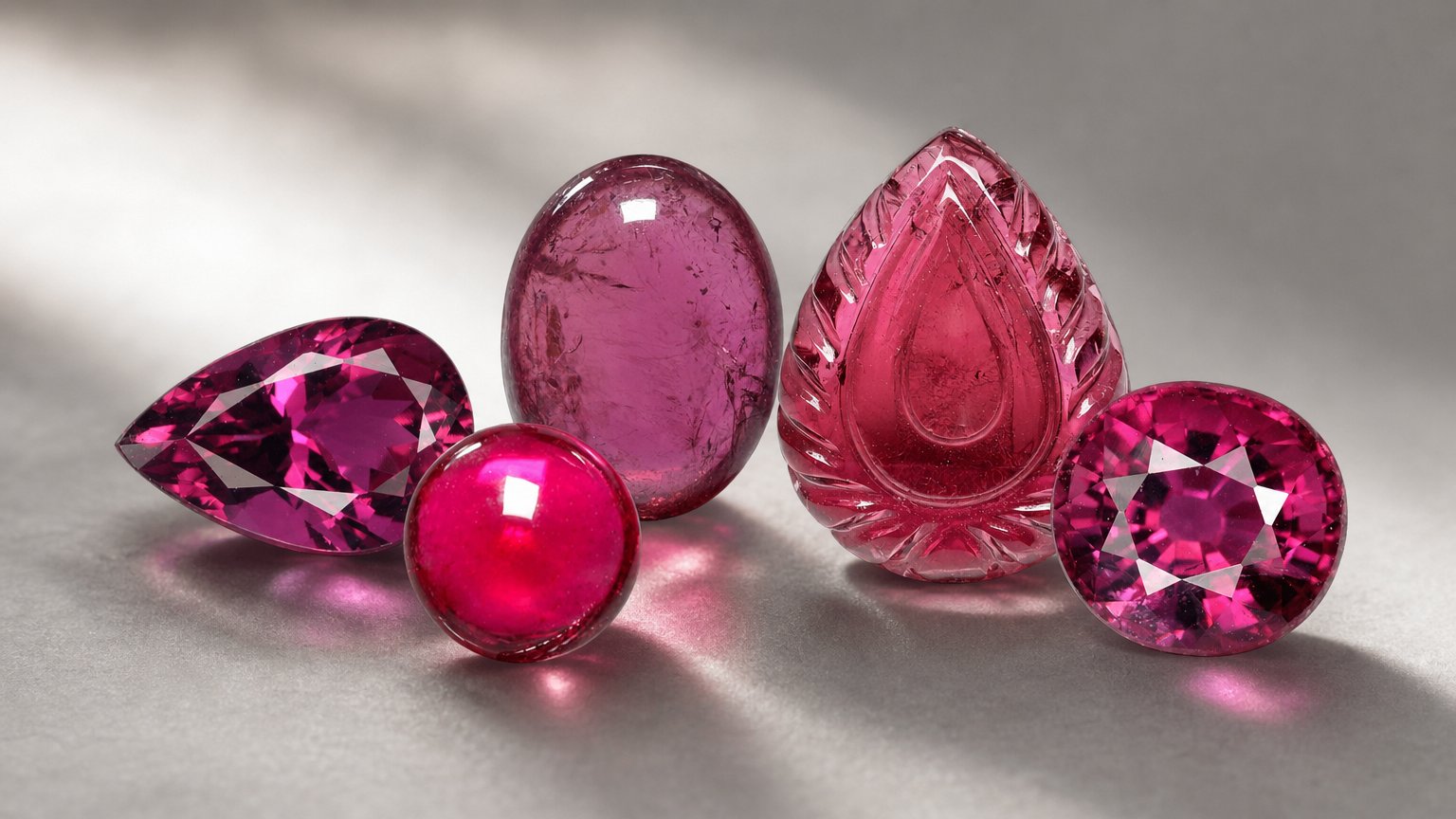
Rubellite tourmaline is the red to purple variety of tourmaline most closely associated with rich, expressive color. Its appeal is not only visual: for many gemstone buyers and collectors, rubellite represents affection, passion, individuality and emotional warmth. These meanings are largely modern and symbolic, rooted in the gemstone's vivid color and its place within the wider tourmaline family.
Unlike gems with long documented roles in ancient royal or religious traditions, rubellite tourmaline is best understood through its mineral identity, color symbolism, important sources and contemporary birthstone association. This guide focuses on the meaning, history and cultural significance of rubellite while clearly separating tradition and folklore from documented fact.
What Is Rubellite Tourmaline?
Rubellite is a variety of tourmaline belonging to the elbaite mineral species. It is known for red and purple hues, with the most recognizable rubellite colors falling in the red, purplish red and pinkish-red range. Because of this color identity, rubellite is often compared symbolically with gems that have long represented love, vitality and strong emotion.
Tourmaline is a gem family known for its broad color range, and rubellite occupies one of its most emotionally expressive color categories. In jewelry and collecting, it is appreciated as a distinct tourmaline variety rather than simply a generic red gemstone.
Rubellite Tourmaline Meaning and Symbolism
The traditional and modern symbolism of rubellite is strongly connected to its color. Red gemstones have commonly been associated with love, passion, courage and life energy, while purple tones are often linked with creativity, dignity and individuality. Rubellite combines these impressions, giving it a meaning that feels both romantic and personal.
In modern gemstone symbolism, rubellite is often regarded as a stone of heartfelt expression. It is commonly chosen to represent deep affection, emotional honesty and confidence in one's feelings. These associations are symbolic and cultural rather than scientific, but they help explain why rubellite has become popular for meaningful personal jewelry and gifts.
Love, Passion and Emotional Warmth
Because rubellite's defining colors are red and purple, many people connect it with love and emotional intensity. Red has long carried associations with the heart, devotion and passion across many cultures. Rubellite's red tones make it a natural choice for people who want a gemstone with romantic or emotionally expressive meaning.
Individuality and Creative Expression
Rubellite also carries a sense of individuality. Tourmaline as a gemstone family is admired for color diversity, and rubellite's saturated red-purple appearance gives it a distinctive personality. For collectors and jewelry lovers, it can symbolize choosing something expressive and less conventional than more familiar red gems.
Name and Identity
The name "rubellite" is used for red to purplish-red tourmaline. Its identity is closely tied to ruby-like color, although rubellite and ruby are completely different gemstones. This distinction is important historically and culturally because the name reflects visual resemblance, not mineral relationship.
As part of the tourmaline group, rubellite shares its broader identity with one of the most color-diverse gemstone families. Its specific meaning, however, comes from its red and purple appearance and its recognition as a prized color variety of elbaite tourmaline.
Historical Background and Important Sources
Rubellite tourmaline's historical importance is closely connected to gemstone discovery, mining and the growth of the modern colored stone market. Important sources include Brazil, Mozambique, Nigeria, Afghanistan and Madagascar. Brazil is especially significant among known origins for rubellite tourmaline, while African and Asian sources have also contributed to the gemstone's availability and reputation.
Rather than being defined by a single ancient civilization or one famous historical object, rubellite's story is part of the broader appreciation of colored gemstones. As collectors and jewelers increasingly valued distinctive color varieties within tourmaline, rubellite gained recognition for its red and purple tones.
Today, origin can add interest for collectors, but rubellite's symbolic appeal is mainly based on its color, identity and personal meaning rather than one specific cultural tradition.
October Birthstone Association
Tourmaline is associated with October, and rubellite shares in that birthstone tradition as a variety of tourmaline. For people born in October, rubellite offers a deeply colored alternative within the tourmaline family, especially for those who prefer red or purple gemstones.
As an October birthstone choice, rubellite can symbolize affection, individuality and emotional strength. These meanings are modern interpretations rather than fixed historical rules, but they make rubellite a thoughtful gemstone for birthday jewelry and personal keepsakes.
Folklore and Modern Crystal Traditions
In modern crystal and gemstone traditions, rubellite is often associated with the heart, love, compassion and emotional balance. These ideas should be understood as belief-based and symbolic, not as medical or scientific claims.
For many enthusiasts, the value of these associations lies in personal reflection. A rubellite gemstone may serve as a reminder of love, courage, openness or creative self-expression. Its meaning is often personal, shaped by the wearer's own experiences and intentions.
Rubellite Tourmaline in Modern Culture
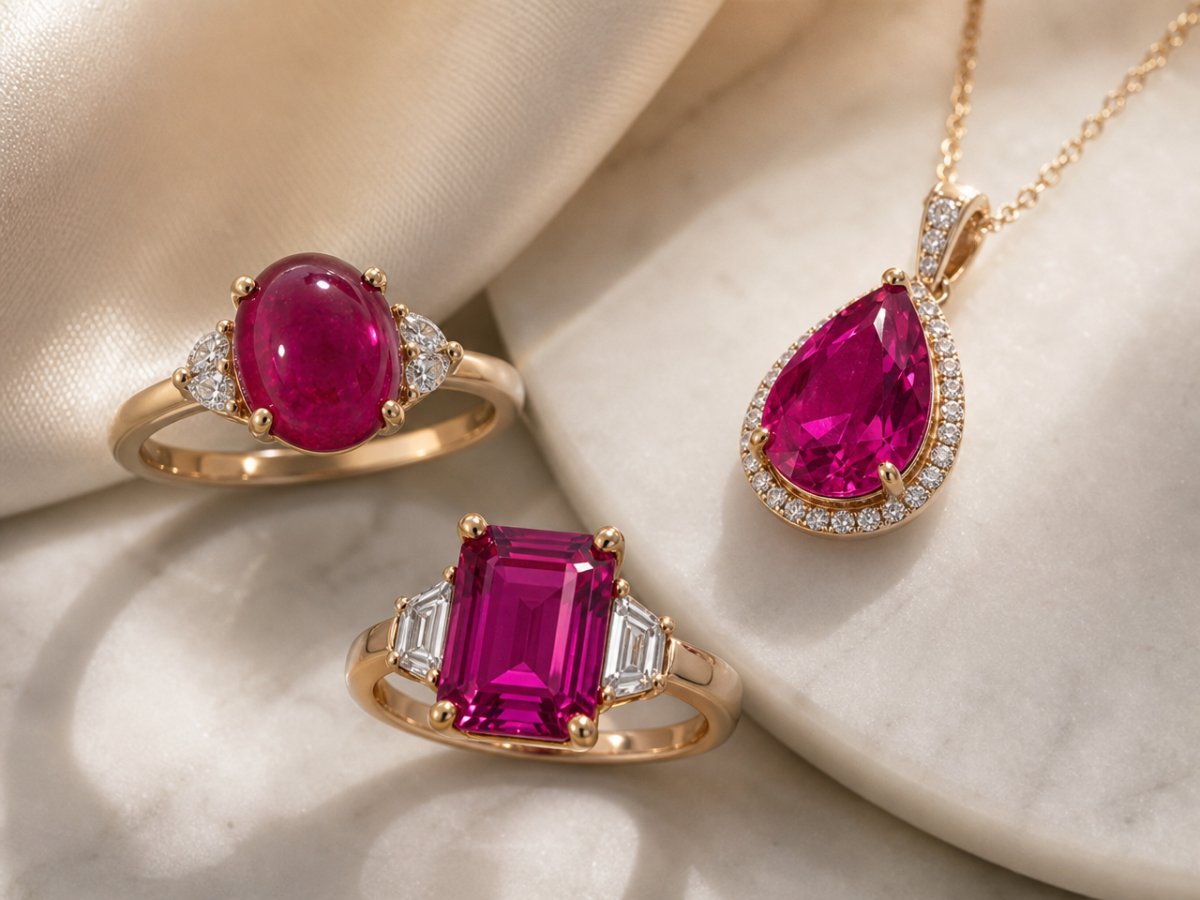
Rubellite is admired today by gemstone buyers, collectors and jewelry designers for its vivid color and expressive symbolism. It is commonly seen in rings, earrings, pendants and necklaces, where its red and purple tones can feel romantic, confident or artistic depending on the design.
At GemSelect, rubellite tourmaline is valued as a meaningful colored gemstone for people who want more than beauty alone. Its combination of rich color, tourmaline identity and October birthstone association makes it appealing for personal jewelry, collector stones and symbolic gifts.
Conclusion
Rubellite tourmaline's meaning is centered on color, emotion and individuality. As a red to purple variety of elbaite tourmaline, it carries modern associations with love, passion, creativity and heartfelt expression. Its history is tied to important sources such as Brazil, Mozambique, Nigeria, Afghanistan and Madagascar, and its cultural role is strengthened by tourmaline's October birthstone connection.
While many symbolic meanings come from modern tradition and personal interpretation, rubellite remains one of the most expressive gemstones in the tourmaline family: vibrant, distinctive and rich with emotional significance.