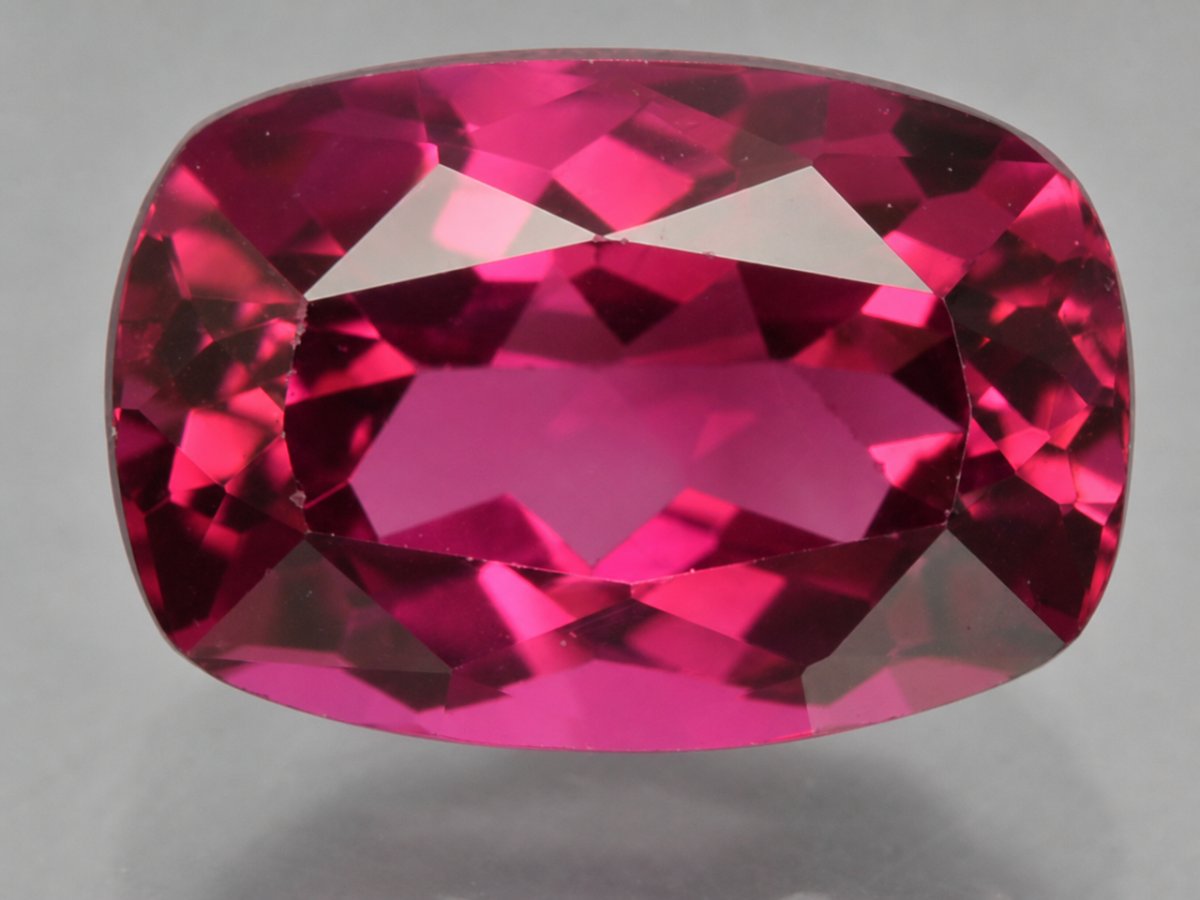


Rubellite tourmaline is a vivid red to purple variety of tourmaline valued by buyers who want expressive color, attractive cutting options and a gem that works well in many jewelry designs. For shoppers, the most important decision is not simply choosing the largest stone or the darkest color. A good purchase comes from understanding how color, clarity, cut, origin, treatment status and intended jewelry use work together.
This buying guide explains what to look for before purchasing rubellite tourmaline, with practical advice for gemstone buyers, jewelers, collectors and jewelry designers. Whether you are choosing a single gem for a ring, matching stones for earrings, or selecting a pendant stone, the goal is to help you compare options clearly and confidently.
What Is Rubellite Tourmaline?
Rubellite tourmaline is a variety of tourmaline associated with the mineral species elbaite. Within the broad tourmaline family, rubellite is known for its red and purple color range. These colors are central to its identity and are usually the first feature buyers notice when comparing stones.
Because tourmaline occurs in many colors, the name rubellite is useful for buyers because it focuses attention on red to purplish tourmaline rather than the wider tourmaline category. When shopping, it is still important to read the listing carefully. A stone should be described clearly as rubellite tourmaline or red/purple tourmaline, and the product details should give information about measurements, weight, cut style, treatment status and origin when available.
Color and Appearance: The Main Buying Factor
Color is the most important visual feature for most rubellite tourmaline buyers. The known color range centers on red and purple, and individual stones may lean more strongly toward one side of that range. Some buyers prefer a rich red appearance, while others are drawn to purplish red or purple tones. The best choice depends on personal preference and how the gem will be used in jewelry.
Red Rubellite Tourmaline
Red rubellite tourmaline can create a bold look, especially in rings and pendants where a single stone is the visual focus. When comparing red stones, look at the balance of color across the face of the gem. A pleasing stone should show attractive color when viewed from the top, not only from the side or under one lighting condition.
Purple and Purplish Rubellite Tourmaline
Purple and purplish rubellite tourmaline offers a slightly different character. These stones can appear elegant and distinctive, particularly in earrings, pendants and modern jewelry designs. If you are choosing purple-toned stones for a pair or set, compare them side by side when possible. Even small differences in tone can be visible in matched jewelry.
Viewing Color in Practical Conditions
When buying online, use all available images and descriptions. Look for photographs that show the gem face-up, and check whether the color appears even or strongly zoned. Color in gemstones can look different under daylight, office lighting and warm indoor light, so a practical buyer should consider whether the stone’s appearance suits the environments in which the jewelry will be worn.
Clarity and Transparency
Clarity refers to the presence or absence of internal features, commonly called inclusions, and surface-reaching features. For buyers, clarity matters because it affects transparency, brilliance and overall appearance. A very transparent faceted rubellite tourmaline can look lively and bright, while a stone with more visible internal features may have a softer or more included appearance.
Inclusions are not always a reason to reject a gem. The key question is whether they distract from the beauty of the stone or affect how it can be used. For a ring, where the gem may receive more wear, surface-reaching features or obvious fractures should be considered carefully. For earrings or a pendant, minor inclusions may be less noticeable once the stone is set and worn.
A practical approach is to decide what matters most: a clean, transparent appearance; a larger size; a particular red or purple color; or a distinctive cabochon look. In many gemstone purchases, buyers balance these factors rather than judging clarity alone.
Cut Styles and Shapes
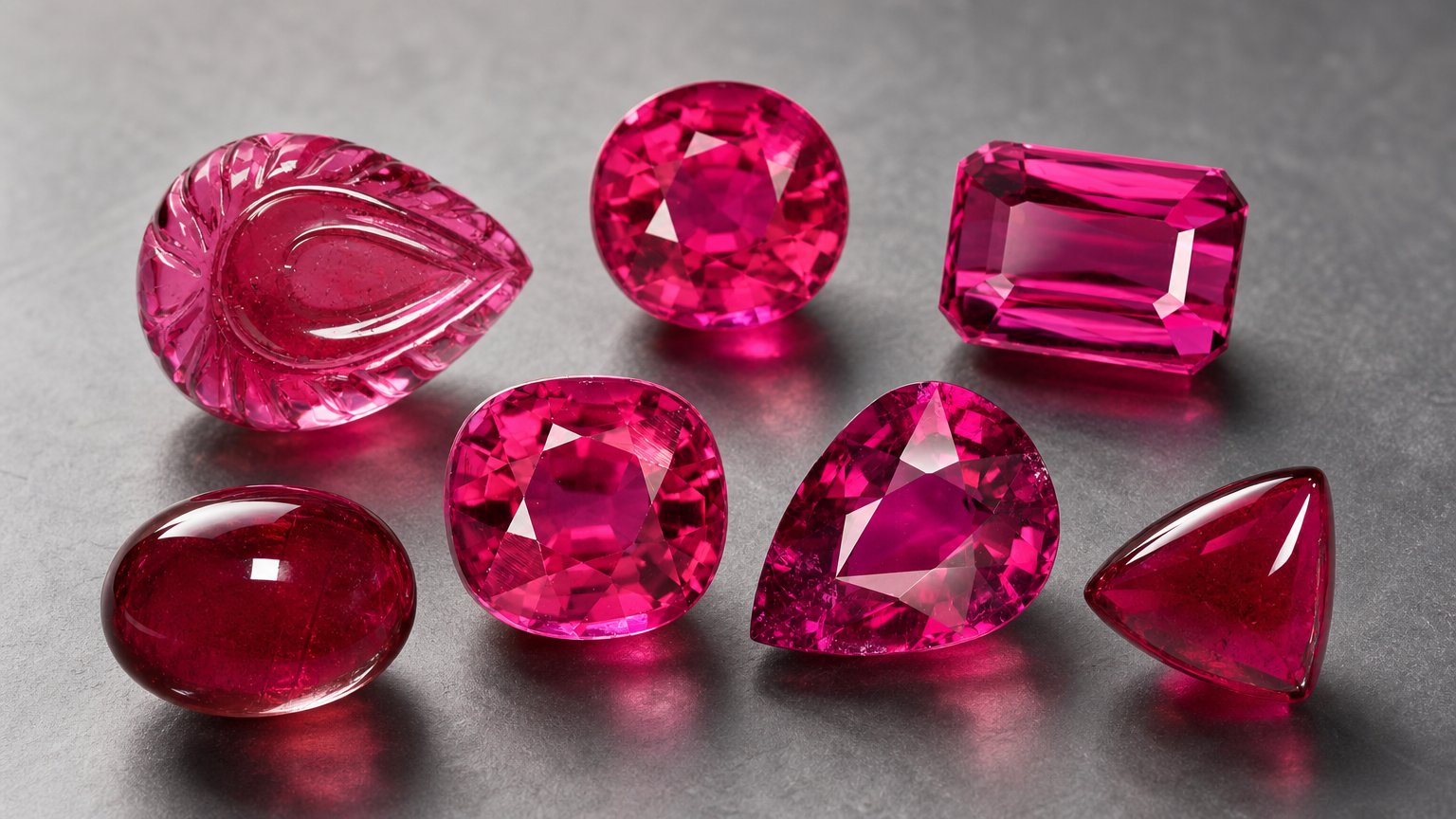
Rubellite tourmaline is commonly available as faceted gemstones and also as cabochons. Faceted stones are especially popular because facets can enhance brilliance and show the red to purple color with liveliness. Cabochons have a smooth, polished surface and can be appealing when the buyer wants a softer, more sculptural appearance.
Faceted Rubellite Tourmaline
Faceted rubellite tourmaline is a strong choice for rings, pendants and earrings. When evaluating a faceted stone, look for good symmetry, an attractive outline and a pleasing face-up appearance. A well-cut stone should not appear lifeless or overly dark in the center. If the stone has a window, meaning a pale or see-through area in the middle, it may not display color as richly as a better-proportioned gem.
Common shapes include oval and pear, both of which are frequently seen and versatile in jewelry. Cushion and round shapes are also popular choices, while octagon shapes can give a more structured, geometric look. Shape affects not only appearance but also setting design, so it is worth choosing a shape that suits the finished piece.
Cabochon Rubellite Tourmaline
Cabochon-cut rubellite tourmaline can be attractive for buyers who prefer smooth surfaces and a less sparkly, more color-focused style. Cabochons are often selected for distinctive jewelry designs where the outline, color and surface polish are more important than brilliance. When choosing a cabochon, examine the evenness of the dome, surface polish and how the color presents across the top.
Size and Measurements
Gemstone buyers often focus on carat weight, but measurements are just as important. Two stones of the same weight can look different in size depending on their depth and shape. For jewelry design, millimeter dimensions help determine whether the gem will fit a standard setting or require a custom design.
For rings, the face-up size should suit the wearer’s hand and the intended setting. For earrings, weight and dimensions matter for comfort and visual balance. For pendants and necklaces, larger or elongated shapes such as pear or oval can create a strong focal point without needing a complicated design.
If you are replacing a stone in an existing setting, measurements are more important than carat weight. Always compare length, width and depth before purchasing.
Origins of Rubellite Tourmaline
Rubellite tourmaline is associated with several important origins. Brazil is a major name connected with this gemstone, and rubellite tourmaline is also known from Mozambique and Nigeria. Afghanistan and Madagascar are additional origins that may appear in the market.
Origin can be interesting to collectors and may be relevant when a buyer wants a gem from a particular source. However, origin should not be the only factor in a purchase. For most jewelry buyers, the visible quality of the gem is more important: color, clarity, cut, size and treatment status should guide the decision first. A beautiful stone from one origin may be more suitable than a less attractive stone from a more familiar source.
When origin is important to you, check whether it is stated in the product information. If origin is not listed, evaluate the gem on its visible characteristics and documented treatment status instead of making assumptions.
Treatments and Disclosure
The verified treatment status for rubellite tourmaline in this guide is untreated. For buyers, treatment disclosure is an essential part of gemstone purchasing because treatments can affect care, value perception and buyer confidence.
An untreated stone has not been enhanced by treatment according to the seller’s disclosure. When purchasing, review the product details carefully and keep any invoice or gem report provided with the stone. If you are buying for a client, a custom jewelry project or a collection, clear documentation helps maintain transparency.
GemSelect lists treatment information on gemstone product pages where applicable, which helps buyers compare stones with more confidence. If treatment status is a priority for your purchase, make it part of your checklist before considering design or setting options.
Durability and Everyday Wear
Durability is an important consideration for any gemstone used in jewelry. A gem set in a ring is exposed to more knocks and contact than a gem set in earrings or a pendant. For rubellite tourmaline rings, choose a secure setting and consider designs that protect the edges and points of the stone, especially for pear shapes or elongated cuts.
Good jewelry practice matters. Remove gemstone rings before heavy work, exercise, gardening or activities where the stone may be struck. Store rubellite tourmaline jewelry separately from harder or rougher items to help avoid scratches and abrasion. Clean gently using methods appropriate for gemstone jewelry and avoid harsh handling.
For earrings, pendants and necklaces, rubellite tourmaline can be easier to protect because these pieces usually receive less impact during normal wear. This makes them practical choices for buyers who want visible color with lower exposure to daily knocks.
Jewelry Uses
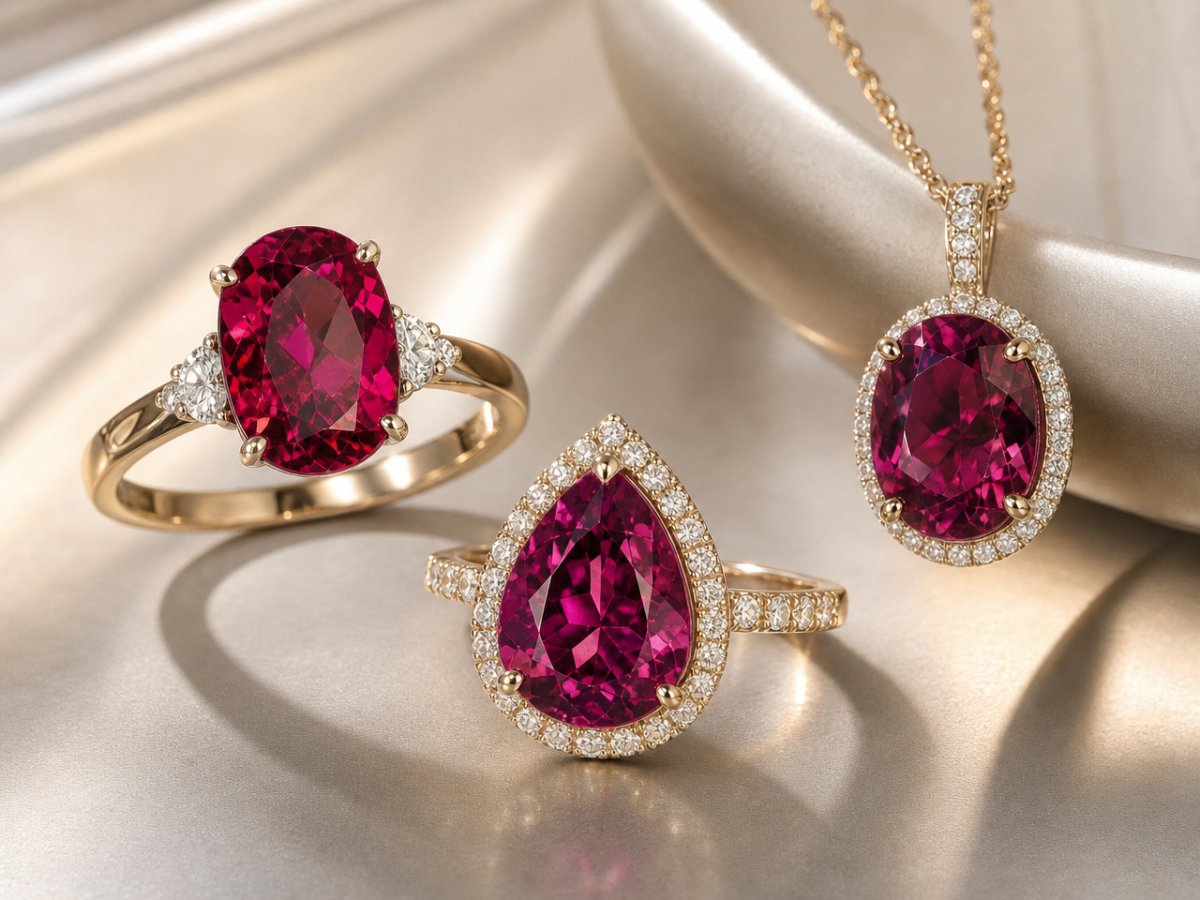
Rubellite tourmaline is especially suited to rings when the buyer wants a colored gemstone centerpiece. Its red and purple tones can create a strong visual statement in solitaire rings, accent-stone designs or custom settings. The setting should match the cut: ovals and cushions are versatile, pear shapes benefit from protection at the point, and round stones work well in classic designs.
Earrings are another excellent use, particularly for matched pairs. When selecting rubellite tourmaline for earrings, prioritize similar color, shape and size. Exact matches can be difficult with natural colored gemstones, so a harmonious pair is usually more realistic than a perfectly identical one.
Pendants and necklaces give the gem more room to show color. Pear and oval rubellite tourmalines are especially effective as pendant stones because their outlines naturally draw the eye. Necklace designs may use a single focal stone or combine several gems, depending on the desired style.
How to Buy Rubellite Tourmaline: A Practical Checklist
1. Start With Color Preference
Decide whether you prefer red, purple or a balance between the two. This will narrow your choices quickly and make comparison easier. Color preference is personal, so choose the stone that looks most appealing to you rather than chasing a description alone.
2. Compare Clarity With the Intended Use
For a ring or high-visibility pendant, you may want a more transparent and visually clean stone. For earrings or a cabochon design, minor inclusions may be less important if the color and shape are attractive.
3. Evaluate the Cut
Look for a pleasing outline, good symmetry and an attractive face-up appearance. Faceted stones should display color and light well. Cabochons should have a smooth polish and well-shaped dome.
4. Check Dimensions, Not Only Carat Weight
Measurements determine how the gem will look and fit in jewelry. This is especially important for designers, jewelers and anyone replacing a stone in an existing setting.
5. Review Treatment Information
Because untreated rubellite tourmaline is an important buying consideration, confirm the stated treatment status before purchase. Keep documentation for future reference.
6. Consider Origin, But Do Not Let It Override Beauty
Brazil, Mozambique, Nigeria, Afghanistan and Madagascar are known origins for rubellite tourmaline. Origin may add interest, but the best choice for most buyers is the gem with the best combination of color, clarity, cut and suitability for the intended jewelry.
7. Match the Stone to the Jewelry Design
A ring stone should be secure and practical. Earrings should be comfortable and well matched. A pendant or necklace stone can be chosen for dramatic color and shape. Thinking about the final jewelry piece before buying helps prevent costly design compromises later.
Common Buying Mistakes to Avoid
One common mistake is buying only by carat weight. A heavier stone may be deeper and not necessarily look larger from the top. Another mistake is ignoring the cut; even attractive color can look less appealing if the stone is poorly proportioned or lifeless.
Buyers should also avoid assuming that origin alone determines quality. A rubellite tourmaline should be judged by its individual appearance and disclosed information. Finally, do not overlook treatment status. Clear disclosure is part of a confident purchase, especially for collectors and customers commissioning fine jewelry.
Conclusion
Rubellite tourmaline is a compelling choice for buyers who appreciate red and purple gemstones with strong jewelry potential. The best purchase begins with color, then considers clarity, cut, dimensions, treatment status, origin and the intended setting. Faceted stones are especially popular, while cabochons offer a smooth, color-focused alternative. Ovals and pears are particularly versatile, with cushions, rounds and octagons adding further design options.
By comparing stones carefully and focusing on the features that matter for your project, you can choose rubellite tourmaline with confidence. For buyers browsing GemSelect, review each gemstone’s photos, measurements and disclosed treatment information to find the stone that best fits your style, design and budget.