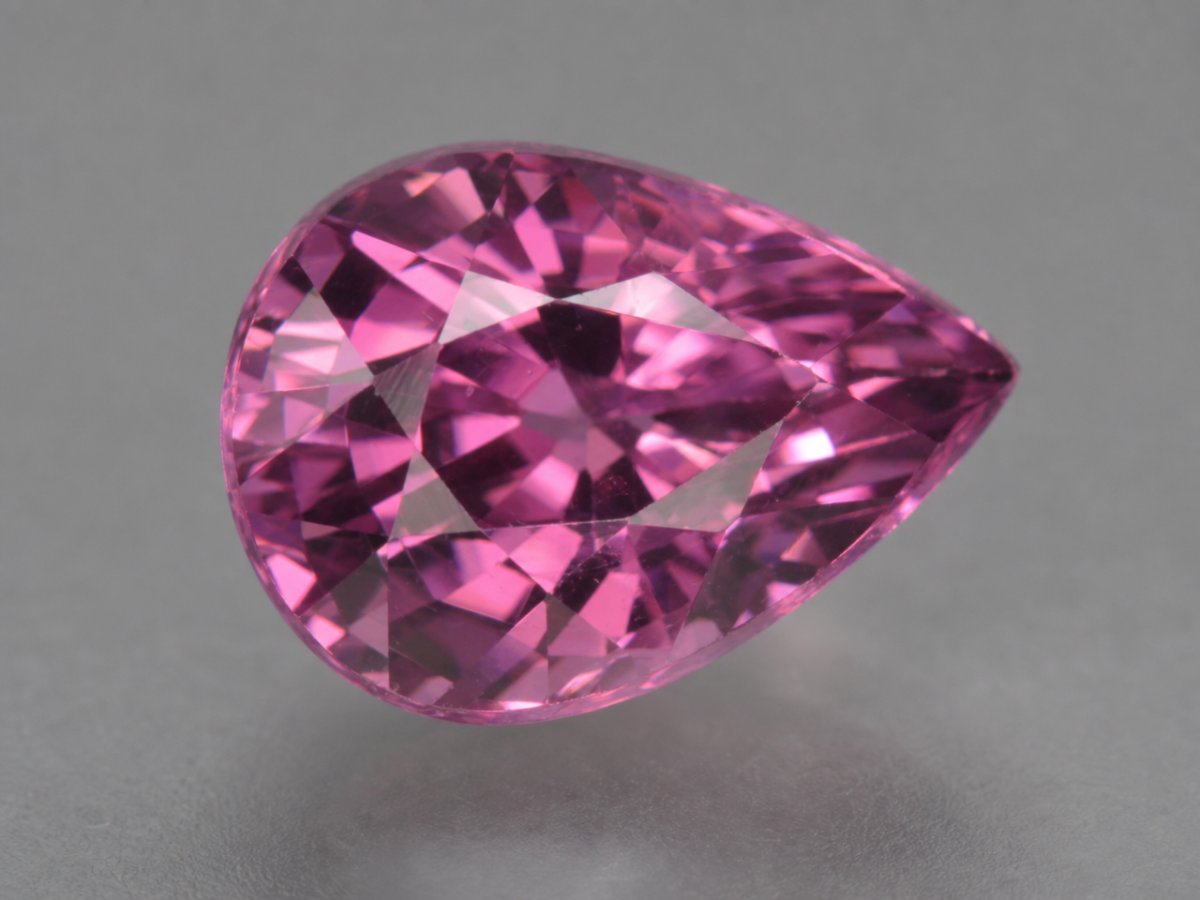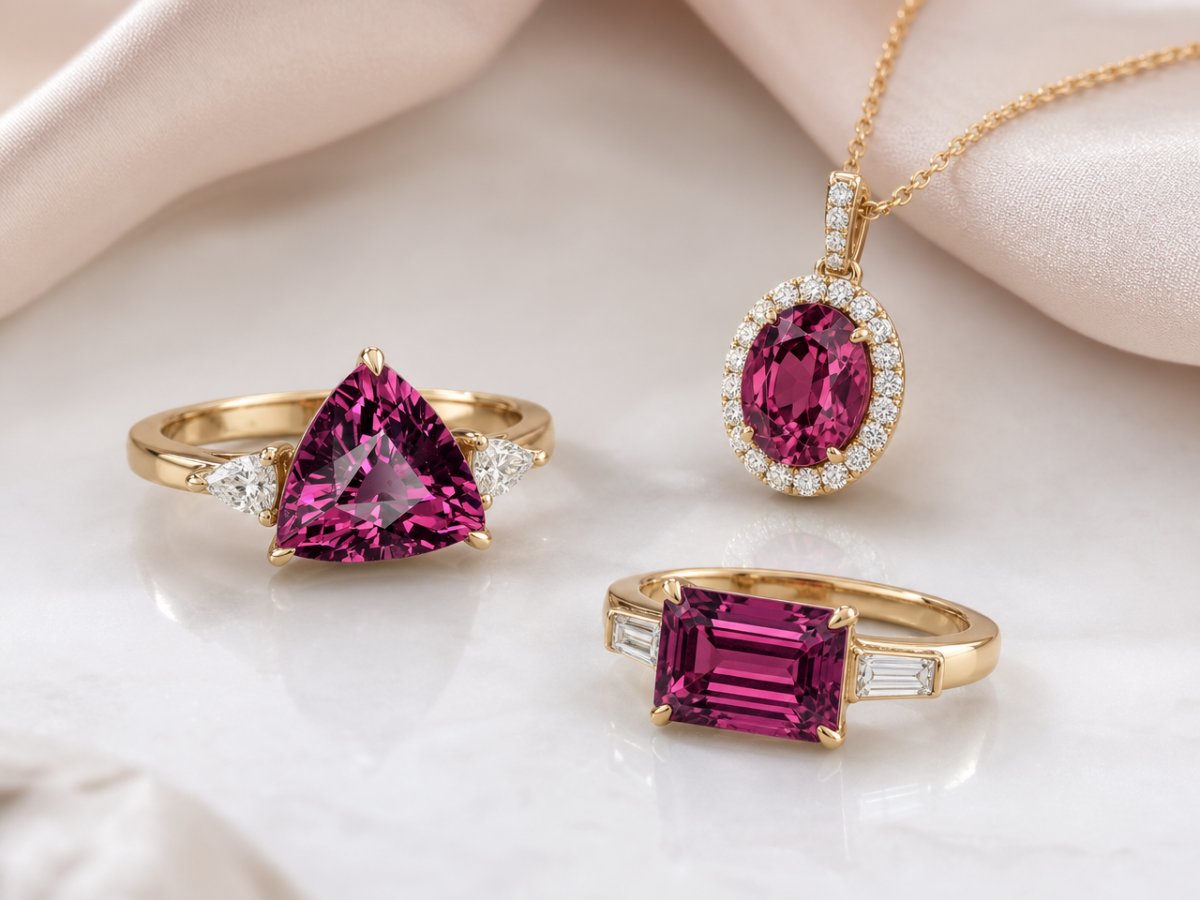


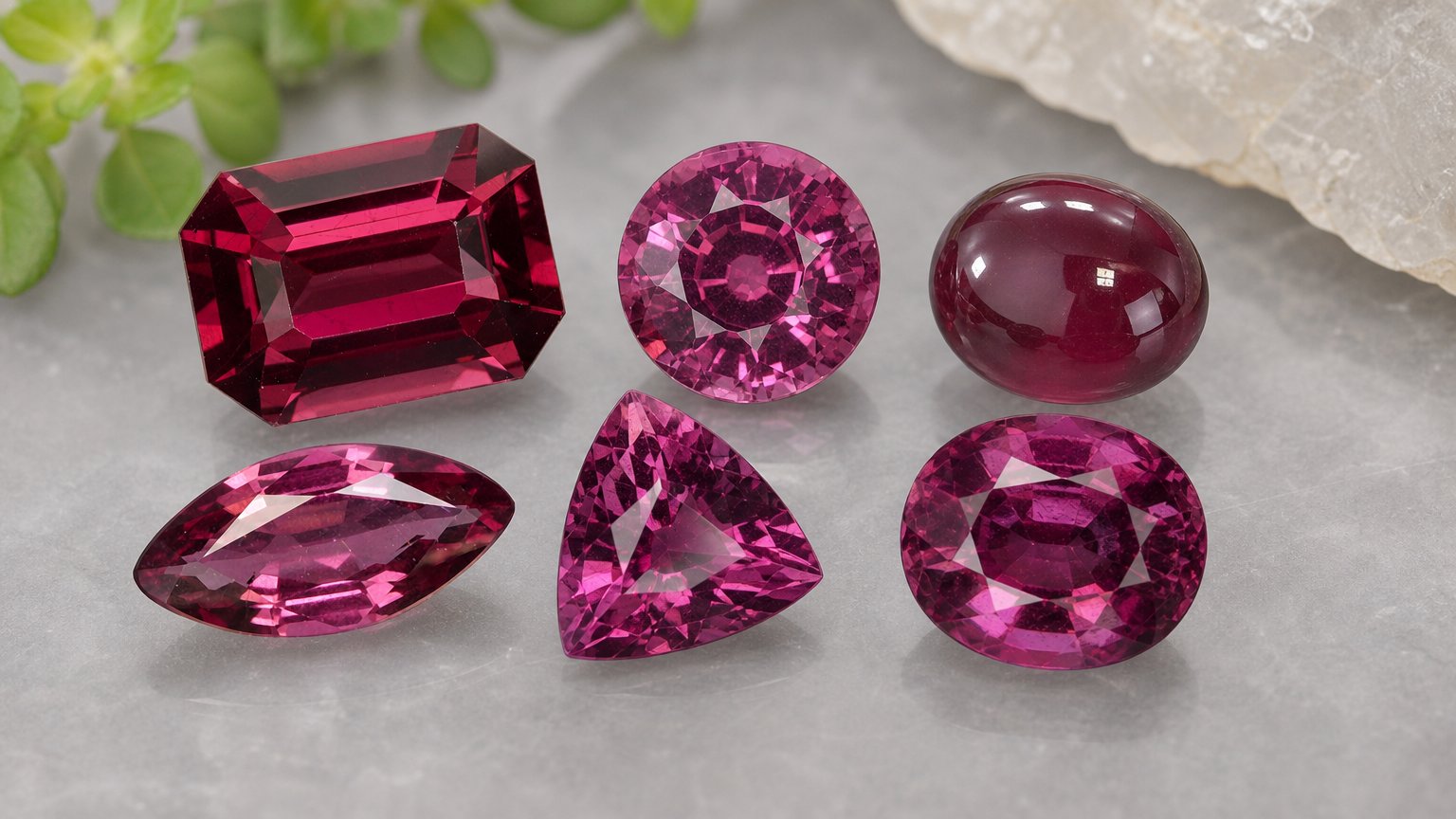
Rhodolite garnet is valued for its inviting pink, purple and red tones, which give it a softer and often more romantic character than many darker red garnets. As a variety of garnet associated with both pyrope and almandine, rhodolite carries the broader symbolic heritage of the garnet family while also having its own modern identity based on color, brightness and elegance.
This guide focuses on rhodolite garnet meaning, symbolism and cultural context. It distinguishes traditional associations from modern interpretations, especially where rhodolite is discussed as part of the wider garnet tradition.
What Does Rhodolite Garnet Mean?
Rhodolite garnet is commonly associated with warmth, affection and emotional sincerity, largely because of its pink to purplish red appearance. These meanings are best understood as symbolic and traditional rather than scientific. The gem's color range naturally connects it with themes of love, friendship, confidence and personal expression.
Unlike some gemstones with long, clearly documented ceremonial histories under their own names, rhodolite is most often interpreted through its place within the garnet family. Its meaning is therefore a combination of garnet tradition, January birthstone symbolism and the emotional impression created by its distinctive color.
Rhodolite Within the Garnet Family
Rhodolite garnet is a variety of garnet associated with the almandine and pyrope garnet species. This connection matters symbolically because many people understand rhodolite through the broader identity of garnet: a gem family long admired for rich color, depth and expressive appeal.
For modern buyers and collectors, rhodolite often represents a more vivid and lively side of garnet. Its pink, purple and red hues give it a feeling of softness and individuality, while still retaining the classic garnet association with January and meaningful personal adornment.
Color Symbolism: Pink, Purple and Red
Color is central to rhodolite garnet meaning. Pink tones are often interpreted as gentle, affectionate and graceful. Purple tones can suggest creativity, refinement and individuality. Red tones traditionally evoke warmth, passion and vitality. Rhodolite may show one or more of these impressions, which is why its symbolism can feel both romantic and sophisticated.
These interpretations are cultural and emotional rather than fixed rules. A pinker rhodolite may be chosen for a tender or sentimental gift, while a stronger purplish red stone may appeal to someone who prefers a bolder, more expressive gemstone.
January Birthstone Significance
Garnet is the birthstone for January, and rhodolite garnet shares that association as a garnet variety. This makes rhodolite a meaningful option for January birthdays, especially for people who like garnet's traditional birthstone identity but prefer pinkish, purplish or brighter red tones.
Birthstone meaning is a tradition rather than a scientific property. In gift-giving, however, birthstones can add personal significance. Rhodolite's January connection makes it especially suitable for marking a birthday, personal milestone or family occasion linked to the first month of the year.
Origins and Modern Cultural Identity
Important rhodolite garnet sources include Mozambique, Sri Lanka, Tanzania, Brazil, India and Madagascar, with Mozambique especially prominent in the modern gem trade. These origins help shape rhodolite's contemporary identity as a gemstone appreciated by collectors, jewelers and jewelry designers around the world.
Because rhodolite is found in several gem-producing regions, its cultural significance today is less tied to one single ancient civilization and more connected to the international gemstone market. It is appreciated for its color, availability in attractive faceted forms and its place within the respected garnet family.
Traditional Beliefs and Modern Interpretations
In modern crystal and symbolic traditions, rhodolite garnet is sometimes associated with emotional balance, love, inspiration and self-confidence. These ideas should be understood as beliefs or personal interpretations, not proven medical or scientific effects.
For many gemstone enthusiasts, the most meaningful aspect of rhodolite is not a legend but the way it looks and feels: vibrant without being harsh, colorful without losing elegance, and personal enough to stand apart from more familiar red gemstones.
Rhodolite Garnet Today
Today, rhodolite garnet is admired as a meaningful gemstone for people who want color with emotional warmth. It is often seen in rings, earrings, pendants and bracelets, but its symbolic appeal usually comes from its color and garnet identity rather than from any one jewelry style.
Rhodolite garnet is also commonly offered untreated, which can add to its appeal for those who value gems whose color is appreciated in its natural state. In a meaning-focused context, this supports the idea of authenticity and natural beauty, though treatment information is best considered separately when evaluating a specific gemstone.
Summary
Rhodolite garnet meaning is rooted in its garnet-family identity, January birthstone association and distinctive pink, purple and red color range. While it does not need an elaborate legend to be meaningful, it carries strong modern symbolism: affection, individuality, warmth and expressive beauty. For those drawn to garnet but looking for a softer or more vibrant personality, rhodolite offers a memorable interpretation of a classic gemstone family.