

Rhodolite garnet is a popular choice for buyers who want a pink to purplish-red gemstone with the character of garnet and a refined, jewelry-friendly appearance. It is especially attractive for people shopping for rings, earrings and pendants because it offers strong color without needing a highly complicated buying process. Even so, the best purchase still depends on understanding color, cut, clarity, size, treatment status and how the stone will be used in jewelry.
This buying guide explains the practical points to check before choosing rhodolite garnet. It is written for gemstone buyers, jewelry designers, collectors and anyone comparing loose stones for a custom design. If you are browsing rhodolite garnets at GemSelect, use this guide alongside the individual gemstone photos, measurements and product details so you can choose a stone that fits both your design and your personal taste.
What Is Rhodolite Garnet?
Rhodolite garnet is a variety of garnet associated with the almandine and pyrope mineral species. In buying terms, that means it belongs to the broader garnet family but is recognized for a particular color range rather than being simply a generic red garnet. Buyers usually seek rhodolite for its pink, purple and red appearance, with pink being especially important to its identity.
Unlike some gemstones where treatment is a major part of the buying conversation, rhodolite garnet is commonly offered as untreated. This is one of the reasons it appeals to buyers who prefer gemstones with straightforward disclosure. As with any gem purchase, treatment status should still be confirmed from the seller’s product information.
Color: The Most Important Buying Factor
Color is usually the first feature buyers notice in rhodolite garnet and often the factor that guides the final choice. Rhodolite garnet is known for pink, purple and red tones. The most desirable stone for you is not necessarily the darkest or lightest one; it is the one with the color balance that works best for your jewelry design and taste.
Pink, Purple and Red Tones
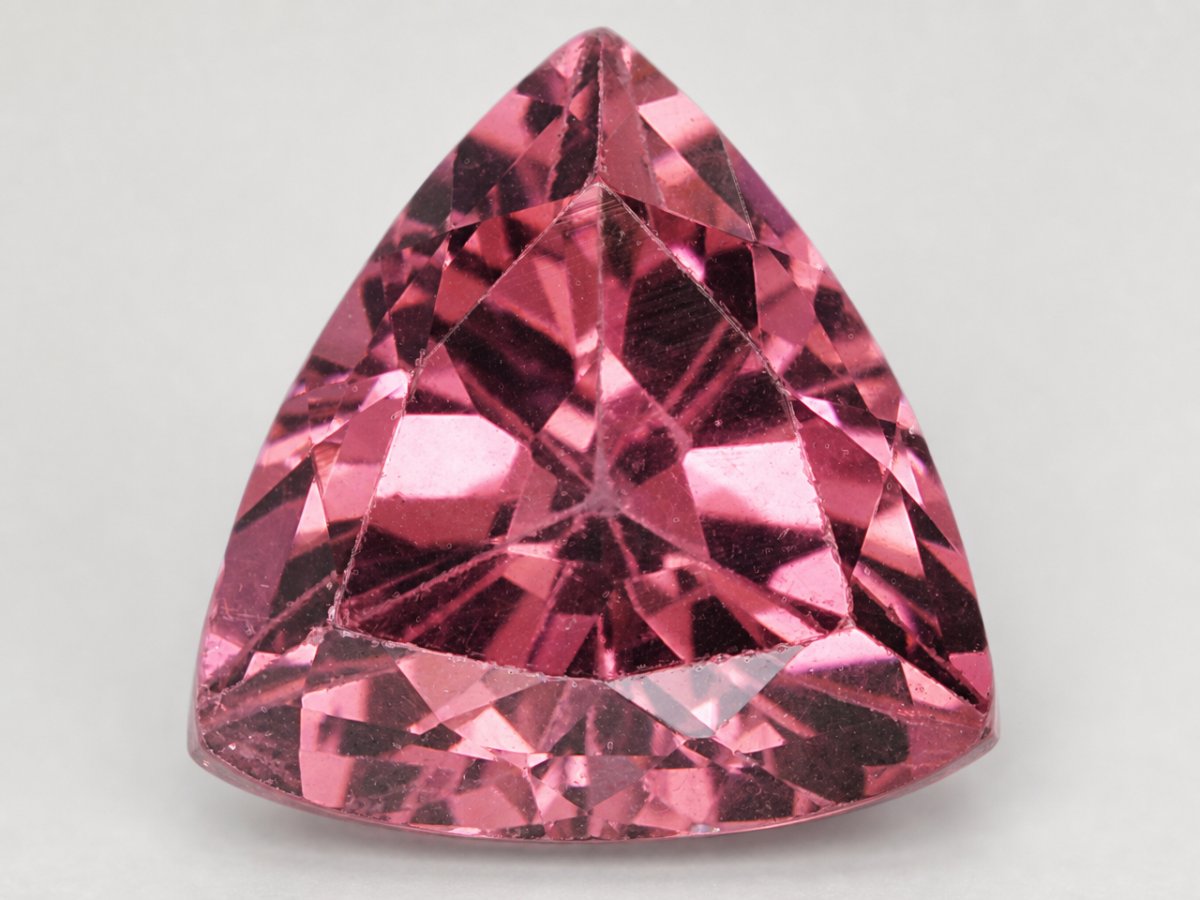
Pink is a defining color for rhodolite garnet, and many buyers look for stones with a lively pink or raspberry-like impression. Purple tones can add depth and sophistication, while red tones give the gem a warmer, more classic garnet look. Some stones may appear more pink, while others lean toward purplish red or reddish purple.
When comparing stones, look at the overall face-up color first. This is the color you see when the gemstone is viewed from the top, as it will usually be seen in jewelry. A gem may have an attractive description, but the visible color in the photo or video is what matters most for your design.
Tone and Saturation
Two useful color terms are tone and saturation. Tone describes how light or dark the gem appears. Saturation describes the strength or intensity of the color. A rhodolite garnet with too much darkness may look less lively in some jewelry designs, while a very light stone may not deliver the richness a buyer expects. A balanced tone with pleasing color strength is often the safest choice for everyday jewelry.
For earrings, slightly brighter stones can show well because they are often viewed from a distance. For rings and pendants, where the gem is seen more closely, buyers may prefer a richer tone or more distinct purple-red character. Matching color is especially important for earrings or multi-stone designs.
Clarity and Appearance
Clarity refers to the presence or absence of internal features, often called inclusions, and surface-reaching features that may affect the look of a gemstone. For most jewelry buyers, the practical question is simple: does the stone look clean and attractive when viewed normally?
When judging rhodolite garnet, check whether any inclusions are distracting in the face-up view. Some internal features may be visible under magnification but have little effect on beauty in jewelry. If you are buying a single center stone for a ring or pendant, clarity may matter more because the gem will be viewed closely. For smaller accent stones, overall color and matching may be more important than microscopic details.
Photos are helpful, but always read the listing information as well. A reliable gem listing should make it easy to evaluate the stone’s appearance, size, shape and any relevant notes. At GemSelect, comparing multiple stones side by side can help you decide whether color, clarity or shape is your highest priority.
Cut and Shape: How Style Affects the Look
Rhodolite garnet is most commonly seen in faceted cuts. Faceting uses multiple polished surfaces to reflect light and display color. For buyers, a good faceted cut should show pleasing symmetry, attractive face-up color and a lively appearance without obvious lifeless areas.
Common Cut Styles
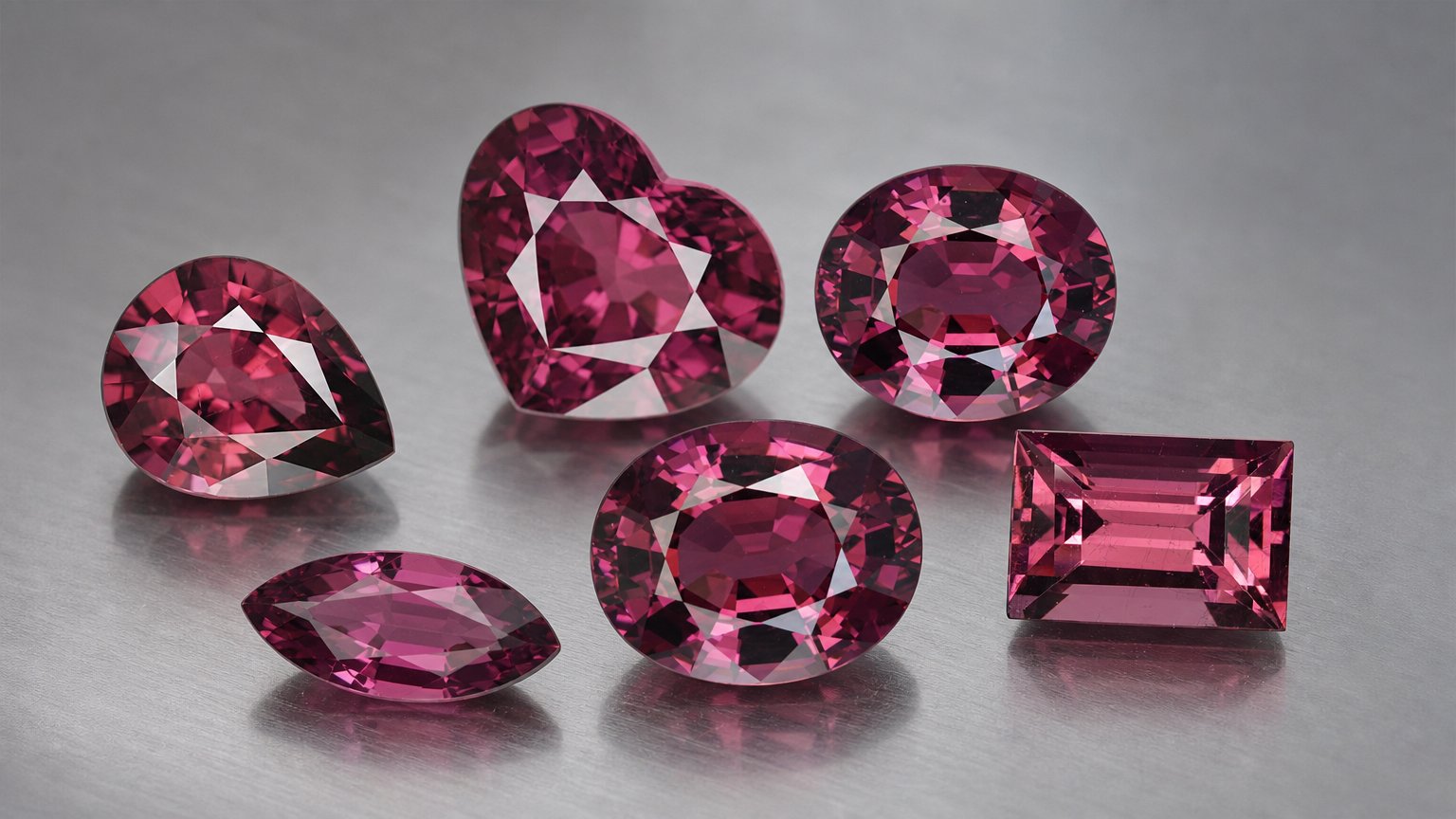
Faceted rhodolite garnet is the main choice for jewelry because it highlights the gemstone’s color and sparkle. Diamond-style cuts are also common, especially in round and other brilliant-looking shapes. Step cuts may be found as well; these cuts use longer, more parallel facets and can give the stone a more architectural appearance. Cabochons, which have a smooth domed surface rather than facets, are another option for buyers who prefer a softer, more classic look.
Neither faceted stones nor cabochons are automatically better. A faceted rhodolite garnet is usually chosen for brightness and a crisp jewelry look, while a cabochon is chosen for smooth color and a more understated style. The right choice depends on the design.
Popular Shapes
Oval and round shapes are especially common and practical for rhodolite garnet. They are easy to use in rings, earrings and pendants, and they suit many classic and contemporary designs. Cushion, pear, square and octagon shapes are also useful when you want a more distinctive silhouette. Trillion shapes can work well in modern designs or as side stones, though they may require more specific setting planning.
When choosing shape, consider both appearance and setting availability. Round and oval gems are often easier to incorporate into standard jewelry settings. Pear, trillion, octagon and other fancy shapes can be very attractive, but the setting may need to be custom made or carefully matched to the gemstone’s exact measurements.
Size, Measurements and Matching
Gemstone size is often discussed by carat weight, but buyers should also pay close attention to millimeter measurements. Two gemstones of the same carat weight may face up differently depending on their shape, cut proportions and depth. For jewelry design, the length, width and depth are often more important than carat weight alone.
If you are buying a rhodolite garnet for an existing setting, measure the setting carefully and compare it with the stone’s listed dimensions. For a custom piece, share the exact measurements with your jeweler before finalizing the design. Depth matters because a stone that is too deep may sit high or require a special setting, while a very shallow stone may affect the look of the finished piece.
For earrings, matching is critical. Look for pairs that are close in size, shape and color. A slight difference that is not noticeable in a pendant may be obvious when two stones are worn side by side. For bracelets or multi-stone rings, consistency across the set helps the finished jewelry look intentional and balanced.
Treatments and Disclosure
Rhodolite garnet is commonly untreated. For many buyers, this is a reassuring point because the purchase decision can focus on natural color, appearance and cutting rather than treatment processes. However, “commonly untreated” should not replace proper disclosure. Always check the treatment information provided for the specific stone you are purchasing.
In gemstone buying, treatment disclosure matters because treatments can affect care recommendations, long-term expectations and comparison between stones. If untreated status is important to you, choose a seller that clearly states treatment information and provides enough product detail for confident comparison.
Origins: What Buyers Should Know
Rhodolite garnet is associated with several origins, including Mozambique, Sri Lanka, Tanzania, Brazil, India and Madagascar. Mozambique is an especially important origin in the rhodolite garnet market, while Sri Lanka and Tanzania are also well-known sources. Other origins may appear in listings depending on availability.
Origin can be interesting for collectors and buyers who enjoy knowing where a gemstone comes from, but it should not be the only factor in a buying decision. For most jewelry buyers, visible beauty, cutting quality, size, shape and treatment disclosure are more practical than origin alone. A well-cut stone with the color you love is usually a better choice than a stone selected only because of its source.
If origin is important to you, look for it in the gemstone’s product details. If it is not stated, focus on the characteristics that can be evaluated directly: color, clarity, cut, dimensions and suitability for your design.
Durability and Jewelry Use
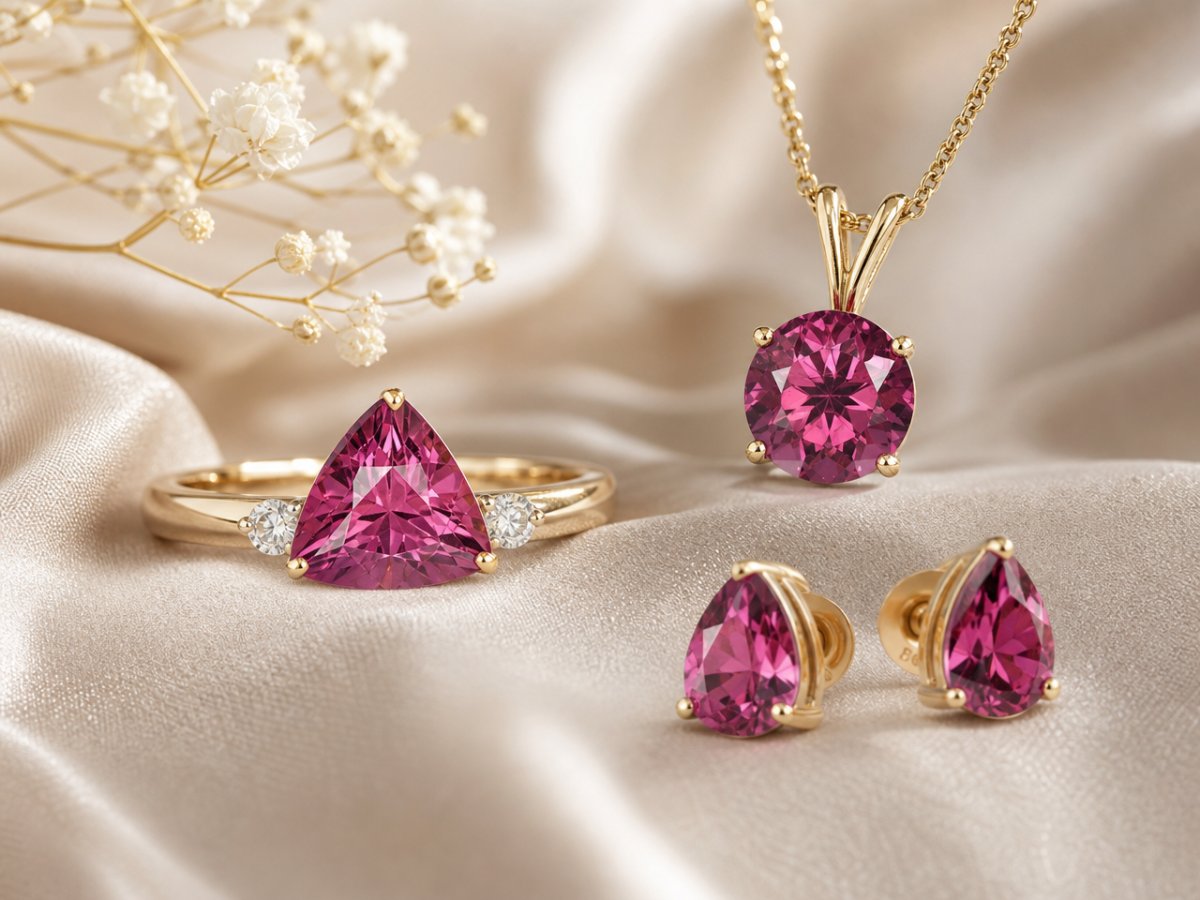
Rhodolite garnet is widely used in jewelry, especially earrings, rings and pendants. It can also be used in bracelets, although bracelets are generally exposed to more knocks and abrasion than earrings or pendants. As with any colored gemstone, the setting and wear habits are important parts of durability.
Rings
Rhodolite garnet rings are attractive because the color is visible and easy to appreciate on the hand. For daily-wear rings, consider a setting that protects the stone well, especially if the design has exposed edges or pointed shapes such as pear or trillion. A bezel or protective prong design can help reduce the risk of accidental impact.
Earrings
Earrings are one of the best uses for rhodolite garnet because the stones are less likely to receive hard knocks. Round and oval faceted stones are practical choices, and matched pairs can show the pink to purplish-red color beautifully. When buying earrings, prioritize color matching, similar dimensions and balanced face-up appearance.
Pendants
Pendants are another excellent use. A pendant allows you to choose a larger or more distinctive shape without the same level of wear exposure as a ring. Oval, cushion, pear and octagon shapes can all work well depending on the style of the mounting.
Bracelets
Rhodolite garnet can be used in bracelets, but bracelet stones need thoughtful setting choices because wrists come into contact with desks, doors and other surfaces. If you are planning a bracelet, consider designs that hold the stones securely and reduce exposed edges.
How to Buy Rhodolite Garnet: Practical Checklist
Use the following points when comparing rhodolite garnet gemstones:
- Choose your preferred color direction. Decide whether you want a pinker, purpler or redder appearance.
- Check face-up color. The top view is the most important view for jewelry.
- Compare clarity realistically. Focus on whether inclusions affect beauty in normal viewing, not only under magnification.
- Review the cut. Look for symmetry, pleasing proportions and an attractive overall appearance.
- Use measurements, not only carat weight. Millimeter size determines whether the gem will fit your setting.
- Confirm treatment status. Rhodolite garnet is commonly untreated, but always check the specific listing.
- Match stones carefully. For earrings and multi-stone jewelry, color and size matching are essential.
- Consider the jewelry type. Rings and bracelets need more protective settings than earrings and pendants.
Choosing Rhodolite Garnet for Custom Jewelry
If you are buying loose rhodolite garnet for a custom piece, start with the design goal. A classic ring may call for a round or oval faceted stone. A pendant can accommodate a pear, cushion or octagon shape. Earrings usually require matched pairs with similar color, size and shape. Bracelets may require multiple stones with consistent appearance and secure setting design.
Before purchase, ask your jeweler whether the selected shape and measurements will work for the planned setting. This is especially important for fancy shapes and for stones with unusual depth. Buying the gemstone first can be a good approach when the color is the main priority, but the design should then be built around the actual measurements of that stone.
Summary
Rhodolite garnet is a buyer-friendly gemstone for those who enjoy pink, purple and red colors in a garnet variety associated with almandine and pyrope. The most important buying factors are color preference, visible clarity, cut quality, shape, size and treatment disclosure. Mozambique is a particularly important origin, with Sri Lanka, Tanzania, Brazil, India and Madagascar also associated with rhodolite garnet.
For jewelry, rhodolite garnet is especially practical in earrings, rings and pendants, with bracelets requiring extra attention to setting protection. A confident purchase comes from choosing the stone that best fits your design, rather than relying on a single factor such as carat weight or origin. Compare photos, dimensions and descriptions carefully, and select the gem whose color and shape you will enjoy wearing.