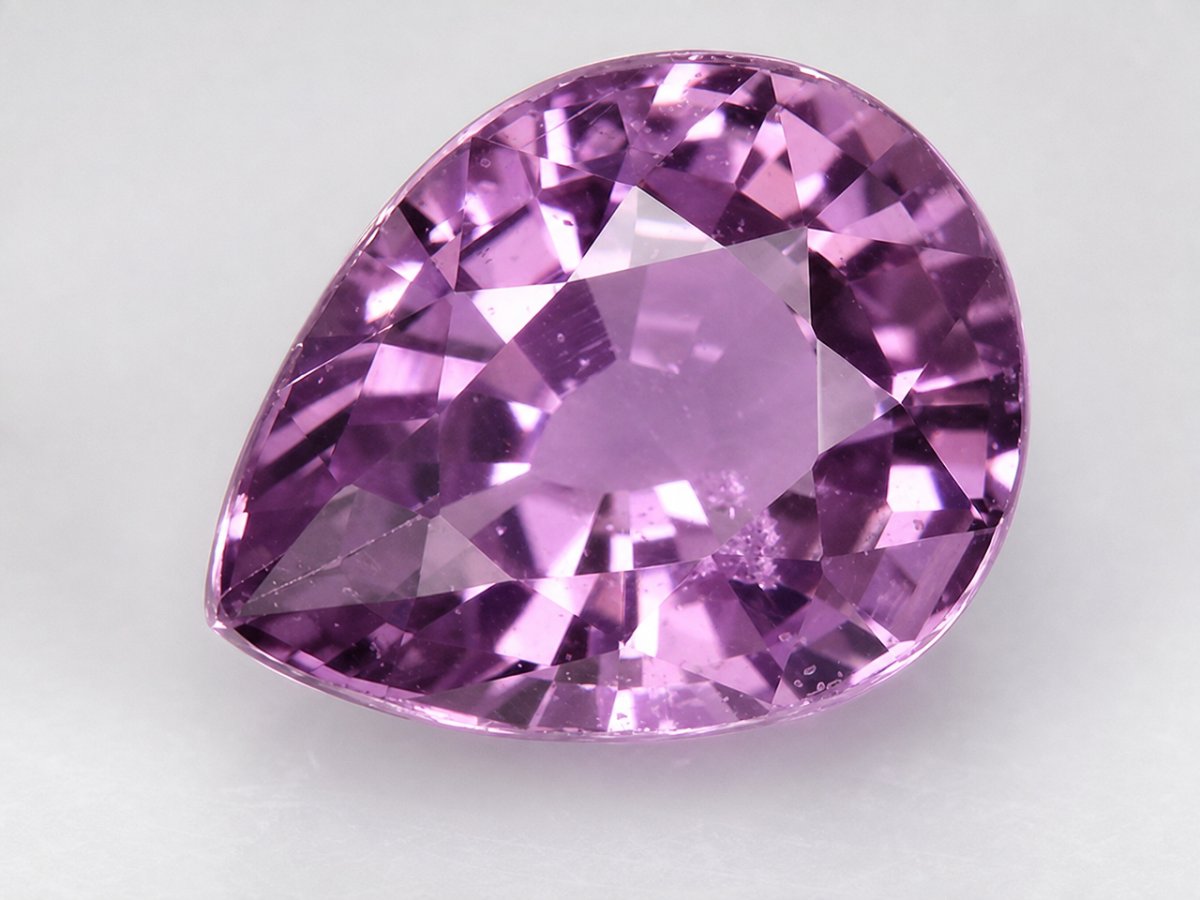


Purple sapphire is a distinctive color variety of sapphire, valued for its rich purple appearance and its connection to the wider sapphire family. While blue sapphire has the longest and most familiar public history, purple sapphire carries a different emotional impression: refined, individual, expressive and less conventional.
As a meaning and history subject, purple sapphire is best understood through three reliable lenses: its identity as sapphire, the long-standing symbolism of the color purple, and its modern role as a meaningful gemstone for personal jewelry. It is also part of the September birthstone tradition, making it an appealing choice for people who want a sapphire birthstone with a more unusual color.
What Is Purple Sapphire?
Purple sapphire is a variety of sapphire, and sapphire belongs to the mineral species corundum. Corundum is composed of aluminum oxide, written chemically as Al₂O₃. In gem use, sapphires are known in many colors, and purple sapphire refers specifically to stones whose dominant body color is purple.
Although gemological details are not the main focus of a meaning guide, the sapphire identity matters symbolically. People often choose sapphire for jewelry meant to feel lasting, serious and significant. Purple sapphire brings that same sapphire character into a color that feels more personal and creative than the traditional blue.
Purple Sapphire Meaning and Symbolism
Purple sapphire is commonly interpreted as a gemstone of individuality, dignity and thoughtful self-expression. These meanings come partly from its purple color and partly from its place within the sapphire family.
Purple has long carried associations with refinement, ceremony, imagination and spiritual reflection in many systems of color symbolism. In modern gemstone symbolism, purple stones are often chosen by people who want a jewel that feels introspective, artistic or distinctive. These are cultural and personal associations rather than scientific properties.
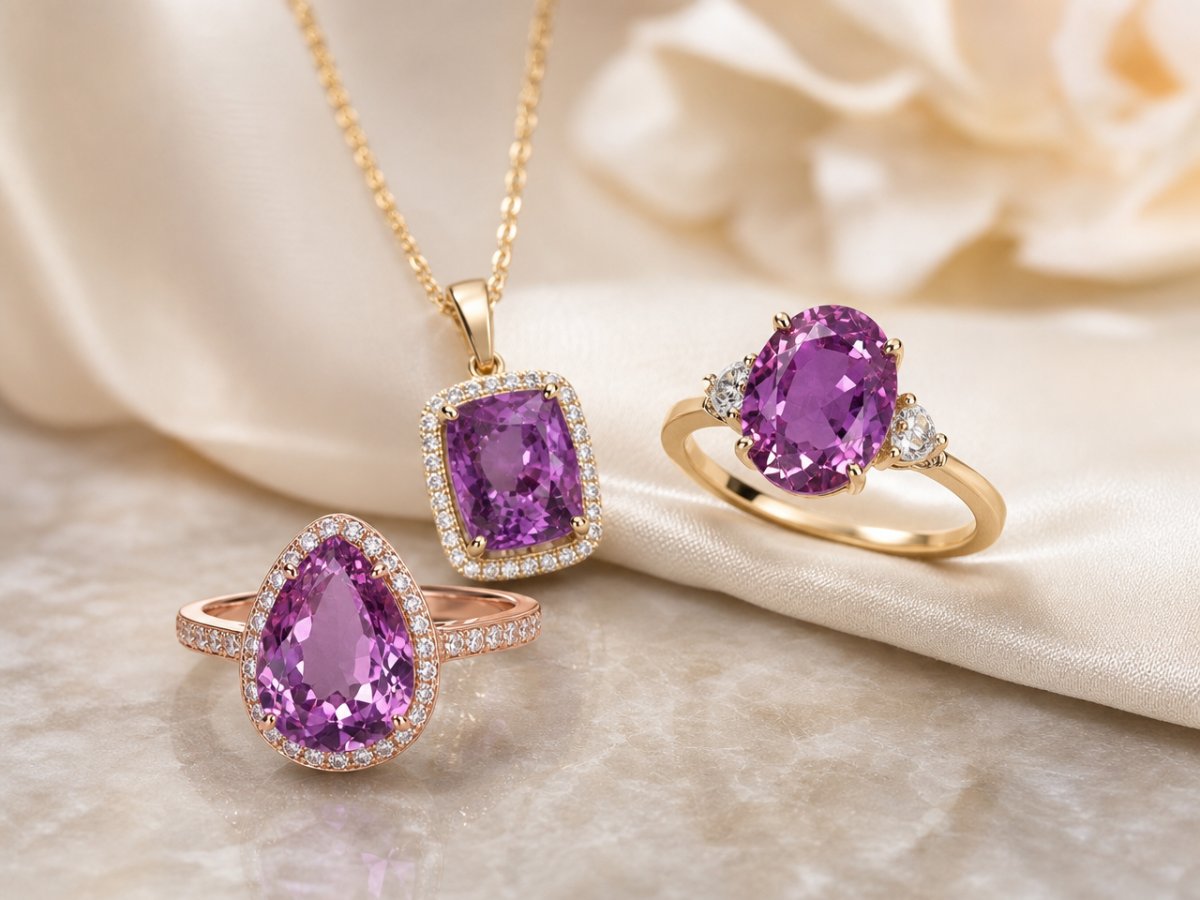
As a sapphire, purple sapphire is also often used to represent commitment and enduring affection. This is especially relevant today because purple sapphire is used in rings and engagement rings as well as earrings, pendants, necklaces and bracelets. In symbolic jewelry, the stone can suggest a promise or personal milestone while avoiding the more expected look of a blue sapphire or diamond.
History and Cultural Context
The recorded history of purple sapphire is not usually separated from the broader history of sapphire. In older gem traditions, sapphires were more often discussed as a gem family or associated most strongly with blue stones. Purple sapphire became more visible to modern buyers as gem classification, international sourcing and colored gemstone appreciation became more precise.
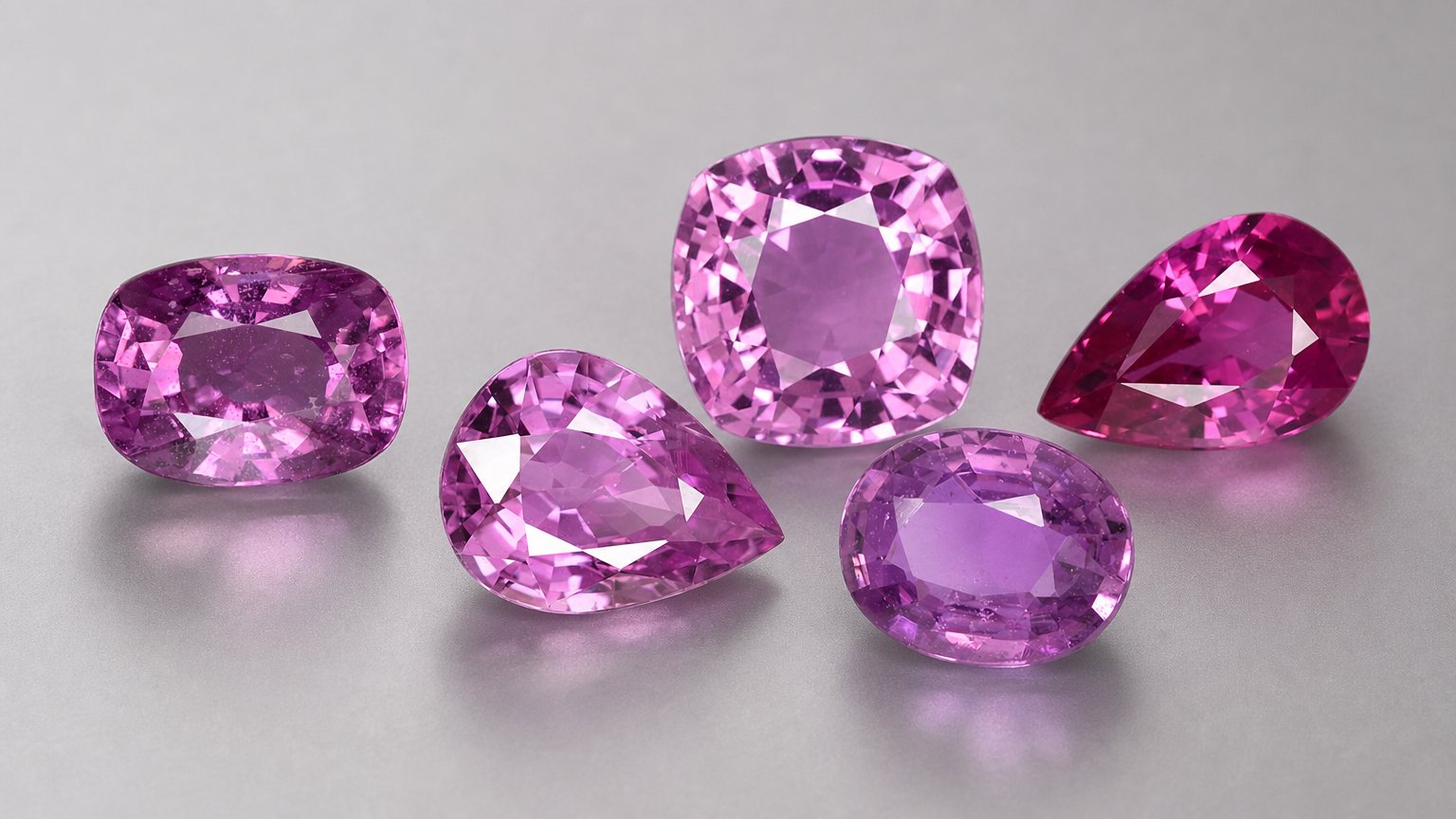
Today, purple sapphire is recognized and traded as its own attractive sapphire color. Important sources include Sri Lanka and Madagascar, with additional origins including Myanmar, Tanzania, Australia and Thailand. These origins connect purple sapphire to some of the world's major sapphire-producing regions and help explain why the gem is available in a range of purple tones and cutting styles in the modern market.
For collectors and enthusiasts, the historical significance of purple sapphire is therefore partly modern: it reflects the growing appreciation of sapphires beyond the classic blue. Rather than relying on a single ancient legend, its appeal is built on rarity of color, sapphire identity and the desire for meaningful gemstones that feel personal.
Purple Sapphire as a September Birthstone
Sapphire is the birthstone for September, and purple sapphire belongs to that birthstone family. This gives it a clear traditional place for birthday jewelry, especially for someone born in September who prefers purple over classic blue.
Because purple sapphire is still sapphire, it can be used to honor the September birthstone tradition while adding a more individual color statement. This is one reason it is popular for personal gifts, anniversary-style jewelry and meaningful rings, even when the wearer wants something less conventional than the best-known sapphire colors.
Folklore, Belief and Modern Interpretations
Some modern crystal and color-symbolism traditions associate purple gemstones with intuition, contemplation and inner awareness. These ideas should be understood as folklore or personal belief, not as proven medical or scientific effects.
For many buyers today, purple sapphire's meaning is more personal than traditional. It may represent creativity, independence, quiet confidence or a love of uncommon color. Others choose it simply because it combines the prestige of sapphire with the emotional richness of purple.
Purple Sapphire in Modern Jewelry Culture
In modern jewelry, purple sapphire is often selected by people who want a gemstone with recognized sapphire identity but a less predictable appearance. It is seen in rings, earrings, engagement rings, pendants, necklaces and bracelets, with faceted cuts especially common. Oval and round shapes are especially familiar, while cushion and pear shapes are also popular.
This modern use influences the gemstone's symbolism. A purple sapphire engagement ring, for example, can express commitment while also suggesting originality. A pendant or pair of earrings may be chosen less for tradition and more for the mood of the color: elegant, expressive and quietly distinctive.
Some purple sapphires are heat treated, while untreated stones are also found. Treatment status is mainly a gemological and buying consideration, but for meaning-focused jewelry, some people prefer untreated stones because they value a closer connection to the gem's natural appearance. GemSelect provides gemstone details so buyers can consider these practical factors separately from symbolism.
Conclusion
Purple sapphire's meaning is rooted in its identity as a sapphire and its expressive purple color. It does not need elaborate legend to be significant. For today's buyers, it represents individuality, refined beauty, commitment and a personal interpretation of the September birthstone tradition.
Its history is best viewed as part of the broader sapphire story, with a modern chapter shaped by global sources, improved gem identification and growing appreciation for fancy-color sapphires. For anyone drawn to purple gemstones, purple sapphire offers a meaningful balance of tradition and originality.