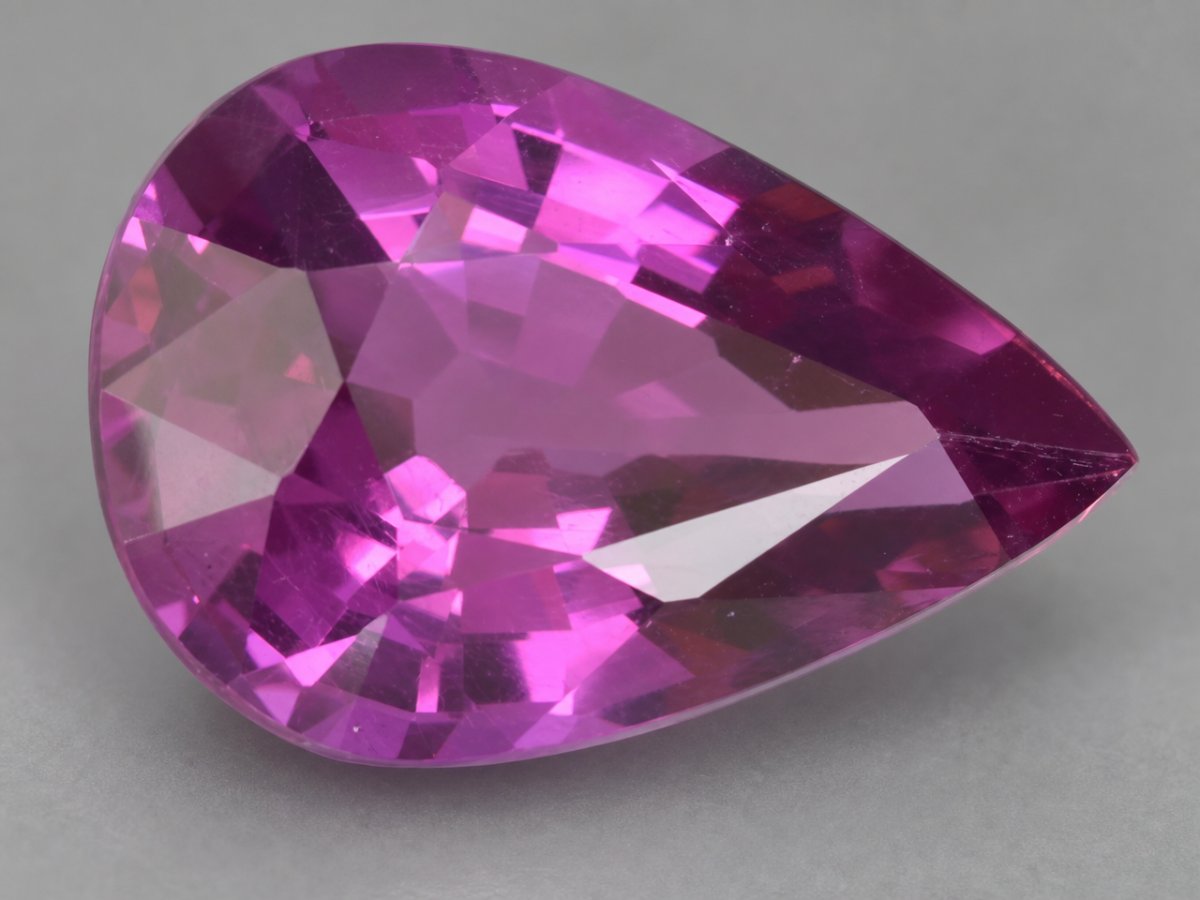


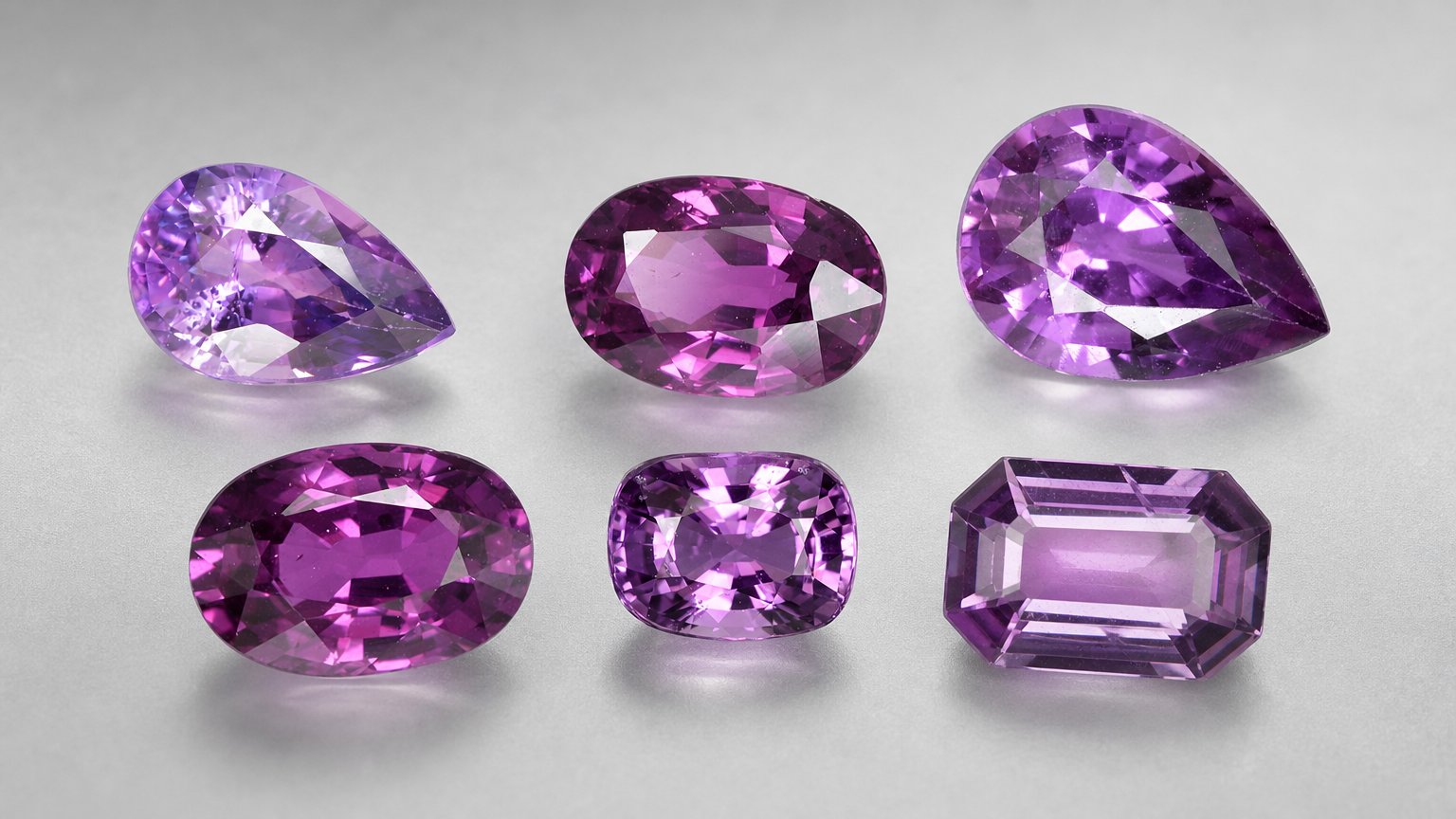
Purple sapphire offers the durability of corundum with a distinctive purple color that works well in both classic and modern jewelry. For buyers, the most important decisions are not complicated: choose a color you enjoy, check that the cut shows it well, understand treatment disclosure, and select a size and shape that fits the intended jewelry design.
This guide explains the practical factors to consider before buying a purple sapphire, whether you are choosing a center stone for a ring, matching stones for earrings, or a gem for a pendant or necklace.
What Is Purple Sapphire?
Purple sapphire is a purple variety of sapphire, which belongs to the mineral species corundum. Its chemical formula is Al₂O₃, and it crystallizes in the trigonal crystal system. Like other sapphires, it is valued for its combination of attractive color, brilliance and excellent hardness.
Purple sapphire is also connected with the traditional September birthstone category, making it a meaningful option for buyers who want a sapphire but prefer purple rather than the more familiar blue appearance.
Color: The First Buying Decision
Color is usually the first feature buyers notice in purple sapphire. Since purple is the defining color, focus on how pleasing the hue looks to your eye, how strong the saturation appears, and whether the color looks balanced across the face of the gem.
When comparing stones, view them under more than one lighting condition if possible. A purple sapphire that looks attractive in daylight-equivalent light and indoor lighting will generally be easier to use in everyday jewelry. Also consider tone: a very dark stone may appear rich but can show less brightness, while a lighter stone may look more delicate and open.
Clarity and Transparency
Clarity affects both beauty and buying confidence. For most jewelry buyers, the practical standard is simple: look for a stone that appears clean and attractive to the unaided eye when viewed face-up. Small internal features are common in natural gemstones, but they should not distract from the overall appearance.
Use magnification for inspection, but do not judge a purple sapphire only through a loupe. A gem that looks lively and clean in normal viewing can be a better choice than one that is technically interesting but visually dull.
Cut, Shape and Face-Up Appearance
Faceted purple sapphires are common because faceting helps display brilliance and color. Round and oval shapes are especially popular choices, while cushion and pear shapes are also seen often. Other shapes, including marquise, octagon, square and heart, may suit specific designs when available.
Cut quality matters because it determines how the gem returns light. Look for a balanced outline, good symmetry and a pleasing face-up appearance. A stone should not look overly dark in the center, and the color should be presented attractively across the gem. Diamond-style cuts can add sparkle, while step cuts offer a more structured, geometric look. Cabochon cuts may appeal to buyers who prefer a smooth, polished surface rather than faceted brilliance.
Size and Proportions
When buying purple sapphire, compare millimeter measurements as well as carat weight. Two sapphires of the same weight can face up differently depending on depth and cutting style. For rings and earrings, dimensions often matter more than carat weight because they determine how the stone will fit the setting and appear on the hand or ear.
If you are replacing a stone in an existing setting, confirm the exact shape and measurements before purchasing. For custom jewelry, share the gem dimensions with your jeweler early so the setting can be made to fit securely.
Treatments: Heated and Untreated Purple Sapphire
Heat treatment is a common treatment associated with purple sapphire. Untreated purple sapphires also exist. From a buying standpoint, the key issue is disclosure: know whether the stone has been heated or is represented as untreated, and keep that information with your purchase records.
If treatment status is important to you, ask for clear documentation before you buy. This is especially useful for collectors, buyers comparing multiple stones, and anyone purchasing a sapphire for a significant piece of jewelry such as an engagement ring.
Origin: Useful, But Not the Only Factor
Purple sapphire is associated with several important origins, including Madagascar and Sri Lanka, as well as Myanmar, Tanzania, Australia and Thailand. Origin can be interesting for collectors and may be part of a gem's identity, but it should not replace direct evaluation of color, cut, clarity, size and treatment disclosure.
When comparing stones, avoid assuming that origin alone makes one gem the better choice. A well-cut purple sapphire with attractive color and transparent disclosure can be a strong purchase regardless of origin.
Durability and Everyday Wear
Purple sapphire has a Mohs hardness of 9, making it one of the hardest commonly used jewelry gemstones. This high hardness gives it excellent resistance to scratching in normal wear, which is one reason sapphire is widely chosen for rings and engagement rings.
Hardness does not mean a gemstone is indestructible. Rings and bracelets are exposed to more knocks than earrings and pendants, so secure settings and sensible care are still important. Remove jewelry before heavy work, and store sapphire pieces separately from softer gems to prevent scratches.
Jewelry Uses
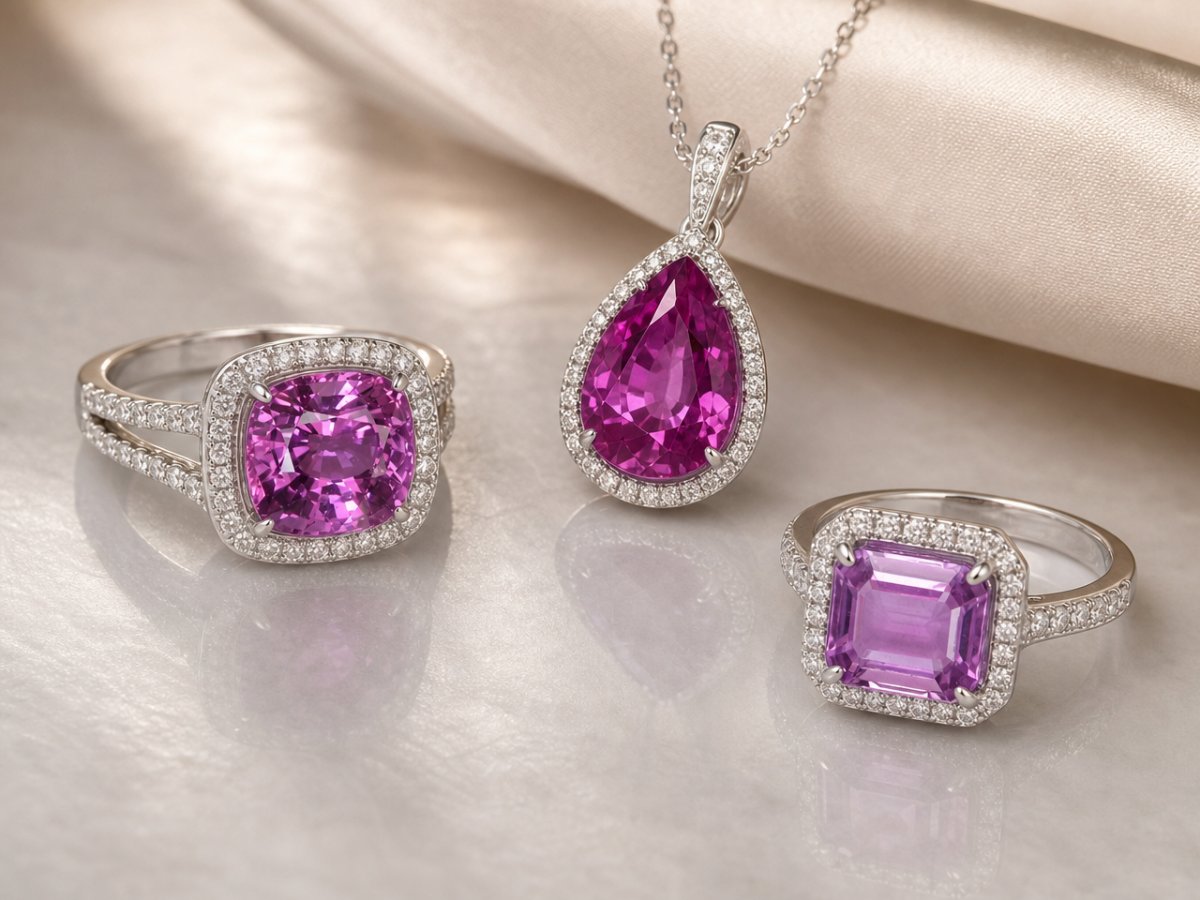
Purple sapphire is well suited to rings, including engagement rings, because of its hardness and attractive color. It is also a practical choice for earrings, where matched color and size are usually more important than large carat weight. Pendants and necklaces can show purple sapphire beautifully with less exposure to impact than rings.
Bracelets can also use purple sapphire, but choose protective settings because wrist jewelry often receives more contact during daily wear. For any jewelry type, the best stone is one that matches the design goal: bright and lively for sparkle, deeper-toned for a richer look, or a calibrated shape for easy setting.
Gemological Properties
For buyers who want the technical details, purple sapphire is corundum with a refractive index of 1.762-1.770 and a specific gravity of 4.00. These properties help gemologists identify sapphire and distinguish it from other gemstones. For the retail buyer, the most practical property is hardness: Mohs 9 makes purple sapphire a durable gemstone for a wide range of jewelry.
Practical Buying Checklist
- Choose the color first: Select a purple tone and saturation that you find attractive in normal lighting.
- Check face-up beauty: Look for brightness, even color and a pleasing outline.
- Inspect clarity naturally: Prioritize what you can see without magnification.
- Confirm measurements: Use millimeter size, not just carat weight, especially for settings.
- Ask about treatment: Heat treatment and untreated status should be clearly disclosed.
- Consider the jewelry use: Rings and engagement rings need secure settings; earrings and pendants allow more design flexibility.
- Buy from a clear source: When shopping with GemSelect or another seller, review the gem details carefully and keep records of treatment and origin information provided.
Summary
A good purple sapphire purchase balances beauty, durability and disclosure. Start with color, then compare cut, clarity and measurements. Consider origin as supporting information rather than the main buying factor, and pay close attention to treatment disclosure. With Mohs hardness of 9 and a range of suitable shapes and cuts, purple sapphire is a practical and elegant option for rings, engagement rings, earrings, pendants and other jewelry.