

Pietersite is a distinctive multicolor gemstone admired for its dramatic mixture of black, blue and brown tones. Unlike gemstones with long ancient records, pietersite is best understood through its natural appearance, its known origins and the modern symbolism collectors and jewelry lovers attach to it.
For many buyers, pietersite's meaning comes from contrast and movement. Its colors can appear bold, layered and expressive, making each stone feel individual rather than uniform. This guide focuses on pietersite's cultural and symbolic appeal while clearly separating documented facts from modern interpretation and personal belief.
What Is Pietersite?
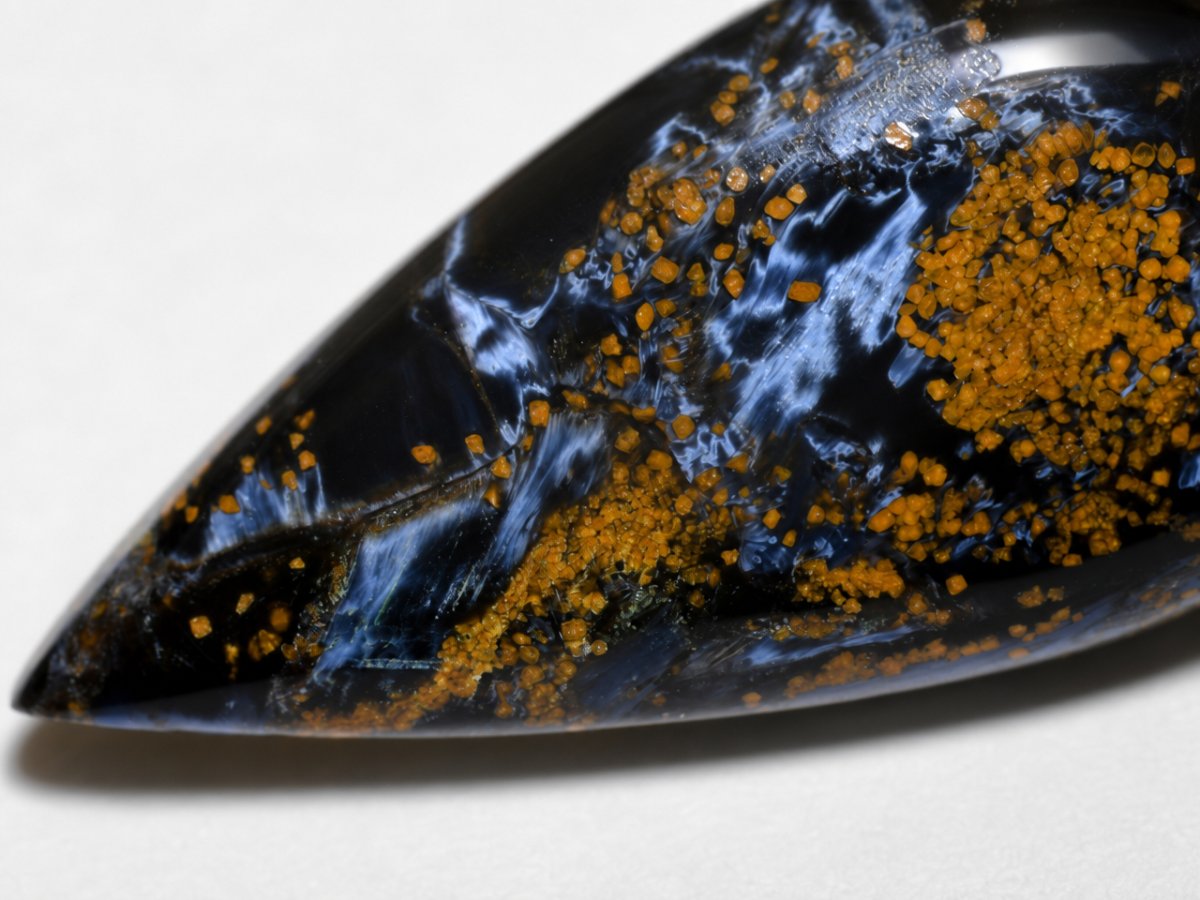
Pietersite is associated with a brecciated aggregate quartz containing fibrous crocidolite. In simple terms, "brecciated" describes material made of broken fragments that have been naturally rejoined, while "aggregate quartz" refers to quartz composed of many intergrown parts rather than a single transparent crystal.
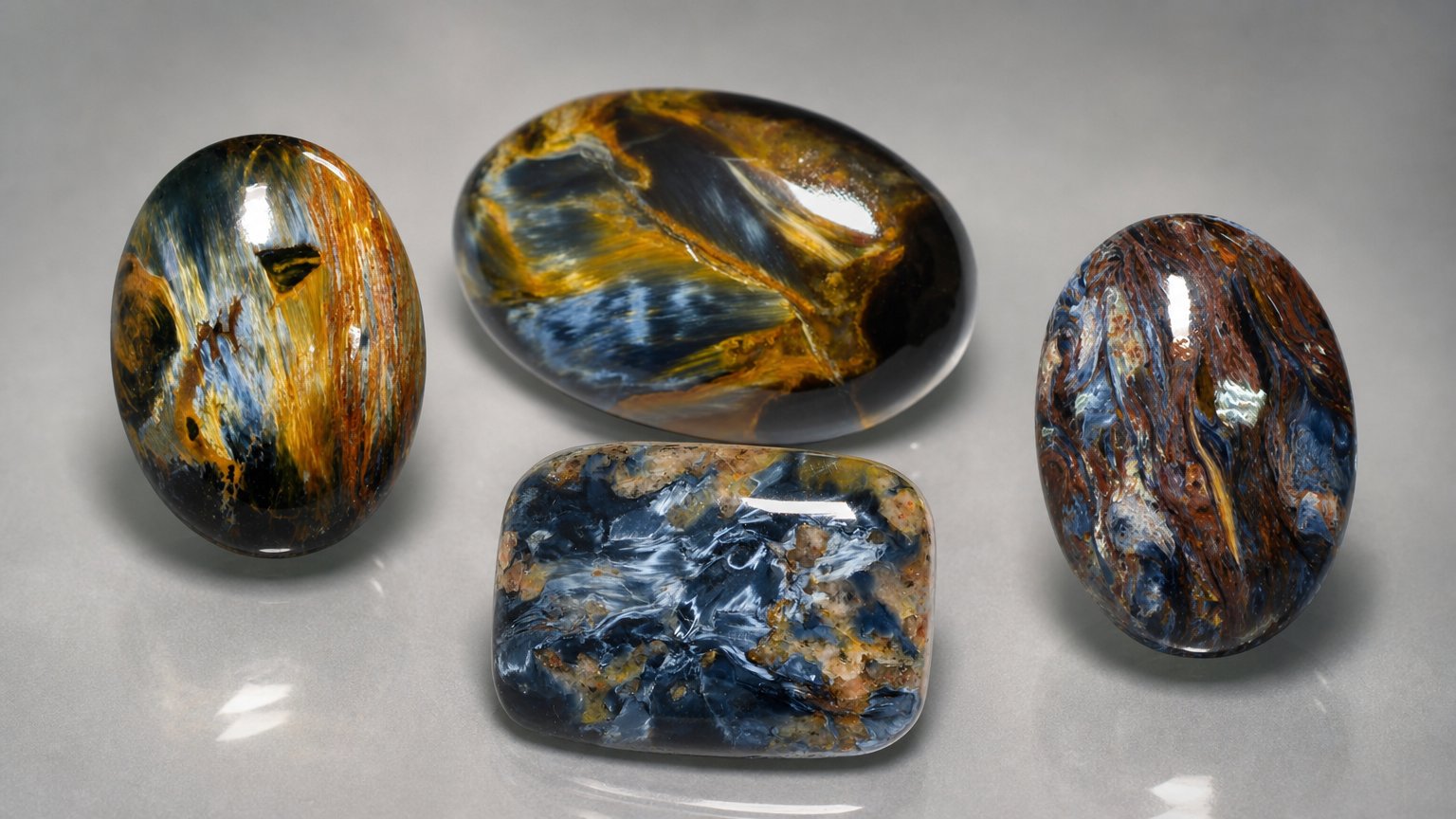
This structure is important to pietersite's meaning because it gives the gemstone much of its visual personality. Instead of a plain, even color, pietersite often shows a complex mixture of tones and patterns. Its most recognized appearance is multicolor, commonly involving black, blue and brown.
Pietersite Meaning and Symbolism
Pietersite's symbolism is mostly modern rather than ancient. It is often appreciated as a stone of individuality because no two pieces look exactly alike. Its mixed colors and active patterns make it appealing to people who prefer gemstones with a strong visual identity.
Because pietersite is a brecciated material, some modern symbolic interpretations connect it with resilience, change and the idea of separate elements coming together into a new whole. This is a poetic interpretation of the stone's structure, not a scientific property or historical fact.
The contrast between darker black and brown areas and brighter blue tones also gives pietersite a sense of depth. In contemporary gemstone symbolism, such contrast may be associated with balance, reflection and personal expression. These meanings are best understood as cultural and personal associations rather than proven effects.
Color, Appearance and Emotional Appeal
Color plays a major role in how pietersite is perceived. Its multicolor character gives it a more dynamic feeling than many single-color gemstones. Black can create a grounding visual effect, brown can add warmth, and blue can provide a cooler, more striking contrast.
These colors do not carry one fixed universal meaning. Instead, pietersite's appeal often comes from the way the colors interact within a single stone. Collectors and designers may value it because it feels expressive, organic and naturally varied.
Origins and Cultural Identity
Namibia is the most important known origin for pietersite, with China also recognized as a source. Origin is part of the gemstone's identity because pietersite is not a traditional ancient ceremonial stone with a widely documented historical role across many civilizations. Its significance in today's gemstone market is tied more closely to its natural rarity of appearance, source identity and appeal to collectors.
Namibian pietersite is especially important in how the gemstone is recognized and discussed. For many gemstone enthusiasts, knowing that pietersite is connected with specific sources adds to its sense of place and individuality.
Historical Context
Pietersite does not have the same long recorded history as gemstones such as sapphire, emerald, jade or turquoise. In a meaning and history context, this matters: it is more accurate to describe pietersite as a gemstone with modern cultural appeal than as a stone with ancient, widely documented religious or royal traditions.
This does not make pietersite less meaningful. Instead, its meaning is shaped by contemporary collectors, jewelers and wearers who respond to its dramatic natural patterns. Many modern gemstones gain significance through design culture, personal symbolism and the stories people attach to individual pieces.
Modern Cultural Significance
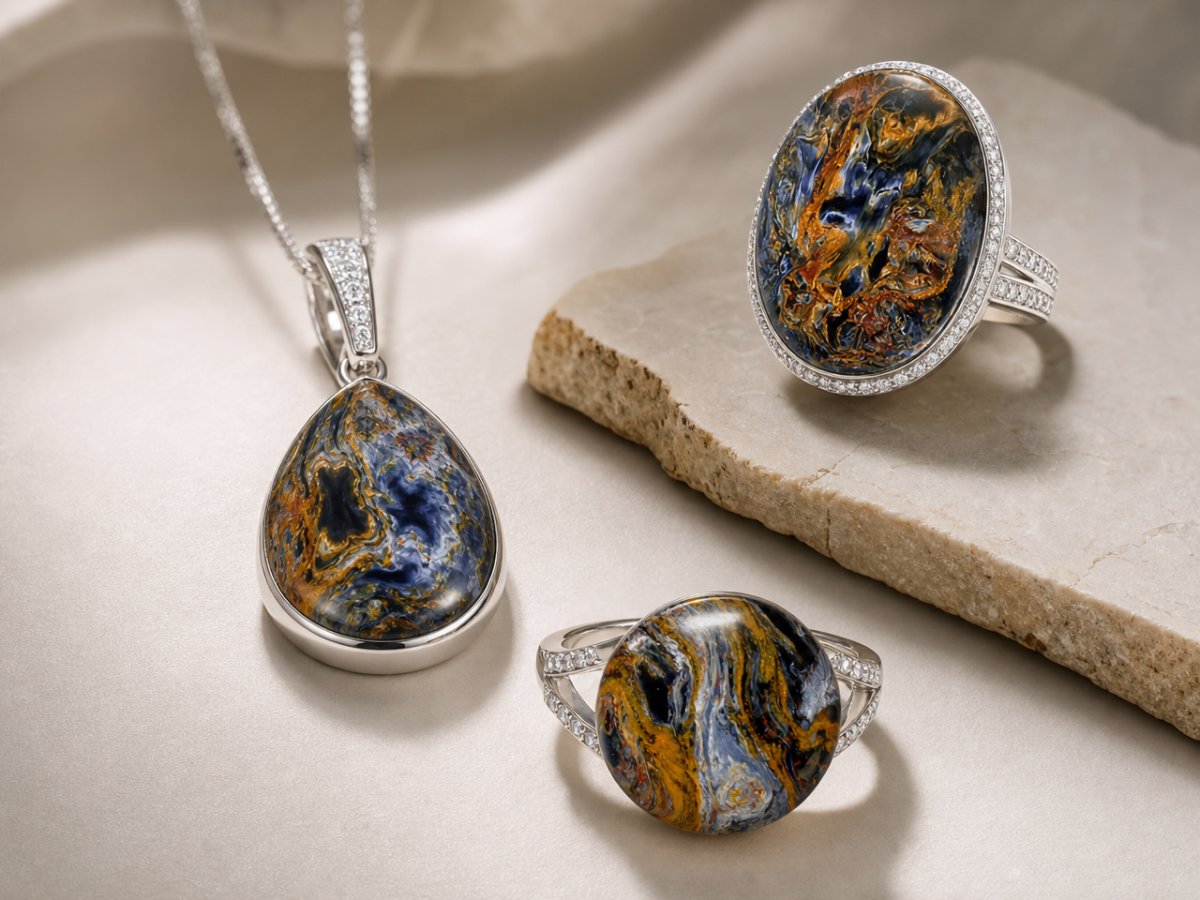
Today, pietersite is especially appreciated by people who like gemstones that look distinctive rather than conventional. It appears in necklaces, pendants, rings, bracelets, earrings and artisan jewelry, where its pattern can become the central visual feature of the piece.
In artisan jewelry, pietersite's individuality is particularly important. A cabochon or carved piece can display the stone's colors and internal movement in a way that feels personal and expressive. This has helped pietersite become a meaningful choice for buyers who want a gemstone that feels less standardized and more connected to natural pattern.
Pietersite and Traditional Associations
Pietersite is not best known as a classic birthstone, anniversary gemstone or religious gemstone. Its significance is usually personal and aesthetic rather than tied to a long-established ceremonial calendar.
When pietersite is used symbolically today, it is usually chosen for what the individual stone suggests to the wearer: transformation, strength through change, complexity, creativity or a sense of personal identity. These associations should be understood as modern traditions and personal meanings, not universal historical facts.
How to Understand Pietersite Meaning Today
The most balanced way to understand pietersite is to combine documented facts with thoughtful interpretation. The documented facts include its composition as a brecciated quartz aggregate with fibrous crocidolite, its multicolor appearance and its known origins in Namibia and China. The symbolic meanings are modern and personal, often inspired by the stone's dramatic patterns.
For GemSelect customers and gemstone enthusiasts, pietersite is a strong example of how a gemstone can be meaningful without relying on ancient legend. Its story is found in its structure, its origin and the visual impact of each individual piece.
Summary
Pietersite's meaning is rooted in individuality, contrast and natural complexity. While it does not have a deeply documented ancient ceremonial history, it has become valued in modern gemstone culture for its expressive multicolor appearance and strong connection to specific origins, especially Namibia.
Its symbolism is best viewed as contemporary and personal: a gemstone for those who appreciate movement, transformation and distinctive natural pattern.