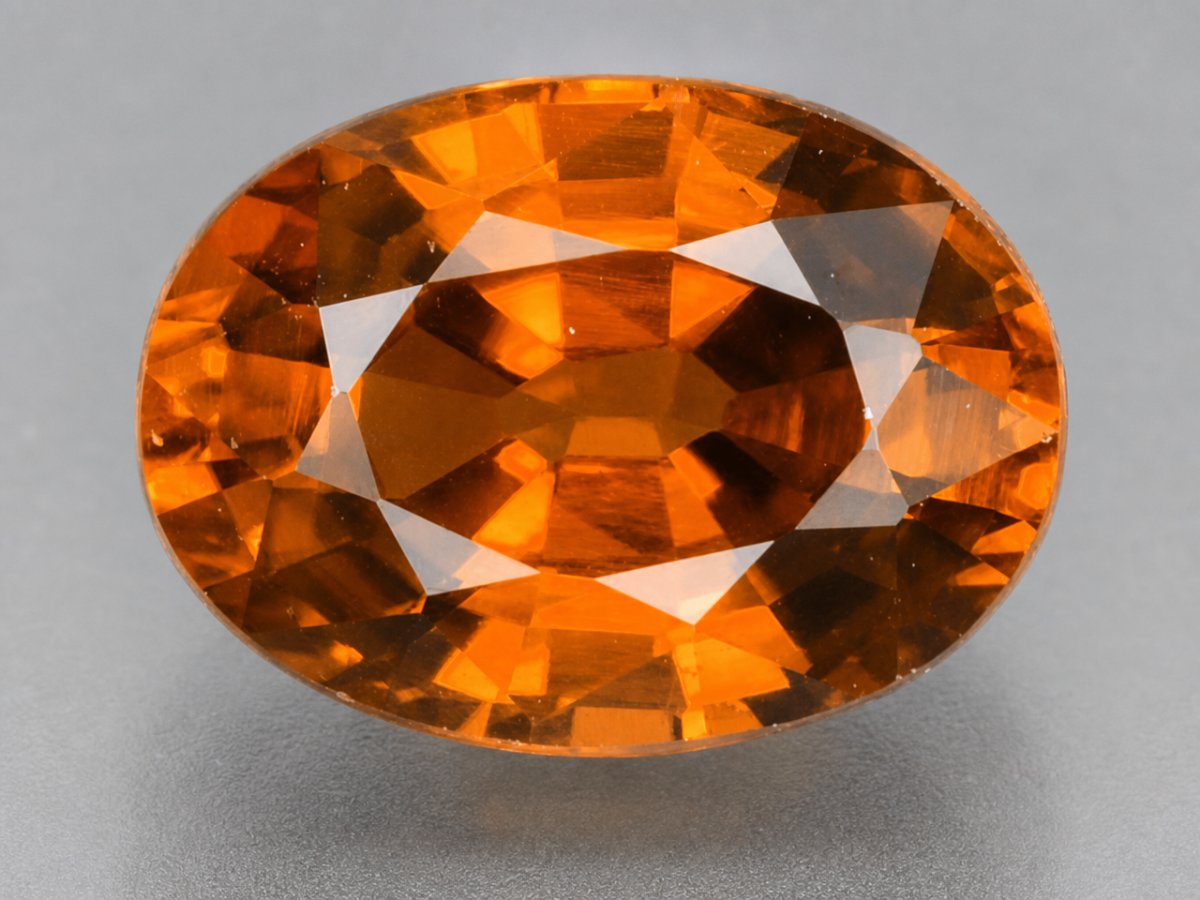


Orange zircon is a natural zircon gemstone valued by buyers who want a vivid orange gem with bright sparkle and a distinctive look. It belongs to the zircon mineral species, with the chemical formula ZrSiO₄, and should not be confused with cubic zirconia, which is a different man-made diamond simulant.
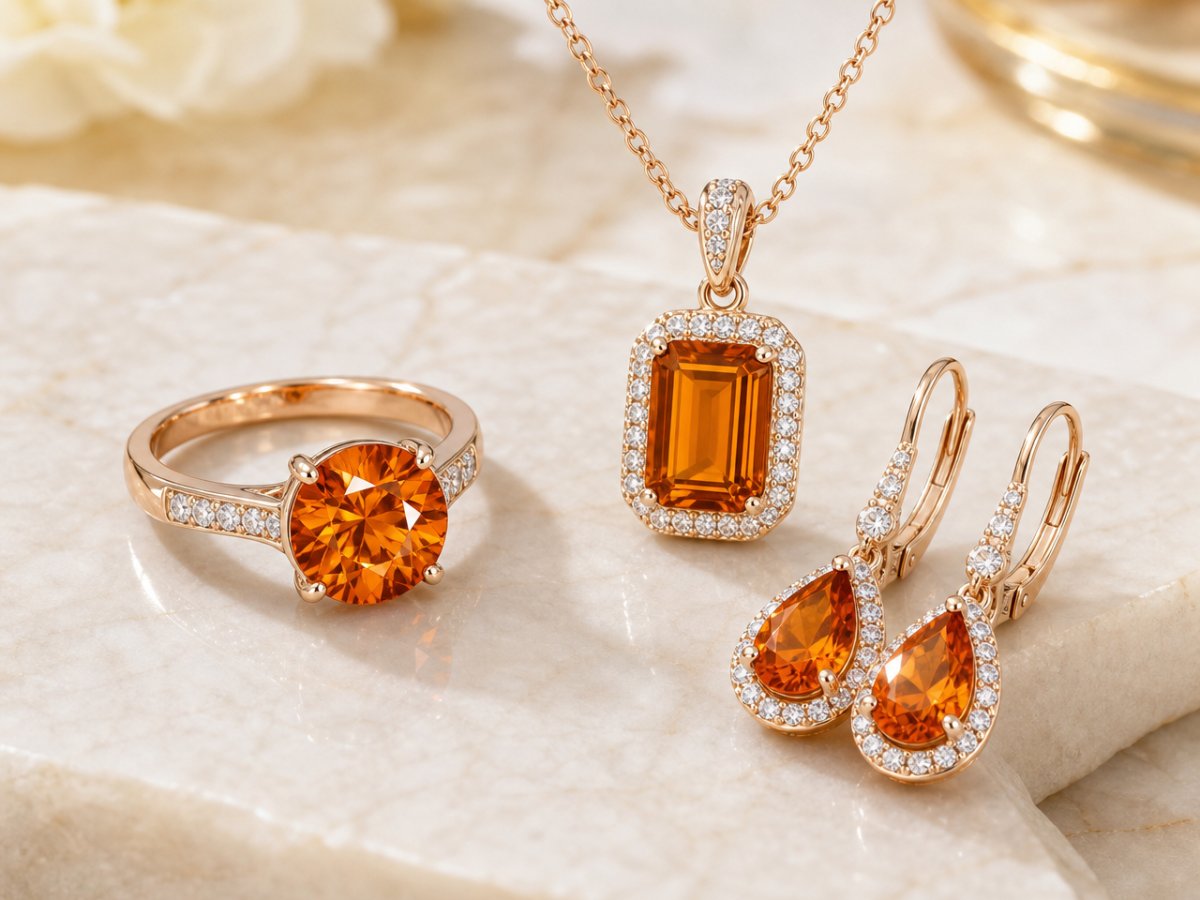
For most buyers, the most important decisions are color, cut quality, clarity, size, treatment disclosure and jewelry use. Orange zircon can be a beautiful choice for rings, earrings, pendants, necklaces and statement designs, but its durability and setting style should be considered before purchase.
What Is Orange Zircon?
Orange zircon is the orange color variety of zircon, a natural gemstone with a tetragonal crystal system. Zircon has a high refractive index of 1.810-2.024, which helps explain why well-cut stones can appear very lively and bright. Its specific gravity is 3.90-4.73, meaning zircon can feel relatively dense for its size compared with many other gemstones.
As a buying point, zircon's identity matters. Natural zircon and cubic zirconia are often confused because of their names, but they are not the same gemstone. When buying orange zircon, look for clear gemstone identification and treatment information from a trusted seller such as GemSelect.
Color and Appearance: What to Look For
Color is the defining feature of orange zircon. Buyers should focus on how attractive the orange appears in normal viewing conditions, not only under strong display lighting. A pleasing stone should show an orange body color that suits the design you have in mind, whether you prefer a lighter, brighter look or a deeper, richer orange.
Because zircon can show strong brightness when properly cut, the best orange zircon gems combine appealing color with good light return. A stone that looks dark in the center, overly shallow, or lifeless may not show the gemstone at its best even if the color itself is attractive.
Cut, Shape and Sparkle
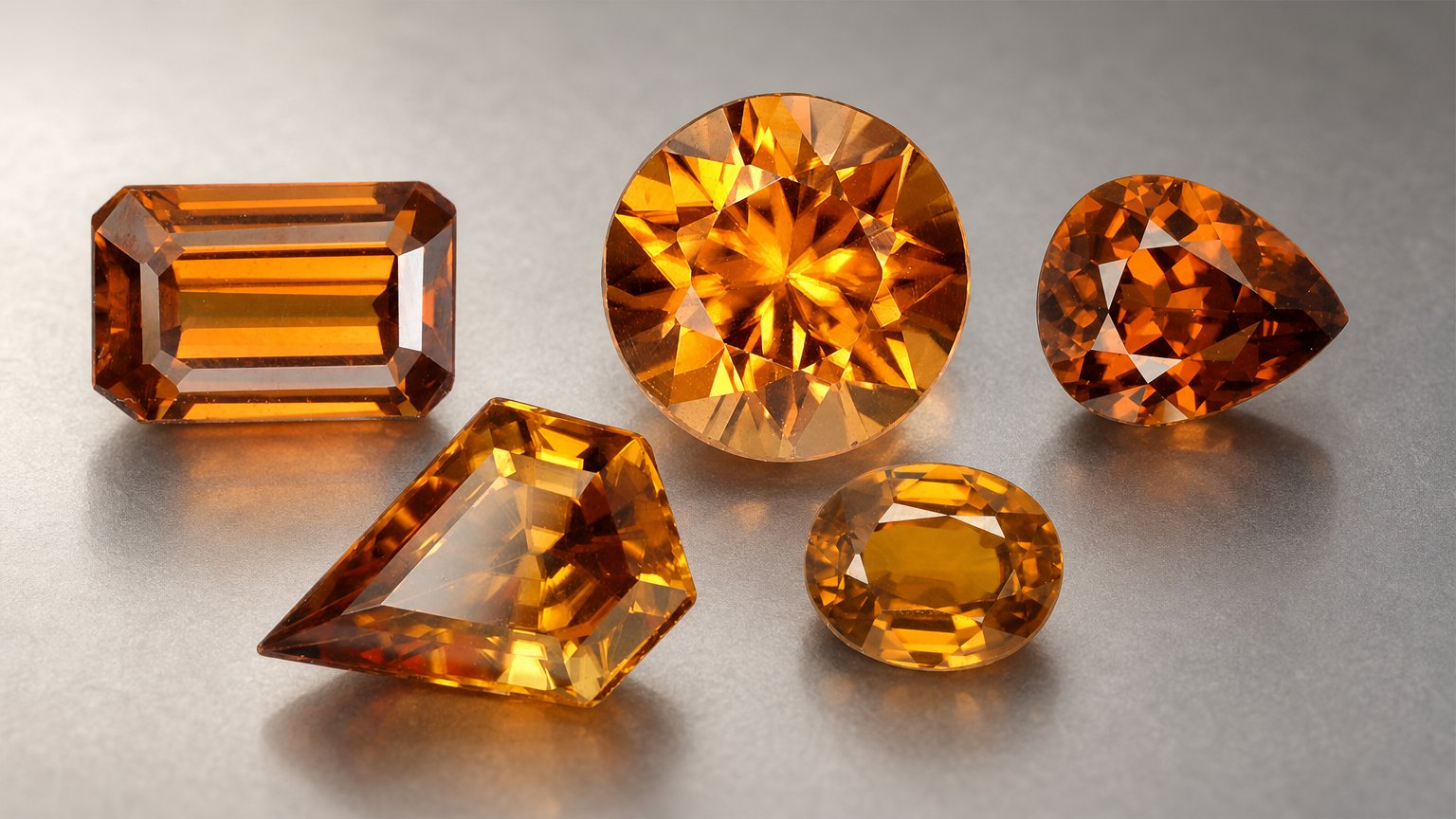
Faceted orange zircon is the most common and practical choice for buyers who want brilliance. Diamond cuts, step cuts and other faceted styles can all be attractive, depending on the shape and design. Portuguese cuts may also be seen and can create a lively, detailed appearance when well executed. Cabochons are less common but may appeal to buyers who prefer a smooth, domed surface rather than sparkle from facets.
Popular shapes include oval and round, both of which are versatile for rings, earrings and pendants. Cushion and octagon shapes are also good choices, especially for more structured or vintage-inspired designs. Pear, square and trillion shapes can work well when the jewelry design calls for something more distinctive.
When evaluating cut, look for balanced proportions, even symmetry and good face-up brightness. In faceted zircon, the quality of the cutting has a major effect on beauty because the stone's optical properties reward a well-made cut.
Clarity and Transparency
Clarity should be judged by the overall appearance of the stone. For most jewelry buyers, the key question is whether inclusions are easily visible to the unaided eye and whether they affect beauty. A transparent orange zircon with attractive color and good brightness will usually be more desirable for fine jewelry than a stone with obvious distracting inclusions.
Minor natural inclusions can be acceptable, especially if they do not interfere with sparkle or color. For precision settings, matched pairs or center stones, buyers may prefer cleaner-looking gems with consistent appearance across the piece.
Durability and Daily Wear
Orange zircon has a Mohs hardness of 6.5-7.5. This makes it suitable for many jewelry styles, but it is not as hard as sapphire or diamond. It can be worn in rings, including statement rings, but ring buyers should choose protective settings and wear the piece with reasonable care.
Earrings, pendants and necklaces are often lower-risk choices because they are less exposed to knocks and abrasion than rings and bracelets. Bracelets can be beautiful, but they experience frequent contact with hard surfaces, so settings should protect the stone as much as possible.
For care, avoid rough handling, sharp blows and storage where the zircon can rub against harder gems. Clean with mild soap, warm water and a soft cloth or soft brush. If the jewelry has a delicate setting, ask a jeweler before using any mechanical cleaning method.
Treatments: What Buyers Should Ask
Orange zircon may be untreated, and untreated stones are an important part of the market. Heat treatment is also known for zircon and should be disclosed when present. Irradiation is less commonly associated but is still a treatment buyers may see disclosed.
The practical buying advice is simple: ask whether the orange zircon is untreated, heated or irradiated, and make sure the answer is clearly stated on the product information. Treatment disclosure helps you compare stones fairly and buy with confidence.
Origins of Orange Zircon
Important sources for orange zircon include Cambodia and Myanmar, with Sri Lanka, Tanzania and Vietnam also associated with the gemstone. Australia and Thailand are additional known origins.
Origin can be interesting to collectors, but for most jewelry buyers it should not outweigh visible quality. Color, cut, clarity, size, treatment disclosure and suitability for the intended jewelry design are usually more important than country of origin unless you are specifically collecting by source.
Choosing Orange Zircon for Jewelry
Orange zircon is well suited to rings, earrings and pendants. For rings, especially everyday rings or statement rings, consider a setting that helps protect the stone from impact. Bezel settings, halos or designs with secure prongs can be practical choices depending on the style.
Earrings and pendants are excellent options for showing orange zircon's brightness with less wear risk. Necklaces can also work well, particularly when the design keeps the gem away from heavy abrasion. Bracelets require more care because wrist jewelry is more exposed to bumps.
Practical Buying Checklist
- Color: Choose an orange tone that looks attractive in normal light and suits the jewelry design.
- Cut: Prioritize good brilliance, symmetry and face-up appeal, especially in faceted stones.
- Shape: Oval and round are versatile; cushion and octagon shapes offer a more distinctive look.
- Clarity: Look for a clean appearance without distracting visible inclusions.
- Treatment: Confirm whether the stone is untreated, heat treated or irradiated.
- Durability: Match the setting to the use; rings and bracelets need more protection than earrings or pendants.
- Identity: Make sure the stone is natural zircon, not cubic zirconia.
Summary
The best orange zircon purchase balances vivid color, lively cutting, good clarity and proper treatment disclosure. Its high refractive index can make it a very bright gemstone when well cut, while its Mohs hardness of 6.5-7.5 means jewelry design and care are important, especially for rings and bracelets. Buyers who choose a well-cut stone from a reliable source can enjoy orange zircon as a distinctive December birthstone option and a vibrant gemstone for many jewelry styles.