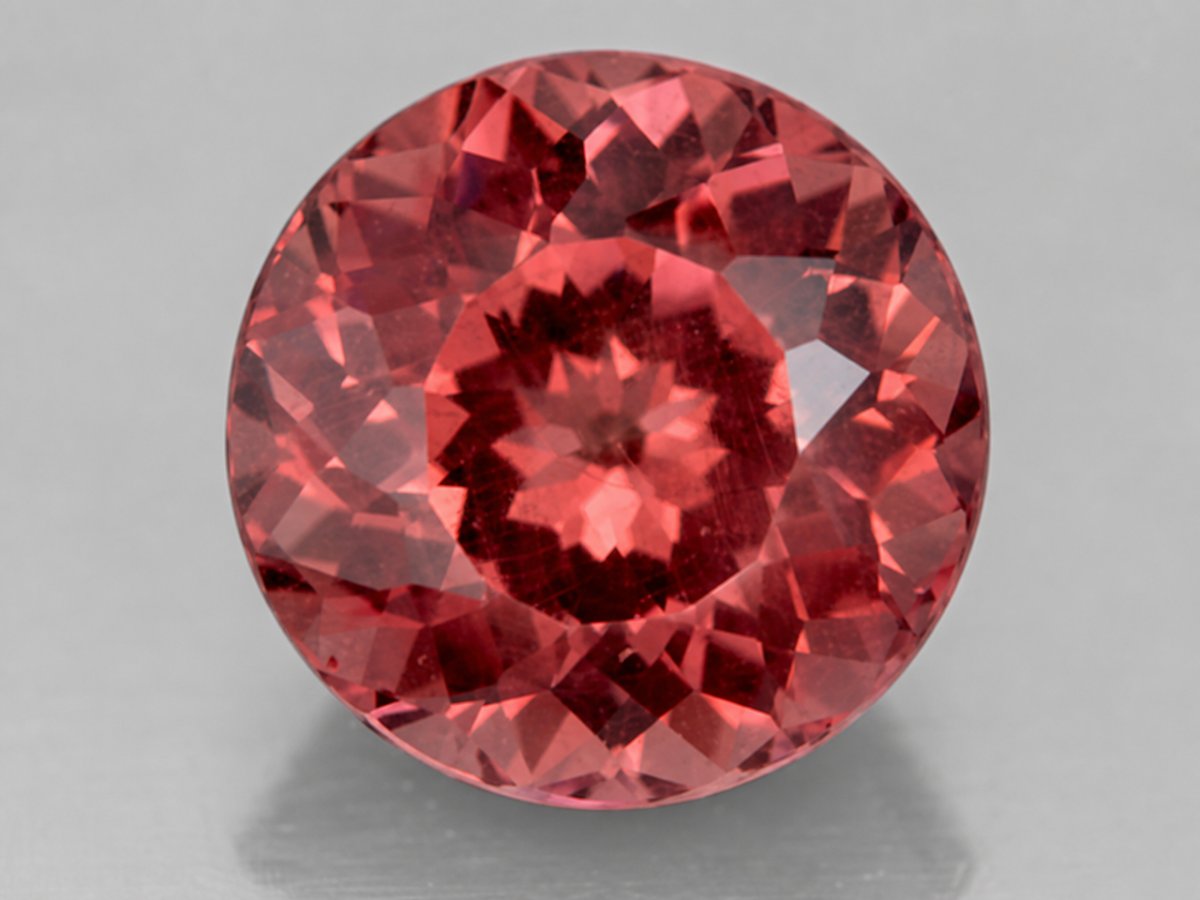


Malaya Garnet is a distinctive garnet variety valued by buyers who want warm, attractive color in a durable gemstone suitable for many types of jewelry. Its color range includes red, pink, champagne and orange, giving it a softer and more varied look than the classic deep red often associated with garnet.
This buying guide explains the features that matter most when choosing Malaya Garnet: color, cut, durability, treatments, origin and practical jewelry use. Whether you are selecting a single loose gemstone or matching stones for a design, these points will help you compare options with confidence.
What Is Malaya Garnet?
Malaya Garnet is a variety of garnet associated with the pyrope and spessartine garnet groups. Chemically, it is a mixture of pyrope, Mg₃Al₂(SiO₄)₃, and spessartine, Mn₃Al₂(SiO₄)₃, often with almandine, Fe₃Al₂(SiO₄)₃, components. This mixed composition is part of what gives Malaya Garnet its attractive range of warm colors.
Like other garnets, Malaya Garnet belongs to the cubic crystal system. Its refractive index of 1.74-1.79 helps explain why well-cut stones can appear lively and bright. For buyers, the most important point is simple: judge each stone by its face-up color, cutting quality, clarity appearance and suitability for the intended jewelry design.
Color: The Main Buying Factor
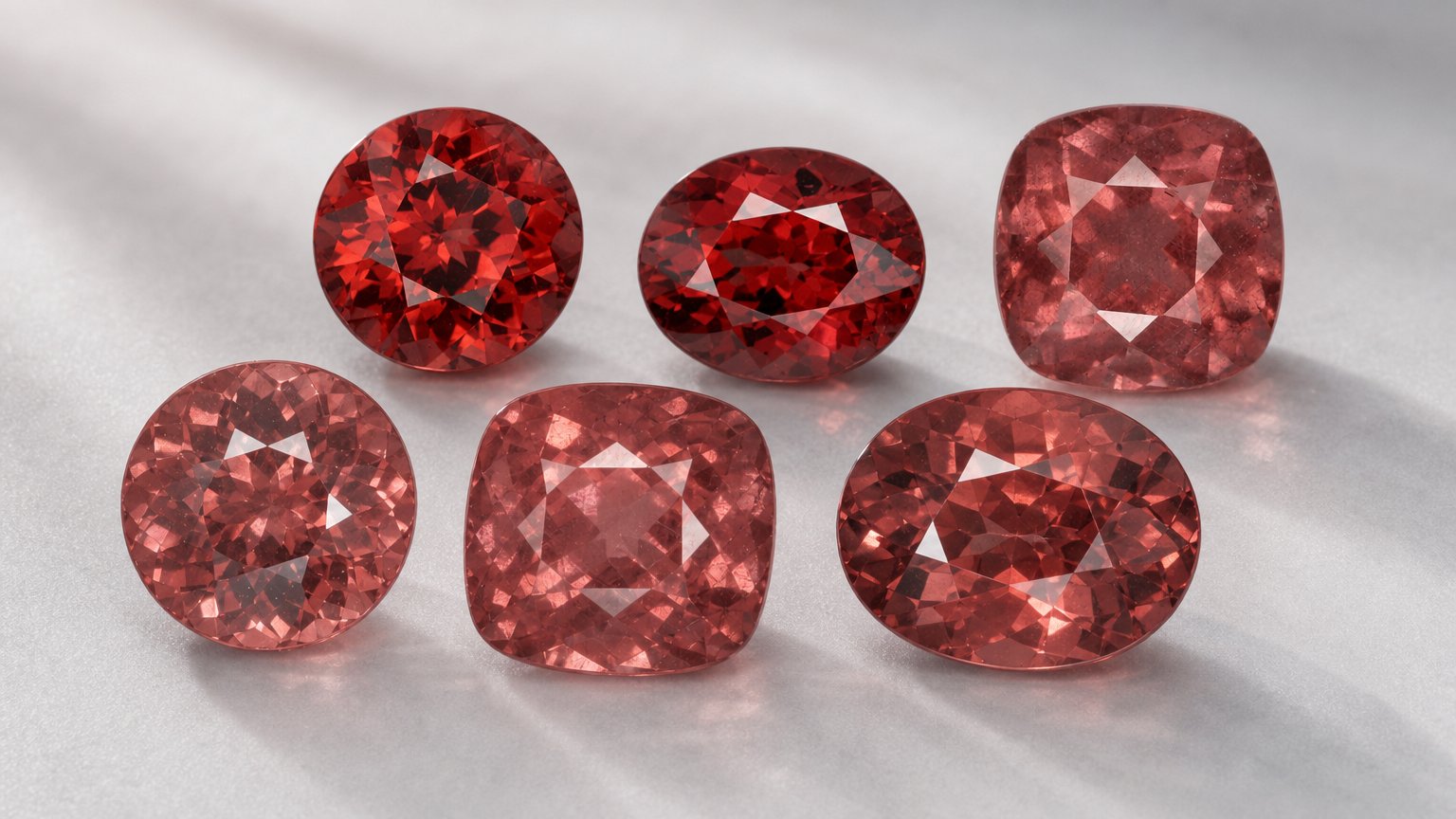
Color is usually the first feature buyers notice in Malaya Garnet. The known color range includes red, pink, champagne and orange. Red is the most strongly associated color, while pink tones can give the gem a delicate, romantic appearance. Champagne and orange stones offer warmer, softer alternatives for buyers looking for something less traditional.
When comparing stones, look at the gem in more than one lighting condition if possible. A stone that looks balanced and attractive in the viewing environment most similar to its intended use is usually the better practical choice. For jewelry, consider how the color will work with the metal: warmer champagne and orange tones can pair attractively with yellow or rose-colored metals, while red and pink stones can create stronger contrast in white metals.
There is no single "best" Malaya Garnet color for every buyer. Choose the color that looks pleasing face-up, has good saturation for your taste and suits the final jewelry design.
Cut, Shape and Face-Up Appearance
Most Malaya Garnets are cut as faceted gemstones. Faceting is well suited to this material because it helps bring out brightness and color. Checkerboard and step cuts are also seen, while cabochons are less common but may appeal to buyers who prefer a smooth, domed surface rather than a sparkling faceted look.
Round shapes are especially common and are useful for classic rings, earrings and pendants. Oval and pear shapes are also popular choices because they can create an elegant outline and often suit both traditional and contemporary designs. Cushion, marquise and octagon shapes may be selected when the design calls for a more distinctive profile.
For buying purposes, look for a stone with even symmetry, a pleasing outline and no obvious windowing when viewed face-up. A "window" is a pale or see-through area caused by cutting angles that allow light to pass through instead of reflecting back to the viewer. A well-cut Malaya Garnet should show attractive color across the face of the stone and have a balanced appearance.
Clarity and Transparency
Clarity should be judged visually. Since Malaya Garnet is usually purchased for its color and face-up beauty, inclusions matter most when they affect appearance, transparency or durability. Small internal features may be acceptable if they are not obvious without magnification and do not distract from the overall look.
For rings and close-view jewelry, inspect the gemstone from the top and sides. For earrings and pendants, minor features may be less noticeable in normal wear. If you are buying matching stones, prioritize a similar color and brightness first, then compare clarity.
Durability and Everyday Wear
Malaya Garnet has a Mohs hardness of 7-7.5, making it durable enough for many jewelry uses. It is suitable for rings, earrings, pendants, necklaces and bracelets when the setting is appropriate. Rings and bracelets experience more contact than earrings and pendants, so protective settings and sensible wear habits are helpful.
For an everyday ring, choose a secure design that protects exposed edges and corners, especially for pear, marquise or other pointed shapes. For earrings and pendants, Malaya Garnet is generally easier to wear because those pieces are less likely to receive knocks during normal use.
Treatments and Disclosure
Malaya Garnet is associated with untreated material. For buyers, this is an advantage because purchasing decisions can focus on the natural color, cut and appearance of the stone rather than treatment effects.
Even so, always check the seller's treatment disclosure before purchase. A trustworthy listing should clearly state whether the stone is untreated. GemSelect provides treatment information on gemstone listings so buyers can review important details before choosing a gem.
Origins of Malaya Garnet
Important sources of Malaya Garnet include Kenya and Tanzania, with Madagascar also noted as a significant origin and Sri Lanka as another known source. Origin can be interesting to collectors and may matter to buyers who prefer gemstones from a particular location.
For most jewelry buyers, however, visual quality should come first. A well-cut stone with appealing color is generally more important than origin alone. If origin is important to you, look for clear origin information from the seller and consider whether documentation is needed for your purpose.
Choosing Malaya Garnet for Jewelry
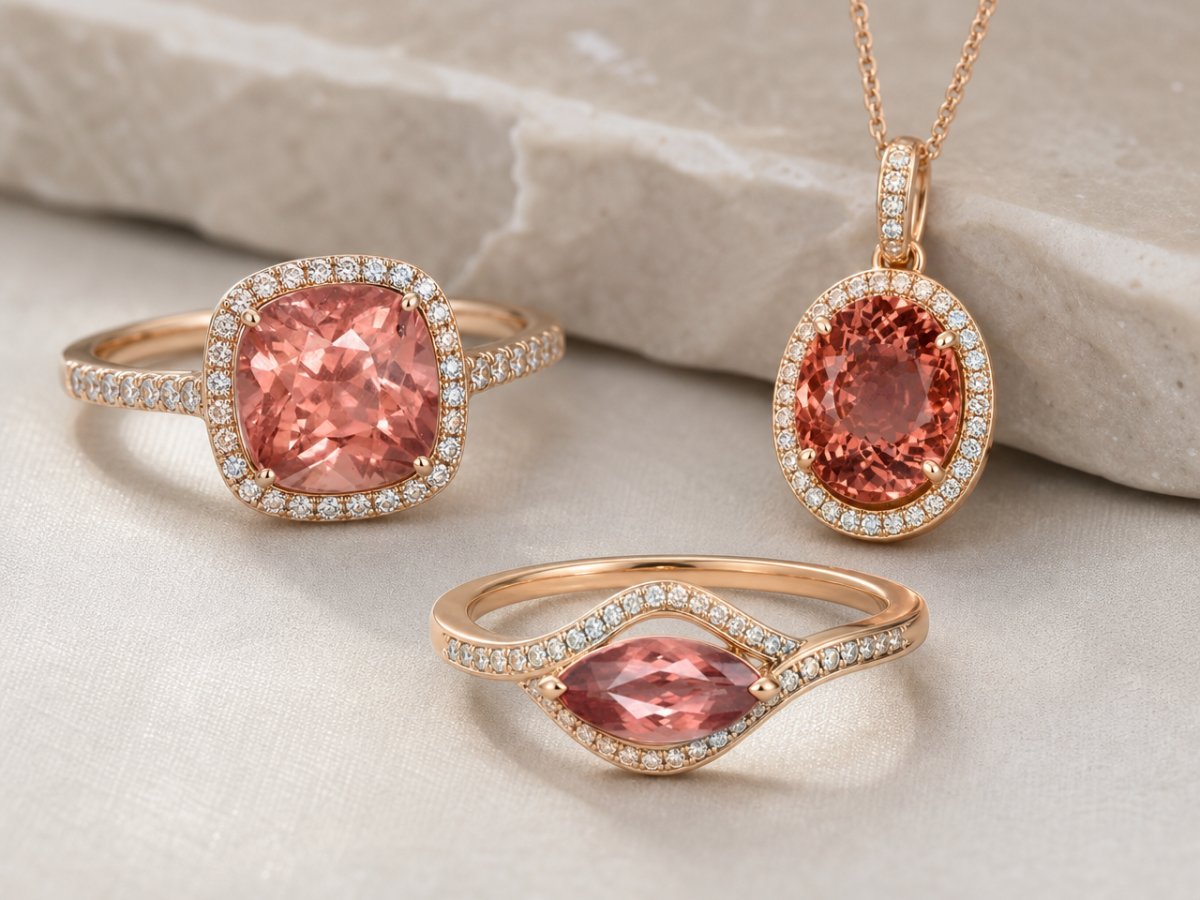
Malaya Garnet is versatile for jewelry. Rings are a strong choice, especially when the stone is well set and protected. Earrings and pendants are excellent options because they showcase color while exposing the gemstone to less daily impact. Necklaces and bracelets can also work well, provided the design protects the stones from unnecessary abrasion or knocks.
For custom jewelry, consider the shape early in the design process. Round stones are easy to use in classic settings and matched pairs. Ovals and pears can make a design look more elongated or graceful. Step cuts and octagons may suit geometric styles, while checkerboard cuts can create a more textured surface appearance.
Practical Buying Checklist
- Choose color first: compare red, pink, champagne and orange options and select the tone that best suits your design and taste.
- Check the cut: look for balanced proportions, good symmetry and attractive brightness across the face of the gem.
- Inspect clarity: avoid inclusions that are distracting to the eye or that reduce transparency.
- Match shape to jewelry use: round, oval and pear shapes are versatile; pointed shapes need thoughtful setting protection.
- Confirm treatment status: Malaya Garnet is associated with untreated stones, but disclosure should still be reviewed.
- Consider durability: hardness of 7-7.5 supports many jewelry uses, with rings and bracelets needing the most protective settings.
- Review origin if important: Kenya, Tanzania, Madagascar and Sri Lanka are known sources, but appearance should remain the main buying factor for most jewelry projects.
Summary
Malaya Garnet is a warm-colored garnet variety associated with pyrope and spessartine. Its red, pink, champagne and orange colors give buyers a broad range of design possibilities, while its 7-7.5 Mohs hardness makes it practical for many jewelry types. Focus on face-up color, good cutting, eye-pleasing clarity and clear treatment disclosure. If the stone looks attractive, is suitable for the intended setting and comes from a seller who provides transparent information, you can buy Malaya Garnet with confidence.