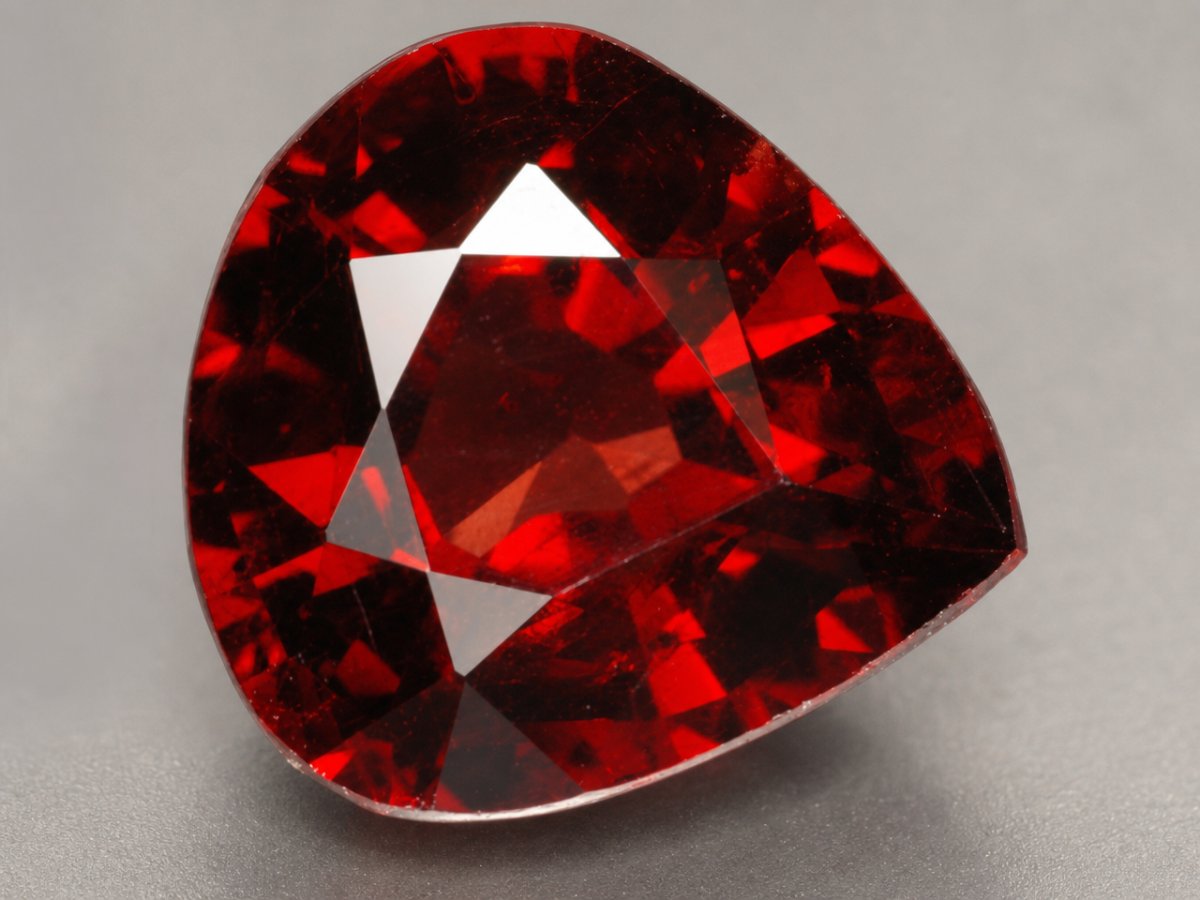


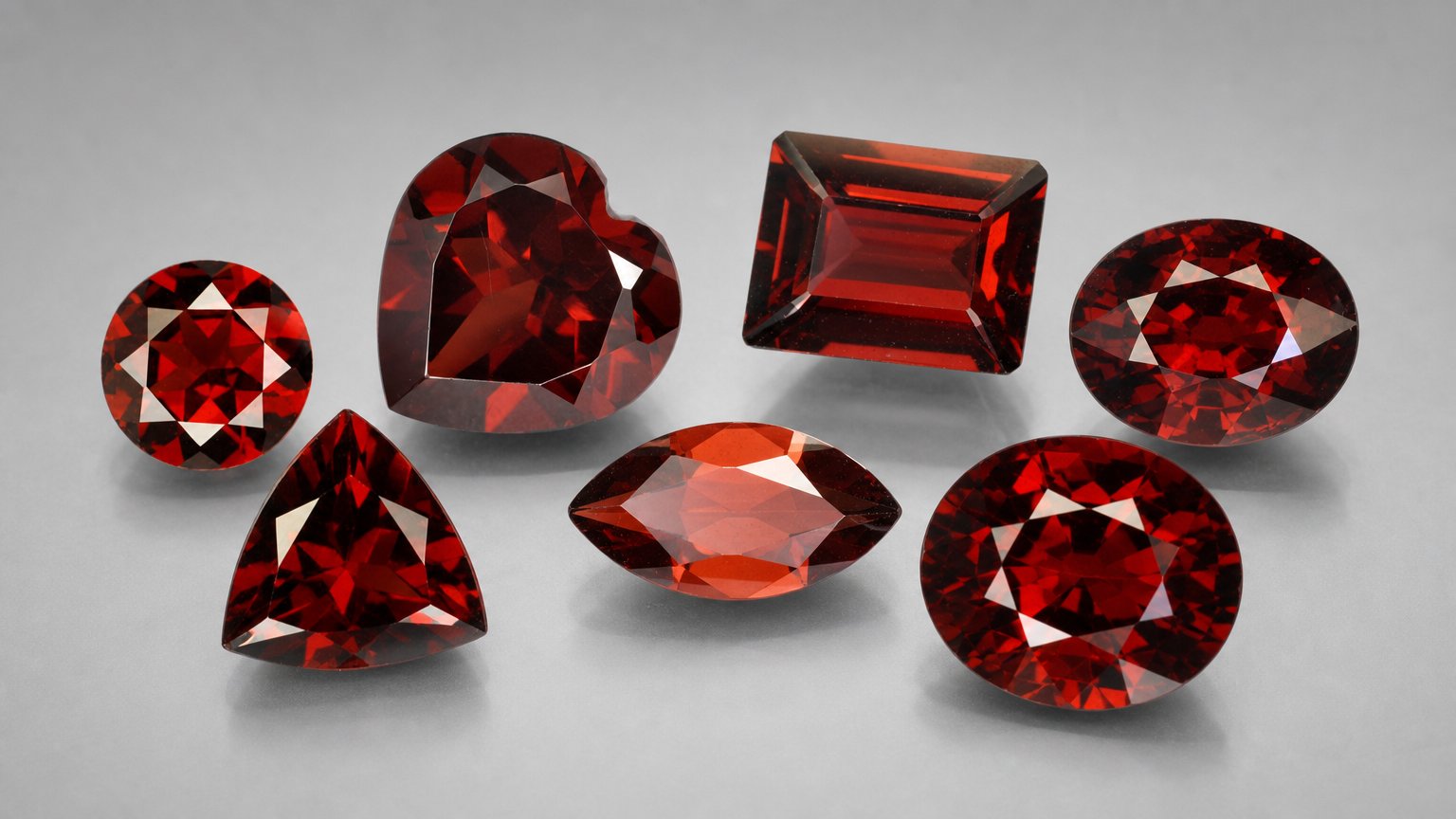
Pyrope garnet is a red garnet variety valued by buyers who want a classic garnet look in a gemstone suitable for many jewelry designs. It is especially relevant for shoppers seeking January birthstone jewelry, red accent stones, matched pairs for earrings, or a single gem for a ring or pendant. Because pyrope garnet is commonly offered untreated, it also appeals to buyers who prefer gemstones with a natural appearance and straightforward disclosure.
This buying guide explains the main points to review before purchasing pyrope garnet: color, clarity, cut, shape, size, origin, treatment status and jewelry use. The goal is not to create a complicated grading system, but to help you compare stones with confidence and choose the gem that best suits your design, budget and personal taste.
What Is Pyrope Garnet?
Pyrope garnet is a member of the garnet family and is associated with the pyrope mineral species. In jewelry buying terms, it is best known as a red garnet. Garnet is also the traditional birthstone for January, making pyrope garnet a natural choice for birthstone rings, earrings, pendants and other personal jewelry.
For buyers, the most important thing to understand is that pyrope garnet is purchased primarily for its red color, its suitability for jewelry, and its typically untreated status. While gemologists may identify garnets by composition and diagnostic testing, most shoppers compare pyrope garnets by visual quality, cutting style, size and overall appeal.
Color: The Key Feature of Pyrope Garnet
Color is the first feature most buyers notice in pyrope garnet. The known color for pyrope garnet is red, and the most attractive stone for you will depend on the red tone you prefer and the type of jewelry being made.
When comparing pyrope garnets, look at the stone under more than one lighting condition if possible. A gemstone can look different under daylight, indoor lighting and showroom lighting. For online buying, review the seller photos carefully and pay attention to whether the gem appears evenly colored across the face of the stone.
What to Look for in Red Color
A good pyrope garnet purchase starts with a red color that appeals to your eye. Consider these practical points:
- Evenness: The color should look balanced when viewed face-up. Uneven areas may be caused by the cut, the stone shape or the way light moves through the gem.
- Brightness: A red gemstone should not appear lifeless. Cut quality has a major effect on how bright the gem looks.
- Depth of color: Some buyers prefer a deep red look, while others prefer a brighter red appearance. Choose according to the jewelry style and personal preference.
- Jewelry context: A red stone that looks strong on its own may look different once set in metal or surrounded by other gems.
There is no need to buy the darkest stone automatically. In many gems, color that is too dark can reduce visible brilliance. The best choice is a balanced red that remains attractive in the lighting where the jewelry will be worn.
Clarity and Transparency
Clarity describes how clean a gemstone looks and whether inclusions or surface-reaching features are visible. With pyrope garnet, buyers should focus on what can be seen with the unaided eye. A stone that appears clean and attractive face-up is usually more desirable for jewelry than one with obvious distracting marks.
When viewing a loose pyrope garnet, check the center of the stone first. Inclusions near the center are usually more noticeable than features hidden near the edge, especially once the gem is set. For rings and pendants, face-up appearance is particularly important because the gemstone will be viewed directly. For earrings, matched overall appearance often matters more than magnified clarity details.
Practical Clarity Tips
- Ask whether the stone is eye-clean if the listing does not make the appearance clear.
- Inspect photos for surface blemishes, chips or abrasion near facet edges.
- For pairs or sets, prioritize similar color and brightness as well as similar clarity.
- Do not judge a stone only by magnified images; photos can make tiny features look larger than they appear in real life.
Cut Styles and Shapes
Cut has a major influence on the appearance of pyrope garnet. A well-cut gem will show better brightness, more pleasing color distribution and a more attractive outline. Pyrope garnet is commonly found in faceted cuts and cabochons. Faceted stones are chosen for sparkle and light return, while cabochons offer a smooth, polished surface and a softer, more traditional look.
Common shapes include oval, octagon and pear. Round and square shapes are also seen, while heart and marquise shapes may be chosen for more distinctive designs. The best shape depends on the jewelry design, the setting style and how much visual impact you want from the stone.
Faceted Pyrope Garnet
Faceted pyrope garnet is a popular choice for rings, earrings and pendants because facets help the stone reflect light. When buying a faceted stone, look for symmetry, balanced proportions and an attractive face-up appearance. If the cut is too deep or too shallow, the gemstone may appear dark in the center or less lively than expected.
Emerald cuts and step cuts can be appealing choices for buyers who like clean lines and a more architectural style. These cuts often emphasize shape and color rather than intense sparkle. Portuguese cuts can add a more complex faceting pattern, which may create a lively appearance when well executed.
Cabochon Pyrope Garnet
A cabochon is cut with a smooth domed top rather than facets. Cabochons can be useful when the buyer wants a softer look, a vintage-inspired design or a gem that emphasizes body color rather than brilliance. When choosing a cabochon, examine the dome shape, polish quality and outline. A pleasing cabochon should look balanced, not lopsided, and should have a smooth surface without distracting marks.
Choosing the Right Shape
Oval pyrope garnets are versatile and work well in rings, earrings and pendants. Pear shapes can create elegant drops for earrings or pendants and can also make a ring design appear longer on the finger. Octagon shapes are well suited to emerald cuts and step cuts, giving the stone a structured, refined appearance. Round and square stones are practical choices for classic settings and matched jewelry designs.
Size and Matching Considerations
Size selection should be based on the jewelry design as much as carat weight. A larger pyrope garnet may create stronger visual impact, but the stone should still have good color and cut. For rings, consider finger size, setting height and daily wear habits. For pendants, a slightly larger gem may be appropriate because pendants can comfortably hold a broader range of sizes. For earrings, weight and balance are important, especially if the design is intended for regular wear.
If you are buying two pyrope garnets for earrings or several stones for a necklace, matching becomes essential. Look for similar red color, shape, dimensions, cutting style and brightness. Carat weight alone does not guarantee a matched appearance, because two stones of the same weight can face up differently depending on proportions.
Origins of Pyrope Garnet
Pyrope garnet is associated with several origins, including Mozambique, India, Madagascar, Sri Lanka, Namibia and Tanzania. Mozambique is an important origin to know, while India, Madagascar and Sri Lanka are also notable sources. Namibia and Tanzania may also be encountered in the market.
For most buyers, origin should be considered useful descriptive information rather than the only reason to buy a stone. A beautiful pyrope garnet should still be judged by its color, cut, clarity and suitability for the intended jewelry. If origin matters to you for collecting, design storytelling or personal preference, request clear origin information from the seller where available.
Treatments and Disclosure
Pyrope garnet is commonly sold as untreated. This is an important buying point because many gemstone buyers prefer stones whose color and appearance have not been altered by treatment. When comparing pyrope garnets, check the treatment disclosure and keep a copy of the purchase information for your records.
Untreated does not automatically mean one stone is better than another in every visual respect. You should still compare color, cutting and clarity. However, clear treatment disclosure helps you understand exactly what you are buying and supports confidence when the stone is later set, appraised or resold.
Durability and Everyday Jewelry Use
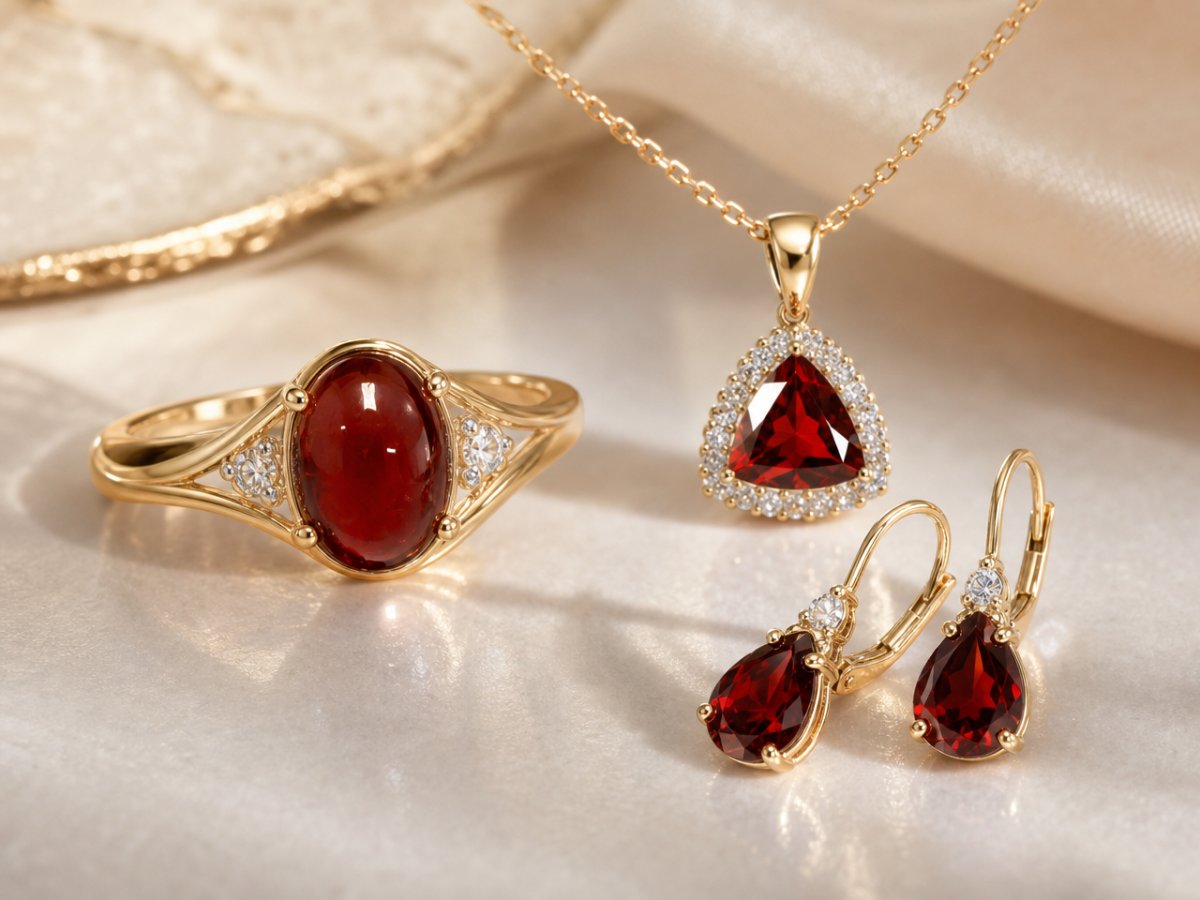
Pyrope garnet is used in a range of jewelry, including rings, earrings, pendants, necklaces and cufflinks. Rings and earrings are especially common choices. When buying any gemstone for jewelry, durability should be considered together with setting style and wear habits.
For rings, especially those worn often, choose a secure setting and consider protection around the edges of the stone. Facet edges and pointed shapes can be more exposed in open designs. For pendants and earrings, the gem is usually less exposed to impact than in a ring, giving designers more flexibility with shapes such as pear or marquise.
Care Tips for Pyrope Garnet Jewelry
Care should be sensible and gentle. Avoid hard knocks, harsh chemicals and rough storage with harder jewelry items. Clean pyrope garnet jewelry with mild soap, warm water and a soft brush when appropriate for the setting. If the piece includes other gemstones or delicate metalwork, follow the care needs of the most sensitive component.
Best Jewelry Uses for Pyrope Garnet
Pyrope garnet is a practical choice for many jewelry types because its red color works in both classic and contemporary designs. The best use depends on the stone size, shape and cut.
Pyrope Garnet Rings
Rings showcase pyrope garnet directly and make the red color easy to appreciate. Ovals, octagons, rounds and squares can all work well. For a ring that will be worn frequently, choose a setting that holds the stone securely and protects vulnerable corners or points.
Pyrope Garnet Earrings
Earrings are one of the strongest uses for pyrope garnet. Matched pairs in oval, round or pear shapes can create a coordinated look. When buying earring stones, compare the pair face-up rather than relying only on individual carat weight. Similar color and brightness are more important than perfect numerical matching.
Pyrope Garnet Pendants and Necklaces
Pendants allow pyrope garnet to be displayed with less exposure to impact than a ring. Pear and oval shapes are especially natural choices for pendant designs, while octagon stones can suit clean, geometric styles. In necklaces, pyrope garnet may be used as a central stone or as part of a repeated design.
Pyrope Garnet Cufflinks
Cufflinks offer a refined use for pyrope garnet, especially in darker metal settings or structured designs. Octagon, square and round shapes can provide a formal look. Because cufflinks can contact hard surfaces during wear, secure setting is important.
How to Buy Pyrope Garnet with Confidence
A successful pyrope garnet purchase comes from comparing the details that affect appearance and wearability. Whether buying from GemSelect or another trusted seller, review the stone as a complete gem rather than focusing on a single factor.
1. Start with Color
Choose a red that you find attractive. Look for even color and enough brightness to keep the stone lively. Consider whether the gem will be worn in a ring, pendant or earrings, because the viewing distance and lighting may differ.
2. Review Cut Quality
Check whether the cut supports the stone’s beauty. A well-cut faceted pyrope garnet should have appealing symmetry and good light return. A cabochon should have a smooth polish and balanced dome. Shape should fit the intended setting.
3. Check Face-Up Clarity
Look at the gem as it will be seen in jewelry. Inclusions or blemishes that are obvious in the center may be more distracting than small features near the edge. For online buying, use photos and seller descriptions together.
4. Confirm Treatment Status
Because pyrope garnet is commonly untreated, treatment disclosure should be straightforward. Confirm that the listing states the treatment status clearly.
5. Consider Origin Appropriately
Origins such as Mozambique, India, Madagascar, Sri Lanka, Namibia and Tanzania may be noted for pyrope garnet. Origin can add interest, but the stone’s appearance and suitability for your jewelry project should remain the main criteria.
6. Match the Stone to the Setting
Do not choose a gemstone in isolation if you already know the jewelry design. An oval may be easier to set in a classic ring, a pear may suit a pendant or drop earrings, and an octagon may fit a refined step-cut design. Ask your jeweler about dimensions, setting depth and protection before finalizing a purchase.
Summary
Pyrope garnet is a red garnet variety and a meaningful January birthstone choice. Buyers should focus on red color, attractive cut, face-up clarity, suitable shape and clear treatment disclosure. It is commonly available as untreated and is used in rings, earrings, pendants, necklaces and cufflinks.
When shopping, compare stones visually and practically. The right pyrope garnet should look appealing in the lighting and jewelry style where it will be worn. A balanced red color, a cut that brings the gem to life, and a secure setting will do more for long-term satisfaction than any single label on its own.