

Imperial Topaz is one of the most distinctive forms of topaz, admired for its warm orange and yellow colors and its refined, memorable name. In a meaning and history context, the gemstone is best understood through three reliable themes: its place within the topaz family, its warm color symbolism, and its modern association with November as a birthstone.
Because many gemstones gather folklore over time, it is useful to separate documented facts from personal or symbolic interpretation. Imperial Topaz has a clear identity as a variety of topaz, with important sources including Brazil, as well as Pakistan and Russia. Its deeper meanings today are often shaped by its color, its name, and its role in birthstone jewelry rather than by a single universal legend.
What Is Imperial Topaz?
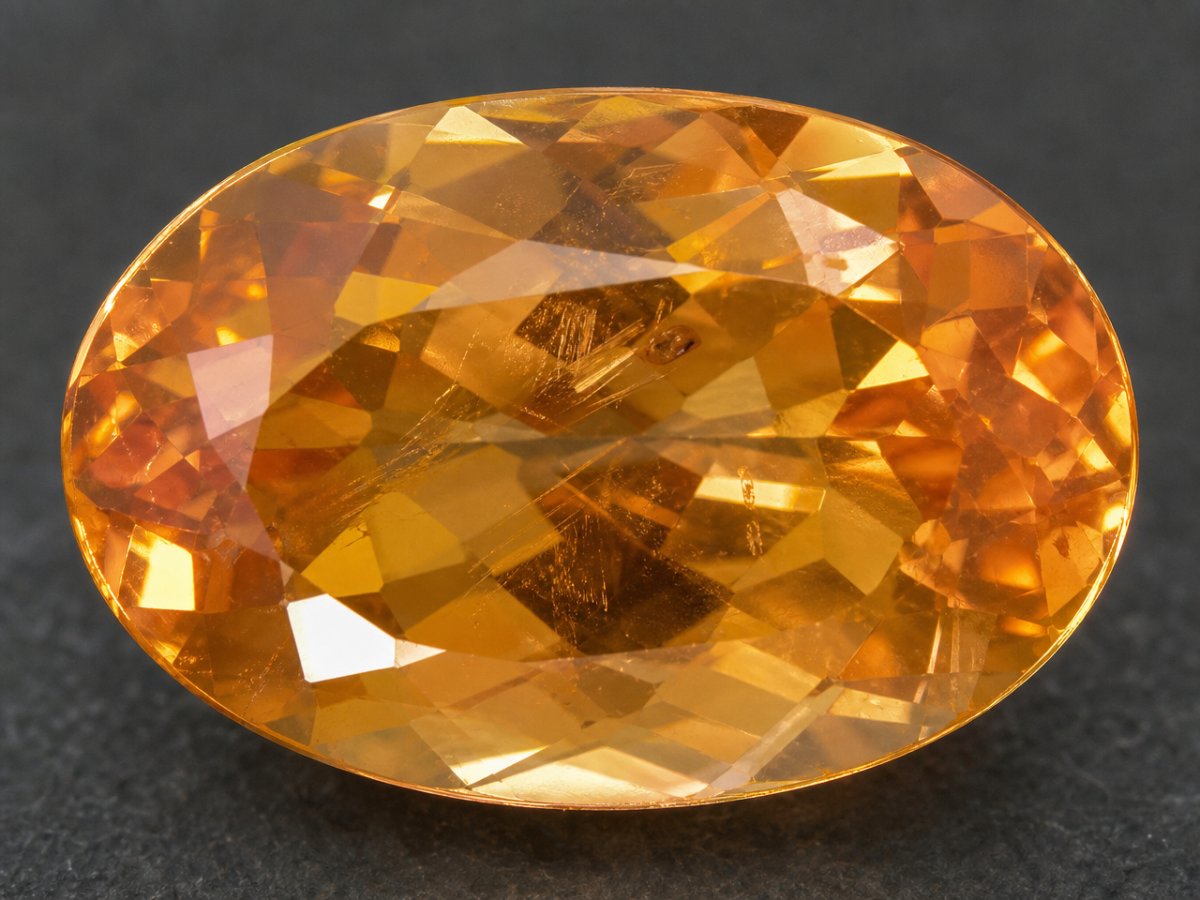
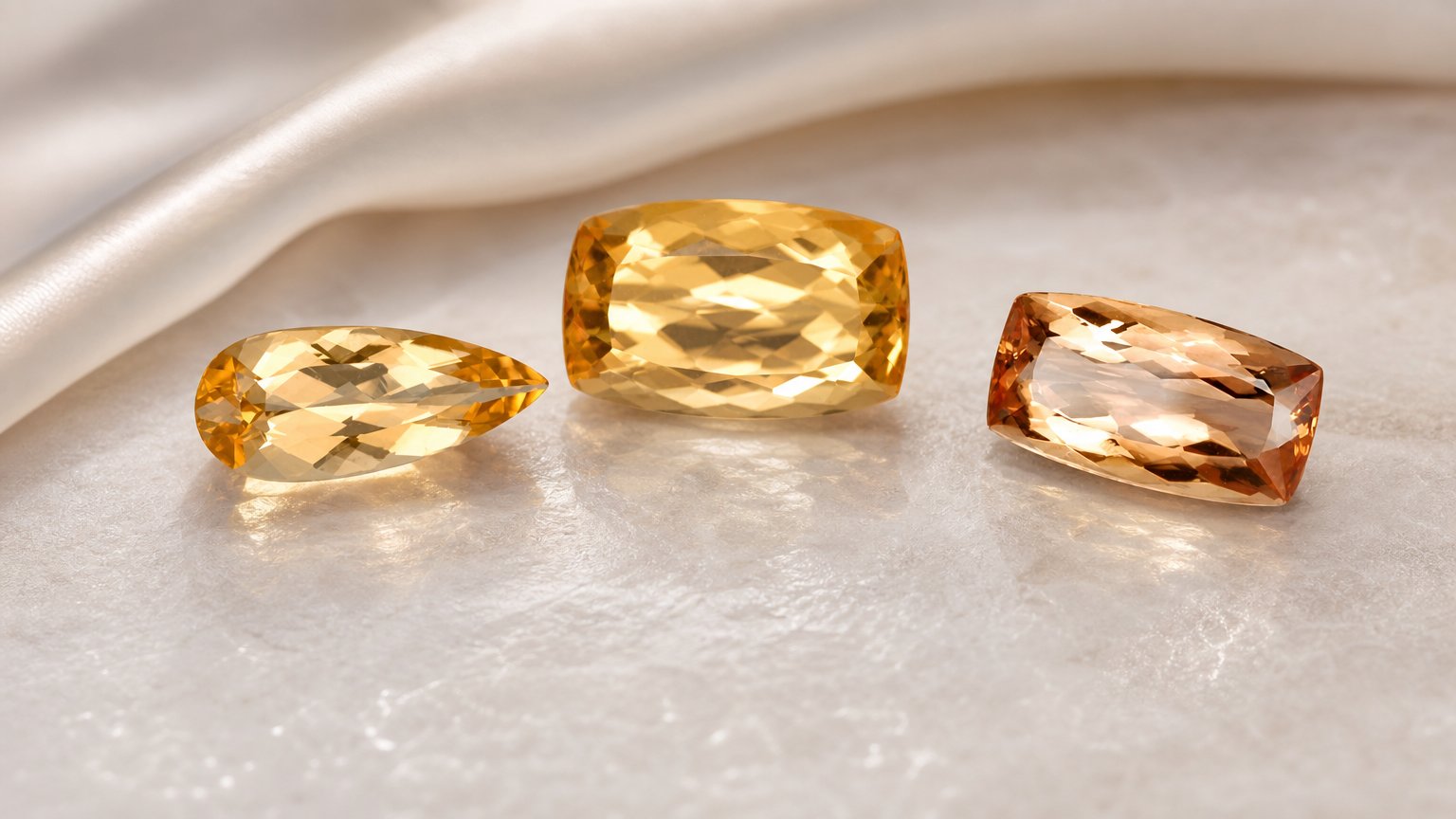
Imperial Topaz is a variety of the mineral species topaz. It is most closely associated with orange and yellow colors, which give it a warm, golden appearance. These colors help explain why the gemstone is often perceived as elegant, bright and celebratory.
The word imperial carries a strong cultural impression. In ordinary language, it suggests rank, distinction and grandeur. While that does not by itself prove a specific historical origin for the gemstone name, it does help explain why Imperial Topaz has a regal tone in modern jewelry language. For many collectors and jewelry lovers, the name adds to the gemstone's sense of importance and individuality.
Imperial Topaz Meaning and Symbolism
The meaning of Imperial Topaz is most naturally connected with its warm color range. Orange and yellow gemstones are often chosen for their bright, uplifting appearance. In personal symbolism, Imperial Topaz may represent warmth, confidence, celebration and a sense of refined style. These meanings should be understood as cultural and personal associations, not scientific properties.
Imperial Topaz can also carry a meaning of distinction. It is not simply described as topaz by color alone; the name sets it apart within the wider topaz family. This has helped make it a gemstone that many people view as special, expressive and suitable for meaningful gifts.
Historical and Geographic Context
Origin is an important part of how many gemstones develop their identity. Imperial Topaz is strongly associated with Brazil, which is the most important origin in the verified information for this gemstone. Pakistan is also a noted origin, while Russia has a historical association in the broader geographic picture of Imperial Topaz sources.
For a meaning and history guide, this geographic context matters because gemstone identity is often shaped by place. A gemstone's source can influence how it is collected, described and remembered. In the case of Imperial Topaz, Brazil is especially prominent in the gemstone's modern identity, while Pakistan and Russia add further context to its international presence.
Imperial Topaz as a November Birthstone
Imperial Topaz is associated with November as a birthstone. This connection gives the gem one of its clearest traditional meanings for modern buyers. As a November birthstone, it is often chosen to mark birthdays, personal milestones and family celebrations connected with that month.
Birthstone traditions combine history, custom and personal sentiment. The meaning comes less from a single documented event and more from the way people use gemstones to mark time and identity. For someone born in November, Imperial Topaz can symbolize a personal connection to their birth month while offering a warmer and more distinctive expression of the topaz family.
Folklore, Belief and Responsible Interpretation
Topaz in general has appeared in various symbolic and decorative traditions, but not every story about topaz should automatically be applied to Imperial Topaz specifically. A responsible interpretation keeps the distinction clear: Imperial Topaz is a specific topaz variety, and its most reliable associations are its color, its name, its known origins and its November birthstone role.
Modern crystal and symbolic traditions may assign emotional or spiritual meanings to gemstones. Such interpretations can be meaningful to individuals, but they should not be presented as medical or scientific claims. When Imperial Topaz is described as warm, uplifting or confidence-inspiring, those words are best understood as symbolic responses to the gem's appearance and cultural use.
Imperial Topaz in Modern Culture
Today, Imperial Topaz is appreciated by gemstone buyers, collectors and jewelry enthusiasts who want a topaz with a strong visual identity. Its orange and yellow colors give it a sunny character, while the imperial name creates an impression of refinement. This combination makes the gemstone feel both personal and elegant.
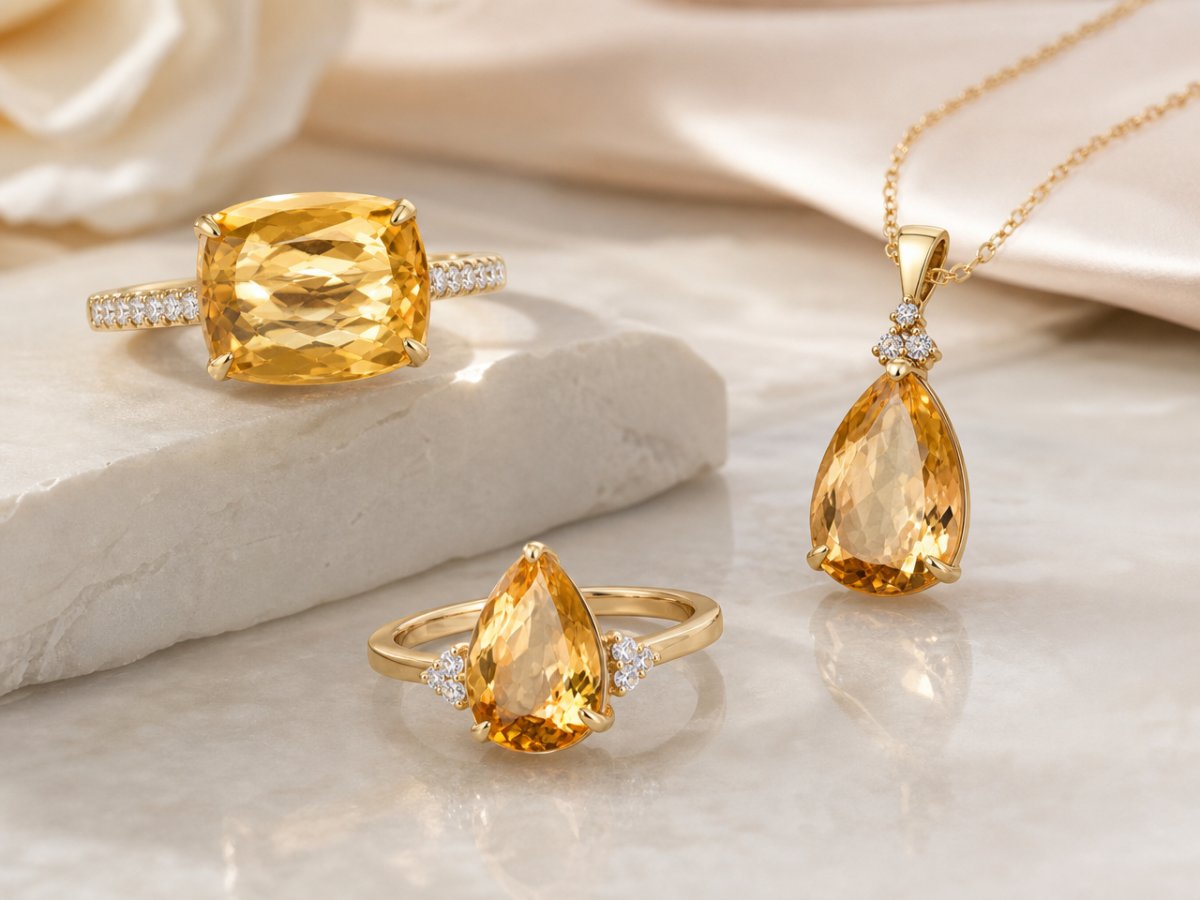
In modern gifting, Imperial Topaz is especially meaningful for November birthdays. It can also be chosen simply because its color carries warmth and individuality. Unlike symbolism based on legend alone, this modern meaning is easy to understand: people respond to the gemstone's appearance, its name and its association with a significant month.
Conclusion
Imperial Topaz meaning is rooted in a practical blend of gemstone identity, color symbolism and birthstone tradition. It is a variety of topaz known for orange and yellow colors, with Brazil as its most important noted origin and Pakistan and Russia also part of its source story. Its November birthstone association gives it a clear role in modern tradition, while its name and warm appearance support meanings of distinction, warmth and celebration.
For readers exploring Imperial Topaz at GemSelect, the most trustworthy approach is to enjoy both sides of the gemstone: its factual identity as a topaz variety and the personal meanings people attach to its color, name and birthstone connection.