


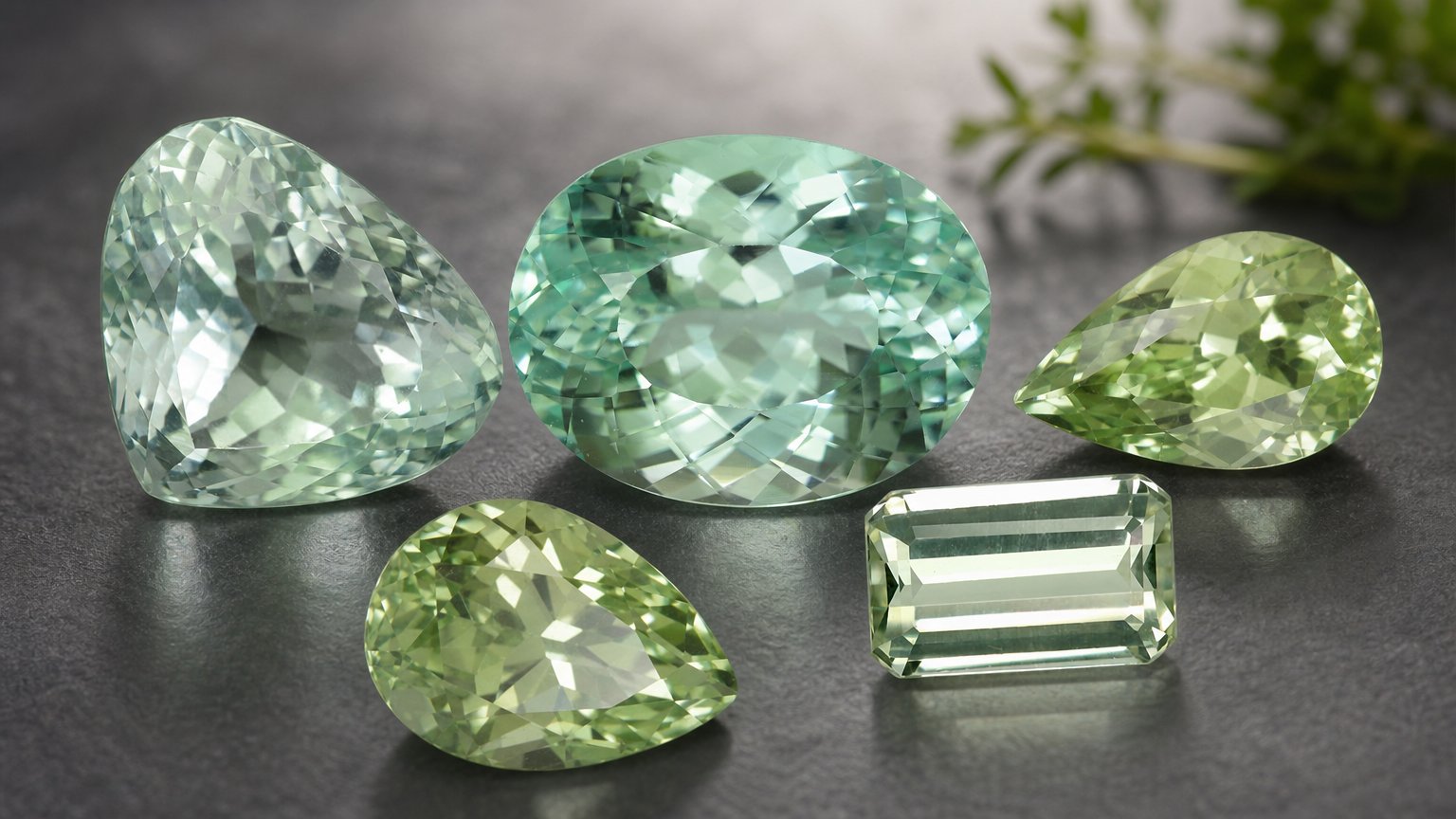
Hiddenite is a green gemstone from the spodumene mineral family, appreciated by buyers who want a fresh, elegant color in a gem that is less commonly seen than many mainstream jewelry stones. For collectors, hiddenite is appealing because it combines recognizable gemological identity with a distinctive green appearance. For jewelry designers, it offers attractive options for custom pendants, necklaces, rings and earrings when the stone is selected and set with care.
This buying guide explains the main points to consider before purchasing hiddenite: color, appearance, cut, size, treatments, origins, durability and jewelry suitability. The goal is not to reduce hiddenite to a single grade or formula, but to help you compare individual gems thoughtfully and choose the stone that best fits your design, budget and expectations.
What Is Hiddenite?
Hiddenite is associated with the spodumene mineral species. Its chemical formula is LiAlSi₂O₆, and it crystallizes in the monoclinic crystal system. In practical buying terms, this means hiddenite belongs to a recognized mineral group with specific gemological properties, including a Mohs hardness of 6.5 to 7, a refractive index of 1.660 to 1.676 and a specific gravity of 3.13 to 3.20.
For most buyers, the most important identifying feature is its color. Hiddenite is primarily known as a green gem, though stones may also show yellow or teal tones. Because every gemstone is a natural material, appearance can vary from stone to stone. A careful buyer should evaluate the actual gem being offered rather than relying only on the gemstone name.
Color and Appearance: What to Look For
Color is usually the first quality factor buyers notice in hiddenite. The most important color is green, which can range in appearance depending on tone and saturation. Some gems may lean toward yellow-green, while others may show a subtle teal influence. These color directions are a matter of personal taste, but they also affect how the stone will look in jewelry and under different lighting conditions.
Green Hiddenite
Green is the defining color for hiddenite and should be the starting point when comparing stones. A buyer should look for a color that is attractive face-up, meaning when viewed from the top as it will be seen in jewelry. A pleasant green appearance with good brightness is often more wearable than a stone that appears too dark or too pale for the intended design.
Yellow and Teal Influences
Yellow and teal can appear as secondary color directions in hiddenite. A yellow component can make the gem feel warmer and brighter, while teal can give the stone a cooler, more modern appearance. Neither is automatically better; the right choice depends on your preference and the jewelry style. For example, a yellow-green hiddenite may suit warm metal colors and organic designs, while a teal-leaning stone may work beautifully in contemporary settings.
Color Consistency and Lighting
When buying hiddenite, compare how the stone looks in different lighting environments if possible. A gemstone can appear different under daylight, showroom lighting and indoor evening lighting. If you are purchasing online, review all available photos and product details carefully. A reliable seller should provide clear images and accurate descriptions so you can judge whether the color matches your expectations.
Clarity and Transparency Considerations
Clarity refers to the visibility of internal features, surface-reaching marks or other characteristics that may affect a gemstone’s appearance. The Knowledge Snapshot for hiddenite does not establish a strict clarity grading scale, so buyers should avoid assuming that hiddenite is judged by the same standards used for diamonds or other gemstones.
Instead, use practical visual criteria. Ask whether inclusions are obvious to the naked eye, whether they distract from the color and brilliance, and whether they are located in a part of the stone that affects beauty or durability. In many colored gemstones, an inclusion that is minor and not distracting may be acceptable, especially if the color and cut are attractive. For fine jewelry, many buyers prefer stones that appear clean and lively when viewed without magnification.
Transparency also matters. Faceted hiddenite is generally chosen to show brightness and color through the body of the stone. A transparent or attractively translucent gem can be suitable depending on the design, but buyers should know whether the stone is intended to be a bright faceted gem or a more softly glowing cabochon.
Cut and Shape: How Cutting Affects Hiddenite
Cut has a major influence on how hiddenite displays color, brightness and overall beauty. Hiddenite is commonly faceted, and faceted stones are usually the best choice when you want sparkle and a crisp gem appearance. Step cuts are also common, especially in shapes such as octagons, where long, clean facets can emphasize color and clarity.
Faceted Hiddenite
A well-faceted hiddenite should show balanced proportions, a pleasing outline and good face-up color. When evaluating a faceted stone, check whether the gem looks lively across the whole surface or whether there are large dull areas. Some color zoning or uneven brightness can be part of the natural character of a gemstone, but the cut should still make the stone attractive in normal viewing.
Step Cuts
Step cuts use rows of parallel facets, creating a calmer and more architectural appearance than brilliant-style cuts. They can be elegant in hiddenite because they emphasize the gemstone’s body color. However, step cuts can also make inclusions easier to see, so clarity and cutting precision are especially important when selecting this style.
Specialty Cuts and Cabochons
Concave cuts and Portuguese cuts may be seen in hiddenite and can add extra visual interest through more complex facet patterns. Cabochons are less common but may be selected when a smooth, rounded surface suits the material or design. For buyers, the most important point is to choose a cut that supports the stone’s best qualities. A complex cut is not automatically better than a simple one if the color, symmetry and finish are not pleasing.
Popular Shapes for Hiddenite
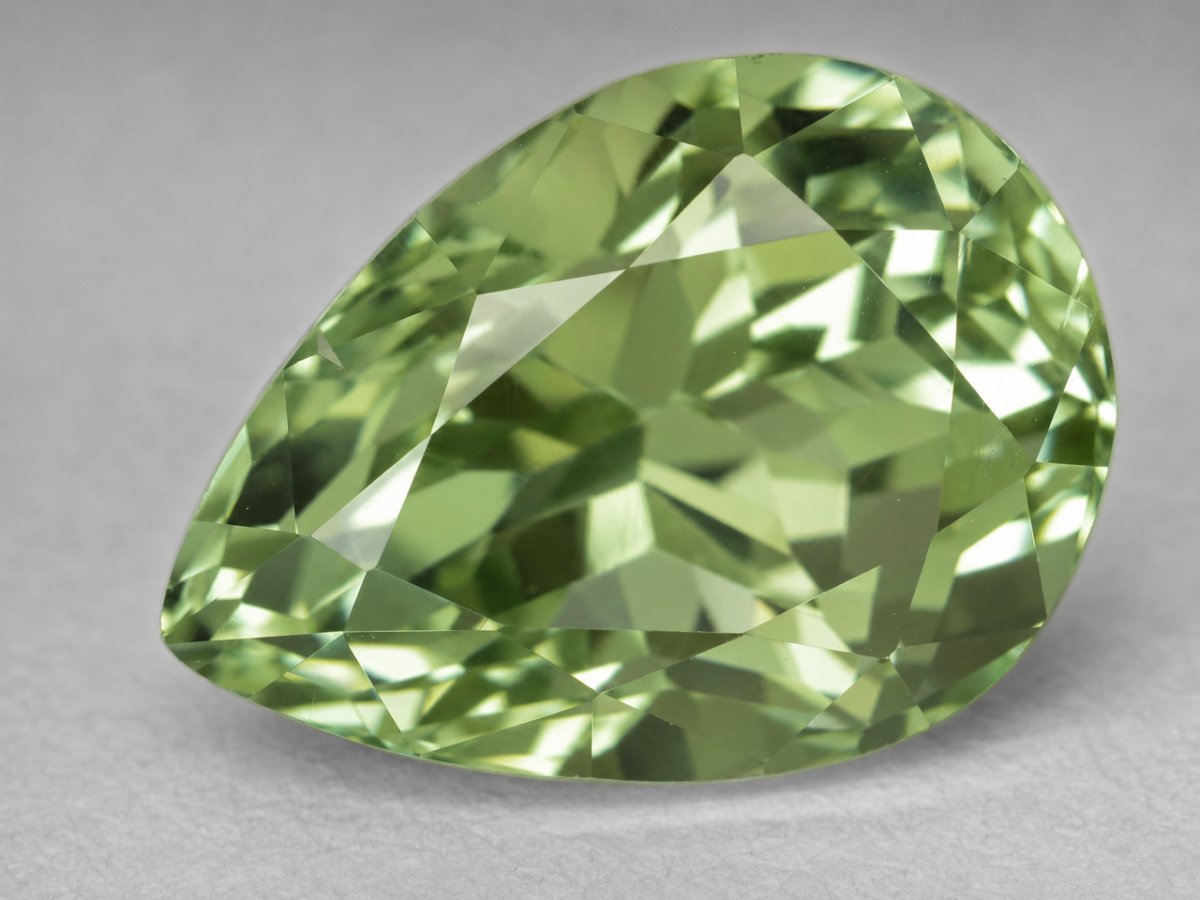
Hiddenite is often found in oval and cushion shapes, both of which are versatile for jewelry. Ovals can make a gem look graceful and elongated, while cushions provide a softer rectangular or square outline with rounded corners. These shapes are practical choices for pendants, rings and custom designs.
Octagon and pear shapes are also important options. An octagon, especially with a step cut, can create a refined look that suits classic or modern jewelry. Pear shapes are useful for pendants and earrings because their tapered outline creates movement and direction in a design.
Marquise, round and trillion shapes may also be available. These can be useful when a design calls for a more distinctive outline or when matching hiddenite with other gems. Before choosing a shape, consider the finished piece: a round stone can feel balanced and traditional, a marquise can look elongated and dramatic, and a trillion can add a geometric accent.
Size and Carat Weight
When choosing hiddenite by size, think beyond carat weight alone. Carat weight measures mass, not visible surface area. Two stones of the same weight may face up differently depending on depth, outline and cutting style. For jewelry, millimeter dimensions are often more useful than carat weight because they tell you whether the gem will fit a setting or achieve the visual scale you want.
For pendants and necklaces, larger face-up sizes can be attractive because the stone is less exposed to impact than it would be in a ring. For rings, consider the balance between visual presence and wearability. A larger stone may need a more protective setting and more thoughtful handling. For earrings, matching size, shape and color is especially important if you are buying a pair.
Origins of Hiddenite
Hiddenite is associated with several origins, including Afghanistan, Brazil, the United States and Madagascar. Origin can be interesting for collectors and may influence personal preference, especially when a buyer enjoys building a collection around geographic sources. However, a buying decision should still be based on the individual gemstone’s beauty, condition, cutting quality and disclosed treatment status.
Afghanistan is an important origin for hiddenite, with Brazil and the United States also notable. Madagascar is another known source. If origin is important to you, ask the seller what information is available and whether any documentation is provided. If origin is not documented, focus on the visible and gemological qualities of the stone rather than assuming value or rarity based on a label.
Gemological Properties Buyers Should Know
Hiddenite has a Mohs hardness of 6.5 to 7. This places it in a moderate-to-good hardness range for jewelry, but it still deserves careful wear and storage. Hardness refers mainly to scratch resistance. It does not mean a stone is immune to chips, knocks or damage from poor setting design.
The refractive index of hiddenite is 1.660 to 1.676. Refractive index describes how strongly a gemstone bends light. For buyers, this property is part of the reason cutting quality matters: a well-cut gem can make better use of its optical properties than a poorly proportioned stone.
Hiddenite’s specific gravity is 3.13 to 3.20. Specific gravity is a measurement of density compared with water. While most buyers do not need to calculate it, it is useful for gem identification and helps gemologists distinguish materials. These gemological properties support hiddenite’s identity as a spodumene gem.
Durability and Everyday Wear
With a hardness of 6.5 to 7, hiddenite can be used in jewelry, but the type of jewelry and setting style matter. Pendants and necklaces are especially suitable because they are less likely to receive direct knocks during daily activity. Earrings can also be a good option because they are typically protected from abrasion and impact.
Rings require more consideration. A hiddenite ring can be beautiful, especially for custom jewelry, but it should be worn with reasonable care. If you plan to wear the ring frequently, choose a setting that helps protect the edges and corners of the stone. Avoid wearing hiddenite rings during activities where the gem may be struck, scraped or exposed to harsh conditions.
Store hiddenite separately from harder gemstones to reduce the chance of scratches. A soft pouch, lined jewelry box or individual compartment is a sensible choice. Cleaning should be gentle: use mild soap, lukewarm water and a soft cloth or brush. If a piece has a delicate setting or other gemstones, follow the care needs of the entire jewelry item.
Treatments and Disclosure
Hiddenite may be untreated, and untreated stones are important in the market. Irradiation is also a known treatment. Treatment disclosure is an essential part of buying any gemstone because it helps you understand what you are purchasing and how to care for it.
When shopping, ask whether the hiddenite is untreated or has been treated. If a gem is described as untreated, the seller should be clear about that statement. If irradiation is disclosed, it should be presented plainly so you can make an informed decision. Treatment status does not replace the need to judge color, cut and clarity; it is one more factor to consider in the total purchase.
GemSelect provides treatment information where available so buyers can compare gemstones more confidently. Whether you prefer an untreated stone or are open to treated material, clear disclosure helps you choose according to your own priorities.
Best Jewelry Uses for Hiddenite
Hiddenite is especially well suited to custom jewelry because the buyer can match the stone’s size, shape and color to a specific design. Custom settings are also useful because they allow the jeweler to consider protection, proportions and the intended wearing style.
Pendants and Necklaces
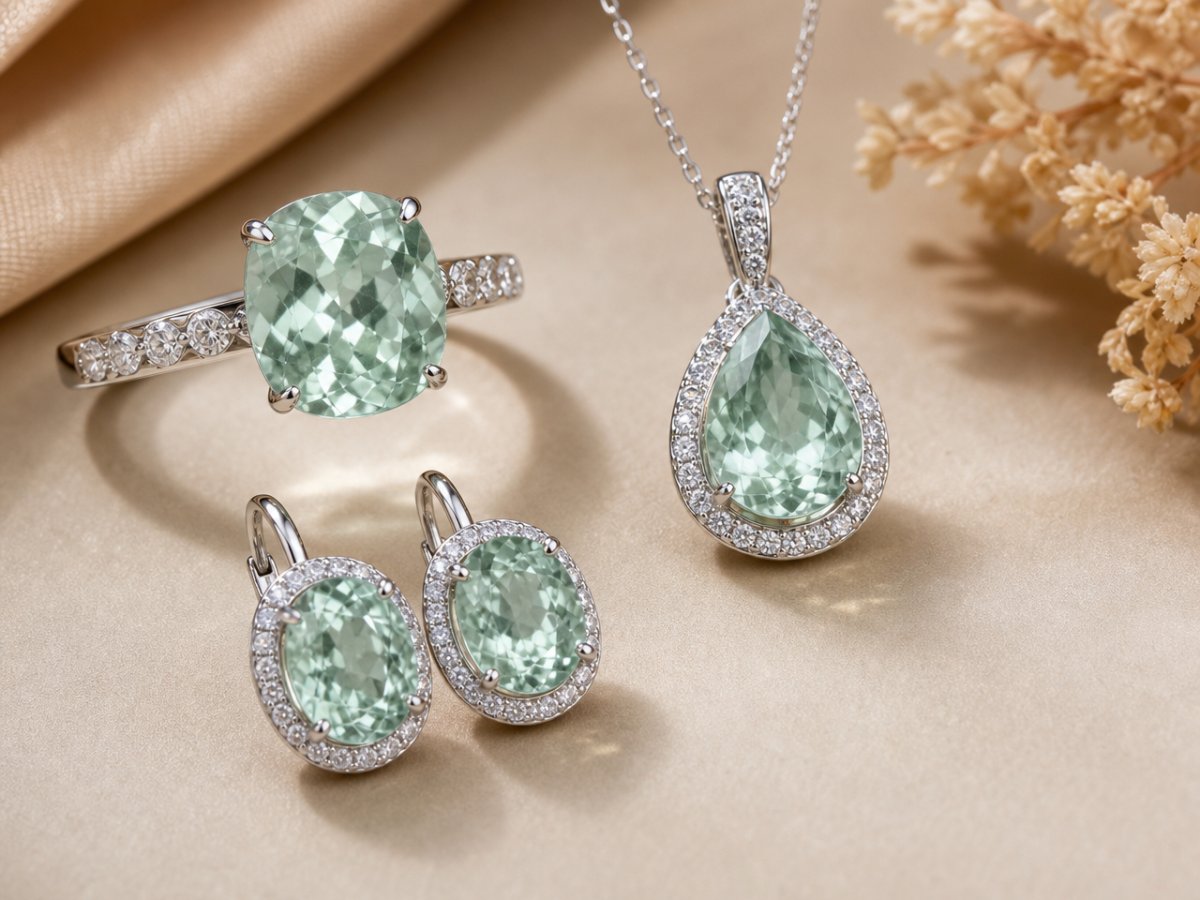
Pendants are one of the strongest choices for hiddenite. A pendant allows the green color to be displayed prominently while reducing exposure to impact. Oval, cushion, pear and octagon shapes can all work well. Necklaces that incorporate hiddenite as a central stone or accent can create a refined look, particularly when the gem’s color is well matched to the metal and design.
Rings
Hiddenite can be used in rings, but buyers should think carefully about lifestyle and setting. A ring is more exposed than a pendant or earrings, so protective design is important. Bezel settings or settings that guard vulnerable points may be more practical than very open designs, especially for pear, marquise or trillion shapes.
Earrings
Earrings are a practical use for hiddenite, especially when matched stones are available. Because earrings are usually less exposed to knocks, they can be a suitable way to enjoy hiddenite’s color. When buying a pair, compare both stones for color, size, shape and brightness so they look harmonious when worn.
How to Buy Hiddenite: A Practical Checklist
Start with color. Decide whether you prefer a pure green look, a warmer yellow-green or a cooler teal influence. Make sure the color is attractive in the actual stone and not only in the description.
Next, evaluate cut and shape. Ovals and cushions are versatile, while octagons and pears offer distinctive design possibilities. Look for good symmetry, pleasing proportions and lively face-up appearance. If choosing a step cut, pay extra attention to clarity because inclusions may be easier to notice.
Check clarity with the intended use in mind. A pendant stone may tolerate a minor inclusion that is not visible at normal viewing distance, while a ring or step-cut gem may benefit from a cleaner appearance. Always consider whether inclusions distract from beauty or create concern in the finished design.
Review size by millimeter dimensions as well as carat weight. This is especially important for custom settings, calibrated designs and matching pairs. A beautiful hiddenite that is slightly different from a standard size can still be an excellent choice for a custom pendant or ring.
Ask about treatment. Confirm whether the gem is untreated or whether irradiation has been disclosed. Clear treatment information helps you compare stones honestly and choose according to your preferences.
Finally, consider jewelry use and care. Hiddenite is a good candidate for pendants, necklaces and earrings, and it can be used in rings with thoughtful setting and wear. If you want a daily-wear ring, discuss protection and durability with your jeweler before committing to a design.
Summary
Hiddenite is a green spodumene gemstone with a distinctive look and enough versatility for collectors, designers and jewelry buyers. The best purchase is not based on a single factor, but on the balance of color, cut, clarity, size, treatment disclosure and intended use. Green is the central color to consider, with yellow and teal influences offering additional style choices. Faceted stones, step cuts and shapes such as oval, cushion, octagon and pear provide many design possibilities.
For most buyers, hiddenite is especially attractive in custom jewelry, pendants and necklaces, with earrings and carefully designed rings also possible. By reviewing the stone’s appearance, gemological properties and treatment information before buying, you can select hiddenite with confidence and choose a gem that suits both your taste and your jewelry plans.
