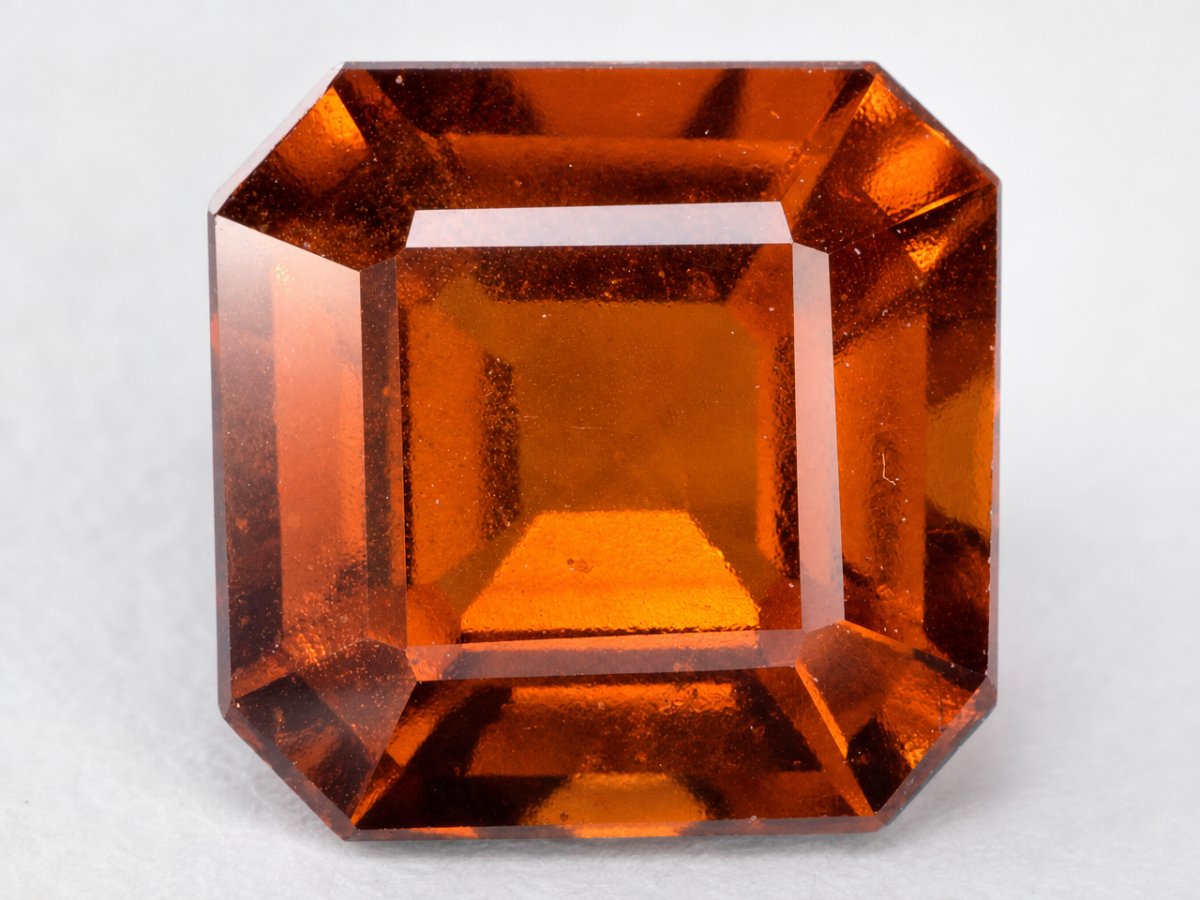


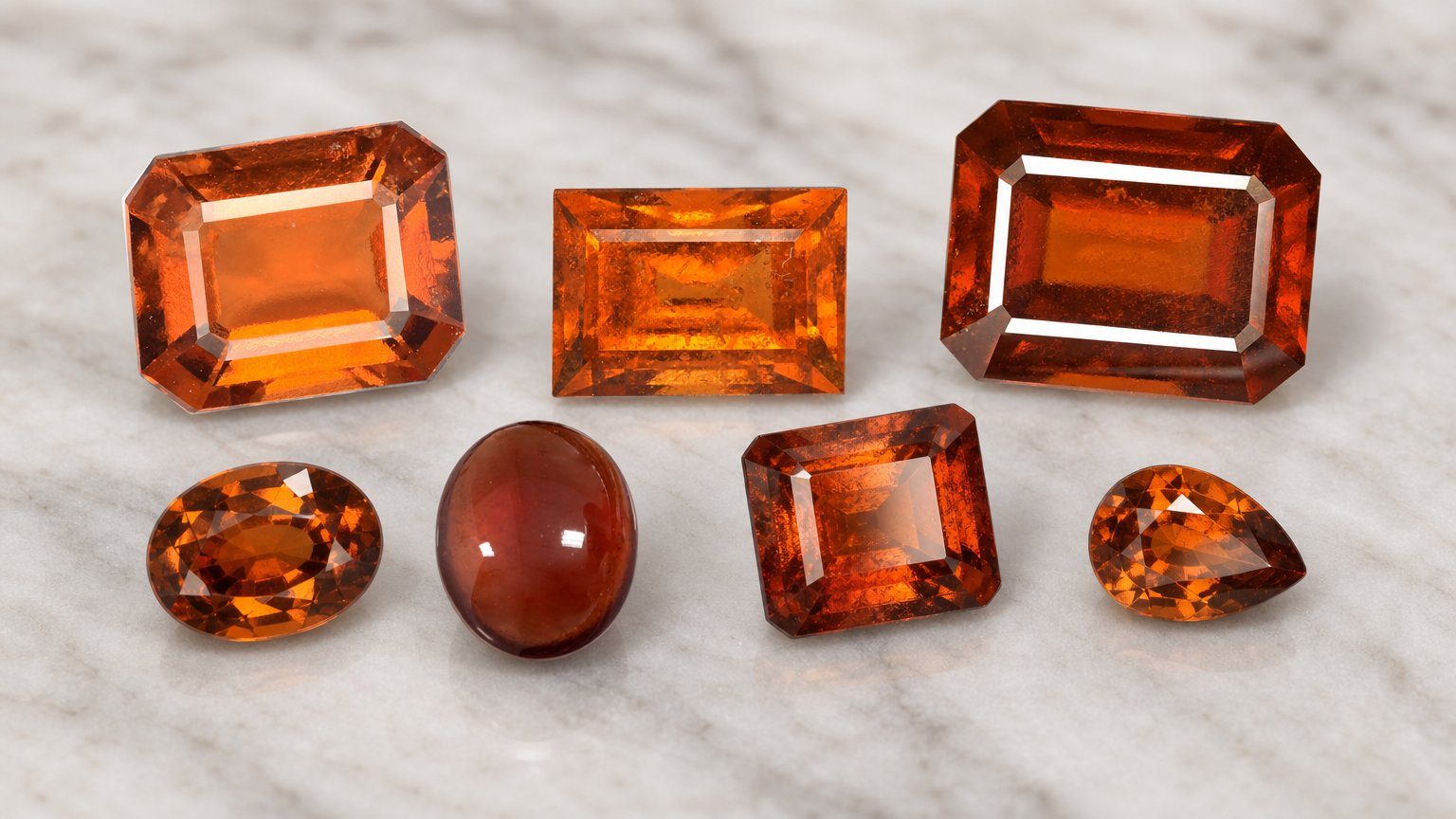
Hessonite garnet is a warm-colored garnet variety valued by buyers who want orange, brownish orange or reddish tones in a natural gemstone. It belongs to the grossular branch of the garnet family and is often chosen for rings, earrings, pendants and other jewelry where rich color is more important than a diamond-like look. For many buyers, the appeal is its distinctive appearance: hessonite can look earthy, golden, spicy or softly red-orange depending on the individual stone.
This buying guide explains what to consider before purchasing hessonite garnet, including color, clarity, cut, shape, origin, treatments, size and jewelry use. The goal is not to create a rigid grading scale, but to help you compare stones confidently and choose one that suits your design, budget and personal taste.
What Is Hessonite Garnet?
Hessonite is a variety of garnet associated with the mineral species grossular. Garnet is not a single gemstone in the strictest sense; it is a group of related minerals, and different garnet varieties can show very different colors and appearances. Hessonite is one of the garnets known for warm orange, brown and sometimes red-influenced colors.
For buyers, this matters because hessonite should be evaluated on its own character rather than compared directly with red garnet, green garnet or other garnet varieties. A good hessonite purchase is usually about attractive warmth, pleasing transparency, a suitable cut and a practical shape for the intended jewelry piece.
Hessonite also carries the broader garnet birthstone association with January, making it an appealing option for shoppers who want a January birthstone with a warmer, less conventional color than classic red garnet.
Color: The Most Important Buying Factor
Color is usually the first feature buyers notice in hessonite garnet. The most important color range is orange, often with brown or red modifying tones. Some stones lean toward a pure orange impression, while others show brownish orange or reddish orange character.
Orange Hessonite Garnet
Orange is the key color to understand when buying hessonite. Buyers often look for a lively orange appearance with enough depth to look rich but not so dark that the stone appears heavy. In faceted stones, the cut can influence how the color performs: a well-cut stone can return light across the crown, while a poorly proportioned stone may look dark in the center or washed out at the edges.
Brown and Red Modifiers
Brown is a common secondary influence in hessonite and can give the gemstone an earthy, antique or autumnal look. This is not automatically a disadvantage. Many buyers specifically enjoy brownish orange hessonite because it pairs well with yellow gold, rose gold and warm design palettes.
Red influence may appear in some hessonite garnets, creating a warmer reddish orange appearance. If you are comparing several stones, view them side by side under the same lighting. Small differences in tone and modifier color can strongly affect how a hessonite looks in finished jewelry.
How to Judge Color Before Buying
When evaluating hessonite color, look for a color you enjoy in real viewing conditions rather than relying only on a single photograph. Ask yourself whether the stone looks attractive face-up, whether the color is evenly distributed and whether it will complement the metal and setting style you plan to use. For earrings or matched jewelry, color consistency between stones is especially important.
Clarity and Appearance
Clarity in colored gemstones is judged differently from clarity in diamonds. The practical question is usually whether inclusions affect beauty, transparency or durability. With hessonite garnet, buyers should look at the face-up appearance first. A stone can be a good choice if its inclusions are not distracting in normal viewing and the overall color remains attractive.
For faceted hessonite, examine the stone under normal light and from a few angles. Inclusions near the center may be more visible than those near the edge. For cabochons, the smooth domed surface emphasizes overall color and body appearance rather than sparkle, so clarity expectations may differ from faceted stones.
If you are purchasing online, clear photos, accurate descriptions and size information are essential. At GemSelect, comparing individual stone images and specifications can help buyers evaluate how transparent, included or evenly colored a particular hessonite appears.
Cut Styles and Shapes
Cut has a major effect on how hessonite garnet looks once set in jewelry. Hessonite is commonly found as faceted stones and cabochons, with mixed cuts and step cuts also used. Each style offers a different visual effect.
Faceted Hessonite
Faceted hessonite is cut with many flat polished surfaces designed to return light and show color. This style is a strong choice for rings, earrings and pendants when you want brilliance and lively reflections. When buying a faceted stone, check the symmetry, outline and face-up appearance. The stone should not look overly dark in the center, and the facet pattern should support the color rather than distract from it.
Cabochon Hessonite
Cabochons have a smooth, domed top rather than facets. This cut can emphasize body color and a softer, more organic appearance. Cabochon hessonite may appeal to buyers designing classic, vintage-inspired or handmade-style jewelry. When choosing a cabochon, check that the dome is pleasing, the polish is good and the outline suits the setting.
Mixed, Step and Specialty Cuts
Mixed cuts combine different facet styles, often balancing brilliance and color depth. Step cuts, such as rectangular or octagonal styles, can give hessonite a more architectural appearance. Buff-top cuts, princess cuts and other specialty cuts may also be available, though they are less central than standard faceted and cabochon options.
Popular Shapes
Oval, cushion and pear shapes are especially practical and common choices for hessonite garnet. Ovals offer an elegant outline and are easy to use in rings and pendants. Cushions provide a soft square or rectangular shape with rounded corners, often well suited to warm-colored gems. Pear shapes work beautifully in pendants and drop earrings.
Round, octagon and baguette shapes are also useful, particularly for more structured designs. Marquise and square shapes may appear in selected stones. Your shape choice should be guided by the jewelry design, the stone’s color performance and how easy it will be to set securely.
Size and Carat Weight Considerations
When buying hessonite garnet, size should be considered together with color and cut. Larger stones can make the color more dramatic, but they may also show darker areas, zoning or inclusions more clearly. Smaller stones can be excellent for earrings, accent stones, cufflinks or delicate rings, especially when well matched in color.
Carat weight measures weight, not face-up size. Two stones of the same carat weight can look different in size depending on their cut depth and shape. For jewelry design, always review the millimeter dimensions as well as the carat weight. This is particularly important when replacing a stone, buying calibrated sizes or planning a custom setting.
Origins of Hessonite Garnet
Hessonite garnet is associated with several origins, with Sri Lanka being especially important. Other known sources include India, Madagascar and Tanzania, with Brazil and Myanmar also associated with the gemstone.
Origin can be interesting to collectors and may be relevant when a buyer has a personal preference, but it should not be the only deciding factor. For most jewelry buyers, the visible quality of the individual stone is more important than the country name alone. A well-colored, well-cut hessonite from any recognized source can be a better purchase than a less attractive stone from a more famous origin.
If origin is important to you, look for seller disclosure and supporting documentation where available. Otherwise, focus first on the features you can evaluate directly: color, clarity, cut, dimensions and treatment status.
Treatments and Disclosure
Hessonite garnet is commonly sold as untreated. For buyers, this is a significant point because treatment status affects confidence and disclosure. When purchasing any colored gemstone, it is good practice to check the treatment information provided by the seller and keep that information with your purchase records.
Untreated means the gemstone has not been enhanced by a disclosed treatment process. However, you should still buy from a seller that provides clear descriptions and individual gemstone details. If you are buying for a high-value design, collection or resale purpose, consider requesting additional documentation when appropriate.
Durability and Everyday Wear
Hessonite garnet is used in several jewelry types, including rings and earrings. As with all colored gemstones, durability depends not only on the gem material but also on the setting design, how the jewelry is worn and how it is cared for. Rings experience more impact and abrasion than earrings or pendants, so they require more careful setting choices.
For a hessonite ring, consider protective settings that help shield exposed edges and points, especially in pear, marquise or cornered shapes. Bezel settings, partial bezels, halos and well-designed prong settings can all be useful depending on the design. Earrings and pendants are generally less exposed to knocks, so they can accommodate a wider range of shapes and cuts.
Clean hessonite jewelry gently with mild soap, warm water and a soft brush or cloth. Avoid harsh chemicals, rough handling and sudden impacts. If the stone is set in an important ring or bracelet, have the setting checked periodically to make sure the gem remains secure.
Best Jewelry Uses for Hessonite Garnet
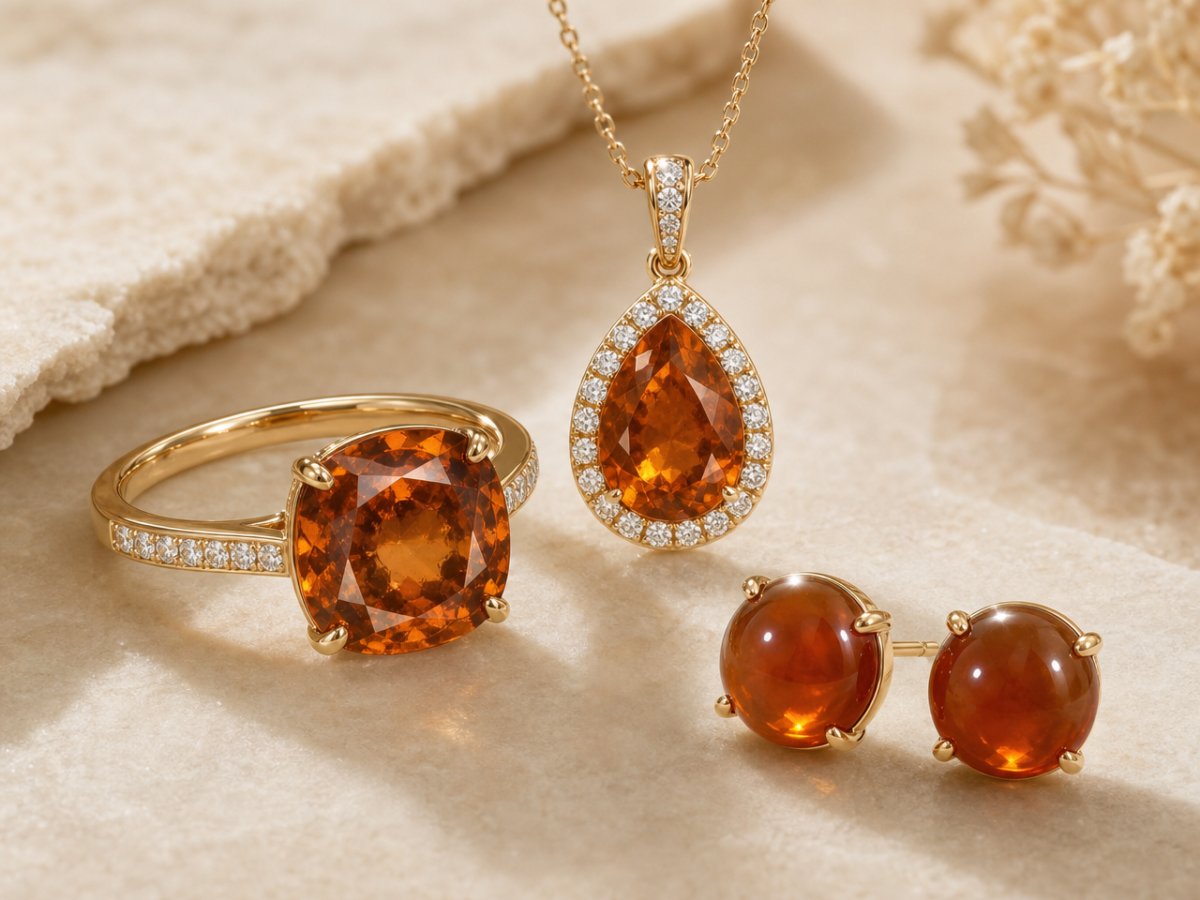
Hessonite garnet is versatile, but some jewelry uses are especially popular and practical. Earrings and rings are key choices, while necklaces and pendants are also very suitable. Bracelets and cufflinks can work well when the setting protects the stones and matches the intended wear.
Hessonite Garnet Rings
Rings showcase hessonite color beautifully, particularly in oval, cushion and octagon shapes. Because rings are exposed to frequent contact, buyers should choose a secure setting and consider how often the ring will be worn. A hessonite ring for occasional wear can use a more delicate design, while a frequently worn ring should prioritize protection and good craftsmanship.
Hessonite Garnet Earrings
Earrings are excellent for hessonite because they allow warm color to be displayed with less risk of impact than rings. Matched pairs should be selected for similar color, size, shape and cut style. Ovals, rounds, pears and cushions can all work well for studs, drops or dangle earrings.
Pendants, Necklaces and Other Designs
Pendants and necklaces allow hessonite to be used as a focal gem. Pear shapes are especially effective for pendants, while cushions and ovals offer classic flexibility. Bracelets and cufflinks can also feature hessonite, but buyers should remember that bracelets can receive knocks during wear, so secure settings are important.
Practical Buying Checklist
Before buying hessonite garnet, use a simple checklist to compare stones:
- Color: Decide whether you prefer orange, brownish orange or reddish orange tones.
- Face-up appearance: Check whether the stone looks attractive from the top, where it will be viewed in jewelry.
- Clarity: Look for inclusions that do not distract from beauty or transparency.
- Cut: Choose faceted stones for sparkle, cabochons for smooth color, or step and mixed cuts for a more structured look.
- Shape: Match the shape to your design; oval, cushion and pear are especially useful choices.
- Size: Review millimeter measurements as well as carat weight.
- Treatment: Confirm that the stone is disclosed as untreated when applicable.
- Origin: Consider origin if it matters to you, but prioritize the quality of the individual stone.
- Jewelry use: Choose settings appropriate for rings, earrings, pendants, bracelets or cufflinks.
Common Buying Mistakes to Avoid
One common mistake is buying by carat weight alone. A deeper stone may weigh more but face up smaller than expected. Always check dimensions. Another mistake is ignoring lighting. Hessonite can look different under daylight, indoor light and display lighting, so evaluate photos and descriptions carefully.
Buyers should also avoid assuming that origin automatically determines beauty. Sri Lanka is an important origin for hessonite, but the best choice is still the individual stone that offers the color, cut and size you want. Finally, do not overlook setting style. A beautiful loose stone still needs a suitable setting to become durable, wearable jewelry.
Conclusion
Hessonite garnet is a distinctive grossular garnet variety for buyers who appreciate warm orange, brown and red-influenced colors. The best purchase depends on balancing color, clarity, cut, shape, size and treatment disclosure with the intended jewelry use. Sri Lanka is an important origin, and hessonite is also associated with India, Madagascar, Tanzania, Brazil and Myanmar, but origin should support rather than replace careful visual evaluation.
Whether you are choosing a loose hessonite garnet for a custom ring, matched stones for earrings or a single gem for a pendant, focus on the stone’s face-up beauty and practical suitability. A thoughtfully selected hessonite can offer rich color and a unique alternative within the garnet family.