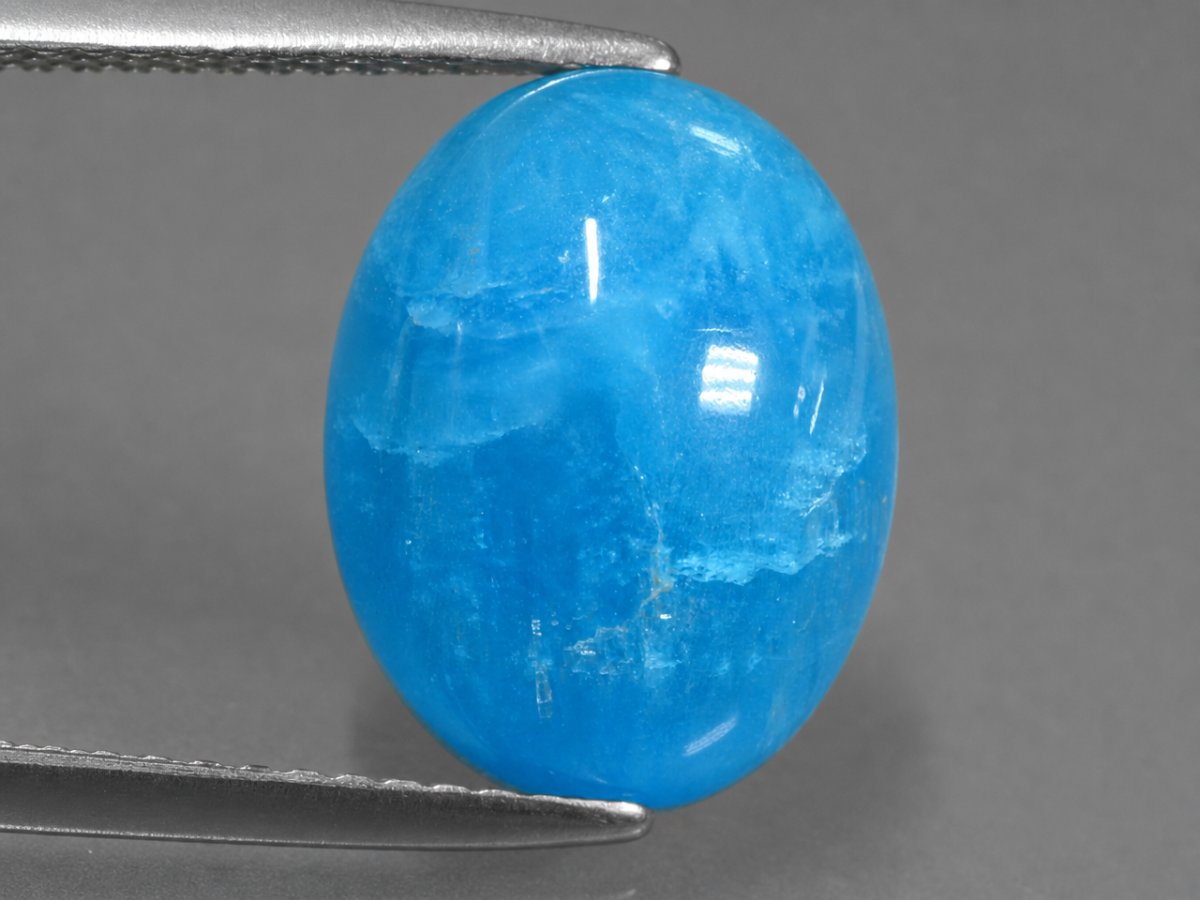


Hemimorphite is a distinctive silicate gemstone best known for its blue and teal colors, although it can also appear gray, green or brown. Its appeal is closely connected with its fresh color, natural character and interest among collectors and jewelry enthusiasts. Unlike gems with long royal, religious or birthstone traditions, hemimorphite is best understood today as a mineral-collector gemstone whose meaning is shaped mainly by appearance, origin and modern appreciation.
For buyers and gemstone enthusiasts, hemimorphite often represents individuality: it is recognizable, attractive and less commonly discussed than many mainstream blue gems. This guide focuses on supported history, cultural context and symbolism, while keeping folklore and modern belief separate from documented gem information.
What Hemimorphite Is
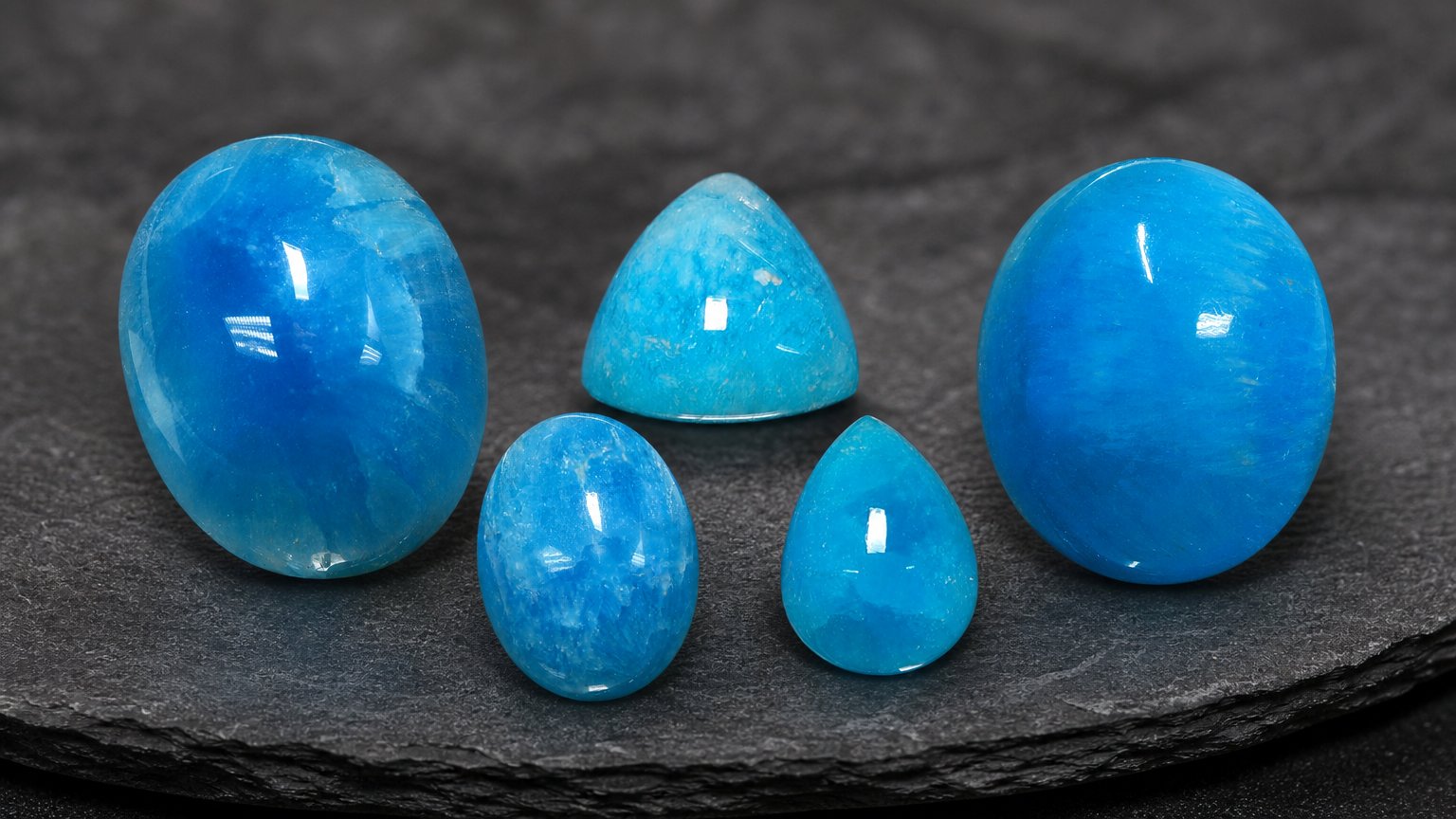
Hemimorphite is a silicate mineral with the chemical formula Zn₄Si₂O₇(OH)₂·H₂O. In gemstone form, it is valued most often for its attractive blue to teal appearance. Cabochons are especially common because this smooth, domed cutting style suits stones prized for body color rather than intense sparkle. Faceted hemimorphite exists, but it is less typical.
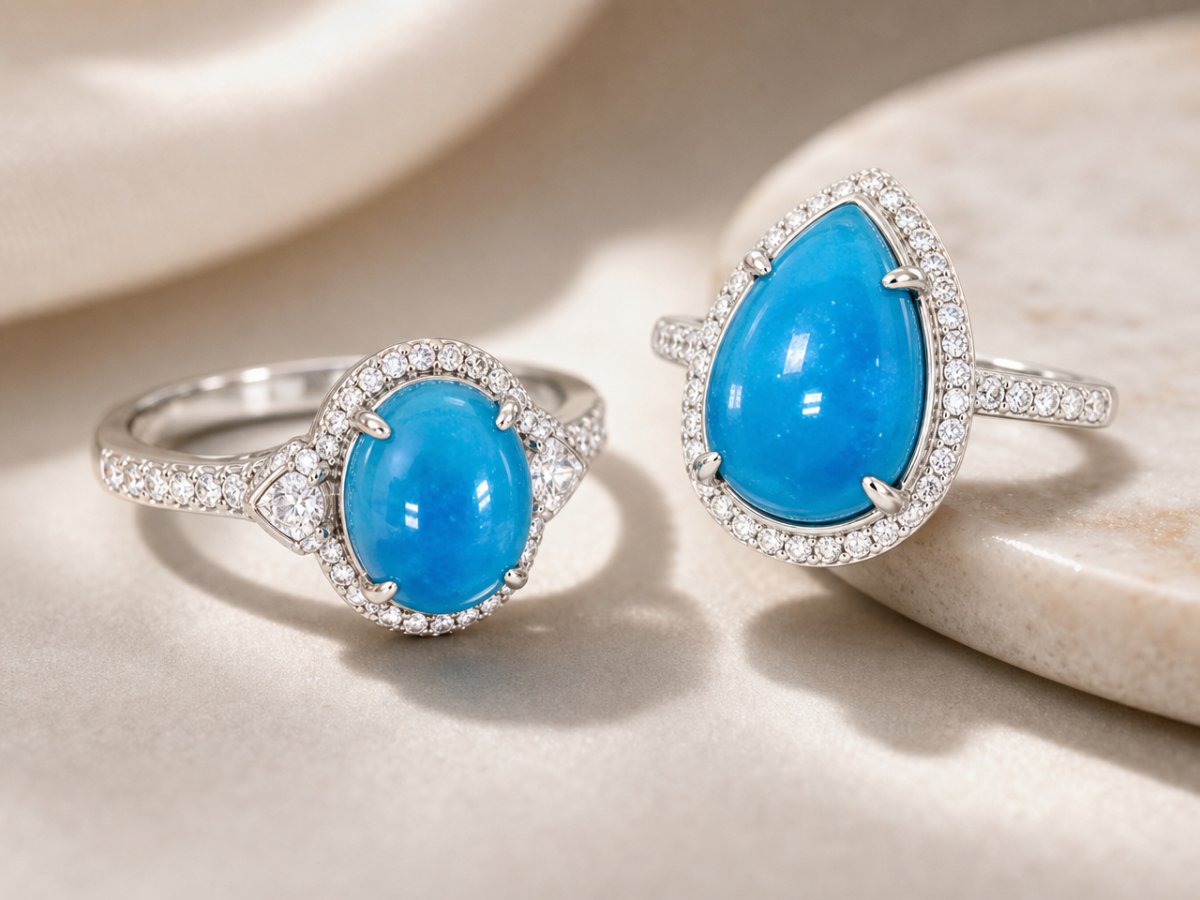
As a gemstone, hemimorphite occupies an interesting place between mineral collecting and jewelry design. It is seen in pendants, earrings, necklaces, brooches and collector jewelry, where its color and natural mineral identity are part of its charm.
Hemimorphite Meaning and Symbolism
Hemimorphite does not have the same widely documented ancient symbolism as gems such as sapphire, emerald or garnet. Its meaning in modern gem culture is therefore more personal and visual than ceremonial. Many people are drawn to hemimorphite because its blue and teal tones suggest freshness, clarity and calmness in a purely symbolic or aesthetic sense.
In contemporary crystal and gemstone traditions, hemimorphite may be associated with communication, emotional openness or peaceful expression. These are modern symbolic interpretations, not scientific or medical claims. For jewelry wearers, its meaning may simply come from the way it looks: bright blue stones can feel uplifting, while teal and greenish examples can suggest nature, water and quiet individuality.
A Color-Driven Gemstone Identity
Color plays a central role in how hemimorphite is perceived. Blue is the most strongly associated color, followed by teal. Gray, green and brown examples are also known, but the blue to teal material is usually the image most people connect with hemimorphite.
This color identity gives hemimorphite much of its modern symbolism. Blue gems are often chosen for their composed, serene appearance, while teal adds a slightly more unusual and contemporary character. Because these associations come from visual impression rather than ancient tradition, they are best understood as modern, personal meanings rather than fixed cultural rules.
Historical and Geographic Background
The historical significance of hemimorphite is tied more to mineralogy, collecting and lapidary use than to ancient ceremony or royal jewelry. Important origins include Congo and Namibia, with additional sources including Mexico, the United States and Zambia. These locations help explain hemimorphite's place in the modern gemstone market: it is appreciated as a distinctive natural material from notable mineral-producing regions.
For collectors, origin can add context and interest, especially when a gemstone is admired for its mineral character as much as its jewelry use. Hemimorphite's story is therefore not one of famous crowns or ancient legends, but of natural formation, mineral discovery and the gradual appreciation of colorful stones beyond the best-known gemstone families.
Cultural Significance Today
Today, hemimorphite's cultural significance is strongest among collectors, jewelry designers and gem enthusiasts who value less common gemstones. Its identity is often connected with authenticity and natural beauty, especially because untreated hemimorphite is common in the gem trade. For people who prefer gemstones with a direct, natural appearance, that can be an important part of its appeal.
In jewelry, hemimorphite is often used in pieces where the stone's color can be the main focus, such as pendants, necklaces, earrings and brooches. These uses reinforce its modern meaning as a gemstone chosen for expressive color rather than for formal tradition.
Birthstone, Zodiac and Anniversary Associations
Hemimorphite is not best known as a traditional birthstone, zodiac stone or anniversary gemstone. Its significance is more commonly personal, aesthetic or collector-focused. This makes it a good example of a gemstone whose meaning is chosen by the wearer rather than inherited from a long-established calendar or ceremonial system.
How Hemimorphite Is Viewed by Modern Gem Enthusiasts
Modern appreciation of hemimorphite centers on its combination of color, individuality and mineral interest. A blue or teal hemimorphite can appeal to someone who enjoys the look of cool-colored gemstones but wants something outside the most familiar choices. For collectors, it offers the added satisfaction of owning a recognizable silicate gem associated with notable origins such as Congo and Namibia.
GemSelect customers often look to stones like hemimorphite when they want a gemstone with a distinctive personality. Its meaning is not fixed by ancient tradition; instead, it comes from its visual presence, natural identity and the personal story a wearer or collector brings to it.
Summary
Hemimorphite's meaning is modern, color-based and personal. It is admired for blue and teal tones, valued by collectors and used in jewelry where its natural appearance can stand out. While it does not carry a strongly documented ancient mythology or formal birthstone tradition, hemimorphite has a clear place in today's gemstone world as a distinctive silicate gem with understated symbolism and collector appeal.