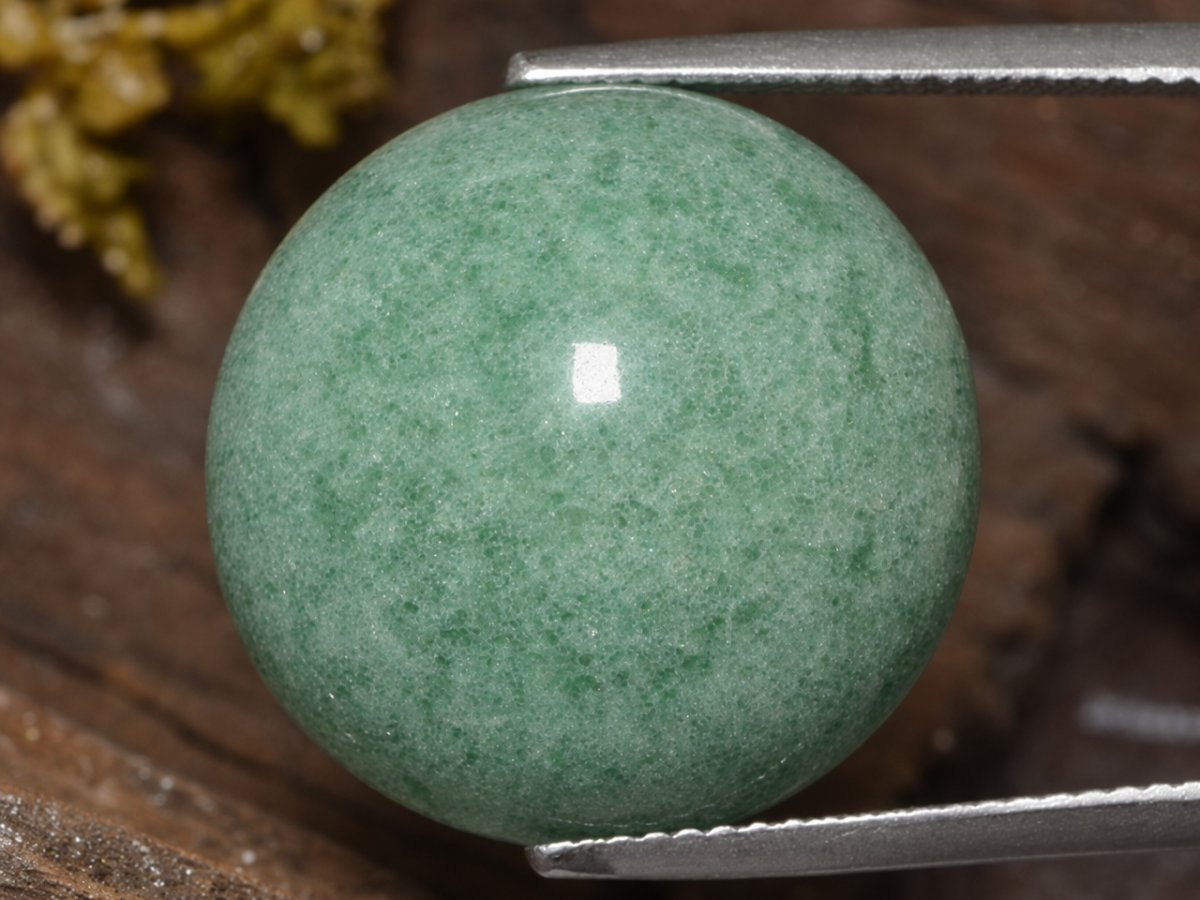


Green aventurine is a green variety of aventurine and belongs to the quartz family. Its appeal is closely connected to its gentle green color, approachable appearance and long-standing popularity as a decorative gemstone for personal adornment.
Unlike some gemstones with well-documented ancient royal, religious or ceremonial histories, green aventurine is best understood through its mineral identity, its color symbolism and its role in modern gemstone culture. This guide focuses on what can be stated responsibly: what green aventurine is, how its meaning is commonly interpreted today and how to separate symbolism from documented fact.
What Is Green Aventurine?
Green aventurine is the green form of aventurine, a gemstone associated with quartz. Quartz is one of the most familiar gem families, and green aventurine is valued for its attractive color and accessible, natural look.
In gemological terms, green aventurine is silicon dioxide, written as SiO₂, with a trigonal crystal system. These technical details are not the main reason people are drawn to the stone, but they explain why green aventurine is grouped with quartz gemstones rather than with emerald, jade or other green gems.
Green Aventurine Meaning and Symbolism
The meaning of green aventurine is strongly influenced by its color. Green is widely associated with nature, growth, freshness and renewal. For many buyers and collectors, green aventurine carries a calm, earthy character rather than a formal or dramatic one.
In modern symbolic use, green gemstones are often chosen to represent balance, new beginnings and a connection to the natural world. When these ideas are applied to green aventurine, they should be understood as cultural and personal interpretations, not scientific properties of the stone.
Because green aventurine belongs to the quartz family, it is also often viewed as a familiar and approachable gemstone. Its meaning today is less about rarity or status and more about natural beauty, simplicity and a sense of grounded elegance.
Documented History and Responsible Interpretation
Green aventurine does not have the same widely documented ancient historical record as some gemstones that appear in royal inventories, religious texts or named historical jewels. For that reason, it is important not to overstate its past or attach unsupported legends to it.
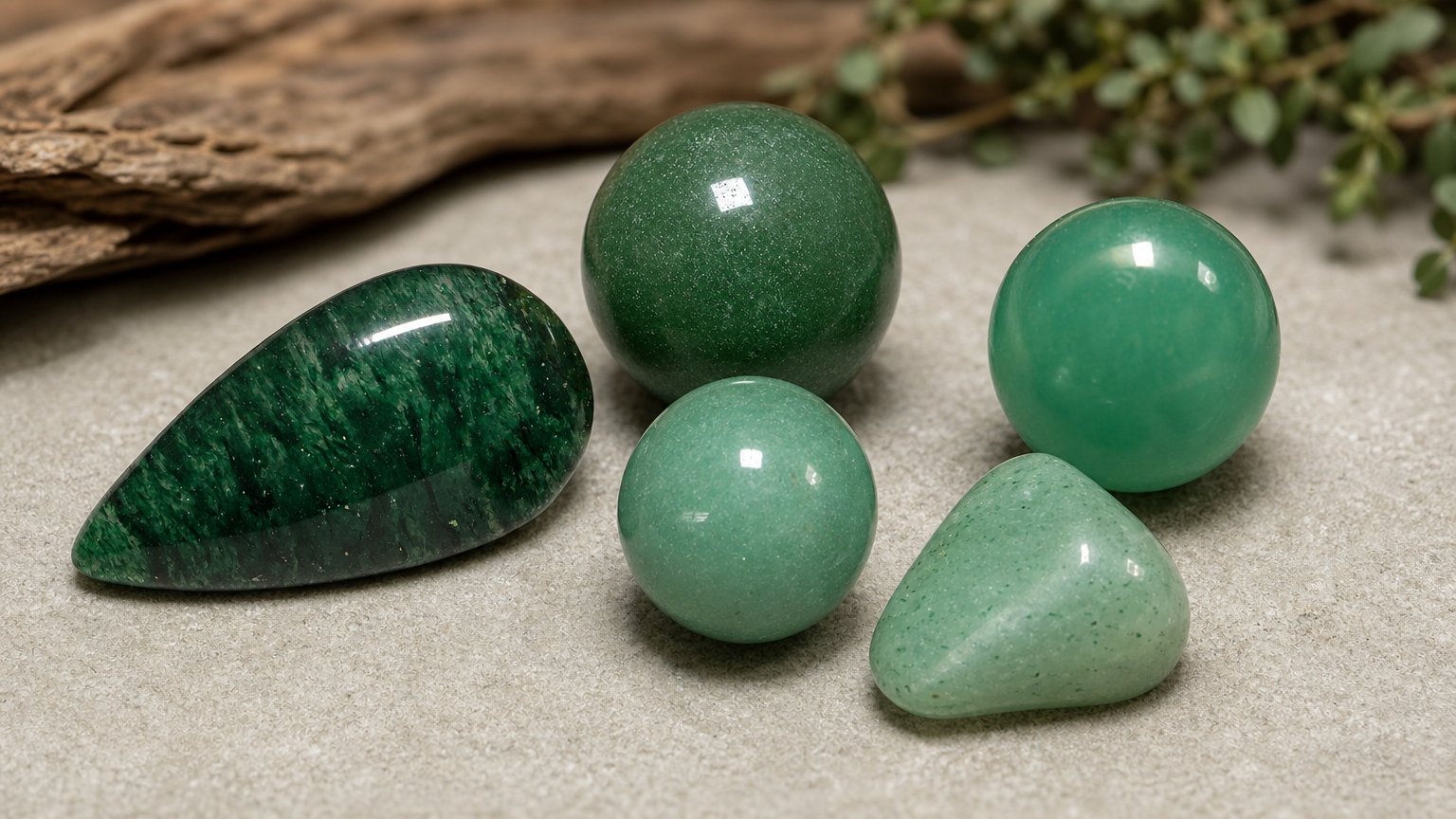
What can be said with confidence is that green aventurine has become a recognized gemstone variety in the modern gem trade. It is known for its green color, its quartz identity and its frequent appearance in polished forms such as cabochons and carvings. These formats emphasize the stone's smooth surface and natural color, which are central to its visual appeal.
Folklore and modern crystal traditions may give green aventurine additional symbolic meanings, but those meanings vary by source and belief system. They are best treated as personal or cultural associations rather than documented historical facts.
Origins and Modern Cultural Presence
Important sources of green aventurine include Brazil and India, with additional material associated with Tanzania and China. These origins help explain the gemstone's availability in the contemporary market and its presence in jewelry, ornamental objects and collections.
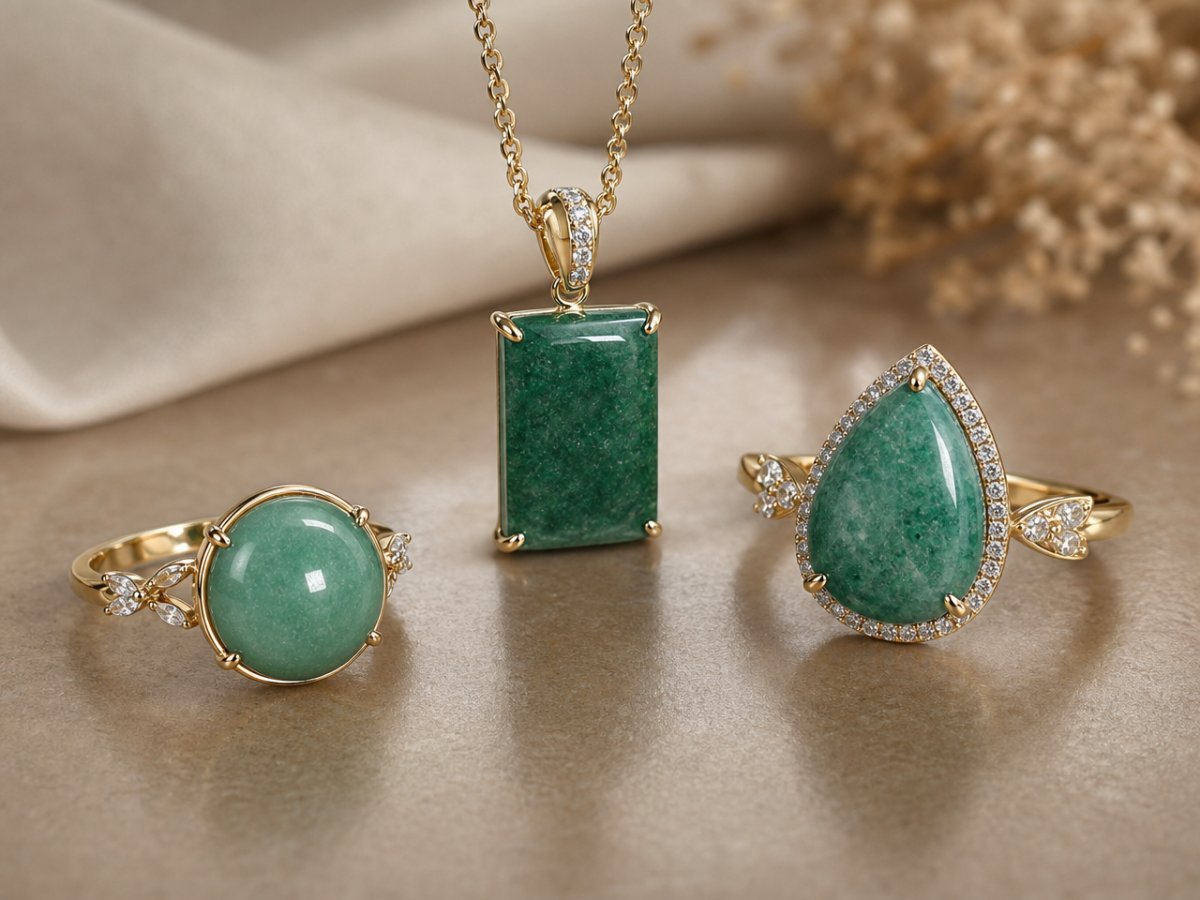
Today, green aventurine is appreciated by gemstone enthusiasts, jewelry designers and collectors who enjoy green stones with a softer, more natural appearance. It is commonly seen in necklaces and pendants, and it is also used in earrings, rings, bracelets and brooches. In a meaning and history context, this shows how the gemstone functions as a personal adornment stone rather than only as a collector's specimen.
Green Aventurine and the Symbolism of Color
Color symbolism plays an important role in how green aventurine is perceived. Green often suggests vegetation, renewal and calm environments. These associations make green aventurine a popular choice for people who want a gemstone with a gentle visual message.
It is useful to distinguish this from a fixed universal meaning. A green stone may suggest nature to one person, quiet confidence to another and simple decorative beauty to someone else. Green aventurine's symbolism is flexible, which is one reason it remains appealing across many styles and personal tastes.
Traditional, Folkloric and Modern Beliefs
Some modern sources discuss green aventurine in the language of luck, opportunity or emotional balance. These ideas belong to folklore, spiritual practice or contemporary crystal traditions, depending on the source. They should not be presented as medically or scientifically proven effects.
For GemSelect customers, the most reliable way to understand green aventurine is to combine its factual identity as a green quartz-associated gemstone with the personal meaning its color and appearance may hold. Its symbolism can be meaningful without needing to be treated as a verified historical or scientific claim.
How Green Aventurine Is Viewed Today
In modern gemstone culture, green aventurine is admired for being natural-looking, versatile and easy to understand. It does not rely on a complicated legend to be appealing. Its meaning comes from a combination of color, material identity and the wearer's own interpretation.
For some, it represents freshness and renewal. For others, it is simply a pleasant green gemstone with a relaxed, organic character. Both views are valid, provided symbolic claims are kept separate from factual gemological information.
Summary
Green aventurine is a green aventurine gemstone associated with quartz and valued for its calm, natural color. Its documented significance is strongest in modern gemstone use rather than in ancient historical records. Symbolically, it is commonly interpreted through the broader meanings of green: nature, renewal and balance. Folklore and modern spiritual associations may add further personal meaning, but they should be understood as tradition or belief rather than proven fact.