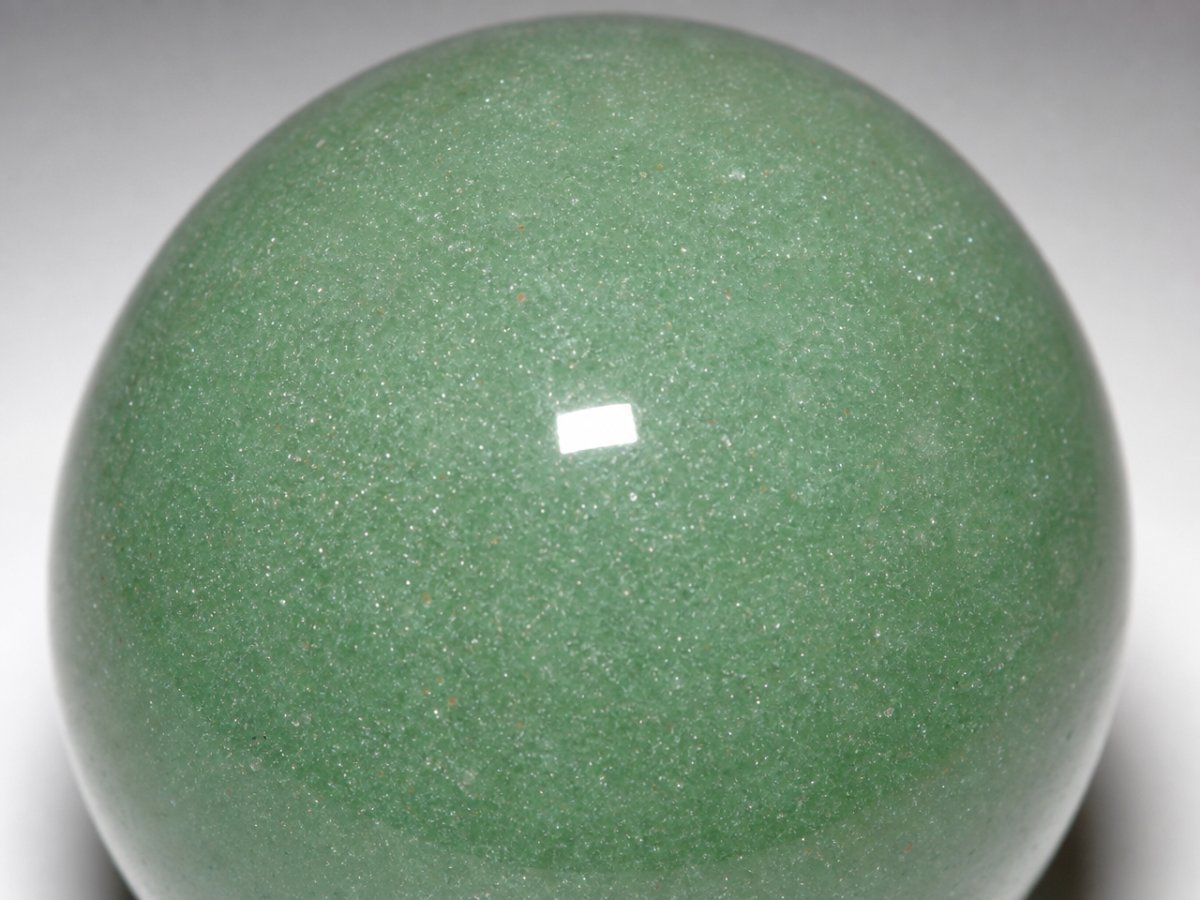


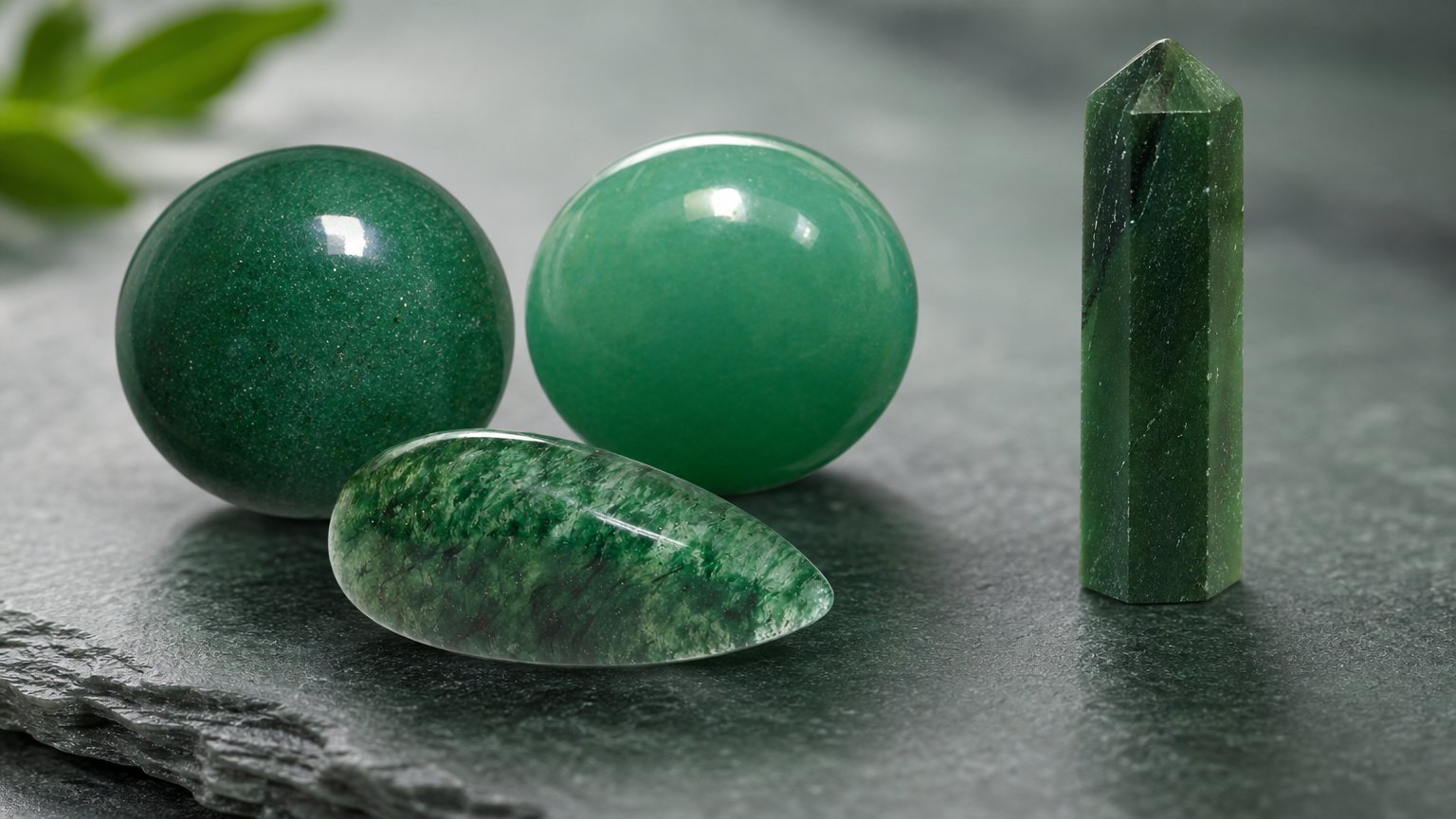
Green aventurine is a practical and appealing choice for buyers who want a green gemstone with good everyday versatility. As a quartz gemstone, it offers a useful balance of attractive color, wearable hardness and a wide range of shapes for jewelry design.
This buying guide explains the key points to consider before purchasing green aventurine, including color, cut, durability, treatments, origin and jewelry suitability.
What Is Green Aventurine?
Green aventurine is a green variety of aventurine and belongs to the quartz family. Its chemical formula is SiO₂, and it has a trigonal crystal system. For buyers, the most important practical fact is its Mohs hardness of 7, which makes it suitable for many jewelry styles when set and worn with reasonable care.
Green aventurine is often selected for pendants, necklaces, earrings and rings, and it is also used in bracelets and brooches. Its broad availability in cabochons, carvings and some faceted stones gives jewelry designers flexibility in both classic and creative designs.
Color and Appearance: What to Look For
Color is the first buying consideration for green aventurine. Since green is the defining color of this gemstone, choose a stone with a pleasing face-up color that suits the jewelry you are planning. Some buyers prefer a soft natural-looking green, while others look for a richer and more noticeable green tone.
When comparing stones, look for an attractive overall appearance rather than judging by color alone. Check whether the color looks balanced across the gem, whether the surface polish is smooth, and whether any visible marks, chips or fractures affect the beauty or intended use of the stone.
Cut Styles and Shapes
Cabochons are the most common cut for green aventurine. A cabochon has a smooth domed top rather than facets, making it a natural choice for pendants, rings, brooches and statement jewelry. Cabochons also work well when the buyer wants a broad display of green color.
Green aventurine may also be found as carvings and faceted gems. Carvings are useful for decorative jewelry, collector pieces and custom designs, while faceted stones can suit buyers who prefer a more geometric or reflective look.
Common shapes include oval, round and fancy shapes. Cushion, pear and freeform shapes are also seen, with marquise, octagon and trillion shapes offering more specialized design options. If you are replacing a stone in an existing setting, confirm the exact millimeter dimensions before buying. If you are designing a new piece, shape choice can be guided more by style and wearability.
Durability and Wearability
Green aventurine has a Mohs hardness of 7. This is a useful level of hardness for many types of jewelry, especially necklaces, pendants and earrings, which are less exposed to knocks than rings and bracelets.
For rings, choose a setting that gives the stone some protection, particularly if it will be worn often. Bracelets can receive more impact during daily wear, so secure settings and sensible care are important. As with most gemstones, avoid hard blows, abrasive contact and rough storage with harder materials.

Treatments and Buying Confidence
Green aventurine is commonly sold as untreated. For buyers, this is helpful because treatment status is straightforward compared with gemstones that are routinely enhanced in multiple ways.
Even so, treatment disclosure still matters. When buying green aventurine, check that the seller clearly identifies the gemstone and states any known treatment information. GemSelect provides treatment information on gemstone listings so buyers can compare options with greater confidence.
Origins
Important sources of green aventurine include Brazil and India, with material also associated with Tanzania and China. Origin can be interesting for collectors or buyers who have a personal preference, but it should not replace visual inspection of the individual stone.
For most jewelry purchases, color, cut, polish, size, shape and suitability for the setting are more important than country of origin.
Gemological Properties
Green aventurine is part of the quartz family and has a refractive index of 1.544 to 1.553 and a specific gravity of 2.64 to 2.69. These properties are mainly useful for identification and gemological reference. For the average buyer, hardness, appearance and treatment disclosure are the more practical purchase factors.
Choosing Green Aventurine for Jewelry
For necklaces and pendants, green aventurine is an excellent option because these jewelry types show the stone clearly while limiting exposure to heavy impact. Larger cabochons, ovals, rounds and fancy shapes can be especially effective in pendant designs.
Earrings are also a good use because they experience relatively light wear. Matching pairs should be chosen for similar size, shape and face-up color.
Rings can work well, especially in protective settings. If the ring is intended for frequent wear, inspect the stone and setting carefully and avoid designs that leave the gem overly exposed. Bracelets and brooches are suitable too, but bracelets should be worn with more care because they are more likely to bump against hard surfaces.
Practical Buying Checklist
- Color: Choose a green tone that looks attractive to you and suits the jewelry design.
- Cut: Cabochons are the most common and versatile choice; carvings and faceted stones offer different styles.
- Shape: Oval, round and fancy shapes are widely useful; freeform and pear shapes suit more individual designs.
- Condition: Check for chips, cracks, surface wear and uneven polishing, especially in rings or bracelets.
- Size: Use exact millimeter measurements for replacement stones or fitted settings.
- Treatment: Green aventurine is commonly untreated, but always review seller disclosure.
- Use: Pendants, necklaces and earrings are the safest everyday jewelry choices; rings and bracelets need more protective design and care.
Summary
The best green aventurine purchase is one that combines pleasing green color, a well-finished cut, suitable size and clear treatment disclosure. Cabochons are the classic choice, especially for pendants and rings, while carvings and faceted gems offer additional design possibilities. With Mohs hardness 7 and sensible care, green aventurine can be a practical and attractive gemstone for many jewelry styles.