


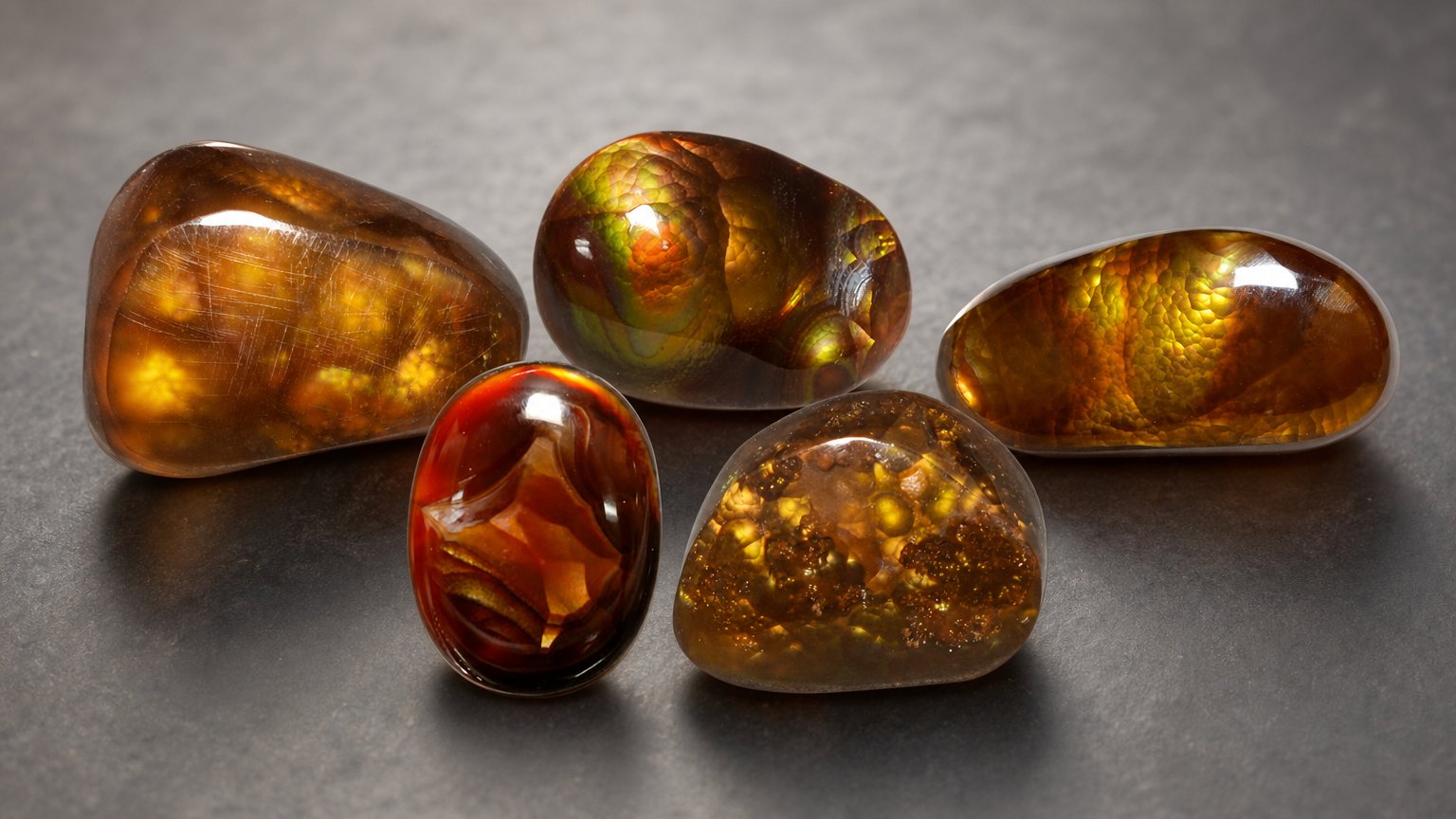
Fire Agate is a distinctive variety of agate, a member of the quartz family, known for its multicolor appearance often seen with a brown body color. For buyers, the appeal of Fire Agate is not based on a single standard look. Instead, each stone should be judged individually for its color display, shape, polish, cutting style and suitability for the jewelry design you have in mind.
This buying guide explains the main points to consider before purchasing Fire Agate, including color, cut, size, treatments, durability and common jewelry uses. Whether you are selecting a loose gemstone for a custom ring, a pendant stone, earrings or a collector piece, understanding these practical factors will help you choose a stone that matches your expectations.
What Is Fire Agate?
Fire Agate is a variety of agate, and agate belongs to the quartz group. Its chemical formula is SiO₂, and it forms in the trigonal crystal system. In the gem trade, Fire Agate is usually selected for its visual character rather than for strict uniformity. This makes careful inspection especially important when comparing stones.
Unlike gemstones that are often judged primarily by transparency or a standardized faceting style, Fire Agate is most commonly cut as a cabochon. A cabochon is a gemstone with a smooth, polished, rounded surface rather than flat facets. This cutting style is well suited to gems where the surface appearance, color pattern and overall visual effect are the main attraction.
Fire Agate is also sometimes seen in carving cuts and, less commonly, faceted stones. However, buyers will encounter cabochons most often, especially in freeform, oval and round shapes.
Color and Appearance: What to Look For
Color is one of the most important buying factors for Fire Agate. The known color range includes multicolor and brown, and many stones combine both. When comparing stones, look at how the colors appear across the face of the gem, how attractive the overall pattern is, and whether the color is easy to see in normal viewing conditions.
Because Fire Agate can show a highly individual appearance, personal preference plays a large role. Some buyers prefer stones with strong contrast between brown areas and multicolor zones, while others may choose a subtler pattern that suits a particular jewelry design. There is no need to force Fire Agate into a grading system; instead, compare stones side by side and choose the one with the most pleasing balance of color, pattern and polish.
Viewing Tips Before Buying
When evaluating Fire Agate online or in person, consider the following practical points:
- Check the face-up appearance: The most important view is the top of the stone, especially for rings, pendants and earrings.
- Look for balanced color: A stone does not need to be perfectly symmetrical, but the color should appear attractive and intentional.
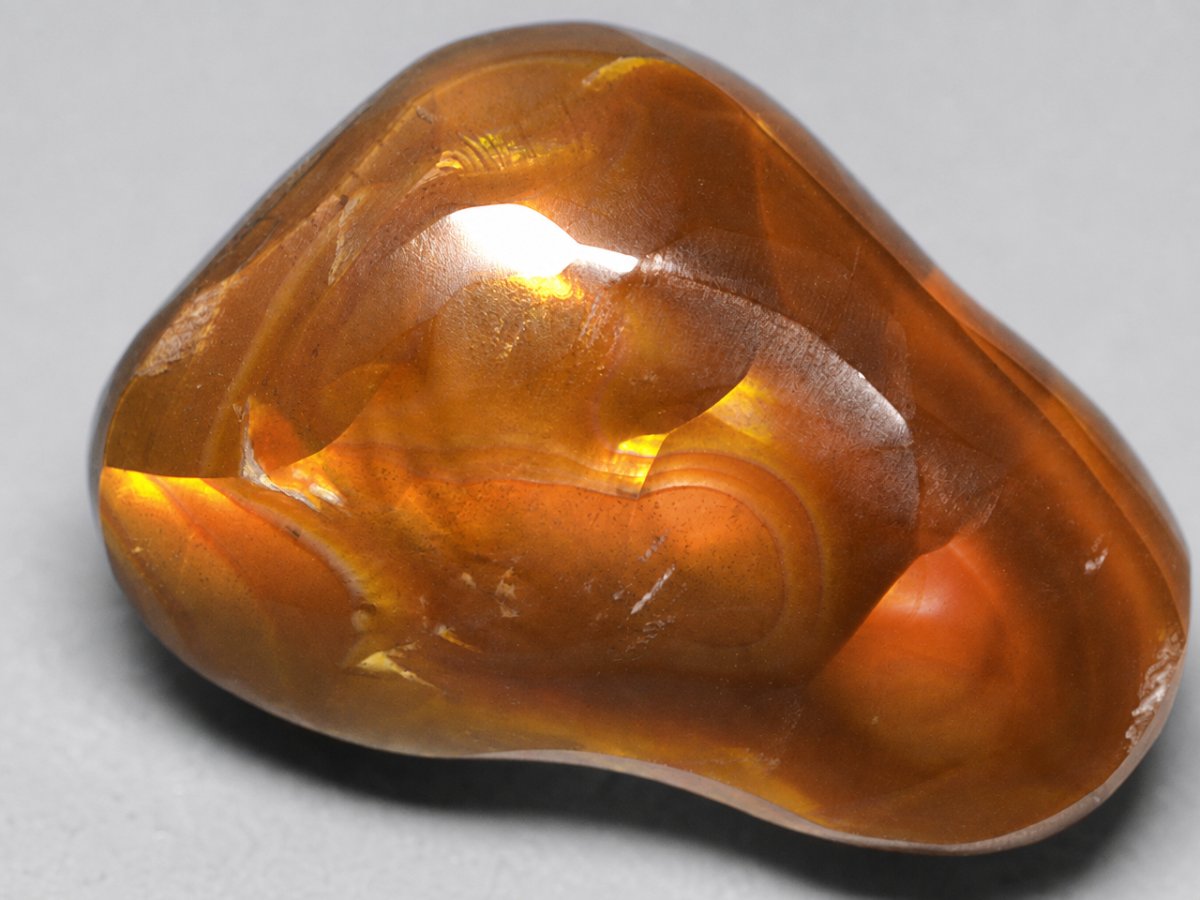
- Inspect the polish: A good polish helps the stone look clean and finished. Dull areas or scratches can reduce visual appeal.
- Consider the base color: Brown is a known color in Fire Agate, so decide whether you prefer a warmer brown-dominant stone or a stronger multicolor presentation.
- Review multiple photos when available: Since multicolor stones can change in appearance depending on angle and lighting, additional images are useful.
Cut and Shape
Cut has a major effect on how Fire Agate looks and how it can be used in jewelry. The most common cut is the cabochon. Cabochons are practical because they create a smooth surface that emphasizes the stone’s body color and pattern. They are also easy for jewelers to set in bezels, prongs or custom settings, depending on the design.
Freeform shapes are especially common and suit the natural character of Fire Agate. A freeform cabochon does not follow a strict outline such as a perfect oval or round. Instead, the cutter preserves an appealing shape that works with the stone’s natural color distribution. This can result in a one-of-a-kind look, which is part of the attraction for many buyers and jewelry designers.
Oval and round shapes are also important choices. These are easier to incorporate into standard jewelry designs and may be preferred when matching pairs or creating symmetrical pieces. Cushion, pear and fancy shapes may also be available and can be useful for more individual designs.
Cabochon Quality Checklist
When buying a Fire Agate cabochon, look for a smooth dome or well-finished surface, clean edges, attractive proportions and a polish that supports the color. The back should also be suitable for setting. For jewelry use, overly thin stones can be harder to mount securely, while overly high stones may sit too prominently in some designs. Choose the shape and height according to the intended setting.
Clarity and Surface Condition
For Fire Agate, clarity should be considered in a practical way. Since the gem is commonly appreciated for color and surface appearance rather than transparent brilliance, buyers should focus on features that affect beauty, durability and setting. Surface-reaching cracks, chips, pits or rough polish are more important to inspect than internal characteristics that are not visible face-up.
Small natural-looking variations may be acceptable if they do not distract from the stone’s appearance or weaken the gem. However, avoid stones with obvious damage near the edge if the gem will be set in a ring, because edges can be vulnerable during setting and wear.
Size and Matching
Fire Agate is purchased in a range of sizes, and the best size depends on the jewelry purpose. A larger freeform cabochon can make a strong pendant or collector stone, while smaller oval or round cabochons may be better for rings and earrings. If you are planning a pair of earrings, pay close attention to matching. With multicolor stones, exact matching can be difficult, so look for stones with similar size, outline, base color and overall color balance.
For rings, make sure the dimensions suit the finger size and setting style. A stone that looks excellent as a loose cabochon may be too large or too high for comfortable daily ring wear. For pendants and necklaces, larger or more unusual shapes are often easier to wear because they are less exposed to knocks than ring stones.
Origins of Fire Agate
Important sources of Fire Agate include Mexico, the United States and Brazil. Mexico is especially prominent in the origin information for this gem, with the United States also notable and Brazil also represented. For most buyers, origin may be interesting, but visual quality and suitability for the intended use should remain the main decision factors unless you specifically collect by locality.
If origin matters to you, buy from a seller that clearly states the available source information. Origin should not be used as a substitute for inspecting the actual stone. A beautiful Fire Agate from any recognized source can be a good choice if the color, cut and condition meet your needs.
Gemological Properties
Fire Agate shares important gemological characteristics with quartz-family materials. These properties help buyers understand what the stone is and how it may perform in jewelry.
| Gem type | Variety of agate |
| Mineral family | Quartz |
| Chemical formula | SiO₂ |
| Crystal system | Trigonal |
| Mohs hardness | 6.5–7 |
| Refractive index | 1.530–1.540 |
| Specific gravity | 2.58–2.64 |
The Mohs hardness of 6.5–7 means Fire Agate is reasonably durable for many types of jewelry, but hardness is only one part of durability. Jewelry design, setting protection and wearing habits also matter.
Durability and Wearability
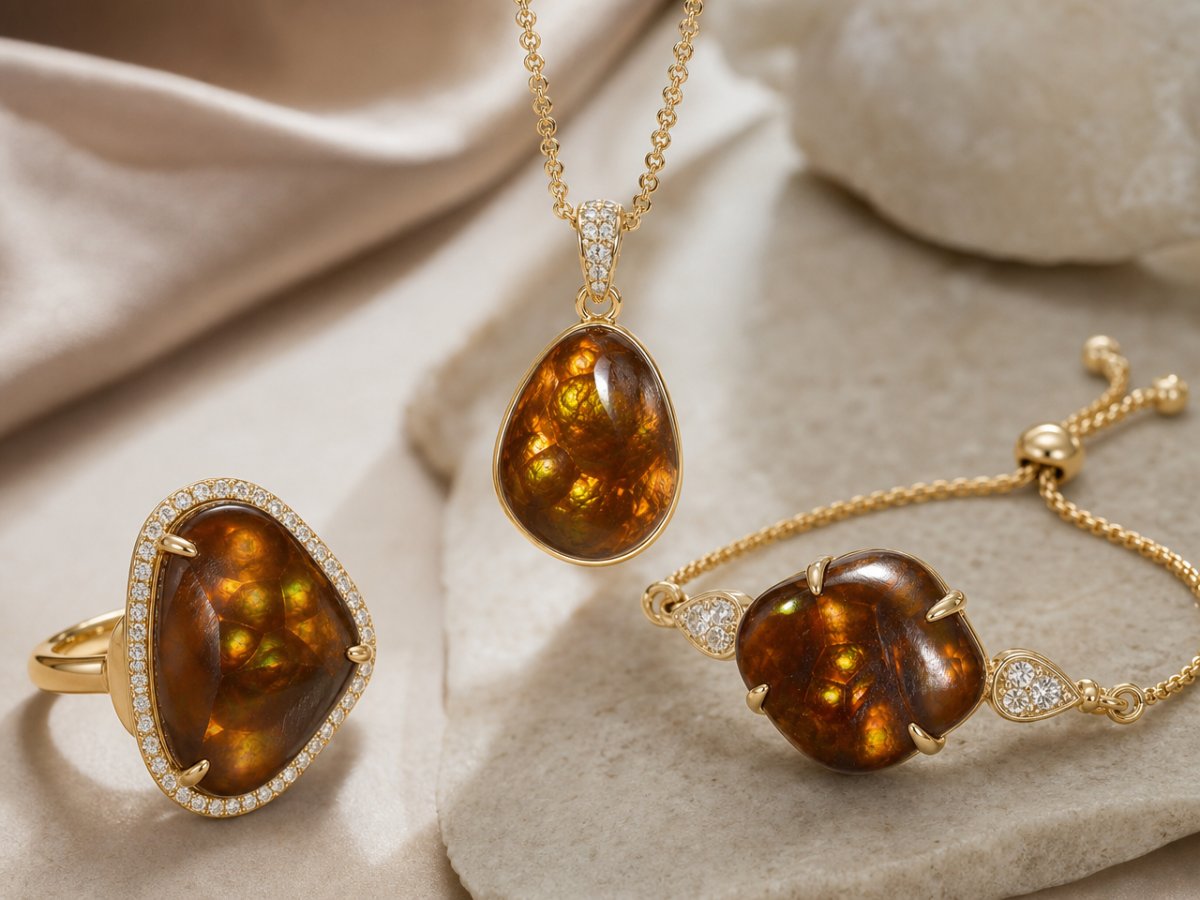
With a Mohs hardness of 6.5–7, Fire Agate can be used in rings, necklaces, pendants, earrings and brooches. Rings are a common jewelry use, but they also expose a gemstone to more impact and abrasion than many other jewelry types. If you are buying Fire Agate for a ring, consider a protective setting, especially if the stone is intended for frequent wear.
Pendants and necklaces are very suitable options because they display the stone well while usually receiving less hard contact than rings. Earrings can also be a good choice, particularly when the stones are light enough for comfortable wear. Brooches offer another option for distinctive shapes, including freeform cabochons.
Care Tips
Clean Fire Agate gently with warm water, mild soap and a soft cloth or brush. Avoid harsh chemicals, sudden temperature changes and abrasive cleaning materials. Store it separately from harder gemstones to reduce the chance of scratches. For rings, remove the jewelry before heavy work, sports or activities where the stone may be hit against hard surfaces.
Treatments: What Buyers Should Ask
Fire Agate is commonly associated with untreated material, but dyed and heat-treated stones are also known. Treatment disclosure is important because it helps you understand what you are buying and care for it appropriately. Untreated stones are often preferred by buyers who value natural appearance, while treated stones may still be attractive if the treatment is clearly disclosed and the price reflects the product being sold.
When buying Fire Agate, ask whether the stone is untreated, dyed or heat treated if the information is not already provided. This is particularly important when color appears unusually uniform or intense. Reputable sellers should make treatment information clear when known. GemSelect provides treatment information on gemstone listings where available, helping buyers compare stones more confidently.
Jewelry Uses and Setting Ideas
Fire Agate works well in several jewelry styles. The best use depends on the stone’s shape, size, dome height and color layout.
Fire Agate Rings
Rings are one of the most important uses for Fire Agate. A cabochon ring can highlight the stone’s surface color and natural pattern. For everyday wear, choose a setting that protects the edges of the cabochon. Bezel settings are often practical for cabochons because they surround the edge of the stone, though the best setting depends on the design and the stone’s dimensions.
Fire Agate Pendants and Necklaces
Pendants and necklaces are excellent choices for larger or freeform Fire Agate cabochons. These pieces allow the gem to be viewed face-up and can accommodate unusual outlines more easily than rings. A pendant is also a good option if you want a statement stone without exposing it to the same level of wear as a ring.
Fire Agate Earrings
Earrings are best when the stones are comfortably sized and reasonably matched. Since Fire Agate often has individual color patterns, matching should focus on harmony rather than exact duplication. Similar shape, size and general color balance are usually more realistic goals than identical patterns.
Fire Agate Brooches
Brooches are a less common but useful option, especially for larger or more unusual stones. Freeform cabochons can work particularly well in brooch designs where symmetry is not required.
Practical Fire Agate Buying Guide
When comparing Fire Agate gemstones, start with appearance, then confirm the practical details. A stone that looks attractive but is the wrong size, too fragile at the edges or not suitable for the intended setting may not be the best purchase.
1. Decide on the Jewelry Purpose First
Before choosing a stone, decide whether it will be used in a ring, pendant, necklace, earrings or brooch. Rings need more attention to durability and setting protection. Pendants and brooches can often handle larger freeform stones. Earrings require attention to weight and matching.
2. Choose the Color Character You Prefer
Fire Agate may show multicolor appearance with brown tones. Decide whether you want a bold multicolor face-up look, a warm brown-dominant stone or a balanced combination. There is no single correct choice; the best stone is the one that suits your design and taste.
3. Inspect the Cut and Polish
For cabochons, check that the surface is smoothly polished and that the outline works for your setting. Freeform shapes can be beautiful, but they may require custom settings. Standard oval and round stones are often easier to use in traditional jewelry designs.
4. Review Condition Carefully
Look for chips, cracks, rough edges or obvious surface damage. This is especially important for rings, where the stone will be more exposed. A minor feature that is acceptable in a collector stone may be less desirable in a ring stone.
5. Confirm Treatment Information
Ask whether the Fire Agate is untreated, dyed or heat treated. Treatment disclosure is part of informed gemstone buying and helps you compare stones fairly.
6. Consider Origin, But Do Not Buy on Origin Alone
Mexico, the United States and Brazil are known origins for Fire Agate. Origin can add interest, but the stone’s actual beauty, cutting and condition should guide the purchase.
7. Buy from a Clear and Reliable Source
Good gemstone listings should provide accurate photos, dimensions, weight, treatment information where known and enough detail to evaluate the stone. When buying loose Fire Agate from GemSelect or another specialist supplier, compare several stones rather than choosing only by size or price.
Conclusion
Fire Agate is a quartz-family gemstone and a variety of agate with a distinctive multicolor and brown appearance. For buyers, the most important considerations are face-up color, cabochon quality, surface condition, treatment disclosure and suitability for the intended jewelry use. Cabochons, especially freeform, oval and round shapes, are the most common and practical choices.
Choose Fire Agate with your design in mind. A protective ring setting, an expressive pendant, a matched earring pair or a freeform brooch may each call for a different size and shape. By focusing on appearance, durability and clear disclosure, you can buy Fire Agate with confidence and select a stone that will work well in your finished jewelry.
