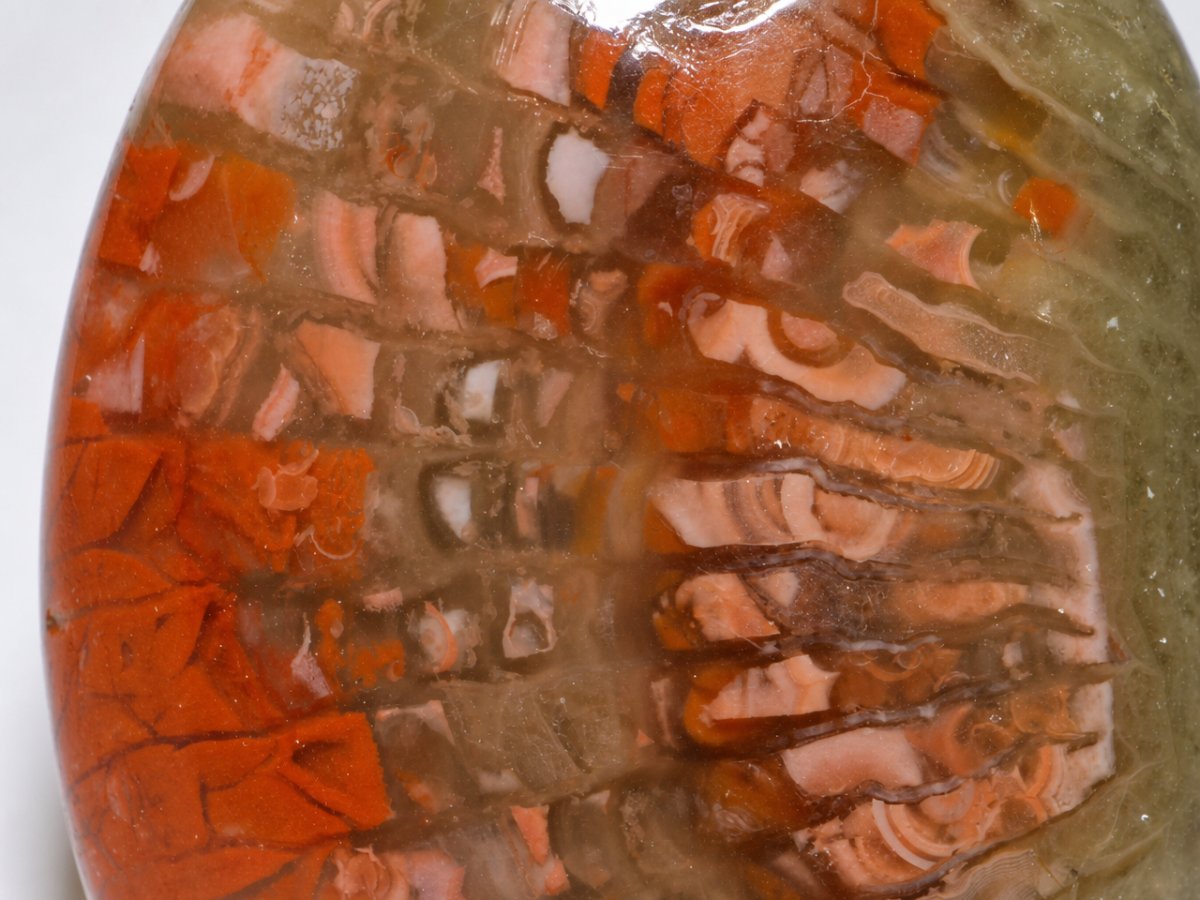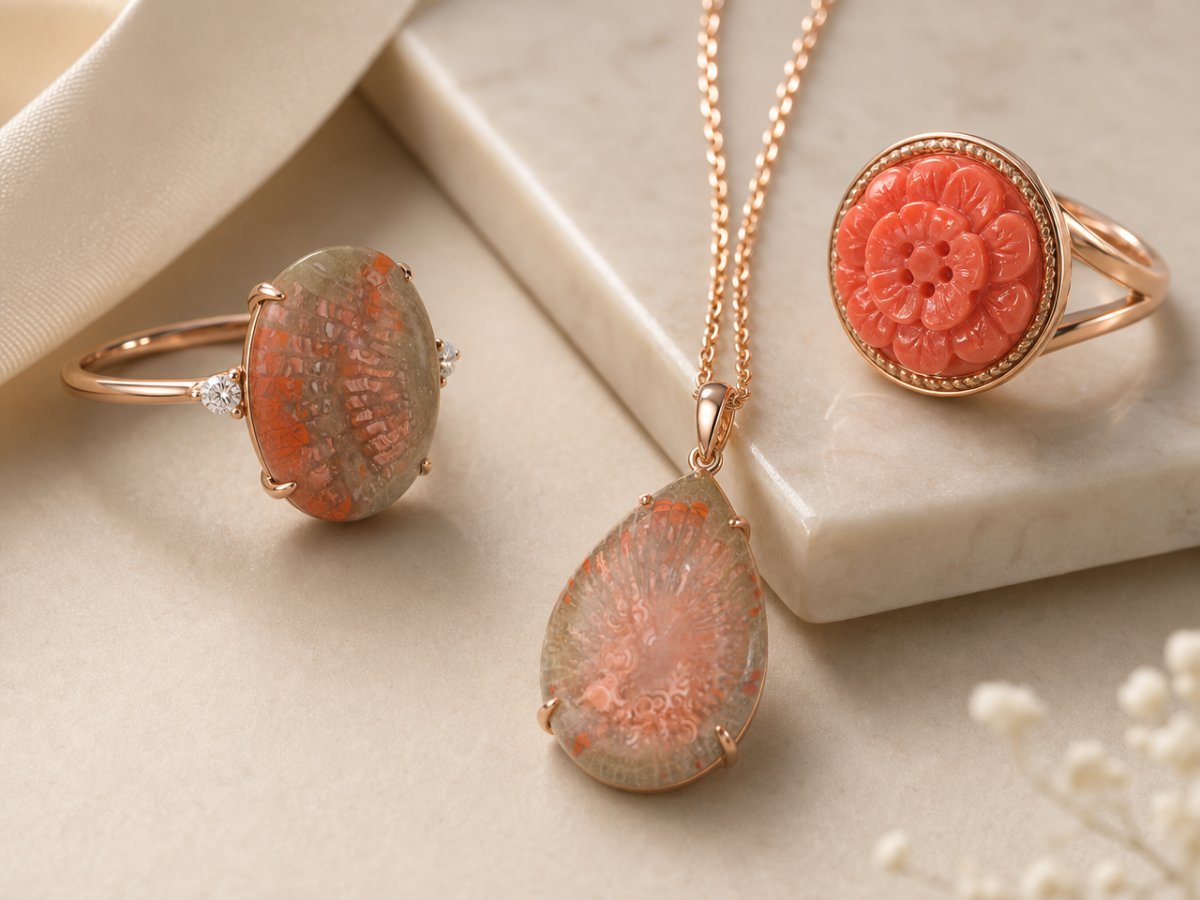


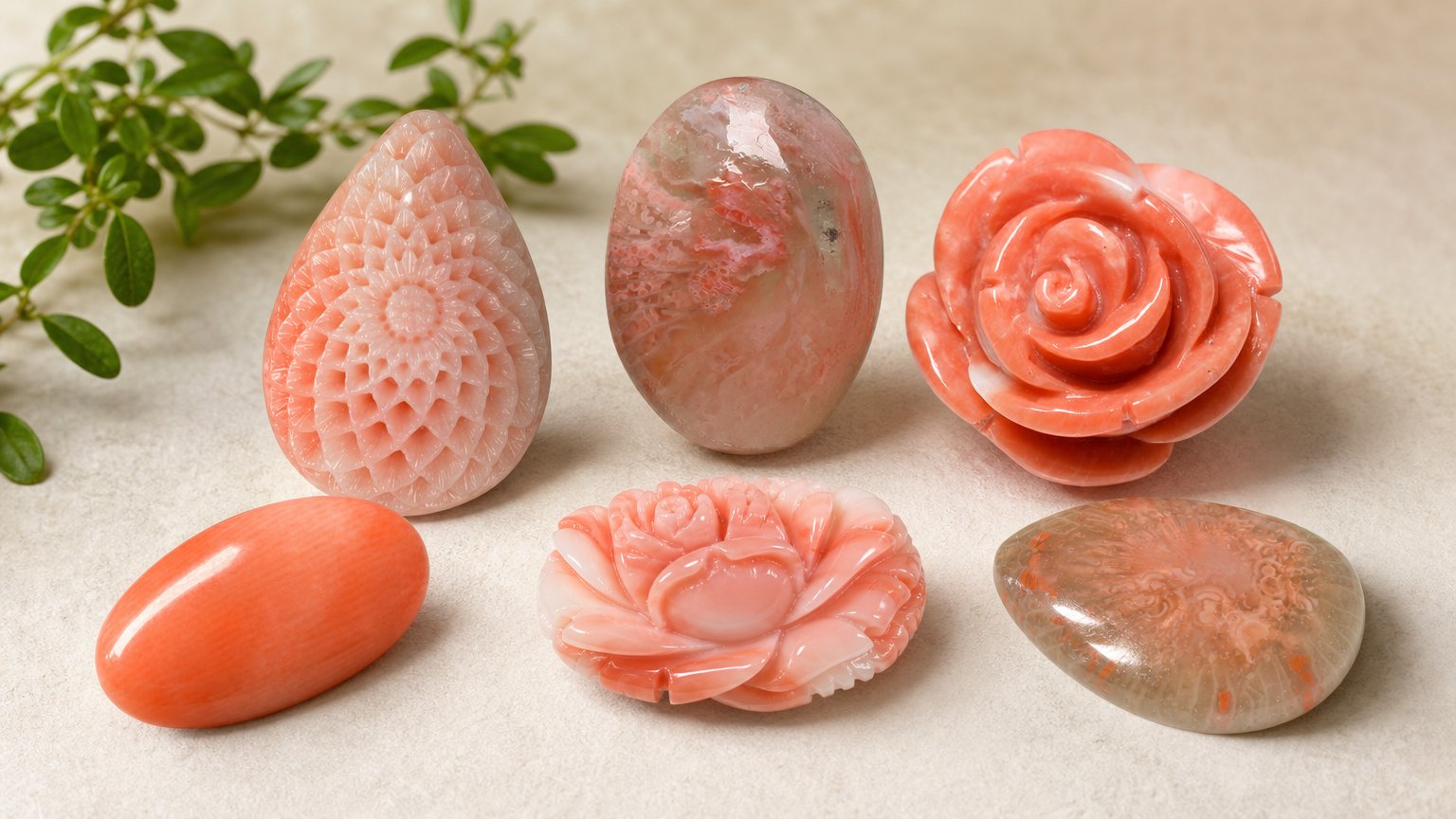
Coral is bought for its smooth polish, warm body color and distinctive appearance rather than sparkle. It is most often seen in pink and red, with orange, salmon, white and black varieties also available. For buyers, the main decisions are color preference, surface quality, shape, treatment disclosure and whether the piece is suitable for the intended jewelry design.
This guide explains the practical points to check before buying coral, from durability and treatments to common cuts and jewelry uses.
What Is Coral?
Coral is a calcium carbonate gem material with the chemical formula CaCO₃, primarily calcite. Its gemological properties include a Mohs hardness of 3-4, a refractive index of 1.48-1.66 and a specific gravity of 2.60-2.70.
Because coral is usually opaque to translucent and valued for color and surface, it is generally cut differently from transparent faceted gemstones. Buyers should focus less on brilliance and more on the evenness of color, polish, shape and overall visual balance.
Color: The Most Important Buying Factor
Color is usually the first thing buyers notice in coral. Pink and red are especially important colors, with orange and salmon tones also widely appreciated. White coral offers a softer, more neutral look, while black coral gives a strong contrast in jewelry designs.
When comparing coral, look for a color that appears attractive and consistent across the piece. Some natural variation can be part of coral's character, especially in carved pieces, but uneven or patchy color should be considered carefully. If you are buying matching gems for earrings, necklaces or multi-stone settings, compare them under the same light to make sure the tones work together.
Cut, Shape and Appearance
Coral is commonly fashioned as cabochons, which show its color through a smooth domed surface. Cabochons are practical for pendants, rings, earrings and brooches because they emphasize polish and body color without relying on faceting.
Carved coral is also popular, especially where the design itself is part of the appeal. Carved flower shapes can be attractive for brooches, pendants and decorative jewelry. Other shapes seen in coral include pear, oval, round, cushion, baguette, trillion and fancy shapes.
For cabochons, check that the dome is pleasing, the outline is symmetrical for the shape, and the polish is smooth. For carvings, inspect the detail, depth and condition of the raised areas, since delicate edges can affect both appearance and durability.
Clarity and Surface Quality
Coral is not judged by the same clarity standards used for transparent gemstones. Instead, buyers should examine the surface. A good piece should have an attractive polish and a surface appearance that suits the design.
Small natural features may be acceptable if they do not distract from the overall look. However, visible cracks, dull areas, obvious filled breaks or surface damage can reduce the usefulness of the piece, especially for jewelry that will be worn often.
Treatments: What Buyers Should Know
Coral may be untreated, dyed or fracture-filled. Treatment disclosure matters because it affects how you evaluate color, durability and care.
Untreated coral is valued for its natural appearance. Dyed coral has color added or enhanced, so buyers should make sure the treatment is clearly stated before purchase. Fracture-filled coral has had breaks or openings filled, and this should be considered carefully for jewelry exposed to wear.
When buying coral from GemSelect or any reputable seller, check the product details for treatment information. If color is the main reason you are choosing a piece, knowing whether it is untreated or dyed helps you compare options more confidently.
Durability and Everyday Wear
Coral has a Mohs hardness of 3-4, so it is softer than many popular jewelry gemstones. This does not mean it cannot be worn, but it does mean jewelry design and care are important.
Pendants, earrings, necklaces and brooches are often excellent choices because they are less exposed to knocks and abrasion. Rings and bracelets can also be made with coral, but they require more caution because they are more likely to contact hard surfaces during daily wear.
For coral rings, protective settings are helpful. Avoid wearing coral jewelry during activities where it may be scratched, struck or exposed to harsh conditions. Store coral separately from harder gemstones to prevent abrasion.
Origins
Coral is associated with several important origins, including Indonesia, Australia, Japan and Spain. Origin can be of interest to collectors and buyers who prefer material from a particular source, but it should not be the only factor in the purchase.
For most jewelry buyers, the practical priorities are the appearance of the individual gem, treatment disclosure, suitable shape and condition. If origin is listed, consider it useful supporting information alongside the visual and gemological details.
Choosing Coral for Jewelry
Coral works especially well in jewelry designs where its color can be the main feature. Pendants are a strong choice because they display the gem clearly while keeping it relatively protected. Earrings, necklaces and brooches are also well suited to coral's smooth polish and warm tones.
Rings and bracelets can be attractive, but they need more thoughtful wear. Because coral is relatively soft, choose settings that help protect edges and raised surfaces. Carved coral should be placed where the design is visible but not easily damaged.
Practical Coral Buying Checklist
- Choose the color first: Decide whether you prefer pink, red, orange, salmon, white or black coral.
- Check treatment disclosure: Confirm whether the coral is untreated, dyed or fracture-filled.
- Inspect the surface: Look for smooth polish and avoid distracting cracks or dull areas.
- Match shape to jewelry use: Cabochons are versatile, while carved pieces are ideal for decorative designs.
- Consider durability: Pendants, earrings, necklaces and brooches are safer choices for frequent wear than exposed rings or bracelets.
- Compare size and proportions: Choose a piece that fits the setting and has a balanced outline.
- Use origin as supporting information: Origin may be interesting, but appearance, treatment and condition should guide the decision.
Summary
The best coral purchase is one where the color, surface quality, treatment status and jewelry use all make sense together. Pink and red coral are especially popular, while orange, salmon, white and black offer different design possibilities. Cabochons are the most common and practical cut, with carved coral adding decorative appeal.
Because coral is relatively soft, buyers should think carefully about how the gem will be worn. Choose protected jewelry styles for frequent use, confirm treatments before buying and select the individual piece that offers the best balance of color, polish and condition.