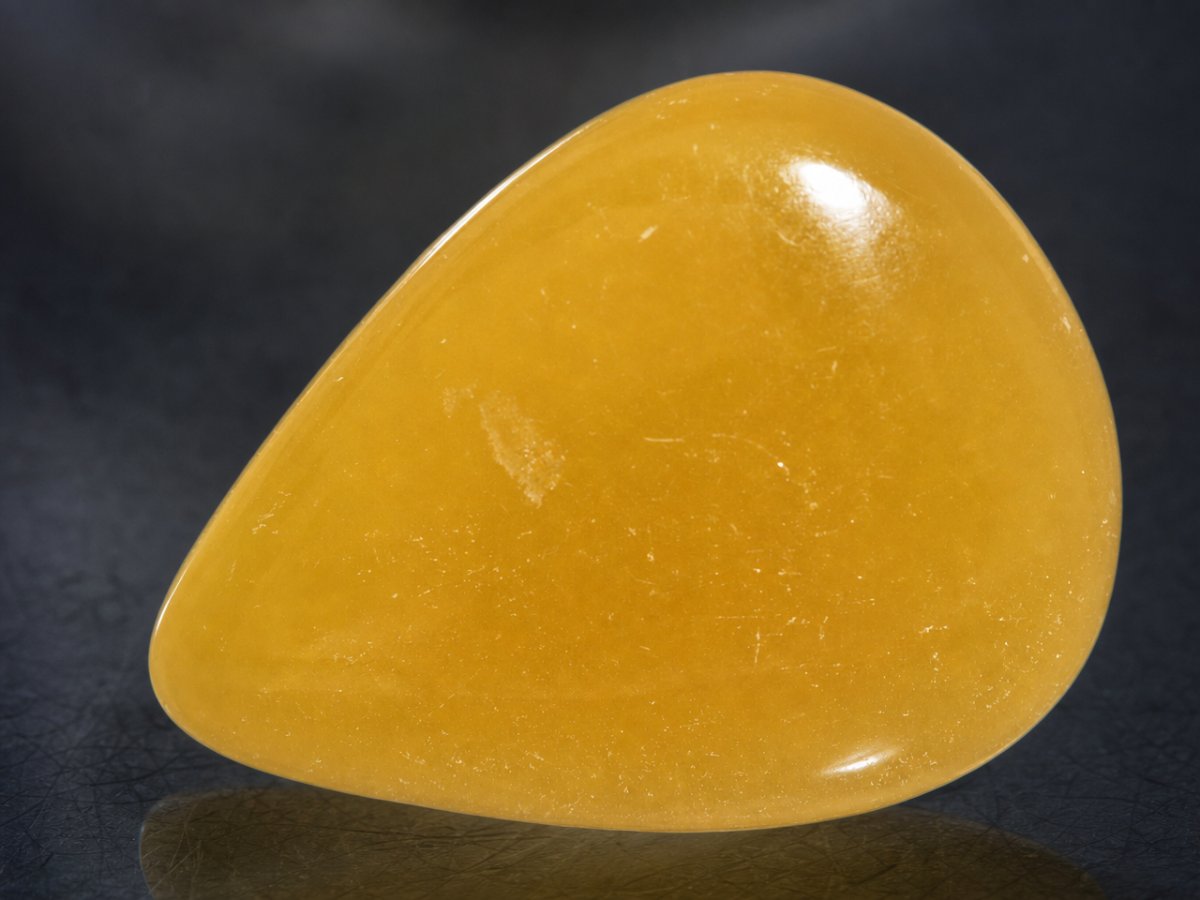


Calcite is a calcium carbonate gemstone appreciated for its wide color range, attractive polished surfaces and availability in decorative cuts. For buyers, the most important points are appearance, cut quality and durability. Calcite has a Mohs hardness of 3, so it is best chosen for jewelry and collections where gentle wear and careful handling are expected.
This guide explains what to look for when buying calcite, including color, shape, treatments, origin and suitable jewelry uses.
What Is Calcite?
Calcite is the mineral form of calcium carbonate, with the chemical formula CaCO₃. It crystallizes in the trigonal crystal system and has gemological properties that help identify it, including a refractive index of 1.486-1.658 and a specific gravity of 2.69-2.72.
As a gemstone, calcite is often selected for its visual character rather than for everyday durability. It can be an appealing choice for collectors, designers and jewelry buyers who want a colorful gem for pendants, necklaces, earrings or display pieces.
Color and Appearance: What Buyers Should Look For
Calcite occurs in many colors, with colorless and yellow stones especially important among available gemstone varieties. Brown, orange and red calcite are also well represented, while gray, green and pink options give buyers additional design choices. Black and blue calcite may also be encountered, though less commonly in the buying selection.
When choosing calcite, judge the color by how it looks in the intended setting or display environment. A pale yellow or colorless gem may suit clean, minimal designs, while orange, red or brown calcite can provide a warmer, more earthy look. Green and pink calcite may appeal to buyers looking for softer decorative colors.
For any color, look for an even, pleasing appearance unless you specifically want natural zoning or patterning. Because calcite is often bought for visual interest, the best choice is the stone whose color, polish and overall presentation match your design goal.
Cut, Shape and Finish
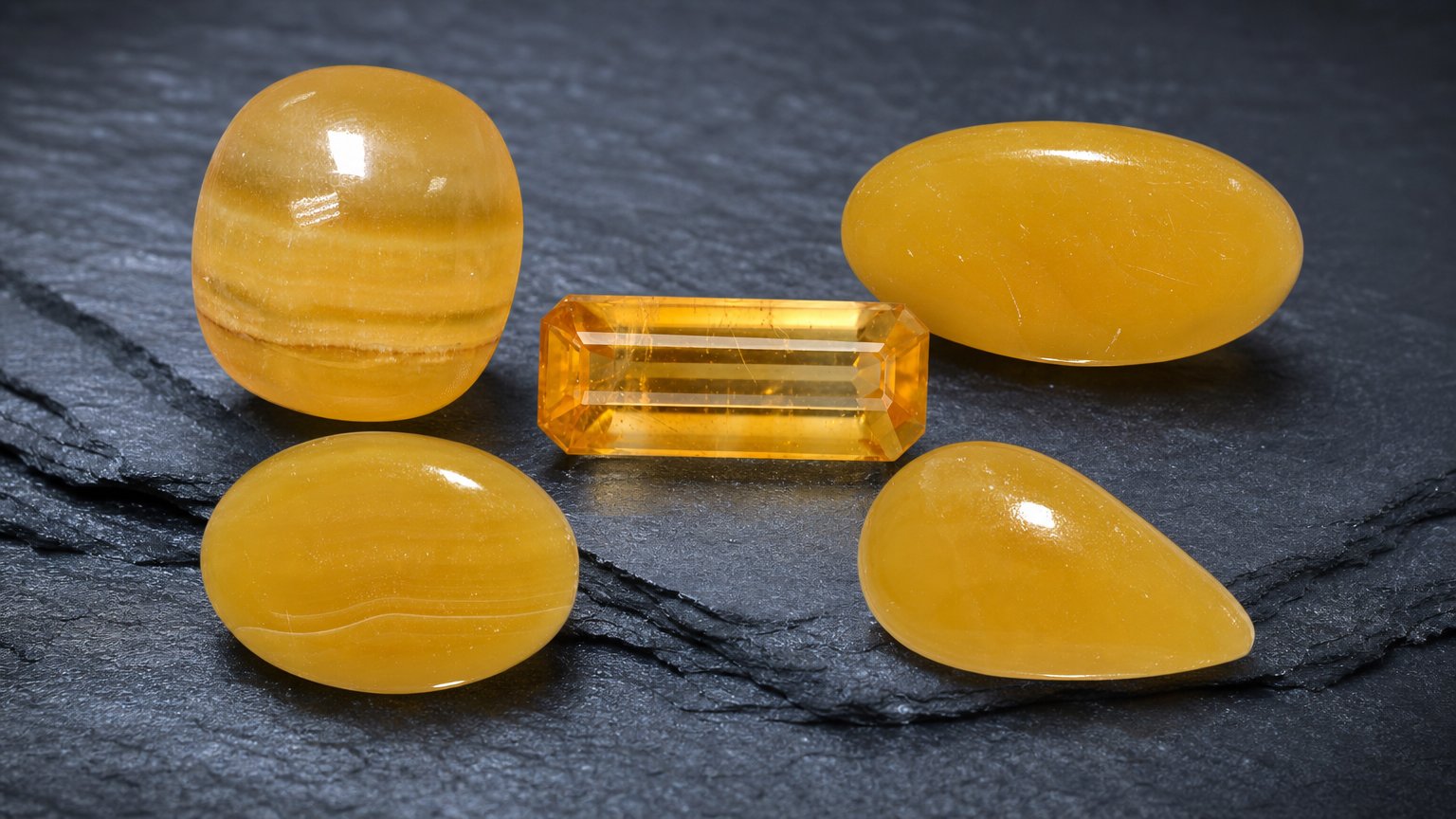
Cabochons are the most common and practical cut style for calcite. A cabochon has a smooth domed top rather than facets, which can show color attractively and is well suited to softer gemstones.
Carved calcite is also a meaningful option for buyers who want a decorative or sculptural piece. Carving cuts can emphasize the material's color and form, making them suitable for pendants, collector pieces and custom jewelry designs.
Calcite may also be cut into pencil forms, and faceted calcite is available in some cases. Faceted calcite can be attractive, but buyers should remember that it remains a soft gemstone and should be handled carefully. When inspecting any cut, look for a good polish, balanced outline and a shape that suits the intended setting.
Common shapes include oval, cushion and freeform. Oval calcite is especially useful for pendants and earrings because it is easy to design around. Cushion and freeform shapes can give a more individual or artistic look, while pear and round shapes are also possible.
Durability and Jewelry Suitability
Durability is the most important buying consideration for calcite. With a Mohs hardness of 3, calcite is much softer than many everyday jewelry gemstones. It can be scratched by harder materials, so it should not be treated like sapphire, quartz or topaz.
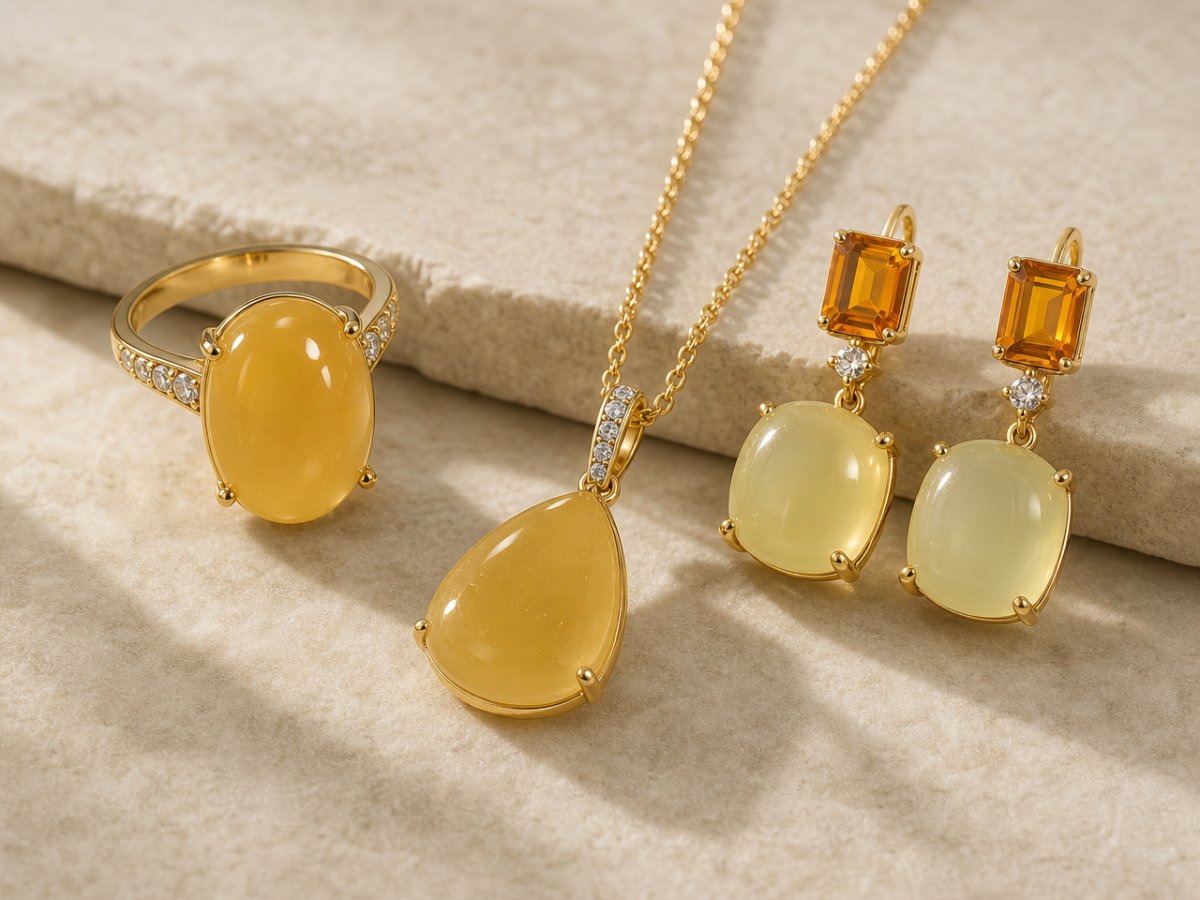
Calcite is best suited to jewelry that avoids heavy impact and abrasion. Necklaces and pendants are excellent choices because they usually receive less contact than rings or bracelets. Earrings are also a suitable option because they are generally protected during wear. Brooches can work well when worn carefully.
Calcite rings should be considered collector rings rather than everyday rings. If you choose calcite for a ring, use a protective setting and wear it only occasionally. This is not the best gemstone for daily wear, active lifestyles or jewelry that will be exposed to frequent knocks.
Treatments and Buying Confidence
Calcite is commonly offered untreated. For buyers, this makes the purchasing decision more straightforward: focus on the stone's natural color, cut, size and condition.
Even when a gemstone is typically untreated, it is still wise to buy from a seller that clearly discloses treatment information. GemSelect provides gemstone details to help buyers compare options with confidence.
Origin: Does It Matter When Buying Calcite?
Calcite is known from several origins, including Namibia, Brazil, Pakistan, the United States, China, Mexico and Peru. Namibia is especially notable among listed sources, with Brazil, Pakistan and the United States also important.
For most calcite purchases, origin is usually less important than appearance, cut quality and durability. If you are a collector, a documented origin may be part of the appeal. For jewelry buyers and designers, choose the stone that offers the right color, size, shape and finish for the project.
How to Choose the Right Calcite Gemstone
1. Start with the intended use
If the gem will be worn, favor pendants, necklaces, earrings or brooches. If you want a ring, treat it as an occasional-wear or collector piece.
2. Choose color by design purpose
Colorless and yellow calcite can look bright and clean, while orange, red and brown calcite give warmer tones. Pink, green, gray, blue or black calcite may be chosen for more specific design preferences.
3. Select a practical cut
Cabochons are a strong choice for wearable calcite. Carvings and freeform pieces are appealing for artistic jewelry and collections. Faceted stones can be attractive but require careful handling.
4. Inspect polish and condition
Because calcite is soft, surface condition matters. Look for a clean polish and avoid stones with noticeable scratches or abrasions unless the piece is intended only for display or the marks are acceptable to you.
5. Match size to setting and wearability
Larger calcite gems can make impressive pendants or display pieces, but size should be balanced with protection. A larger stone may be more exposed, so choose settings and uses that reduce contact and impact.
Care Tips for Calcite
Store calcite separately from harder gemstones and jewelry metals that could scratch it. Use a soft cloth for cleaning and avoid rough handling. Remove calcite jewelry before sports, housework or any activity where the stone may be knocked or abraded.
For set jewelry, protective designs are helpful. Bezel-style or otherwise secure settings can reduce exposed edges, especially for pendants and collector rings.
Summary
Calcite is a colorful and appealing gemstone for buyers who understand its limits. Its broad range of colors, common cabochon and carving cuts, and suitability for pendants, necklaces and earrings make it useful for decorative jewelry and collecting. The key is to choose calcite for the right purpose: appreciate its appearance, but protect it from rough wear.