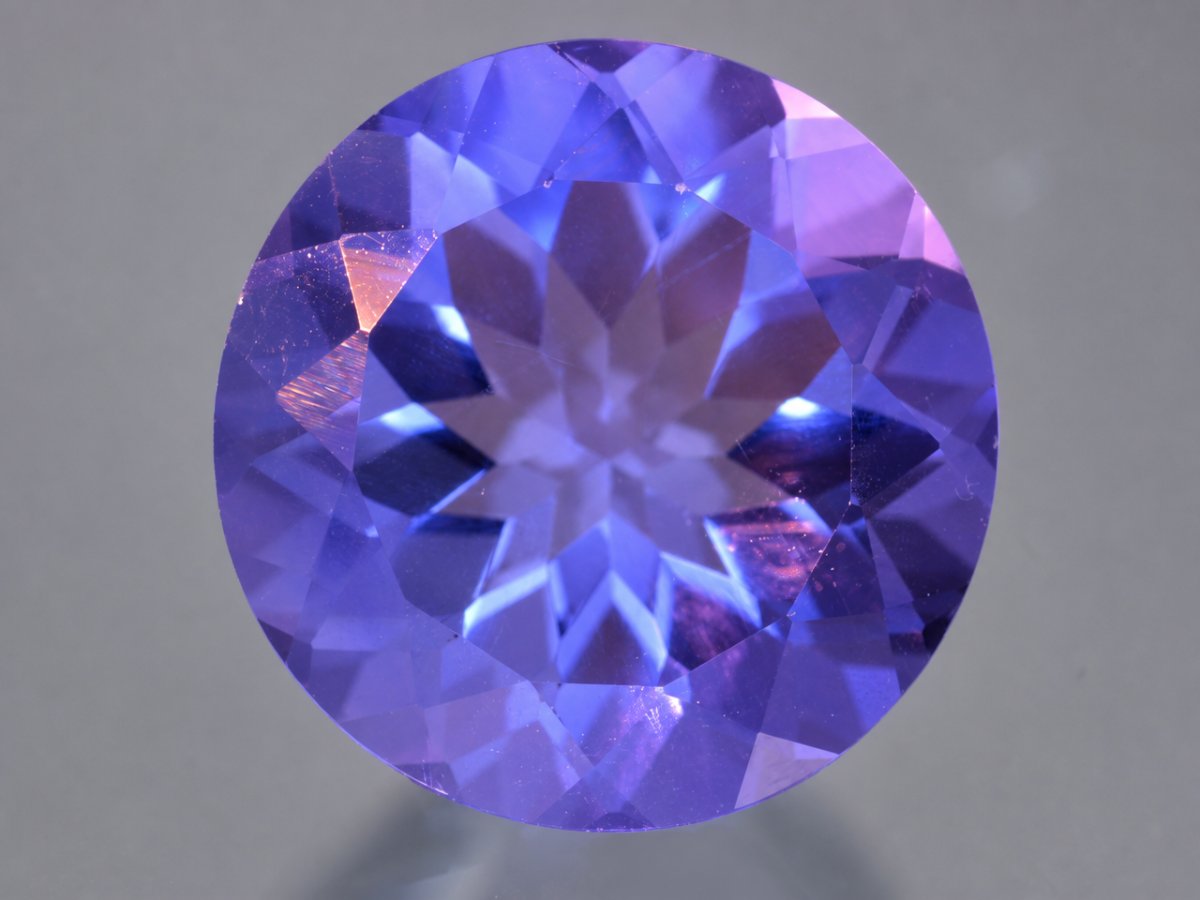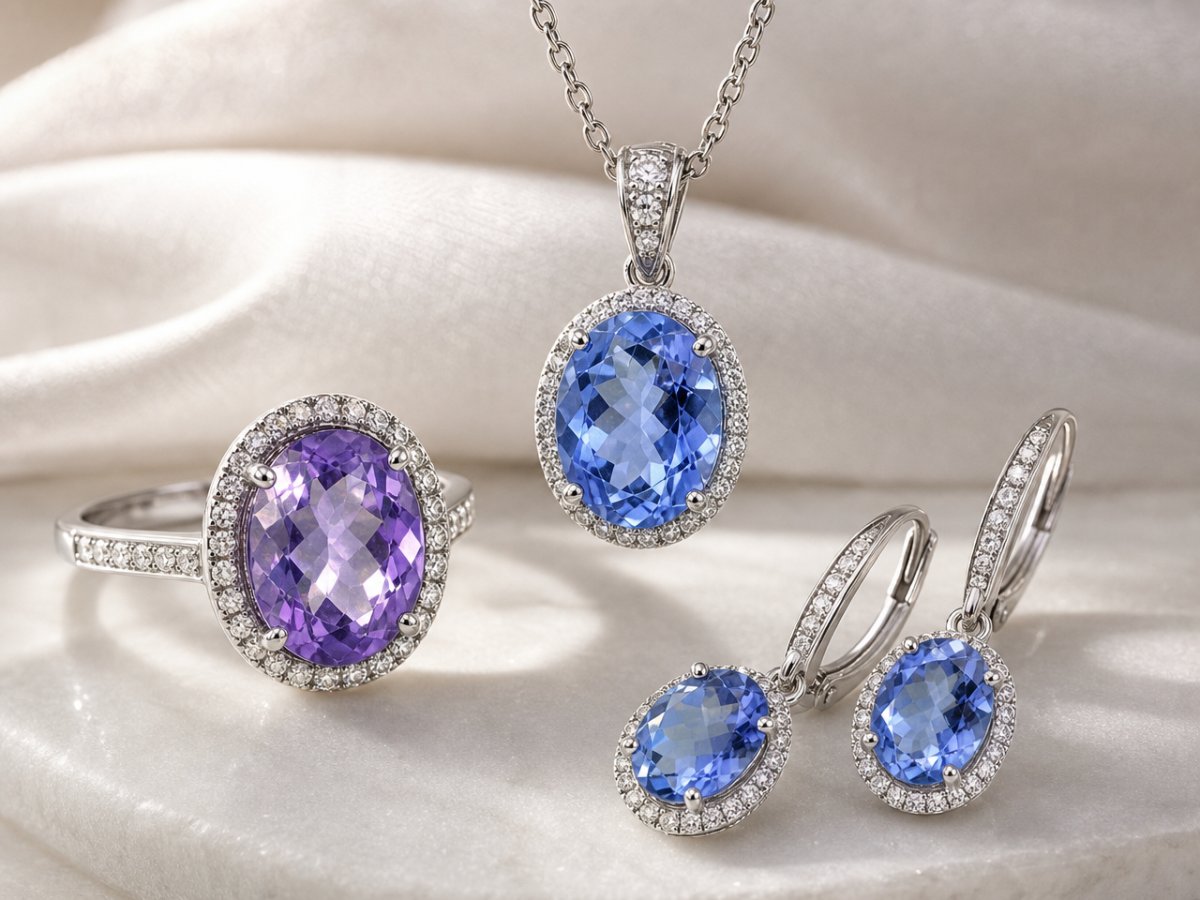


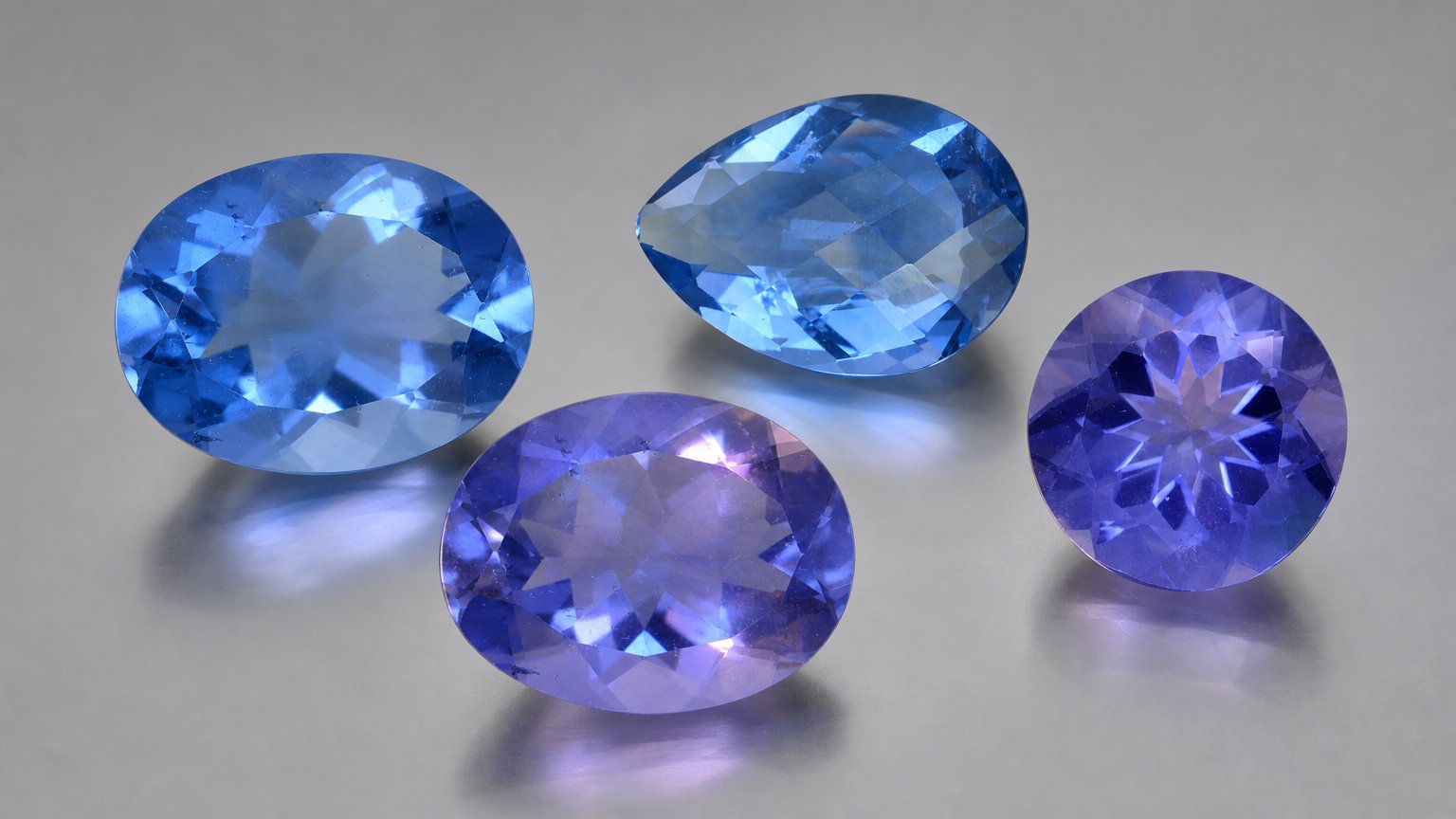
Color-change fluorite is a distinctive variety of fluorite admired for the way its color can appear different under changing light. Seen in shades associated with blue, green, violet and purple, it appeals to collectors and gemstone enthusiasts who enjoy gems with a sense of movement and surprise.
As a meaning and history subject, color-change fluorite should be understood with care. It does not have the same long, widely documented ceremonial history as some ancient gemstones. Its significance today is closely tied to its visual character: change, perception, contrast and the quiet fascination of seeing one gem reveal more than one mood.
What Color-Change Fluorite Represents
The most natural symbolism of color-change fluorite comes from its changing appearance. In modern gemstone appreciation, gems that shift color are often viewed as symbols of adaptability, transformation and seeing situations from more than one perspective. With color-change fluorite, this interpretation is especially fitting because the gem's appeal depends on the relationship between stone, light and viewer.
Its blue, green, violet and purple tones also influence how people describe its character. Blue and green can give the gem a calm, fresh impression, while violet and purple often create a more mysterious or contemplative feeling. These associations are modern descriptive and symbolic interpretations rather than proven historical meanings.
A Modern Gemstone with a Fluorite Identity
Color-change fluorite belongs to the fluorite mineral family. Fluorite is known for occurring in a wide range of attractive colors, and color-change fluorite is valued because it adds an additional visual effect to that natural variety.
For buyers, collectors and designers, its meaning is often connected to individuality. No two lighting environments show the gem in exactly the same way, so the stone can feel personal and expressive. This makes it appealing to people who prefer gemstones with visual nuance rather than a single fixed color impression.
History and Cultural Context
The available documented context for color-change fluorite is primarily modern rather than ancient. It is known as a gemstone variety of fluorite and is associated with sources including Brazil, China, Namibia, Mexico and South Africa. Among these, Brazil is especially prominent in the supplied gemological context for this gemstone.
Because there is no well-established ancient cultural tradition specifically attached to color-change fluorite, it is best not to attribute old myths, royal ownership stories or sacred uses to it without evidence. Its importance is better explained through contemporary collecting, lapidary appreciation and gemstone symbolism based on its observable color behavior.
Color-Change Fluorite in Modern Symbolism
In modern gem culture, color-change fluorite is often appreciated as a stone of visual transition. The way it can move between cool blue, green, violet or purple impressions gives it a symbolic link to change and flexibility. This is not a medical or scientific claim; it is a cultural and aesthetic interpretation based on how people respond to the gem's appearance.
Collectors may see it as a reminder that beauty can depend on perspective. Jewelers and designers may use it to create pieces that feel dynamic, especially where the gemstone can catch different types of light. GemSelect customers often look for gemstones with personality, and color-change fluorite fits that interest because its identity is not limited to one color moment.
Folklore, Belief and Responsible Interpretation
Some modern crystal and gemstone traditions associate changing-color stones with personal growth, mental flexibility or emotional transition. These ideas should be understood as symbolic or spiritual beliefs, not as scientifically proven effects.
For an educational meaning guide, the most responsible interpretation is simple: color-change fluorite symbolizes transformation because it visibly transforms. Its meaning comes less from ancient legend and more from the direct experience of seeing the gem respond to light.
How Its Appearance Shapes Its Meaning
Color is central to the way this gemstone is understood. Blue and green are commonly associated with calmness, clarity and nature-inspired freshness in modern color symbolism. Violet and purple can suggest imagination, introspection and refinement. When these impressions appear within one gemstone, the result is a layered symbolic personality.
This is why color-change fluorite is often more meaningful to enthusiasts than a standard single-color gem of similar type. Its attraction lies in contrast: the stone may appear restrained in one setting and more vivid or mysterious in another. That contrast makes it a thoughtful choice for people who enjoy gems that invite closer observation.
Traditional Associations
Color-change fluorite is not recognized as a traditional birthstone or major anniversary gemstone in the supplied information. Any zodiac, birthstone or ceremonial associations should therefore be treated as modern personal preferences rather than established traditions.
This does not reduce the gem's appeal. Many gemstone lovers choose stones for personal symbolism rather than formal tradition. For color-change fluorite, that personal symbolism often centers on change, curiosity, open-mindedness and the beauty of shifting perspective.
Conclusion
Color-change fluorite is meaningful because of what it does visually. As a fluorite gemstone that can show blue, green, violet and purple impressions, it invites symbolic interpretations connected with transformation, adaptability and perception. Its history is best understood as part of modern gemstone appreciation rather than ancient documented tradition.
For collectors, designers and enthusiasts, the gem's cultural value lies in its individuality. It is a stone that rewards attention, changes with its surroundings and reminds the viewer that color can be an experience rather than a fixed label.