


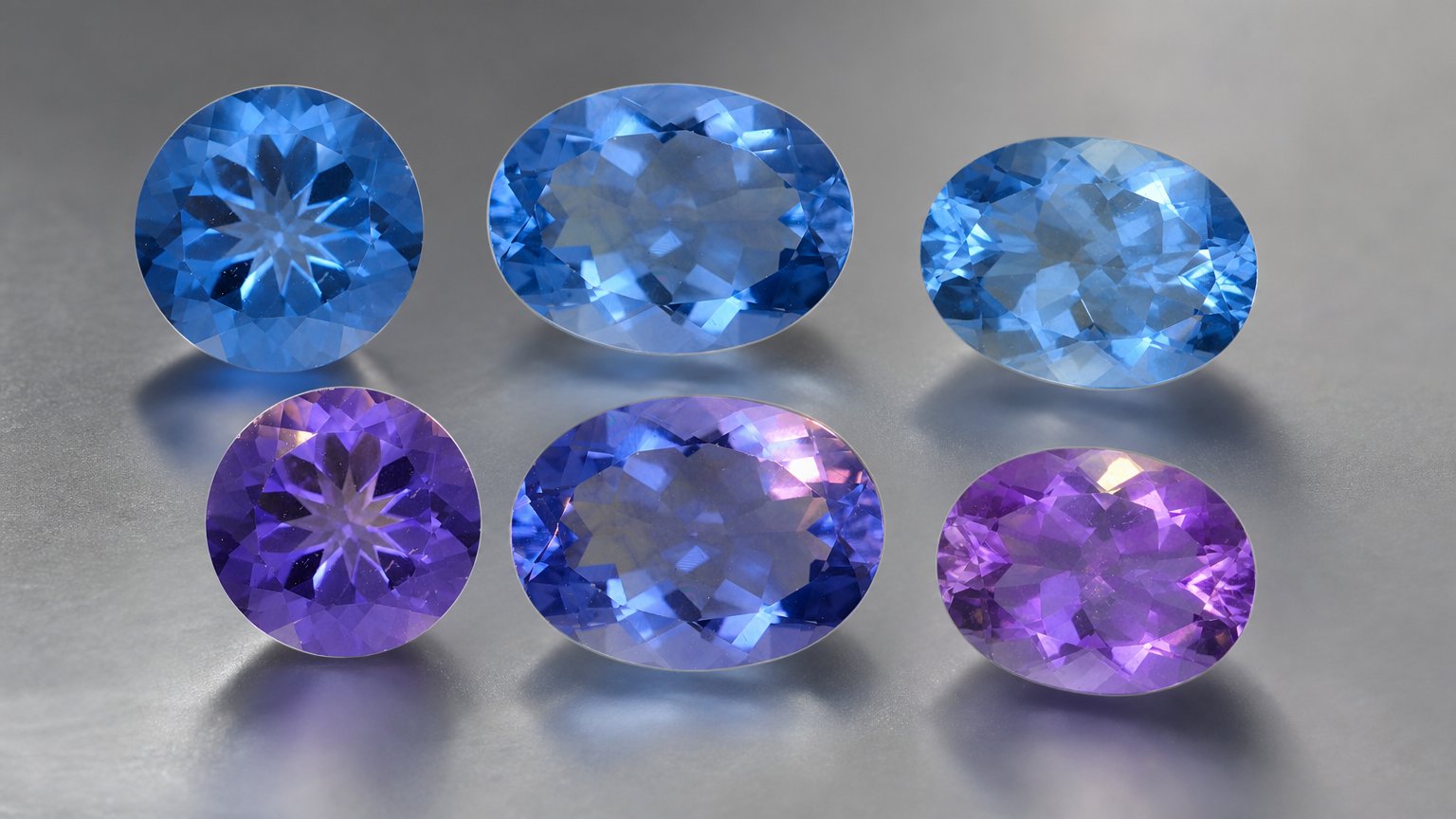
Color-change fluorite is a variety of fluorite appreciated by buyers who want a gemstone with an unusual visual character rather than a mainstream jewelry stone. Its appeal comes from its blue, green, violet and purple appearance, often viewed for the way its color can respond to different lighting conditions.
For buyers, the most important decisions are color, cut quality, size, condition and intended use. Fluorite has a Mohs hardness of 4, so it should be chosen and set with more care than harder gems such as sapphire, spinel or quartz. This guide explains what to look for before purchasing color-change fluorite from GemSelect or any reputable gemstone seller.
What Is Color-Change Fluorite?
Color-change fluorite is a gemstone variety of fluorite, a mineral with the chemical formula CaF₂. It crystallizes in the isometric crystal system and has gemological properties typical of fluorite, including a refractive index of 1.433-1.435 and a specific gravity of 3.16-3.18.
In practical buying terms, color-change fluorite is best approached as a collector's gem or a carefully worn jewelry gem. Its attractive colors and relatively soft hardness make it better suited to designs that avoid heavy daily impact.
Color and Appearance: The Main Buying Factor
Color is the first feature most buyers notice. Color-change fluorite is associated with blue most prominently, with green, violet and purple also seen. When comparing stones, look at the overall body color, how attractive the gem appears face-up, and whether the color effect is visible enough to satisfy your expectations.
Because lighting can strongly influence the way a color-change gem is perceived, view the stone under more than one light source when possible. Product photos should show the gem clearly, and buyers should read the description carefully rather than assuming every stone will show the same strength or direction of color change.
What to Check in Photos
- Face-up color: Choose the color combination you find most appealing, whether it leans blue, green, violet or purple.
- Evenness: Check whether the color looks balanced across the stone or concentrated in certain areas.
- Brightness: A well-cut stone should return light attractively without looking overly dark or washed out.
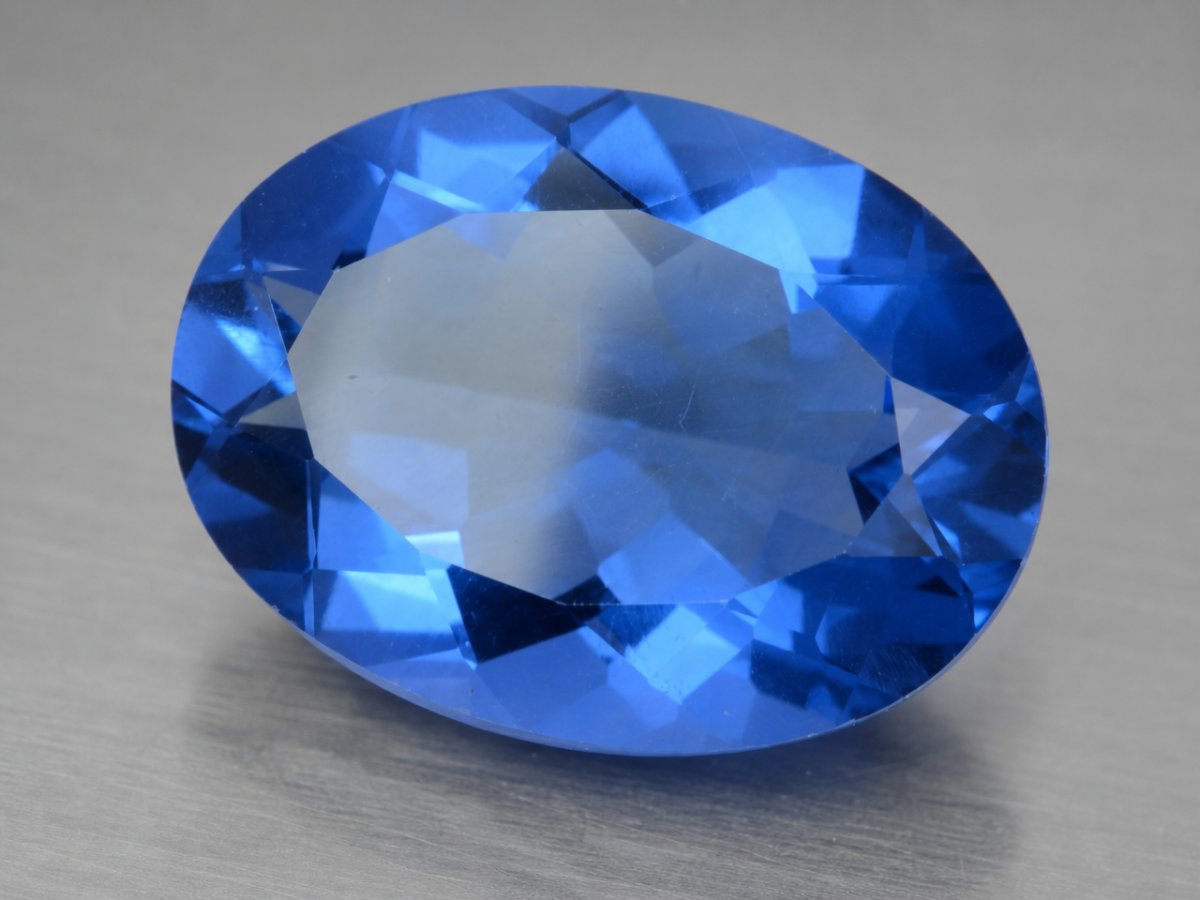
- Surface condition: Because fluorite is relatively soft, inspect images for visible scratches, abrasions or chipped edges.
Cut, Shape and Size
Color-change fluorite is commonly faceted to show its color and light return. Standard faceted cuts are the most familiar choice, while checkerboard and concave cuts can add extra visual texture and brightness when executed well.
Oval and round shapes are especially common choices, with cushion and pear shapes also found. Octagon shapes may appeal to buyers who prefer a more geometric or step-cut appearance. Shape is mainly a matter of design preference, but it also affects how easily the gem can be mounted in jewelry.
When selecting size, consider both appearance and practicality. Larger stones may show color more dramatically, but they also create a larger exposed surface. For jewelry, especially pieces that may be bumped, a moderate size in a protective setting is often the more practical choice.
Clarity and Cutting Quality
There is no universal commercial clarity scale for color-change fluorite that buyers need to memorize. Instead, use a practical approach: look for a stone that appears attractive to the unaided eye and has no obvious internal features that distract from the color.
Cut quality is just as important. A well-proportioned fluorite should look lively and symmetrical, with a pleasing outline and good polish. Uneven facets, a windowed center or worn facet edges can reduce the stone's appeal, particularly in lighter-colored gems where cutting details are easier to see.
Durability and Jewelry Suitability
Fluorite has a Mohs hardness of 4. This is an important buying consideration because it means color-change fluorite can be scratched more easily than many popular jewelry gemstones. It is not the best choice for rough wear, daily rings or jewelry exposed to frequent knocks.
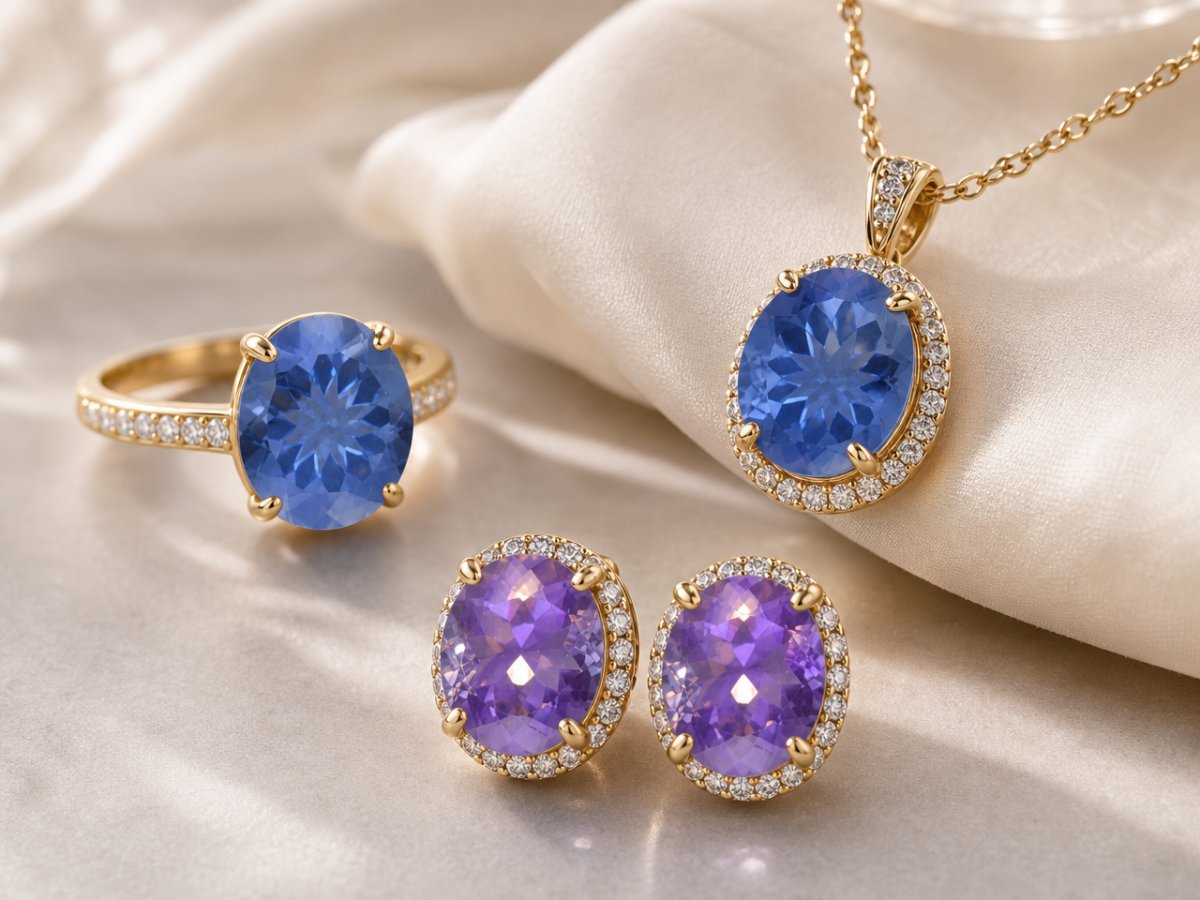
The most suitable jewelry uses are necklaces and pendants, where the gem is less exposed to abrasion. Brooches and earrings can also be good choices because they usually receive less impact than rings. Rings are possible, but they should be reserved for occasional wear and set with care to reduce contact with hard surfaces.
Care Tips for Buyers
- Store color-change fluorite separately from harder gemstones.
- Avoid wearing it during sports, gardening, cleaning or other impact-prone activities.
- Clean gently with a soft cloth and mild soapy water when needed.
- Avoid harsh chemicals, ultrasonic cleaning and steam cleaning unless a qualified jeweler confirms suitability.
Treatments and Disclosure
Color-change fluorite is known as untreated in the supplied gem information. For purchasing confidence, buyers should still choose sellers that clearly identify the gemstone and disclose any known treatment status.
If you are buying for a collection, matching a pair, or designing a custom jewelry piece, keep all product details with your records. Identity, dimensions, weight, color description and treatment disclosure are useful for future reference.
Origins
Color-change fluorite is associated with several origins, including Brazil, China, Namibia, Mexico and South Africa. Origin may interest collectors, but most jewelry buyers should prioritize the individual gemstone's color, cut, size and condition over country of origin.
If origin matters to you, verify that it is stated by the seller. Do not assume origin based only on color, shape or appearance.
How to Choose the Right Color-Change Fluorite
Start with the purpose of the purchase. For a collector's stone, you may prioritize color effect, unusual shape or origin information. For jewelry, durability and setting style become more important.
For pendants and necklaces, choose a stone with strong face-up color and a shape that fits the design. Oval, round, cushion and pear shapes are versatile. For earrings, pay attention to matched color and size if buying a pair. For rings, select a design that protects the stone and wear it selectively.
Before buying, compare the listed dimensions, not only carat weight. Fluorite's specific gravity is 3.16-3.18, and gemstones of the same weight can face up differently depending on depth and cut. Dimensions help you understand the stone's visible size and whether it will fit an intended setting.
Summary
Color-change fluorite is a rewarding choice for buyers who appreciate unusual color behavior and attractive blue, green, violet or purple tones. The best purchase is not simply the largest stone, but the one with the most appealing color, clean appearance, good cutting and suitable use.
Because fluorite has a Mohs hardness of 4, it should be treated as a gem for careful wear. Pendants, necklaces, earrings and brooches are generally more practical than everyday rings. Buy from a source that provides clear photos, accurate gem details and treatment disclosure so you can choose with confidence.
