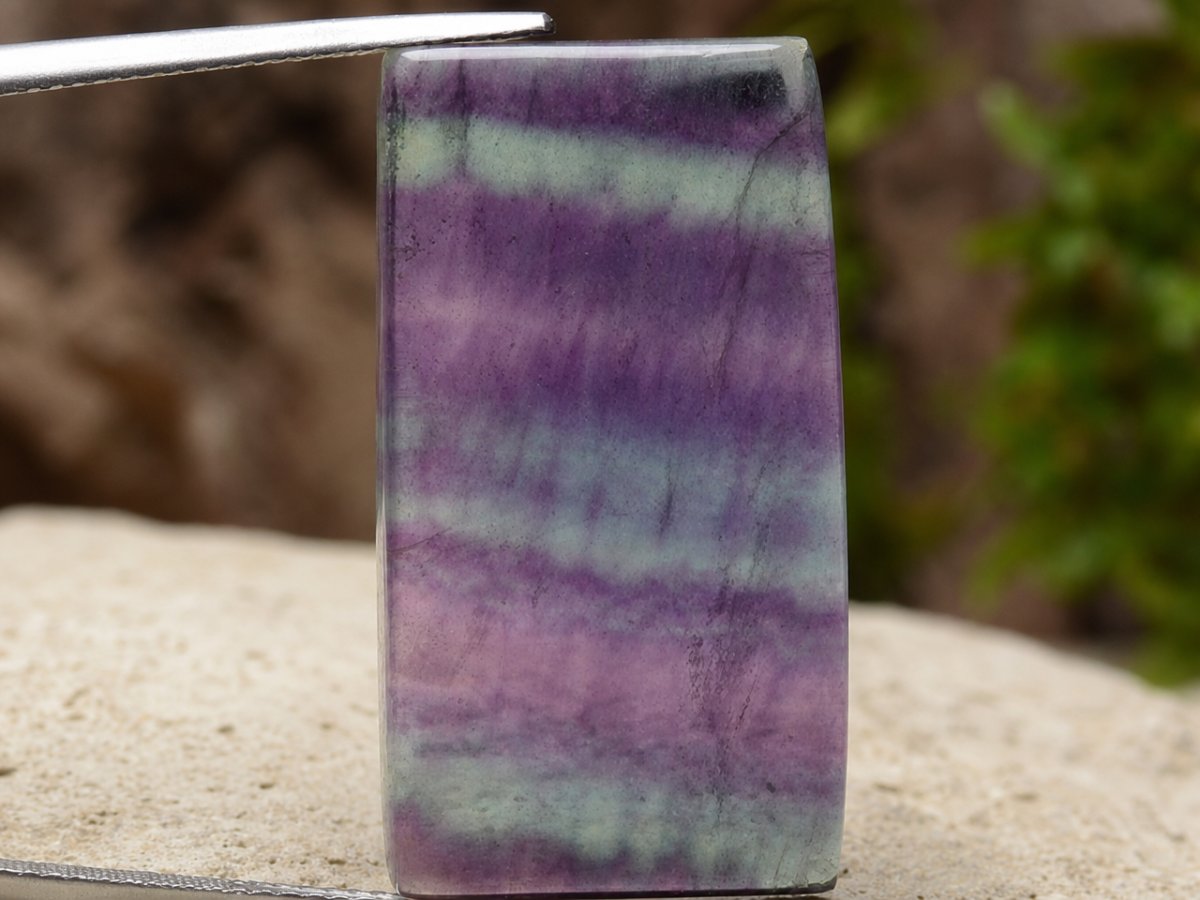


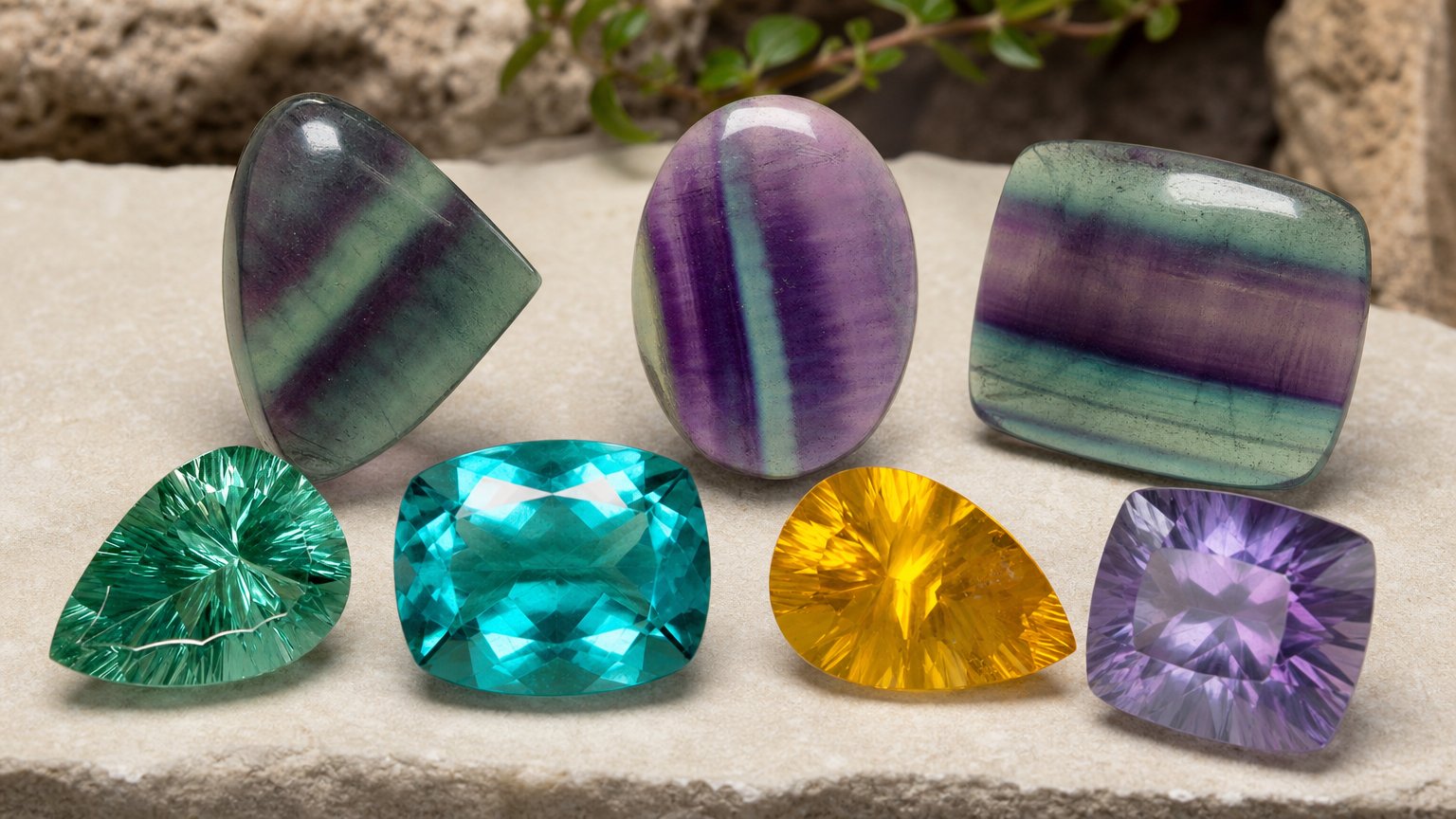
Fluorite is a colorful gemstone for buyers who want attractive color, interesting transparency and a wide choice of loose gem shapes. It is best known in the gem trade for its appealing blue, green and purple stones, though pink, yellow, brown, colorless, multicolor, black and teal examples may also be found. For collectors, designers and gemstone enthusiasts, fluorite can be a rewarding gem because it offers strong visual variety and is commonly available as an untreated stone.
Buying fluorite successfully means understanding both its beauty and its limitations. It has a Mohs hardness of 4, so it is much softer than many everyday jewelry gems. This does not prevent fluorite from being used in jewelry, but it does affect which jewelry styles are practical and how the stone should be worn, set and stored. Earrings, pendants, necklaces and brooches are generally more suitable than rings, because they expose the gem to less abrasion and impact.
This guide explains the key points to consider before purchasing loose fluorite: color, clarity, cut, shape, durability, treatment disclosure, origin and jewelry suitability. Whether you are buying a single gemstone for a custom pendant or comparing several stones for a collection, the goal is to choose fluorite with realistic expectations and confidence.
What Is Fluorite?
Fluorite is the mineral species fluorite, with the chemical formula CaF₂. It crystallizes in the isometric crystal system and has a refractive index of 1.433–1.435. Its specific gravity is 3.18. These properties help gemologists identify fluorite and distinguish it from other colored gemstones that may look similar at first glance.
For buyers, the most important practical property is hardness. Fluorite measures 4 on the Mohs scale, which is a relative scale of scratch resistance. A gem with a lower Mohs hardness is more easily scratched by materials with higher hardness. This is why fluorite should be chosen with more care for jewelry than harder gems intended for daily wear.
Fluorite is often purchased for its color and collectability rather than for heavy-use jewelry. It can be faceted into bright loose gemstones, cut as cabochons for a smooth polished look, or shaped into step cuts that emphasize geometry and transparency. When browsing fluorite at GemSelect or comparing stones from any supplier, the best choice depends on how you plan to use the gem.
Fluorite Color and Appearance
Color is one of the main reasons buyers choose fluorite. The most prominent colors are blue, green and purple. These colors can range from delicate and light to deeper and more saturated appearances, and they are often the first options buyers consider for jewelry design. Blue fluorite can give a cool, refined look; green fluorite is popular for nature-inspired designs; and purple fluorite can offer a rich, classic colored-stone appearance.
Pink and yellow fluorite are also known and can be attractive choices when a softer or warmer color palette is desired. Brown and colorless fluorite may appeal to collectors or designers looking for neutral tones. Multicolor fluorite can be especially interesting when the color variation contributes to the design of the finished piece. Black and teal fluorite occur as well, though they are less central buying choices than blue, green and purple.
How to Judge Fluorite Color
When comparing fluorite, look at hue, tone and saturation. Hue is the basic color family, such as blue, green or purple. Tone describes how light or dark the stone appears. Saturation describes the strength or intensity of the color. There is no single best fluorite color for every buyer; the right choice depends on design, personal preference and the overall look you want.
For jewelry, consider how the color will look when mounted. A light-colored fluorite may appear more delicate in a pendant or earrings, while a darker stone may provide stronger contrast. If buying a pair or set, compare the stones side by side for color matching. Small differences can be attractive in a collection, but matched earrings or symmetrical designs usually benefit from closer color consistency.
Clarity and Transparency Considerations
Clarity refers to the presence or absence of internal features, surface marks or other visible characteristics. With fluorite, buyers should examine the gem under normal viewing conditions and decide whether any inclusions or surface features affect the beauty of the stone. Because fluorite is often valued for color and visual appeal, clarity should be judged in balance with color, cut and intended use.
For faceted fluorite, transparency and a clean face-up appearance are important. Visible internal features may be more noticeable in lighter or colorless stones. In deeper colors, some features may be less apparent, but the overall brightness and polish should still be evaluated. For cabochons, a smooth polish, pleasing outline and attractive body color are often more important than the same type of brilliance expected from faceted gems.
When buying online, use photographs, videos and measurements carefully. Look for images taken from more than one angle when available. A gemstone description should be read together with the photos rather than separately, since the face-up appearance is what most buyers will notice first.
Cut Styles and Shapes
Fluorite is commonly found as faceted gemstones. Faceting can make the stone lively and can display its color attractively, especially in transparent material. Cabochons are also used, giving fluorite a smooth domed surface and a softer visual style. Step cuts are another option and can suit fluorite because their broad, straight facets emphasize color, transparency and outline.
Common shapes include cushion and oval, both of which are versatile for jewelry and easy to adapt to pendants, earrings and brooches. Pear and round shapes are also seen and can be useful for classic or symmetrical designs. Octagon shapes, often associated with step cutting, may appeal to buyers who prefer a clean geometric look.
What Makes a Good Cut in Fluorite?
A good fluorite cut should show the color attractively, have a balanced outline and display a pleasing polish. In faceted stones, check whether the gem looks balanced when viewed face-up. Avoid choosing only by carat weight; dimensions and shape often matter more for jewelry design. Two stones of the same carat weight can look different in size depending on their proportions.
For cabochons, look for an even dome, a neat outline and a polished surface. For step cuts and octagons, symmetry is especially noticeable, so check that the shape looks even and the facet pattern supports the design. If the stone will be set in a custom piece, ask your jeweler whether the shape and dimensions are practical for the intended setting.
Fluorite Origins
Fluorite is associated with several important origins, including Brazil and India, with China, Mexico and Namibia also known as sources. Origin can be interesting to collectors and may be part of a gemstone description, but buyers should avoid judging a fluorite stone by origin alone. The individual gem’s color, cut, clarity, size, treatment status and suitability for the intended use are usually more practical buying factors.
If origin is important to you, choose a seller that provides clear product information. For many jewelry buyers, however, visual appeal and durability considerations will matter more than country of origin. A well-cut green, blue or purple fluorite that suits your design can be a better choice than a less attractive stone chosen only because of origin.
Gemological Properties Buyers Should Know
Fluorite’s gemological properties explain both its beauty and its care requirements. Its refractive index of 1.433–1.435 is part of how gemologists identify it. Refractive index describes how much a material bends light. In practical buying terms, cut quality and transparency will strongly influence how lively a faceted fluorite appears.
Its specific gravity of 3.18 refers to density compared with water. Specific gravity is more useful for identification than for everyday buying, but it can help explain why carat weight alone is not the best way to judge size. Always check the millimeter measurements of a loose fluorite, especially if it is being selected for a particular setting.
The isometric crystal system is another identifying feature. For most buyers, it is enough to know that fluorite is a distinct mineral species, not a variety of another gem. If you are purchasing fluorite for a collection, the mineral identity, formula and gemological data may be part of the appeal.
Durability and Wearability
Durability is the most important caution when buying fluorite for jewelry. With a Mohs hardness of 4, fluorite can be scratched more easily than many gemstones used in daily jewelry. It should be protected from rough wear, hard knocks and contact with harder materials. This is why fluorite is best suited to jewelry that is not exposed to constant abrasion.
Earrings and pendants are excellent options because they are less likely to hit hard surfaces during normal wear. Necklaces and brooches can also work well, especially when the design protects the stone. Rings are possible, but they require extra care. A fluorite ring should be worn occasionally rather than as an everyday ring, and a protective setting is advisable.
Storage matters too. Keep fluorite separate from harder gemstones and metal items that could scratch it. A soft pouch, individual gem box or lined jewelry compartment is a practical choice. Clean fluorite gently with mild methods and avoid harsh treatment. If the stone is in jewelry, consult a jeweler for safe cleaning advice, especially if the setting includes other gemstones or delicate metalwork.
Treatments and Disclosure
Fluorite is commonly offered as untreated. For buyers, this is a positive point because many people prefer gemstones whose color and appearance are natural and not enhanced. Even so, treatment disclosure is always important in gemstone buying. A trustworthy seller should state treatment information clearly when it is known.
When comparing fluorite, look for product pages that identify the gemstone and list treatment status. If the stone is described as untreated, keep a copy of the product information for your records, especially for a collection or custom jewelry project. Transparent disclosure helps you compare stones fairly and understand exactly what you are buying.
Best Jewelry Uses for Fluorite
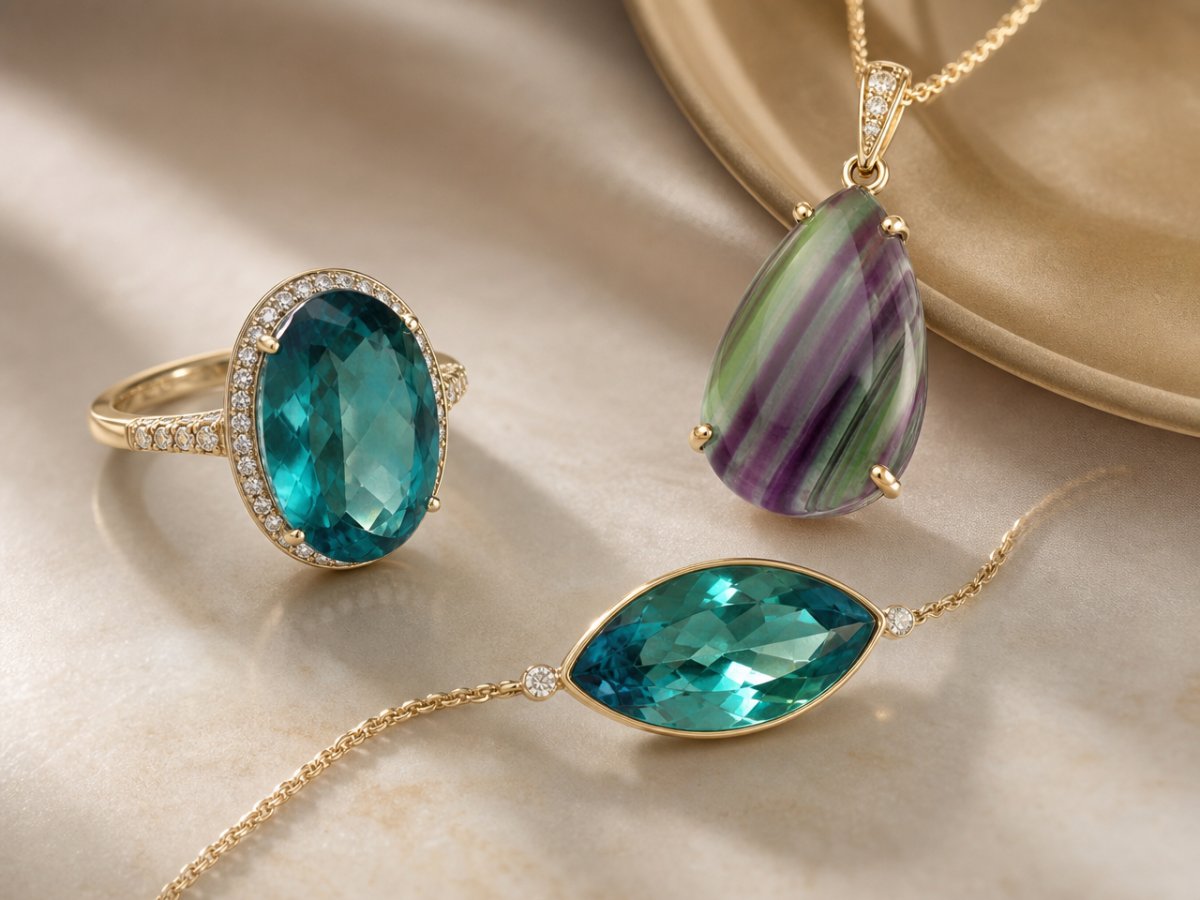
Fluorite can make beautiful jewelry when matched to the right design. Earrings and pendants are the most practical choices because they allow the gemstone to be seen clearly while reducing exposure to wear. A pair of blue, green or purple fluorite earrings can show color effectively without subjecting the stones to the same stress as a ring.
Pendants and necklaces are also good choices, particularly for larger or more visually striking stones. A single oval or cushion fluorite can become the center of a simple pendant design, while pear shapes may suit drop-style jewelry. Brooches provide another suitable use because they are usually worn away from heavy impact.
Rings require the most caution. If you choose fluorite for a ring, consider it a special-occasion piece. A bezel or other protective design can help reduce exposure, but it does not make the stone resistant to scratching. Buyers who want a ring for daily wear should understand fluorite’s hardness before committing to the design.
Practical Fluorite Buying Checklist
1. Start with the intended use
Before comparing stones, decide whether the fluorite is for a pendant, earrings, brooch, necklace, ring or collection. The intended use affects the best shape, size and durability requirements. A large faceted stone may be ideal for a pendant, while matched smaller stones may be better for earrings.
2. Choose the color deliberately
Blue, green and purple fluorite are the main colors many buyers focus on, but do not overlook pink, yellow, multicolor or neutral-toned stones if they suit your design. Compare color under consistent lighting and choose the stone that best fits your taste rather than assuming one color is automatically superior.
3. Inspect cut and polish
For faceted fluorite, look for a balanced outline, appealing proportions and a face-up appearance that shows the color well. For cabochons, check that the dome and polish look smooth and even. Step cuts should have a clean geometric look with good symmetry.
4. Check measurements, not only carat weight
Millimeter dimensions are essential when buying a loose stone for jewelry. Carat weight tells you mass, but measurements tell you whether the gem will fit a setting or design. This is especially important when matching pairs or selecting stones for custom work.
5. Consider durability honestly
Fluorite’s hardness of 4 means it is not a carefree daily-wear gem. Choose earrings, pendants, necklaces or brooches when possible. If buying a ring, plan for careful, occasional wear and protective storage.
6. Confirm treatment information
Look for clear disclosure. Fluorite is commonly available untreated, and a seller should make treatment status easy to understand. This is important for both confidence and future reference.
Summary
Fluorite is a colorful and appealing gemstone for buyers who appreciate variety and are willing to care for a softer gem. Its strongest buying attractions are its range of colors, especially blue, green and purple, and its availability in attractive faceted, cabochon and step-cut styles. Cushion and oval shapes are especially versatile, while pear, round and octagon shapes offer additional design choices.
The main point to remember is durability. With a Mohs hardness of 4, fluorite is best for earrings, pendants, necklaces and brooches, while rings should be reserved for careful occasional wear. Choose fluorite by balancing color, cut, clarity, dimensions, treatment disclosure and intended jewelry use. With realistic expectations, fluorite can be an excellent choice for collectors and for jewelry designs that protect and showcase its color.