

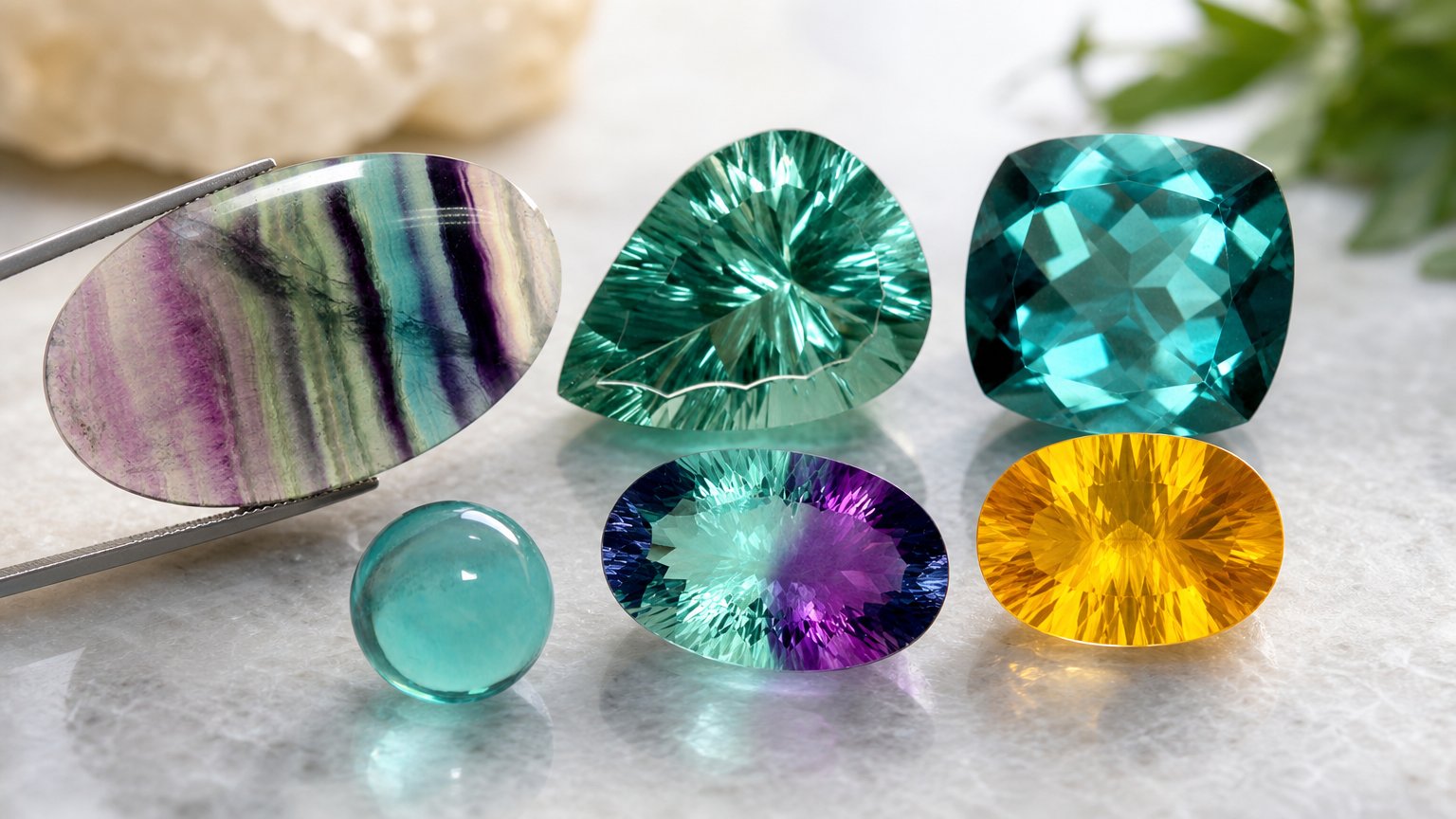
Fluorite is a gemstone known for its remarkable range of color. Blue, green and purple are especially important colors for gem-quality fluorite, while pink, yellow, colorless, brown and multicolor examples also occur. Because of this variety, fluorite's modern meaning is closely tied to color, natural beauty and individuality rather than to one single historical symbol.
As a gemstone, fluorite is appreciated by collectors, designers and enthusiasts who enjoy gems with distinctive character. Its appeal is not based on a single tradition or ancient story, but on the way the mineral combines vivid color with a clean, geometric natural identity.
What Fluorite Represents Today
In modern gemstone culture, fluorite is often viewed as a stone of variety and personal expression. Unlike gems strongly associated with one traditional color, fluorite can appear in many shades, allowing different specimens to carry different visual moods.
Blue fluorite may suggest calmness and cool elegance to a wearer or collector, while green fluorite often has a fresh, natural appearance. Purple fluorite has a rich, classic gemstone look, and multicolor fluorite can feel especially individual because no two color patterns are exactly alike. These associations are best understood as personal and aesthetic interpretations, not scientific or medical claims.
For many gemstone buyers, fluorite's meaning comes from the specimen itself: its color, transparency, shape and the visual balance of the finished gem. This makes it a stone often chosen for personal taste rather than formal tradition.
Color and Symbolic Appeal
Color is the main reason fluorite has such strong symbolic appeal. Its most prominent gemstone colors include blue, green and purple, each offering a different emotional impression. Softer pink and yellow fluorite can feel warmer and more playful, while colorless or brown fluorite gives the mineral a quieter, more understated character.
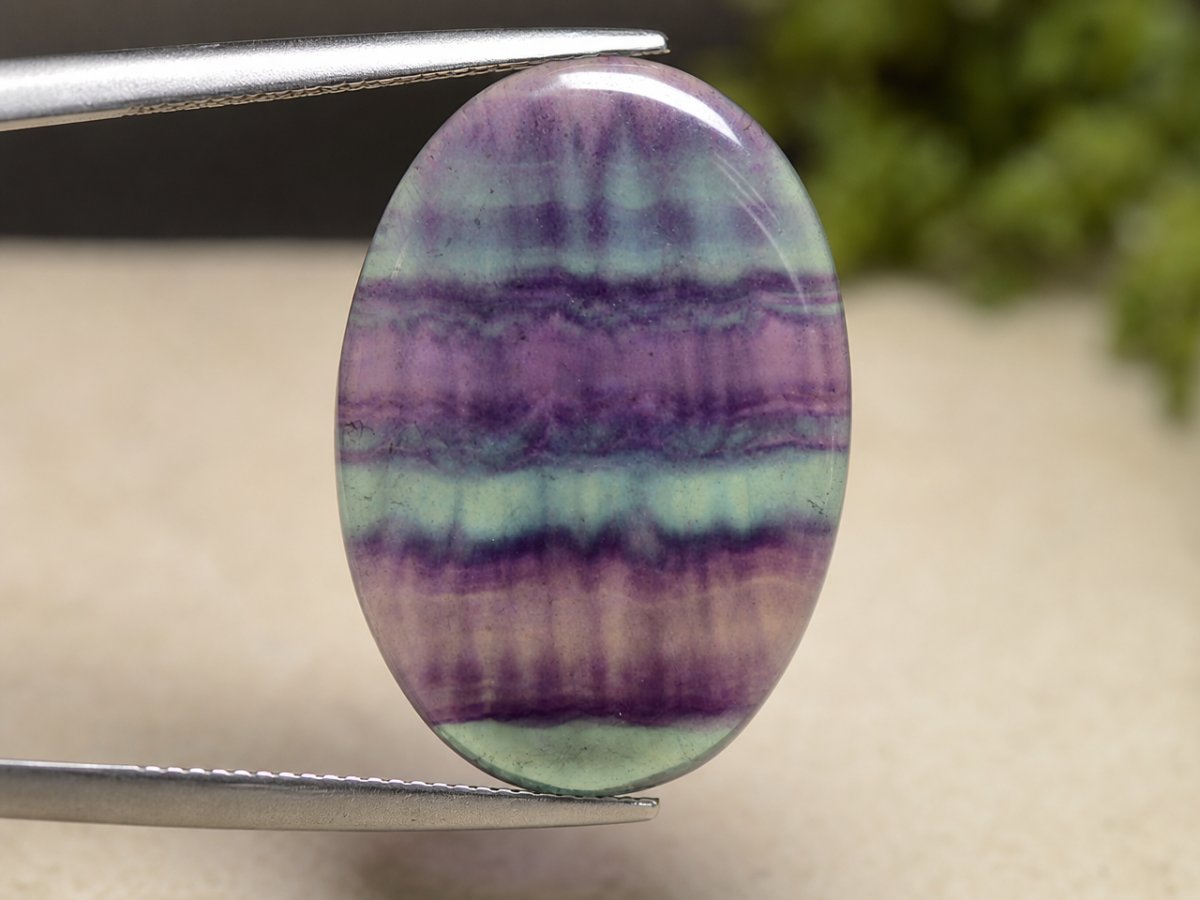
Multicolor fluorite is especially meaningful to many collectors because it visibly displays the mineral's natural range. Instead of presenting a single uniform color, it can show bands or zones of contrasting hues. This makes it easy to associate fluorite with diversity, change and individuality in a modern symbolic sense.
Because these meanings are based on appearance and personal response, they should not be confused with documented ancient symbolism. Fluorite's contemporary meaning is largely shaped by how people experience its color and visual character today.
Fluorite as a Mineral and Gemstone
Fluorite is the gemstone form of the mineral fluorite, with the chemical formula CaF₂. It crystallizes in the isometric crystal system, a fact that contributes to its orderly mineral identity. While detailed gemological properties belong in a technical guide, this natural structure helps explain why fluorite is admired not only as a gemstone but also as a mineral specimen.
Its identity as both a collector mineral and a cut gemstone gives fluorite a distinctive place in gem culture. Some people value it for faceted gems, while others appreciate the mineral's natural crystal form and color zoning. This dual role is part of fluorite's modern significance.
Historical and Cultural Context
The verified historical record for fluorite as a symbolic gemstone is more limited than for gems such as ruby, sapphire or emerald. Rather than forcing unsupported legends or ancient associations, it is more accurate to understand fluorite as a gemstone whose cultural importance has grown through mineral collecting, lapidary cutting and modern appreciation of colored gems.
Important fluorite sources include Brazil and India, with additional material associated with China, Mexico and Namibia. These origins help explain fluorite's presence in the contemporary gem market and among collectors. Different sources can contribute to the variety of colors and appearances available, though origin alone should not be treated as a symbolic meaning.
Today, fluorite's significance is international. It is admired by collectors and jewelry designers across many markets because it offers unusual color variety in a recognizable mineral species.
Fluorite in Modern Gemstone Culture
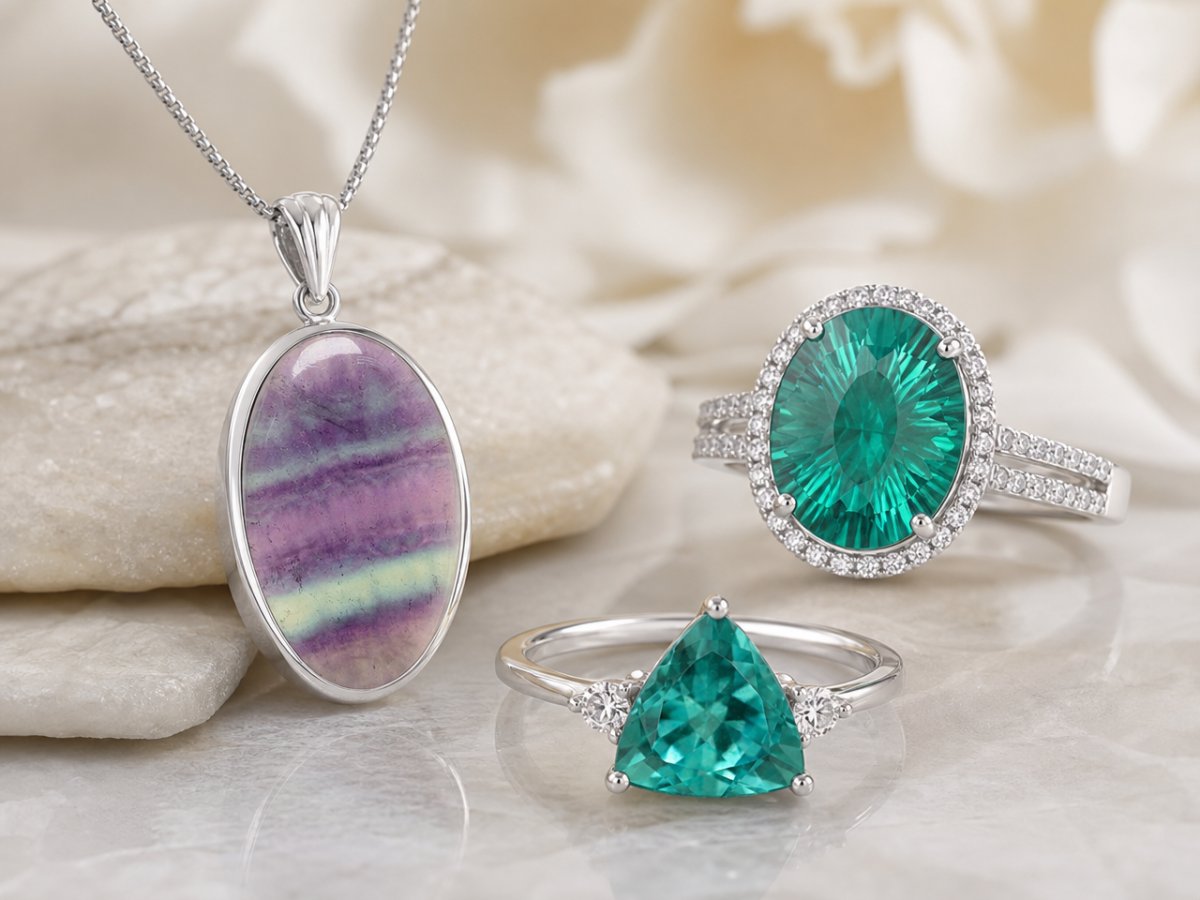
In modern use, fluorite is most often appreciated in designs where its color can be seen clearly, such as earrings, pendants, brooches and necklaces. Rings also exist, though fluorite is better known for pieces and collections where its visual beauty can be enjoyed with appropriate care.
For designers, fluorite can communicate softness, individuality and color-focused style. A purple fluorite may create a very different impression from a green or blue fluorite, so the gemstone's meaning in a finished piece often depends on the selected color. This flexibility is one reason fluorite remains interesting to creative jewelers and collectors.
GemSelect offers fluorite in a range of colors and cutting styles, making it possible for buyers to choose a stone that reflects their own aesthetic preferences rather than a fixed traditional meaning.
Natural Character and Untreated Appeal
Fluorite is commonly associated with untreated material. For buyers who value natural gemstone character, this can add to the stone's appeal. In a meaning-focused sense, untreated fluorite may be appreciated for showing the color and beauty of the mineral without enhancement.
This does not create a mystical meaning, but it does support a practical and emotional one: many collectors enjoy gemstones that feel close to their natural origin. With fluorite, the connection between mineral identity, color and finished gem is part of its charm.
Is Fluorite a Birthstone or Anniversary Gem?
Fluorite is not best known as a major traditional birthstone or anniversary gemstone. Its popularity is more closely connected to personal color preference, collecting interest and modern jewelry design. This makes it a flexible choice for people who want a meaningful gemstone outside the standard birthstone calendar.
Conclusion
Fluorite's meaning is rooted in color, variety and natural individuality. While it does not have the same widely documented ancient symbolism as some classic gemstones, it has a strong place in modern gem culture as a mineral and gemstone admired for blue, green, purple and multicolor beauty.
For today's buyers, fluorite is meaningful because it allows personal interpretation. Whether chosen for its cool blue tones, fresh green appearance, rich purple color or unusual multicolor patterns, fluorite offers a distinctive way to connect with the visual language of gemstones.