

Ceylon sapphire is a sapphire associated with Sri Lanka, an origin long recognized by buyers for attractive corundum gemstones. For shoppers, the most important decisions usually come down to color, cut quality, treatment disclosure, durability needs and the type of jewelry being made.
This guide explains what to look for when choosing a Ceylon sapphire for an engagement ring, wedding ring, everyday ring, earrings, pendant, necklace, bracelet or collector piece.
What Is Ceylon Sapphire?
Ceylon sapphire is a variety of sapphire from Sri Lanka. Sapphire belongs to the corundum mineral species and has the chemical formula Al₂O₃. It crystallizes in the trigonal crystal system and is known for its combination of beauty and excellent wearability.
Although many buyers think first of blue when they hear "Ceylon sapphire," sapphires from this category can also be found in pink, purple, yellow, orange, green, white and colorless varieties. Blue remains the classic and most important color for many buyers, especially for rings and engagement jewelry.
Color: The First Buying Decision
Color has the strongest immediate effect on the appearance of a Ceylon sapphire. When comparing stones, look at the overall hue, tone and saturation rather than relying on a name alone.
Blue Ceylon Sapphire
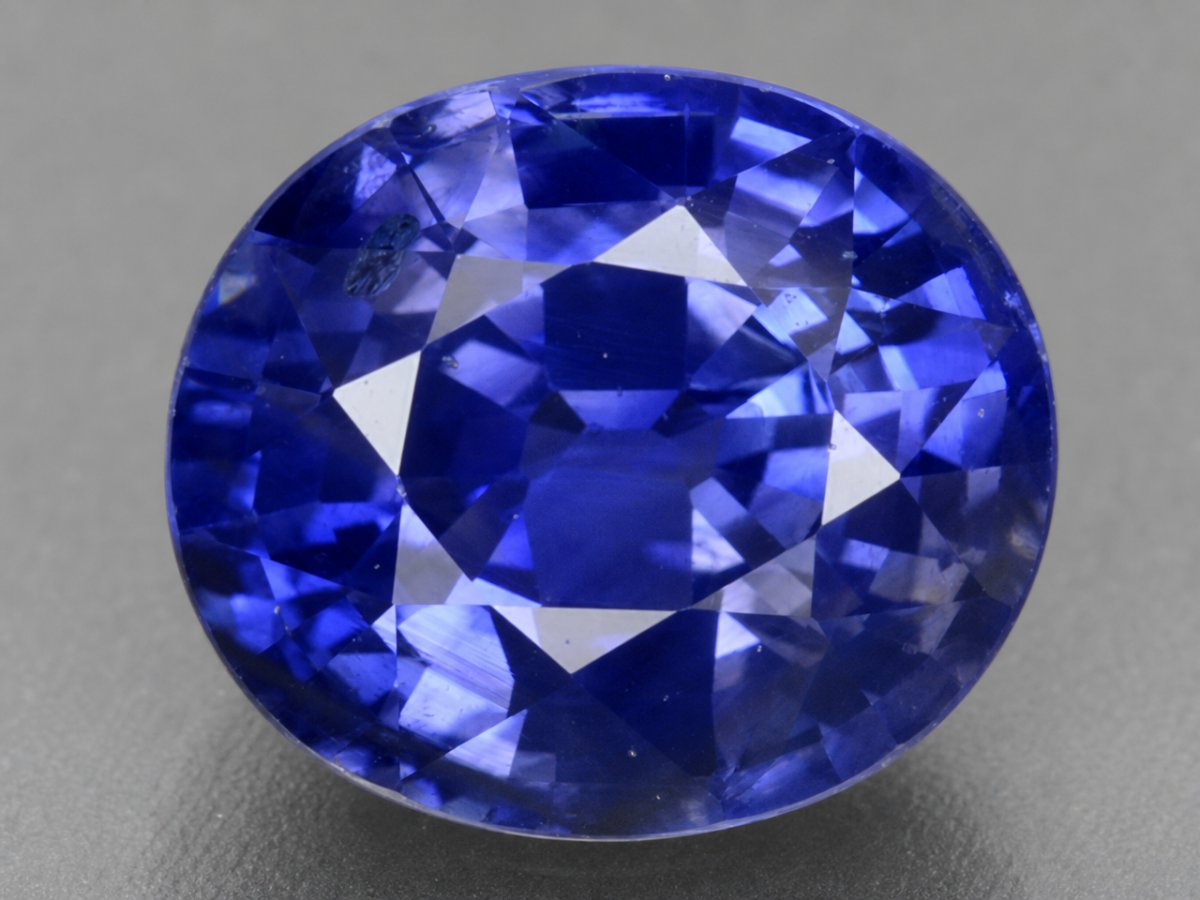
Blue is the signature color for Ceylon sapphire buyers. When choosing a blue stone, examine it under different lighting conditions and from different angles. A well-chosen blue sapphire should show an appealing face-up color, not only strong color when viewed from the side.
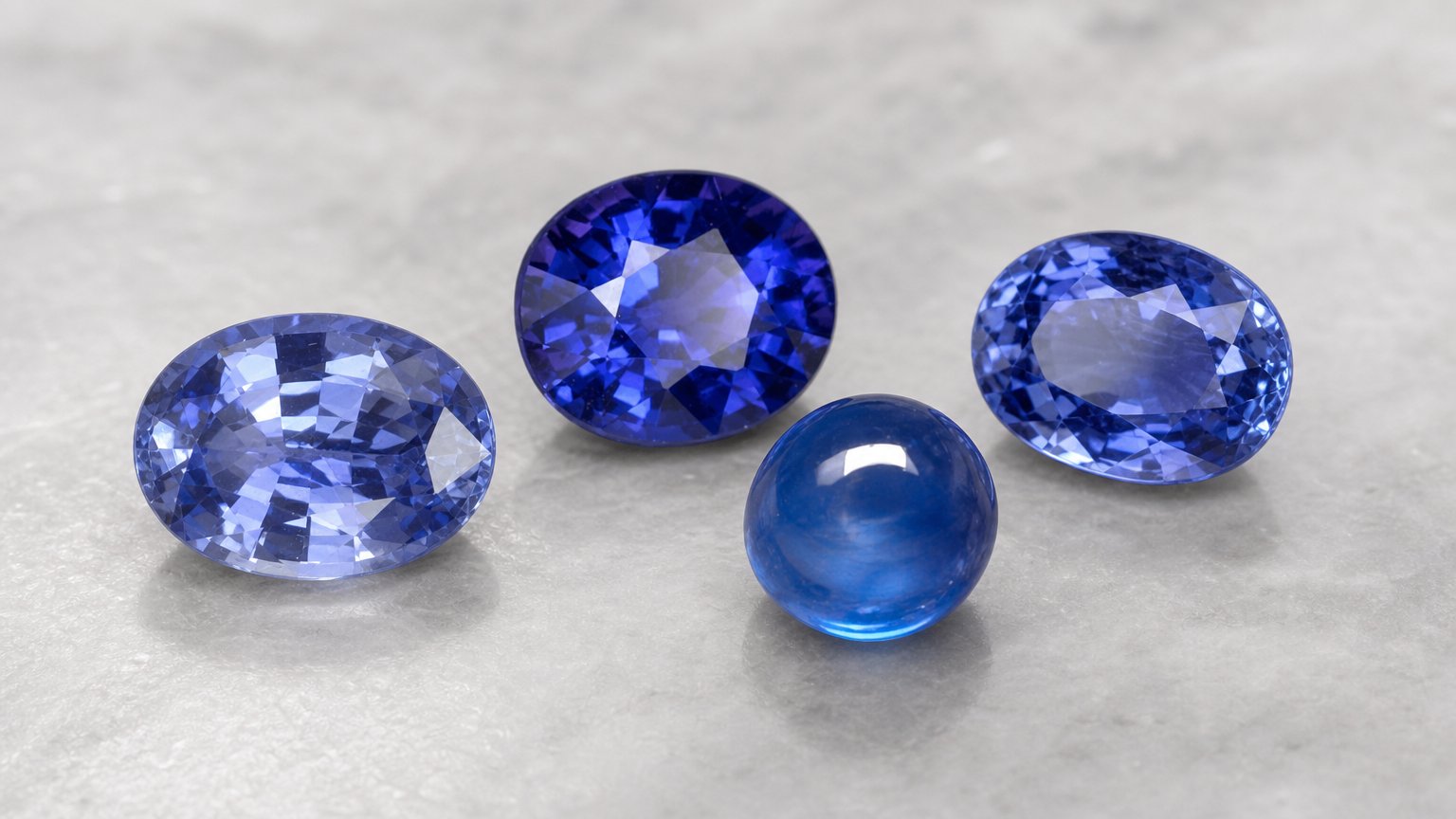
Personal preference matters. Some buyers prefer a lighter, brighter blue; others prefer a deeper blue. The best choice is the stone that looks balanced, lively and attractive in the intended jewelry design.
Pink, Purple and Fancy Colors
Pink and purple Ceylon sapphires can be excellent choices for buyers who want sapphire durability with a less traditional look. Yellow, orange, green, white and colorless stones can also suit custom designs, accent stones or collector jewelry.
For any color, avoid judging from a single photo or lighting environment if possible. Compare stones side by side and pay attention to whether the color appears even across the face of the gem.
Clarity and Transparency
Clarity affects both beauty and confidence. In faceted Ceylon sapphire, the practical goal is usually an eye-clean appearance: a gem that looks clean to the unaided eye when viewed face-up. Small internal features may be acceptable if they do not distract from the color, brilliance or overall design.
For engagement rings and other center stones, inspect the gem enlarged and also at normal viewing distance. A feature that looks obvious under magnification may be unimportant in real wear, while a surface-reaching fracture or distracting inclusion near the center can affect appearance and may require more caution.
Cut, Shape and Face-Up Appearance
Ceylon sapphire is commonly cut as faceted gemstones, with step cuts also seen. Cabochons and diamond-style cuts may be chosen for specific looks. The right cut should enhance the stone's color and make the gem attractive from the top view, which is how it will be seen in jewelry.
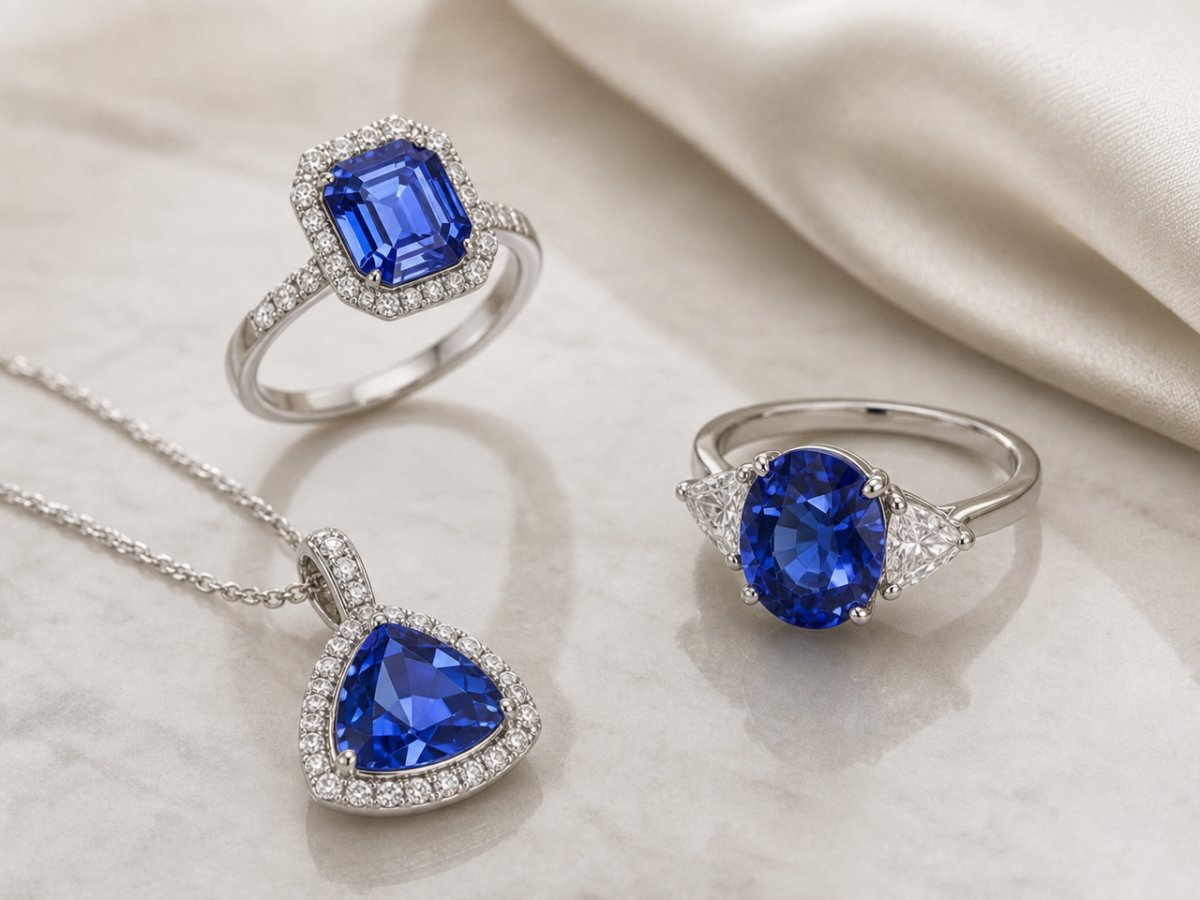
Oval and round shapes are especially common choices, with cushion, octagon and pear shapes also popular. Heart, marquise, square and trillion shapes can work well for distinctive custom designs.
When buying, do not judge by shape alone. Look for good symmetry, pleasing proportions and a lively appearance. A stone that is cut too deep may look smaller than expected for its weight, while a stone that is too shallow may show weaker color or reduced brilliance.
Origin: What "Ceylon" Means
"Ceylon" refers to sapphire associated with Sri Lanka. For buyers who specifically want this origin, the seller's disclosure is important. Origin can be part of a gemstone's identity and appeal, but appearance, treatment status and suitability for the intended jewelry use should still be evaluated carefully.
When shopping online, choose sellers who clearly identify the gemstone, provide accurate images and disclose relevant details. GemSelect listings are designed to help buyers compare gemstone information such as origin, color, shape, size and treatment before purchase.
Durability and Everyday Wear
Ceylon sapphire has a Mohs hardness of 9, making it one of the most durable colored gemstones for jewelry. This hardness is a major reason sapphire is widely used for engagement rings, wedding rings and everyday rings.
Hardness measures resistance to scratching, not indestructibility. Rings and bracelets receive more knocks than earrings and pendants, so protective settings and sensible care are still important. For active daily wear, choose a secure setting and inspect prongs or bezels periodically.
Treatments: What Buyers Should Ask
Heat treatment is commonly associated with Ceylon sapphire. Heating is used in the gem trade to improve color or appearance, and it should be disclosed by the seller. Untreated Ceylon sapphires also exist, and buyers who specifically want an untreated gem should confirm this before purchasing.
Fracture-filled sapphires require extra attention because filling can affect care and long-term expectations. If a sapphire is disclosed as fracture-filled, ask whether it is suitable for the jewelry style you plan to make, especially rings or bracelets that may face regular wear.
The key buying rule is simple: make sure treatment status is clearly stated. Two sapphires that look similar can be different purchases if one is heated, one is untreated and another has additional treatment disclosure.
Choosing Ceylon Sapphire for Jewelry
Ceylon sapphire is especially suitable for rings, engagement rings and wedding rings because of its hardness and classic appearance. Blue sapphires are traditional choices, while pink, purple and other colors give designers more creative flexibility.
For earrings, necklaces and pendants, you can often prioritize color and matching appearance because the gems are less exposed to impact than rings. For bracelets and tennis bracelets, durability is helpful, but secure settings are particularly important because the stones are more likely to contact hard surfaces.
Practical Buying Checklist
- Choose the color first: Decide whether you want classic blue or a pink, purple, yellow, orange, green, white or colorless sapphire.
- Check the face-up look: Judge the stone as it will appear in jewelry, not only by carat weight or measurements.
- Review clarity at normal distance: Look for inclusions that affect beauty, transparency or confidence.
- Evaluate the cut: Well-proportioned faceted, step-cut or specialty cuts should show attractive color and life.
- Confirm treatment disclosure: Heat-treated, untreated and fracture-filled stones are different buying decisions.
- Match the stone to the jewelry: Rings and bracelets need secure settings; earrings and pendants offer more design flexibility.
- Confirm origin if important: If you want Ceylon sapphire specifically, look for Sri Lanka origin disclosure.
Gemological Properties
| Gemstone variety | Sapphire |
|---|---|
| Mineral species | Corundum |
| Chemical formula | Al₂O₃ |
| Crystal system | Trigonal |
| Mohs hardness | 9 |
| Refractive index | 1.762-1.770 |
| Specific gravity | 4.00 |
Summary
A good Ceylon sapphire purchase starts with the look you want and ends with clear disclosure. Focus on color, face-up appearance, cut, clarity, treatment status and suitability for the jewelry piece. Sri Lanka origin gives Ceylon sapphire its identity, while corundum durability makes it a practical choice for many kinds of fine jewelry, especially rings and engagement rings.