


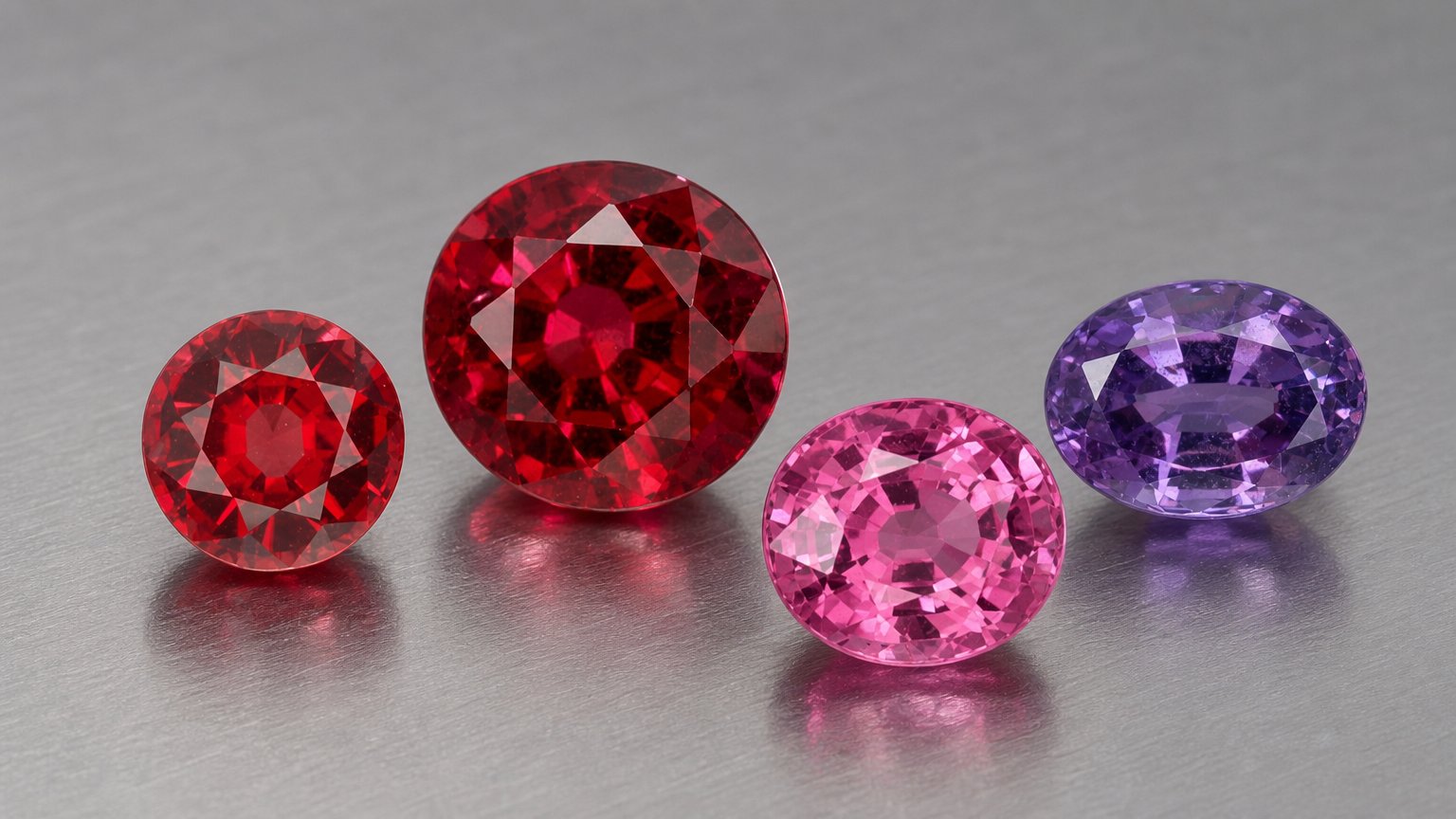
Burma spinel is a variety of spinel associated with Myanmar, historically known in the gem trade as Burma. For buyers, its main appeal is the combination of attractive color, good durability and a wide range of jewelry uses. It is commonly found as an untreated gemstone, which makes disclosure and accurate description especially important when comparing loose stones.
This guide focuses on the practical details that matter when choosing Burma spinel: color, cut, size, treatment status, durability, origin and how the gemstone will be used in jewelry.
What Is Burma Spinel?
Burma spinel is spinel from Myanmar. Spinel is a distinct mineral species with the chemical formula MgAl₂O₄ and a cubic, or isometric, crystal system. It should not be confused with ruby, sapphire or other red and pink gemstones; it has its own identity, appearance and gemological properties.
Key gemological properties include a Mohs hardness of 8, a refractive index of 1.712-1.736 and a specific gravity of 3.58-4.06. For most buyers, the most relevant of these is hardness, because it helps determine how well the stone can handle regular jewelry wear.
Color: The Most Important Visual Choice
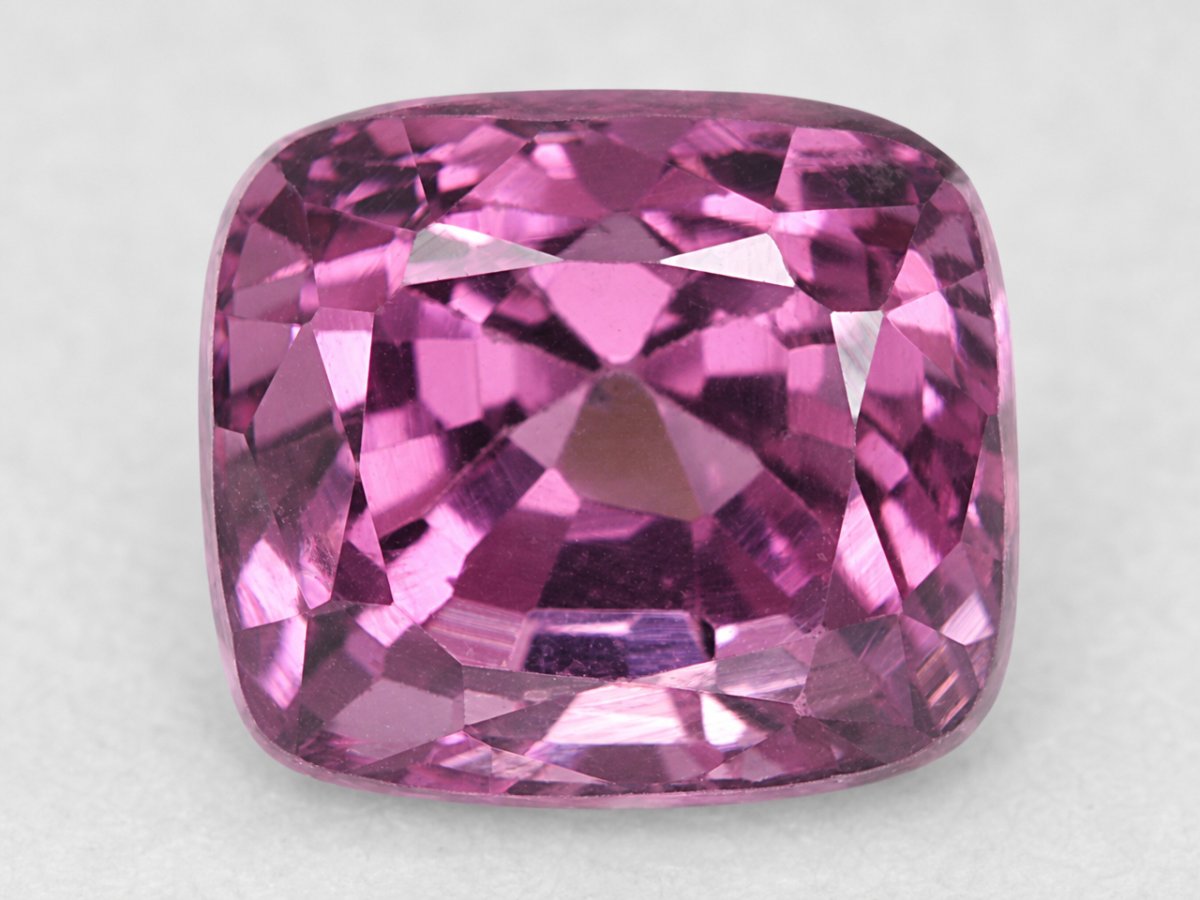
Color is usually the first feature buyers notice in Burma spinel. Red is the best-known color association and is often the color people have in mind when searching for Burma spinel. Pink and purple are also important colors, while violet and black occur as additional options. Blue and orange Burma spinel may also be encountered, though they are less central to the buying decision for most shoppers.
When comparing stones, look at three color factors:
- Hue: the basic color family, such as red, pink, purple or violet.
- Tone: how light or dark the gemstone appears.
- Saturation: the strength or intensity of the color.
A brighter or more vivid stone may look more lively, while a darker stone can appear richer but may show less brilliance if the tone is too deep. Personal preference matters, so compare stones under different lighting when possible. Daylight, office lighting and warm indoor lighting can all influence how red, pink and purple gemstones appear.
Clarity and Transparency
For a faceted Burma spinel, clarity affects both beauty and confidence. The practical question is whether inclusions are visible to the unaided eye and whether they interfere with brilliance, transparency or the face-up appearance of the gemstone.
When buying online, review clear photos and videos if available. For jewelry use, especially rings and engagement rings, an eye-clean stone is often preferred because the gem will be viewed closely. For collector jewelry or a distinctive artisan design, some buyers may accept visible internal features if the color, shape or overall character is appealing.
Cut, Shape and Face-Up Appearance
Burma spinel is most commonly offered as a faceted gemstone. Faceting is important because it controls how the stone returns light and how lively it appears. Diamond-style cuts, step cuts and mixed faceting styles may all be used, depending on the shape and the original crystal.
Oval and round shapes are especially common choices because they suit many ring, earring and pendant designs. Cushion, pear and trillion shapes are also popular for buyers who want a less standard look. Marquise, octagon, square and heart shapes may be suitable when the design calls for a specific outline.
When judging cut, do not focus only on shape. Check the face-up symmetry, the evenness of the outline and whether the center looks lively rather than flat or overly dark. A well-cut smaller stone can be more attractive in jewelry than a larger stone with weak light return.
Cabochon Burma Spinel
Although faceted stones are the primary choice, Burma spinel can also be cut as a cabochon. A cabochon has a smooth, domed surface rather than facets. This style is useful when the goal is a softer, more traditional look, or when the material's color and surface appearance are better suited to a polished dome.
Origin: What "Burma" Means
In this buying context, Burma spinel refers to spinel from Myanmar. Origin can be meaningful to collectors and to buyers who specifically want a Burmese or Myanmar gemstone. If origin is important to your purchase, choose a seller that clearly states origin information and can provide appropriate documentation where available.
Origin should not be the only buying factor. A beautiful, well-cut stone with pleasing color will usually be more satisfying in finished jewelry than a poorly cut stone purchased only for its origin name.
Treatments and Disclosure
A major advantage for many buyers is that Burma spinel is commonly offered untreated. This means the stone has not been enhanced by a treatment process to change its appearance. When comparing stones, confirm that the treatment status is clearly disclosed.
At GemSelect, treatment disclosure is an important part of gemstone buying because it helps buyers compare stones fairly. If you are purchasing Burma spinel for an engagement ring, collector piece or higher-importance design, treatment information should be part of your selection checklist.
Durability and Everyday Wear
With a Mohs hardness of 8, Burma spinel is durable enough for many types of jewelry, including rings, earrings, pendants and necklaces. It can also be used in engagement rings, provided the setting is suitable and the wearer understands normal gemstone care.
Rings receive more knocks than earrings or pendants, so protective setting choices matter. For daily wear, avoid exposing the stone to hard impacts, rough handling or abrasive contact with harder materials. Bracelets are more exposed to bumps and scrapes than most jewelry types, so a secure, protective design is recommended.
Best Jewelry Uses for Burma Spinel
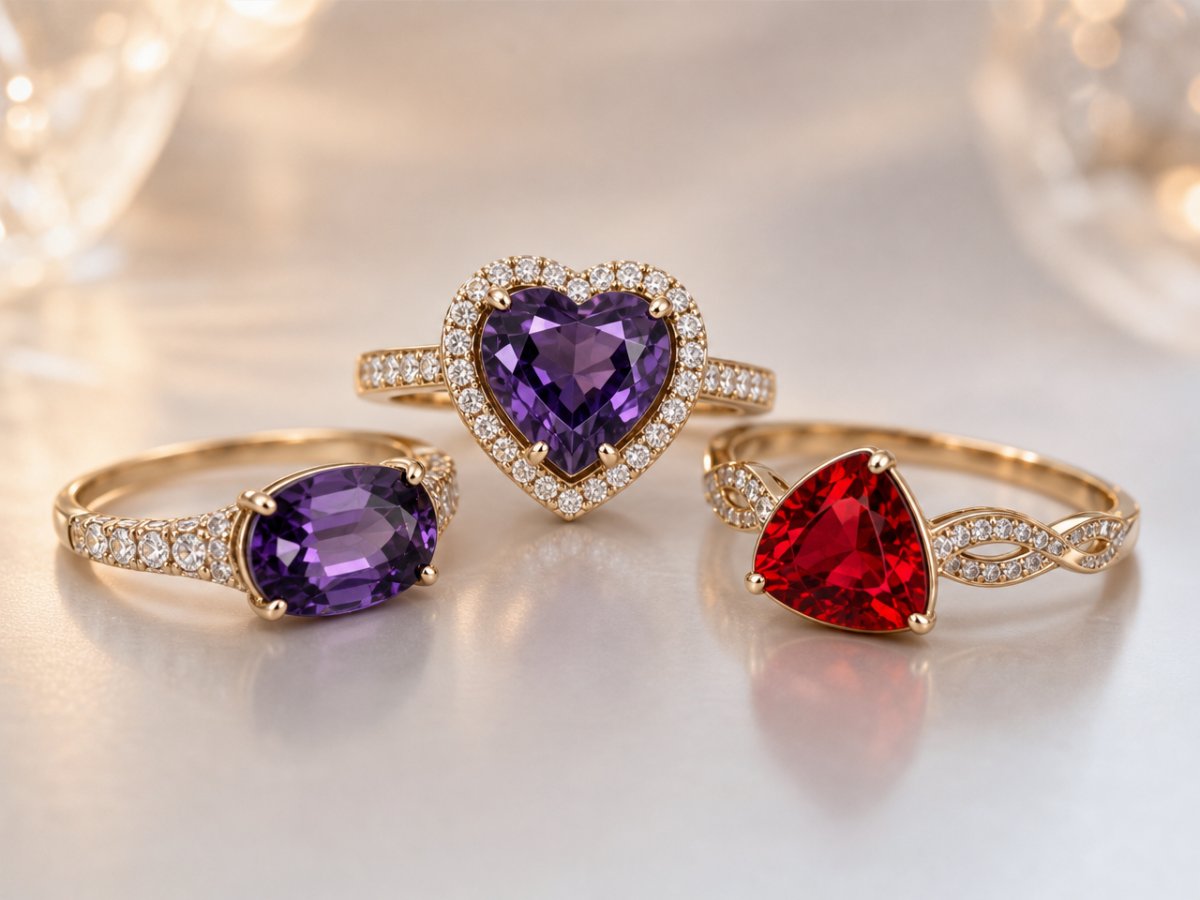
Burma spinel is versatile. Rings are one of its most important uses, including engagement rings for buyers who want a colored gemstone alternative. Earrings and pendants are excellent options because they display color well while generally experiencing less wear than rings. Necklaces and artisan jewelry can showcase unusual shapes or distinctive color combinations.
For collector jewelry, prioritize the combination of origin, color, cut quality and treatment disclosure. For everyday jewelry, give extra attention to durability, setting style and how the stone's color looks in the metal you plan to use.
Practical Buying Checklist
- Choose the color first: decide whether you prefer red, pink, purple, violet, black or another available color.
- Check the face-up look: look for pleasing brightness, balanced tone and good symmetry.
- Review clarity: make sure inclusions do not distract from the appearance you want.
- Match shape to jewelry: oval and round are versatile; cushion, pear and trillion shapes suit more distinctive designs.
- Confirm treatment status: Burma spinel is commonly untreated, but disclosure should still be clear.
- Consider origin carefully: Myanmar origin is part of the identity of Burma spinel, but color and cut still matter greatly.
- Plan for wear: rings and bracelets need more protective settings than earrings or pendants.
Summary
The best Burma spinel for you is the stone that balances color, cut, clarity, shape, treatment disclosure and intended jewelry use. Red is the classic color focus, while pink, purple, violet and other colors offer attractive alternatives. With Mohs hardness 8 and common untreated availability, Burma spinel is a practical and appealing choice for many jewelry designs when selected with care.
