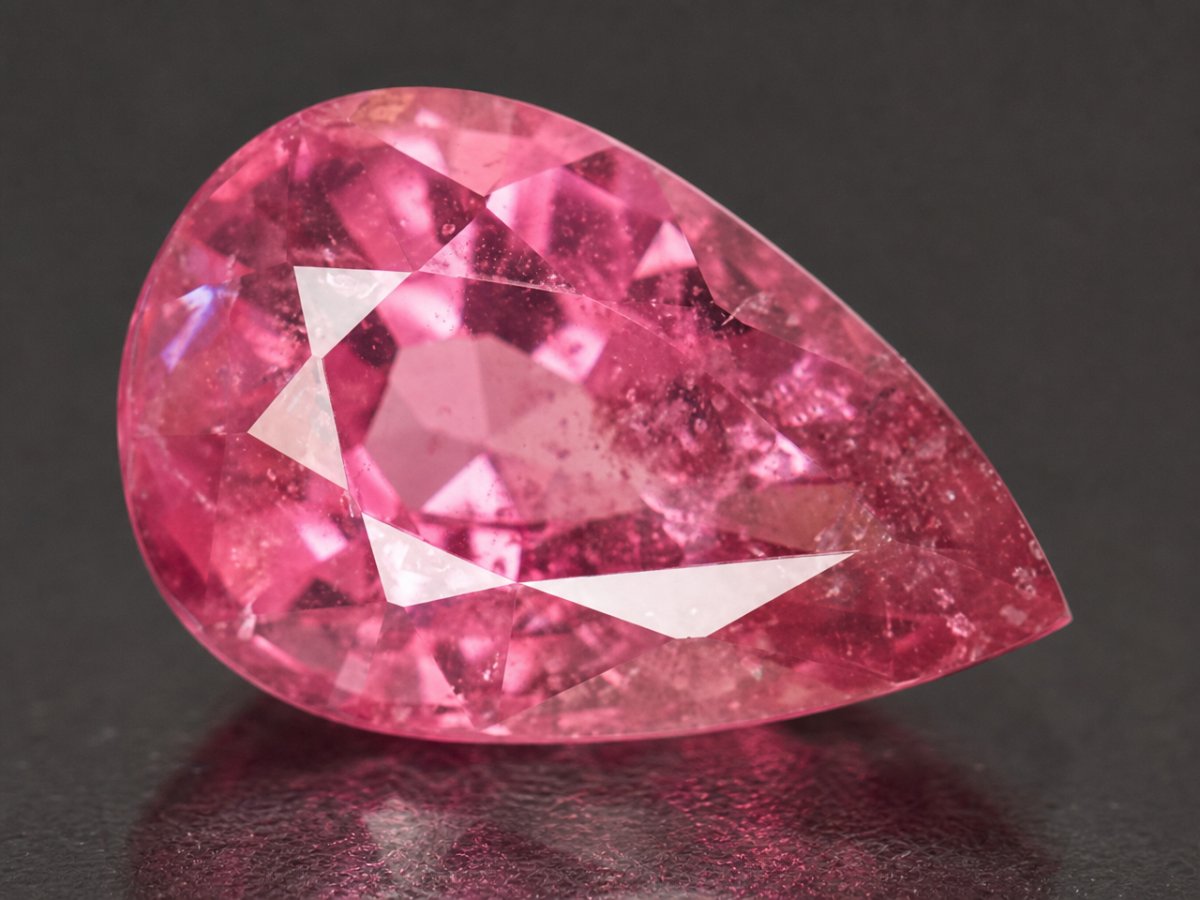


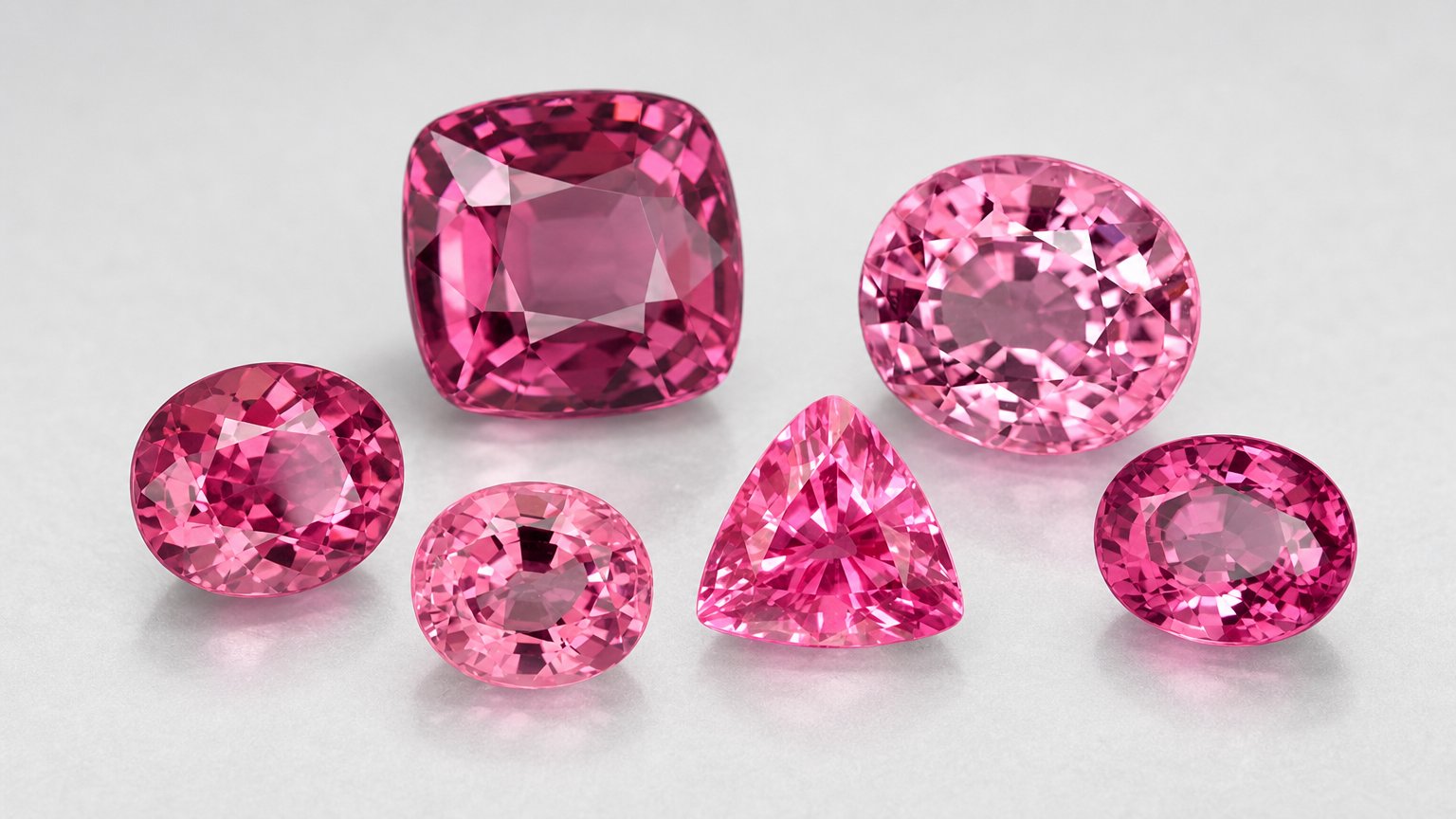
Pink spinel is a pink variety of the spinel gem species, valued by many buyers for its attractive color, good brilliance and practical durability. For jewelry shoppers, it is especially appealing because it can be used in rings, engagement rings, earrings and pendants while offering a distinctive alternative to more familiar pink gemstones.
This guide focuses on the points that matter when choosing a pink spinel: color appearance, cut quality, size and shape, durability, treatments, origin information and suitability for different jewelry designs.
What Is Pink Spinel?
Pink spinel is a natural gemstone variety of spinel with the chemical formula MgAl₂O₄. Spinel belongs to the cubic, or isometric, crystal system. Its refractive index is 1.712-1.736, which helps explain the lively appearance possible in well-cut stones.
Spinel is also recognized as an August birthstone, making pink spinel a meaningful choice for birthstone jewelry as well as custom designs.
Color and Appearance: What to Look For
Color is the first thing most buyers notice in pink spinel. Because this buying guide is focused specifically on pink spinel, the main decision is not whether the gem is pink, but which pink appearance best suits your design and personal taste.
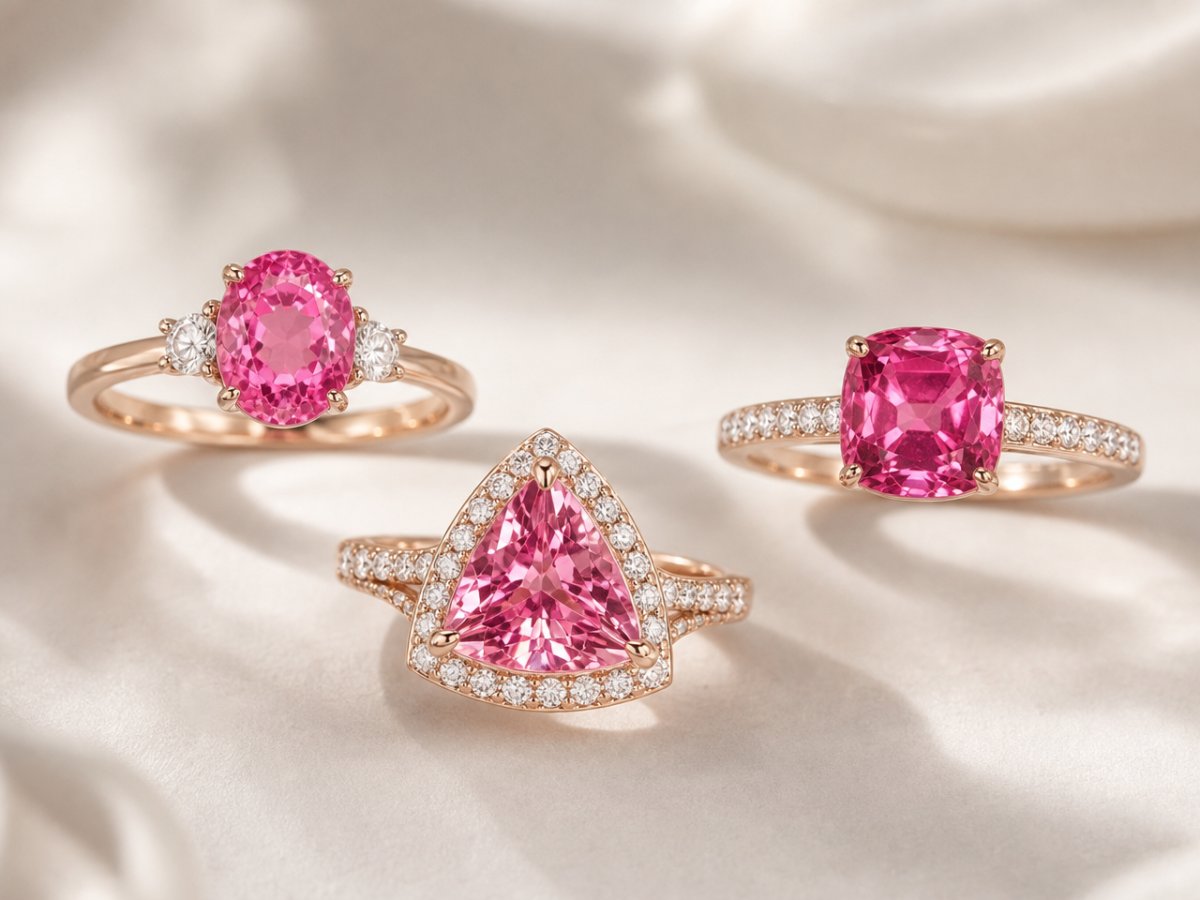
When comparing stones, look at the gem under more than one lighting condition if possible. A stone may appear softer, brighter or deeper depending on light source and setting style. For jewelry, also consider the metal color: white metals can create a crisp contrast, while yellow or rose metals can make the overall look warmer.
Choose a pink spinel with a face-up color you enjoy. For most buyers, the best stone is the one that looks attractive in the intended jewelry piece rather than the one that matches a technical description.
Cut, Shape and Brilliance
Pink spinel is most commonly found as faceted gemstones. Faceting is important because it can bring out brilliance, improve the face-up color and make the stone look lively in jewelry. When judging cut, look for balanced proportions, even symmetry and good light return across the stone.
Cushion and oval shapes are especially common choices for pink spinel. These shapes work well in rings, engagement rings, pendants and earrings because they offer a classic outline with good visual spread. Octagon and pear shapes are also seen and can be excellent options for more distinctive designs.
Step cuts may be used for a cleaner, more architectural appearance. Because step cuts have broad, open facets, buyers should inspect them carefully for visible inclusions or uneven color. Cabochons are less common for this material but may appeal to buyers who prefer a smooth, rounded surface rather than sparkle from facets.
Clarity and Transparency
Clarity affects both beauty and buying confidence. For most jewelry purchases, inspect the gemstone face-up and ask whether any inclusions are easily visible without magnification. Minor internal features may not matter if the color and brilliance are attractive, but obvious surface-reaching fractures or distracting inclusions can affect appearance and durability.
When buying online, use clear photos, videos where available and stated measurements to evaluate the gem. At GemSelect, checking the individual stone details is useful because colored gemstones are often purchased one gem at a time rather than by a standardized grading report alone.
Durability for Jewelry
Pink spinel has a Mohs hardness of 8, making it a durable gemstone suitable for many types of jewelry. This level of hardness supports use in rings and engagement rings, provided the setting protects the stone appropriately and the jewelry is worn with normal care.
For rings that will be worn frequently, choose a secure setting and avoid designs that leave vulnerable edges exposed. Pendants and earrings are generally less exposed to impact than rings, making them excellent choices for showcasing pink spinel with less daily wear risk. Bracelets can also use pink spinel, but they receive more knocks than earrings or pendants, so protective settings are important.
Treatments and Buying Confidence
Pink spinel is commonly associated with untreated material. This is an important buying point because many gemstone buyers prefer stones that have not been enhanced. When purchasing, check the seller's treatment disclosure and keep a record of it for your own documentation.
Because treatment status can influence buyer confidence, always review the product description carefully. If a gemstone is described as untreated, that information should be clearly stated by the seller.
Origins of Pink Spinel
Pink spinel is associated with several gem-producing regions. Important origins include Myanmar and Tanzania, with additional sources including Madagascar, Sri Lanka, Vietnam, Cambodia and Tajikistan.
Origin can be interesting to collectors and may be relevant when a stone is sold with origin information, but most jewelry buyers should prioritize visible beauty, cut, durability, treatment disclosure and suitability for the intended design. A pleasing, well-cut pink spinel is usually more practical to choose than a stone selected only because of a listed origin.
Best Jewelry Uses for Pink Spinel
Pink spinel is well suited to rings and engagement rings because of its hardness and attractive appearance. It offers a colored gemstone option for buyers who want a pink center stone with enough durability for regular wear.
Earrings and pendants are also excellent uses. These styles allow the color to be displayed prominently while reducing exposure to impact. Matched pairs can be attractive for earrings, while a single cushion, oval or pear-shaped spinel can make a refined pendant.
Fashion rings, bracelets and brooches are also possible. For bracelets and frequently worn rings, setting design matters more because these pieces are more likely to experience contact during daily use.
Practical Pink Spinel Buying Checklist
1. Choose the pink color you actually want to wear
Compare the face-up color of each stone. Look for a pink tone that works with your jewelry design, metal choice and personal style.
2. Give cut quality close attention
A well-cut pink spinel should look lively and balanced. Avoid stones with large dark areas, overly shallow appearances or visibly uneven outlines unless the style is intentional and you like the effect.
3. Match the shape to the jewelry design
Cushion and oval shapes are versatile and popular for rings and pendants. Pear, octagon, round, heart and marquise shapes can add personality, but make sure the setting can protect pointed or delicate ends where applicable.
4. Inspect clarity in a practical way
Focus on what you can see without magnification. Inclusions that are hidden by brilliance or not visible face-up may be acceptable, while distracting marks in the center of the stone are harder to ignore.
5. Confirm treatment disclosure
Since untreated pink spinel is an important buying consideration, check that treatment information is clearly provided before purchasing.
6. Consider wear and setting style
For engagement rings and everyday rings, use a secure setting and choose a design appropriate for regular wear. For pendants and earrings, you have more flexibility because the stones are less likely to be struck.
Summary
Pink spinel is a durable and attractive gemstone for buyers who want a pink natural spinel for fine jewelry. Its Mohs hardness of 8, untreated association and suitability for rings, engagement rings, earrings and pendants make it a practical choice when selected carefully.
For the most satisfying purchase, focus on face-up color, cut quality, visible clarity, shape, treatment disclosure and the demands of the final jewelry design. A well-chosen pink spinel should be beautiful, wearable and suited to the way you plan to enjoy it.