

Bi-color tourmaline is a variety of tourmaline admired for displaying two colors within a single gemstone. Its appeal is not only visual: the meeting of two color zones has made it a natural symbol of contrast, harmony and individuality in modern gemstone culture.
Unlike gems with long, well-documented ancient traditions, bi-color tourmaline is best understood through the broader story of tourmaline and through the symbolic meaning people attach to its distinctive appearance today. This guide focuses on supported facts, traditional associations and clearly identified modern interpretations.
What Is Bi-Color Tourmaline?
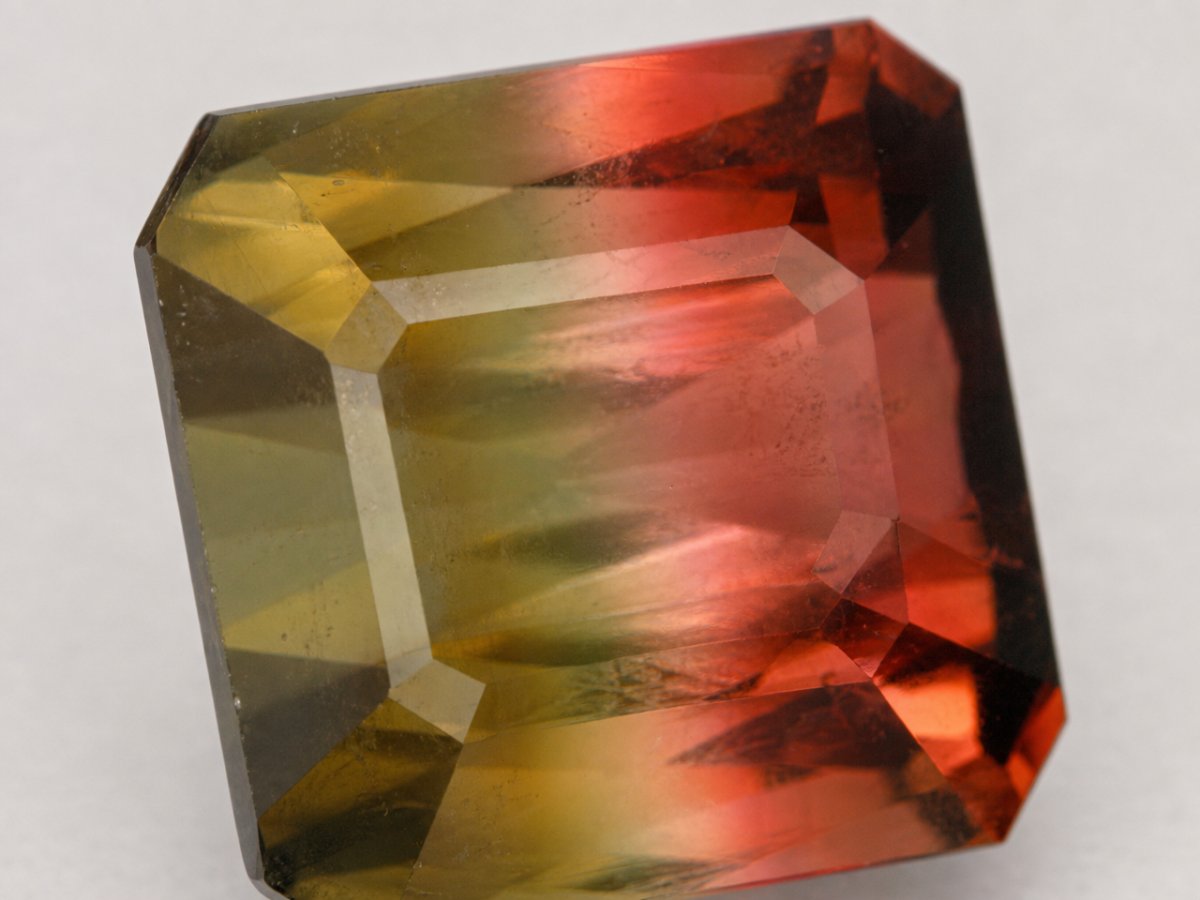
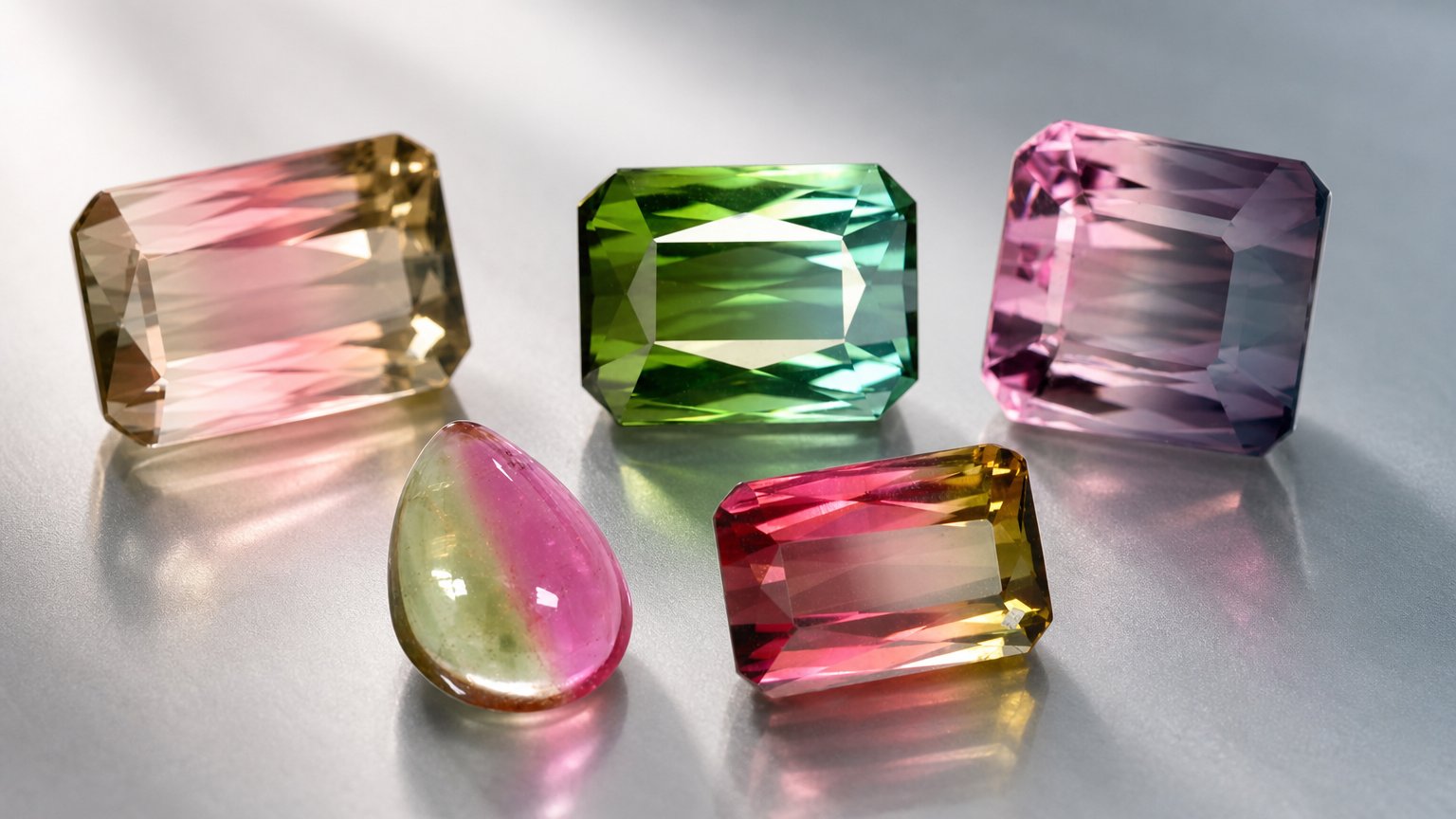
Bi-color tourmaline is a color-zoned form of tourmaline, most closely associated with the elbaite mineral species. Its defining feature is the presence of two colors in one natural gemstone. This may appear as a clear boundary between color areas or as a gradual transition, depending on the individual crystal and how it is cut.
The gemstone belongs to the wider tourmaline family, a group known for exceptional color variety. In bi-color tourmaline, that variety is contained in a single stone, which is why each gem tends to feel highly individual. For collectors and jewelry enthusiasts, the meaning of bi-color tourmaline is often connected to this visible sense of change, pairing and natural uniqueness.
Bi-Color Tourmaline Meaning and Symbolism
The most common symbolic reading of bi-color tourmaline comes from its appearance: two colors sharing one crystal. In modern gemstone symbolism, it is often associated with balance, transition, unity and the ability to hold different qualities together.
Because the colors are naturally joined, bi-color tourmaline can represent partnership or connection without requiring sameness. This makes it meaningful to people who see gemstones as personal symbols rather than only decorative objects. A bi-color stone may be chosen to mark a relationship, a life change, a creative contrast or a personal story with more than one side.
These meanings should be understood as cultural and personal interpretations, not scientific properties. There is no medical or proven metaphysical effect attached to bi-color tourmaline. Its symbolic strength lies in the way its natural color zoning invites reflection and personal association.
Historical Background
Tourmaline as a gemstone has become especially valued because of its wide color range, and bi-color tourmaline is one of the most visually distinctive expressions of that variety. The history of bi-color tourmaline is therefore closely tied to the broader appreciation of tourmaline as a colored gemstone rather than to a single ancient civilization or ceremonial tradition.
Available verified information for bi-color tourmaline points to important modern sources including Brazil, Afghanistan, Madagascar, Mozambique, Namibia, Nigeria and the United States. Brazil is especially prominent among known origins. These localities are significant because they help explain why bi-color tourmaline is encountered in the contemporary gemstone market and in collections around the world.
Rather than being known for one famous historical event, bi-color tourmaline has gained recognition through its natural rarity of appearance and the skill required to reveal its color arrangement. Cutters often orient a stone to show the relationship between its two color zones, and this visual planning contributes to the gem's modern identity.
Color as Cultural Language
Color has always been one of the main ways people give meaning to gemstones. With bi-color tourmaline, the symbolism is not based on one color alone but on the relationship between two colors. That relationship may suggest contrast, movement, duality or cooperation.
For this reason, bi-color tourmaline is sometimes appreciated as a gemstone of complexity. It does not present a single uniform face; instead, it shows that variation can be part of beauty. This is one reason it appeals to collectors, designers and gemstone enthusiasts who value stones with a strong individual character.
October Birthstone Association
Tourmaline is associated with the month of October, and bi-color tourmaline belongs within that birthstone tradition. For people born in October, a bi-color tourmaline offers a distinctive alternative to single-color tourmaline gems while still keeping the recognized birthstone connection.
As a birthstone, its meaning is often personalized. The two-color appearance may be interpreted as representing growth, change, relationships or the blending of different parts of a person's identity. These are modern symbolic readings, but they fit naturally with the gemstone's visual character.
Folklore, Tradition and Modern Belief
Bi-color tourmaline is often discussed in modern crystal and gemstone traditions as a stone of balance and emotional contrast. Such beliefs are part of contemporary folklore and personal symbolism rather than established historical fact or medical science.
When described responsibly, this folklore can still be meaningful. Many gemstone lovers enjoy choosing stones that reflect an intention, memory or mood. In that context, bi-color tourmaline's two colors can serve as a reminder of harmony between differences, acceptance of change or the value of seeing more than one perspective.
Bi-Color Tourmaline in Modern Gemstone Culture
Today, bi-color tourmaline is appreciated by gemstone buyers, collectors and jewelry designers for its natural individuality. Faceted stones are common because faceting can emphasize brilliance while showing the meeting of color zones. Slices and cabochons may also be used when the goal is to display the color pattern more directly.
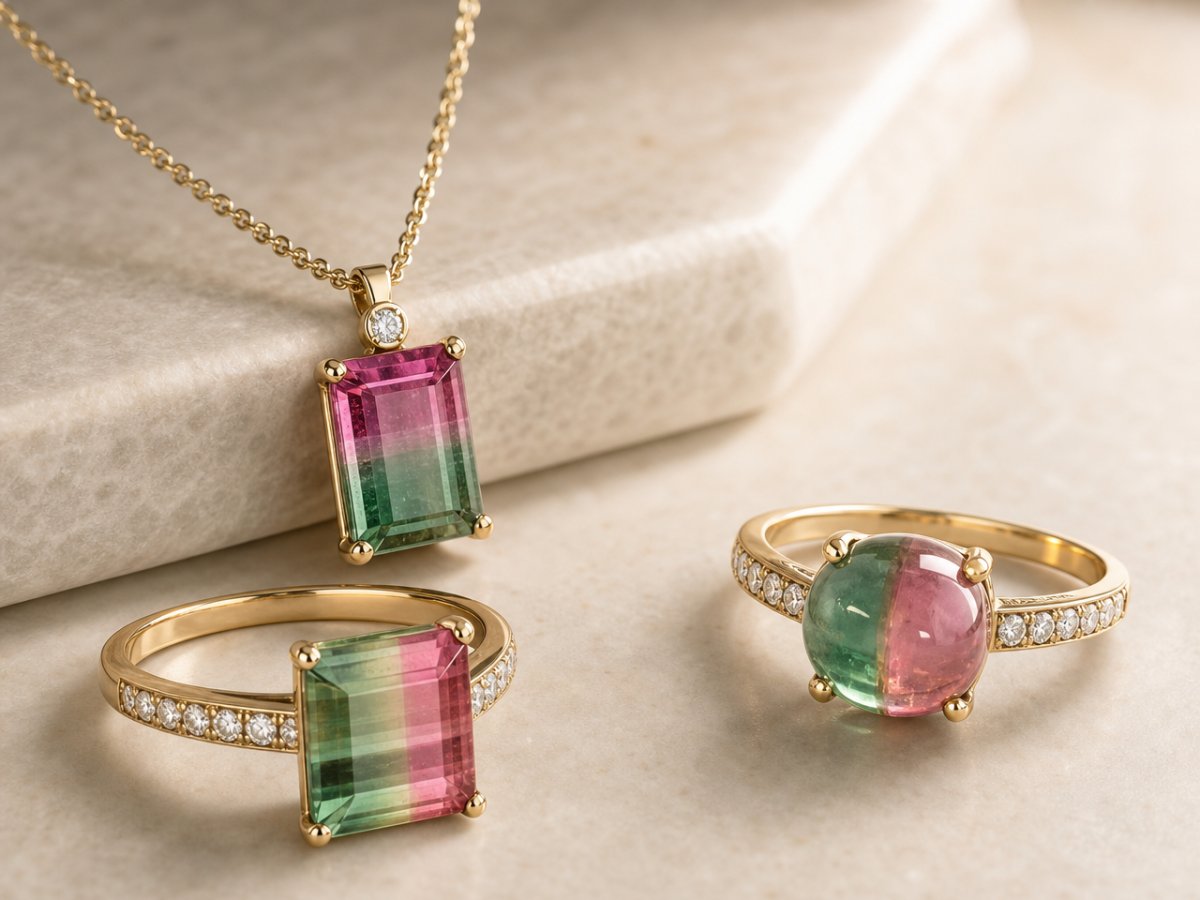
Its common use in pendants, rings, earrings, necklaces and collector jewelry reflects its visual versatility, but its cultural appeal goes beyond jewelry format. A bi-color tourmaline is often selected because no two stones look exactly alike. That individuality supports its modern symbolism as a gemstone of personal expression.
At GemSelect, bi-color tourmaline is best viewed as both a natural colored gemstone and a meaningful design choice. Its story is strongest when the viewer can see the transition between colors and connect that natural feature with a personal interpretation.
Conclusion
Bi-color tourmaline does not need an elaborate legend to be meaningful. Its symbolism comes directly from its natural structure: two colors united in one gemstone. As part of the tourmaline family and an October birthstone option, it carries recognized gemstone tradition while offering a more individual and contemporary expression.
For many people, bi-color tourmaline represents balance, change, unity and personal complexity. These meanings are best understood as tradition, symbolism and modern interpretation, grounded in the gem's remarkable two-color appearance.