


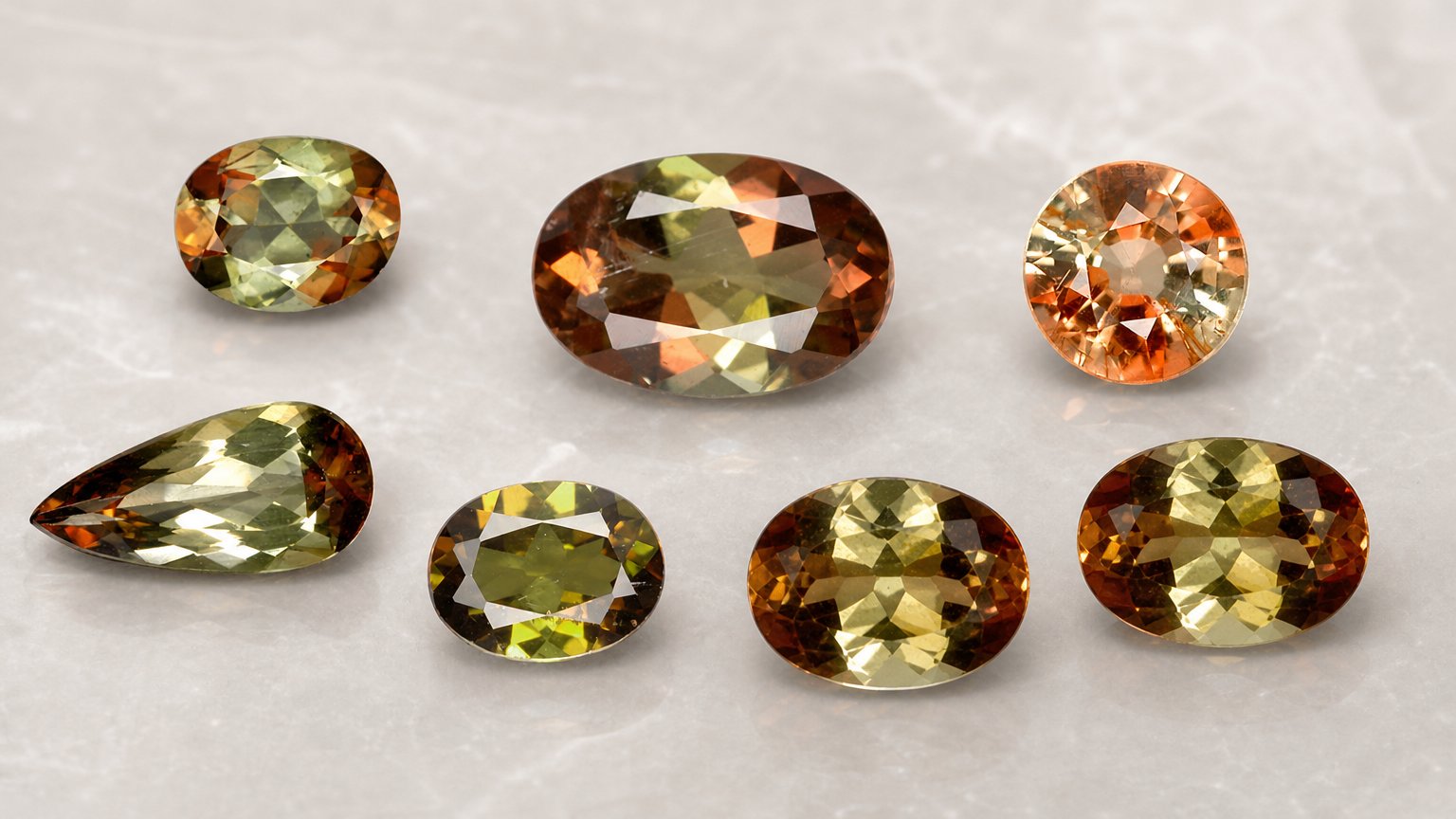
Andalusite is a distinctive aluminum silicate gemstone valued by buyers who want natural-looking color with an individual character. Unlike gems that are usually judged by a single body color, andalusite is best appreciated for its multicolor appearance, commonly showing combinations that may include green, orange, brown and yellow tones. This makes each stone worth viewing carefully rather than buying by color name alone.
For jewelry buyers, collectors and designers, the most important buying factors are color balance, cut quality, visible clarity, size, durability and whether the stone is suitable for the intended jewelry setting. Andalusite is commonly available as untreated material, which is an important point for buyers who prefer gemstones without enhancement. This guide explains what to look for before purchasing and how to choose an andalusite that fits your design, budget and wearing needs.
What Is Andalusite?
Andalusite is an aluminum silicate mineral with the chemical formula Al₂SiO₅. It crystallizes in the orthorhombic crystal system and has gemological properties that place it firmly among durable colored gemstones. Its refractive index is 1.629–1.650, and its specific gravity is 3.05–3.20. These measurements are useful for gem identification, but for most buyers the visible appearance and cutting quality are the main concerns.
In the gemstone trade, andalusite is especially interesting because it is not typically bought as a standard single-color gem. Its appeal comes from the way different colors can appear together within the same stone. A well-chosen andalusite can look warm, earthy, lively or subtly mixed depending on the balance of green, orange, brown and yellow.
Andalusite Color and Appearance
Color is the first feature most buyers notice in andalusite. The key word is multicolor. Instead of expecting one pure hue, look for how the colors work together across the face of the gemstone. Green and orange are important colors to consider, while brown and yellow tones may also be part of the overall appearance.
When comparing stones, view them under different lighting conditions if possible. A gemstone that looks strongly green in one environment may show warmer orange, yellow or brown areas in another. This does not mean one stone is automatically better than another; it means personal preference plays a large role. Some buyers prefer a lively contrast between green and orange, while others like a more blended, golden-brown appearance.
What to look for in color
- Attractive color balance: Choose a stone where the visible colors complement each other rather than appearing uneven or dull.
- Face-up appeal: Judge the gem from the top, as it will be seen in jewelry. Side views can be useful, but the face-up view matters most for wear.
- Lighting response: Compare the gem in daylight-equivalent and indoor light when possible, especially if color is your top priority.
- Personal style: Green-orange combinations can feel vivid and unusual, while brown-yellow blends may have a more understated look.
Clarity: How Clean Should Andalusite Look?
The Knowledge Snapshot does not assign andalusite a formal clarity grade, and buyers should avoid relying on overly rigid clarity labels unless they are clearly explained by the seller. In practical terms, the most useful question is simple: does the stone look clean and attractive to the unaided eye?
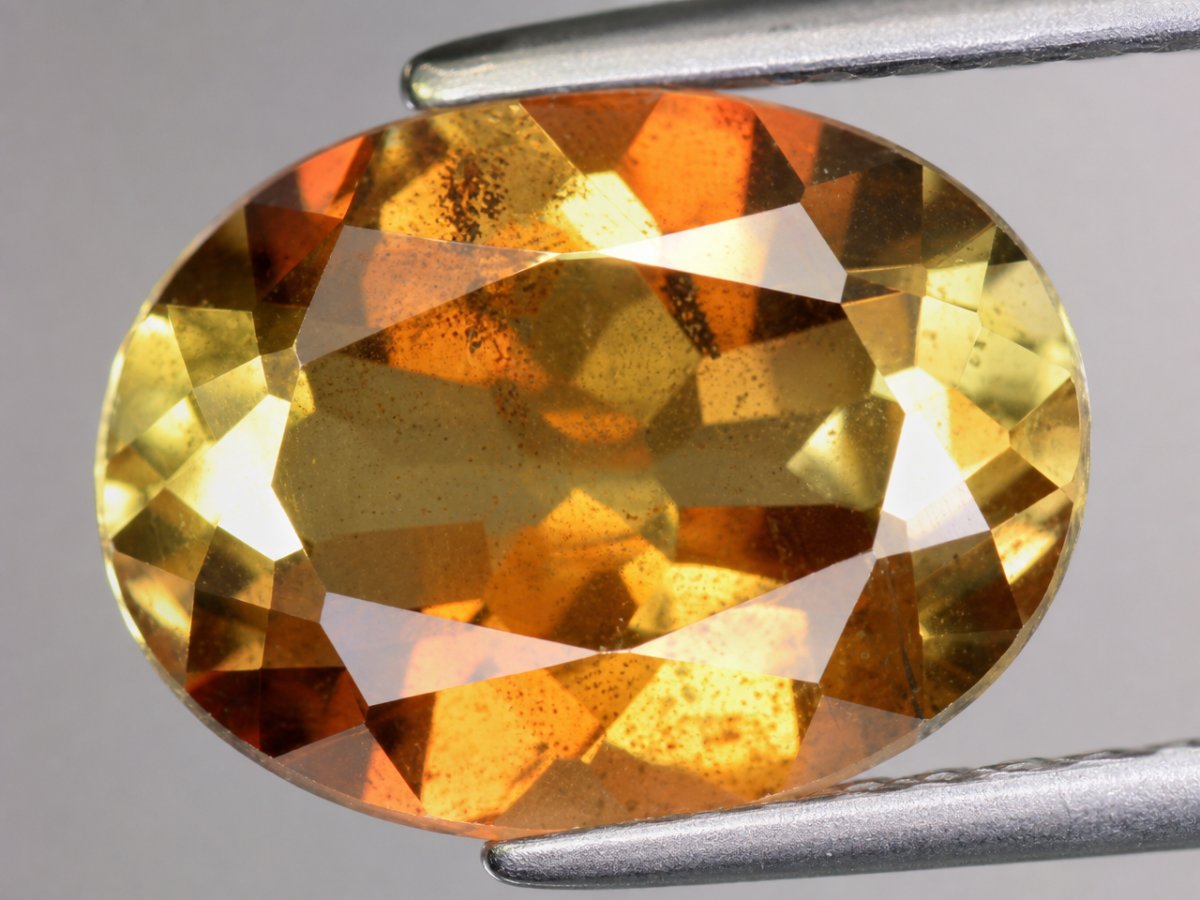
Minor internal features are common in many natural gemstones and may not affect beauty or wearability. However, inclusions that are large, dark, reflective or positioned in the center of the gem can distract from color and brilliance. Surface-reaching fractures should be evaluated carefully, especially for stones intended for rings or bracelets where knocks and abrasion are more likely.
Practical clarity tips
- Inspect the gemstone face-up first, then from the side.
- Use magnification for checking details, but make the final beauty judgment with the unaided eye.
- For rings, avoid stones with obvious fractures or weak-looking areas near the girdle or corners.
- For earrings and pendants, slightly included stones may still be very attractive if the color and cut are pleasing.
Cut and Shape: Why Cutting Matters
Andalusite is most often seen in faceted cuts, which help display its color and brightness. Diamond cut styles and step cuts are also used, while cabochons are less common. Because andalusite is appreciated for its mixed color appearance, cutting orientation and proportions can strongly influence the finished look.
A good cut should make the stone attractive face-up. Look for balanced brightness, pleasing symmetry and a shape that suits your jewelry design. Poorly cut stones may show areas that appear too dark, too windowed or visually flat. A window is a transparent-looking area where light passes through the stone rather than returning to the eye; it can make the center look washed out.
Popular shapes for andalusite
Cushion and oval shapes are especially common choices for andalusite, and both work well for rings, pendants and earrings. Octagon and round shapes are also seen and can give a more structured or classic look. Pear and trillion shapes may be chosen for more distinctive designs, especially when a designer wants a directional or geometric effect.
When buying online from a supplier such as GemSelect, compare the listed dimensions as well as the carat weight. Two stones of the same weight can look different in size depending on depth and shape. Measurements are often more helpful than weight alone when planning a ring or matching stones for earrings.
Size and Carat Weight Considerations
Carat weight tells you how much the gemstone weighs, but it does not tell the whole story. Andalusite has a specific gravity of 3.05–3.20, so its face-up size should be evaluated by measurements rather than weight alone. A deeper stone may weigh more without appearing much larger from the top.
For jewelry projects, start with the intended use. A center stone for a ring may require a balanced outline and enough presence to suit the setting. Earrings often need stones that are close in size, shape and color. Necklaces and pendants allow more flexibility because the stone is usually less exposed to direct impact than in a ring or bracelet.
Buying tips for size
- Check length, width and depth, not only carat weight.
- For calibrated jewelry settings, confirm the exact millimeter size before purchasing.
- For pairs, compare both dimensions and face-up color rather than relying only on weight.
- For rings, avoid overly shallow stones that show a window or overly deep stones that sit too high in the setting.
Durability and Everyday Wear
Andalusite has a Mohs hardness of 6.5–7.5. This gives it useful durability for many types of jewelry, including rings, earrings, bracelets and necklaces. However, hardness is not the same as toughness. Hardness describes resistance to scratching, while toughness relates to resistance against breaking or chipping. As with most colored gemstones, good setting design and sensible care are important.
Rings expose gemstones to more contact than most other jewelry, so a protective setting is worth considering, particularly for daily wear. Earrings and necklaces are generally safer choices because they are less likely to receive impact. Bracelets can be beautiful, but they are more exposed to knocks against desks, counters and other hard surfaces.
Care guidance
For routine care, clean andalusite jewelry gently with mild soap, warm water and a soft brush. Rinse well and dry with a soft cloth. Store it separately from harder gemstones to reduce the chance of scratching. Remove andalusite rings or bracelets before heavy work, sports or activities that may expose the stone to hard impact.
Treatments: What Buyers Should Know
Andalusite is commonly associated with untreated material. For buyers, this is an appealing feature because the color and appearance are typically appreciated as natural characteristics of the gemstone rather than the result of enhancement.
Even when a gemstone is generally known as untreated, it is still wise to read the seller’s disclosure carefully. Treatment information should be clearly stated. If treatment status is important to you, choose a seller that provides transparent gemstone details and is willing to answer questions before purchase.
Origins of Andalusite
Important sources for andalusite include Brazil, Spain and Sri Lanka, with Australia and Myanmar also known as origins. Brazil is especially important in commercial references to andalusite, while Spain and Sri Lanka are also well-recognized sources.
Origin can be interesting for collectors, but buyers should not assume that origin alone determines beauty or suitability. Color, cut, clarity, size and treatment disclosure are usually more practical buying factors. A well-cut and attractive andalusite from any known source can be a better choice than a less appealing stone bought only for its origin name.
Jewelry Uses for Andalusite
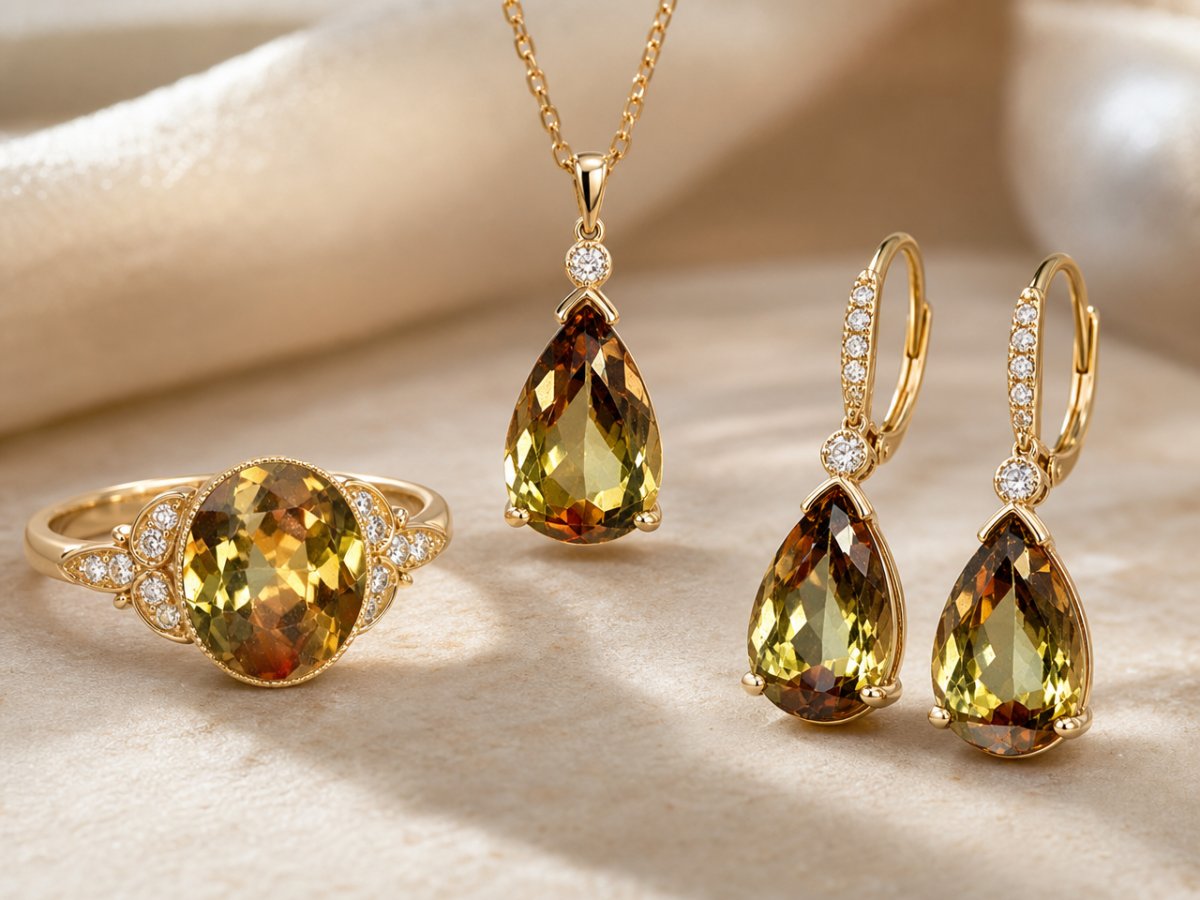
Andalusite can be used in several jewelry types, with rings being a prominent choice. Its mixed color appearance can make a ring center stone look distinctive without needing a complicated setting. A simple design can let the gemstone’s color do most of the visual work.
Earrings are another good use, especially when matching stones are selected for similar size and color balance. Because andalusite may show more than one color, exact matching can be challenging, so buyers should review photos or videos carefully when buying pairs. Necklaces and pendants are practical options for showcasing larger or more unusual shapes. Bracelets can also use andalusite, but the setting should protect the stone from frequent impact.
Design considerations
- Rings: Choose a secure setting and inspect the stone for durability concerns before daily wear.
- Earrings: Match size, outline and overall color impression for a balanced pair.
- Necklaces: Ovals, cushions and pear shapes can work well as focal stones.
- Bracelets: Use protective designs because bracelets receive more contact during wear.
How to Buy Andalusite with Confidence
A confident andalusite purchase begins with understanding what matters most to you. If color is the priority, compare several stones and decide whether you prefer green-orange contrast or warmer brown-yellow tones. If the gemstone is for a specific jewelry project, shape, dimensions and cutting style may be just as important as color.
Because andalusite is commonly faceted, cut quality deserves close attention. Look for a stone with pleasing brightness across the face, good symmetry and no distracting window. For step cuts and octagon shapes, clean lines and even reflections are especially important. For cushion, oval, pear and trillion shapes, pay attention to outline, depth and whether the shape appears balanced.
When buying from GemSelect or any online gemstone supplier, review all available details: photos, dimensions, carat weight, origin if listed, treatment disclosure and return policy. If you are buying for a ring or calibrated setting, confirm the millimeter size before ordering. If you are buying a matched pair, compare both stones carefully rather than assuming the same weight means the same visual size.
Buyer checklist
- Choose the color combination you find most appealing.
- Check that the stone looks attractive face-up.
- Review clarity with the unaided eye and, if possible, magnification.
- Compare dimensions as well as carat weight.
- Confirm treatment disclosure, especially if untreated status is important to you.
- Select a setting suitable for the jewelry type and expected wear.
- Do not buy by origin alone; judge the complete gemstone.
Summary
Andalusite is a compelling choice for buyers who appreciate multicolor gemstones with natural character. Its most important buying features are color balance, cut quality, visible clarity, useful size and suitability for the intended jewelry design. With a Mohs hardness of 6.5–7.5, it can be used in rings, earrings, necklaces and bracelets when set and cared for appropriately.
For the best result, compare individual stones rather than relying on a single color label or origin name. A well-cut, attractive and clearly disclosed untreated andalusite can make distinctive jewelry that feels both refined and individual.
