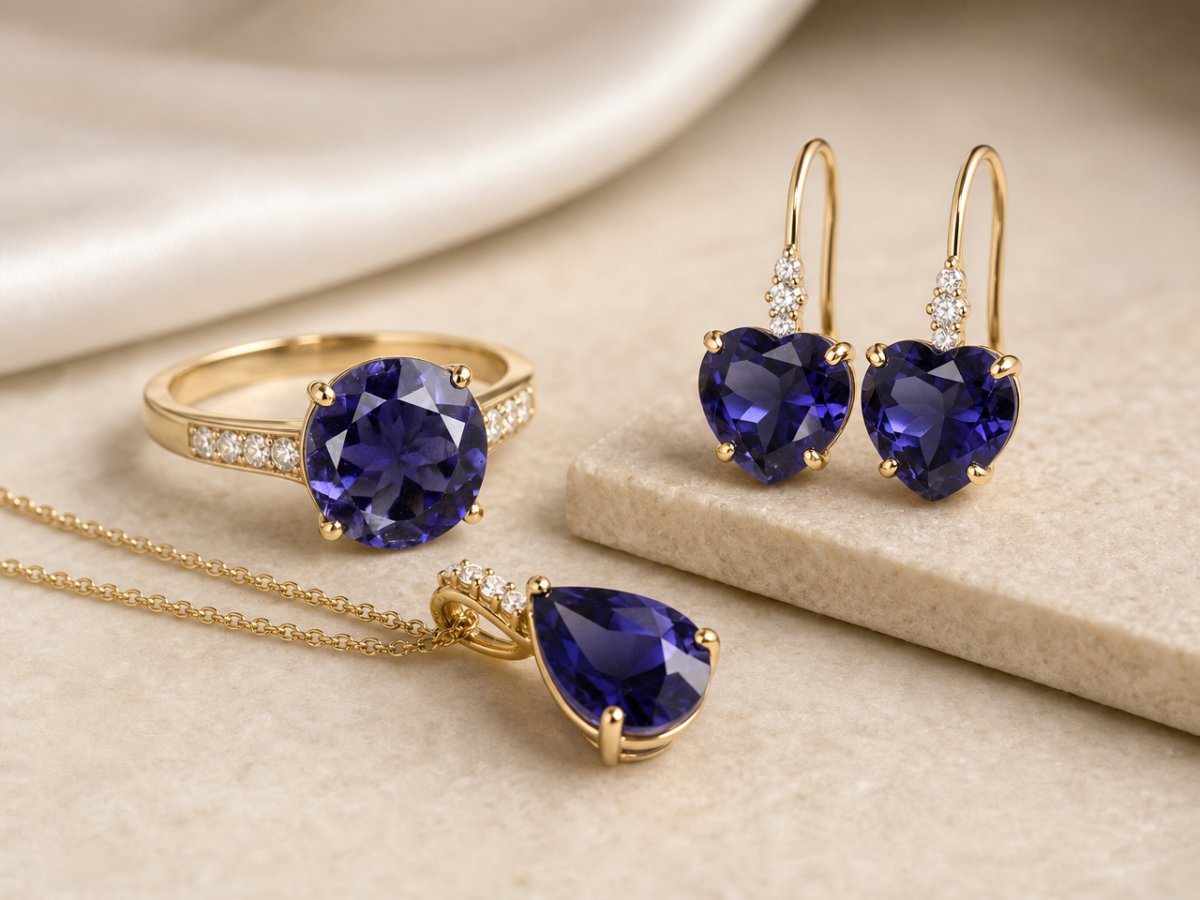


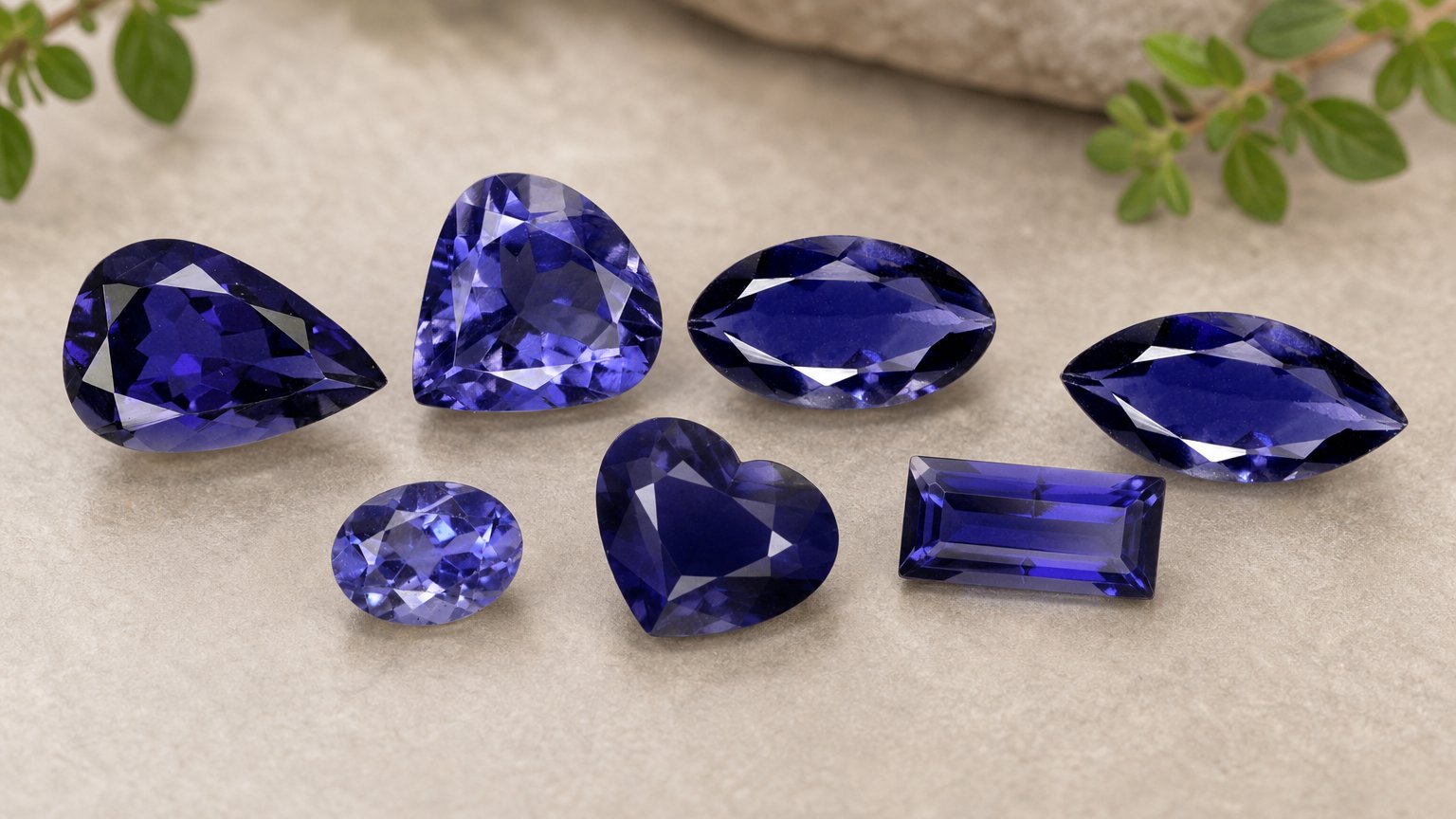
Iolite is a violet to blue gemstone known to buyers as an attractive option for rings, pendants, necklaces and earrings. It belongs to the mineral species cordierite and offers a distinctive cool-color appearance that can suit both modern and classic jewelry designs. For anyone shopping for loose iolite, the most important points to understand are color, cutting quality, visible clarity, size, treatment disclosure and how the gem will be used in jewelry.
This buying guide explains the practical details that matter when choosing iolite. It is written for gemstone buyers, jewelers, designers and collectors who want to compare stones confidently and choose an iolite that fits their project, budget and expectations.
What Is Iolite?
Iolite is the gem name for a variety associated with the mineral species cordierite. Its chemical formula is (Mg,Fe)₂Al₄Si₅O₁₈, and it crystallizes in the orthorhombic crystal system. For buyers, these scientific details are less important than what they help explain: iolite is a natural gemstone with identifiable gemological properties, including a Mohs hardness of 7 to 7.5, a refractive index of 1.542 to 1.578 and a specific gravity of 2.58 to 2.66.
In practical terms, iolite is chosen mainly for its violet-blue color range and its usefulness in many jewelry styles. It is most often seen as faceted stones, although cabochons are also available. Faceted iolite is typically selected when brilliance and a crisp outline are desired, while cabochons offer a smoother, softer appearance that may appeal to designers looking for a more understated style.
Iolite Color and Appearance
Color is one of the first features buyers notice in iolite. The most important color impression is violet, often with a blue appearance. Some stones may also show a purple aspect. When comparing iolite gemstones, look for a color that is attractive to your eye, balanced across the face of the stone and appropriate for the jewelry design.
Because color preference is personal, there is no single best choice for every buyer. A stronger violet-blue may be ideal for a statement ring or pendant, while a slightly softer blue or purple tone may be easier to match in earrings or a multi-stone design. View the stone in the type of lighting in which it will normally be worn, and if possible compare several iolites side by side. Side-by-side comparison is one of the simplest ways to see differences in tone, saturation and overall liveliness.
What to Check When Comparing Color
When buying iolite online or in person, pay attention to the face-up appearance of the gem. The face-up view is how the stone looks when viewed from above, as it will usually be seen in jewelry. Check whether the color looks even and whether any areas appear too dark or too washed out for your preference. A well-cut gemstone should present its color attractively from the top, not only from the side.
Photographs can be useful, but buyers should remember that screen settings and lighting can affect color perception. At GemSelect, viewing individual gemstone images, measurements and descriptions helps buyers compare actual stones rather than relying only on a general variety name.
Clarity: How Clean Should Iolite Look?
Clarity refers to the presence or absence of internal features, often called inclusions, and surface-reaching features that can be seen with the eye or under magnification. The Knowledge Snapshot for iolite does not define a special clarity grade for this gemstone, so buyers should use a practical approach: choose a stone that looks clean and attractive to the unaided eye at normal viewing distance.
Some inclusions are minor and do not affect beauty or jewelry use, especially in smaller gems or stones with deeper color. More obvious inclusions can affect appearance if they interrupt the color, reduce transparency or draw attention in the center of the gem. For jewelry, eye appeal matters more than technical perfection. A gem that appears clean, lively and well matched to the design is often the most satisfying choice.
Clarity Tips for Different Jewelry Types
For rings and pendants, the center of the stone is usually easy to see, so clarity may be more important. For earrings, small differences can be less noticeable when worn, but matched appearance between the pair becomes important. In a necklace with multiple stones, consistency of color, shape and size may matter as much as the clarity of any single gem.
Cut and Shape: Why Cutting Quality Matters
Iolite is commonly faceted, and this is the cutting style many buyers will encounter first. Faceting uses flat polished surfaces to return light and show the gemstone’s color. When assessing a faceted iolite, look for a pleasing outline, good symmetry and an attractive face-up appearance. The gem should not look lifeless, overly shallow or overly deep when viewed from above.
Cabochon-cut iolite is also available. A cabochon has a smooth domed top rather than facets. This style can be a good choice when a designer wants a softer look, a lower-key finish or a gem that emphasizes color more than sparkle. Cabochons are particularly useful in creative, handmade or vintage-inspired jewelry designs.
Common Shapes for Iolite
Oval and round shapes are especially common choices for iolite and are easy to use in many jewelry settings. Ovals can make good use of the gem material and often look elegant in rings and pendants. Rounds are versatile and can suit earrings, classic rings and balanced necklace designs.
Other shapes such as baguette, cushion, octagon and square cuts are also seen and can be excellent choices when the design calls for clean geometry or a more contemporary look. Pear and marquise shapes may be selected for pendants, drop earrings or accent layouts, while trillion shapes appear less commonly but can be attractive in distinctive designs.
Size and Carat Weight Considerations
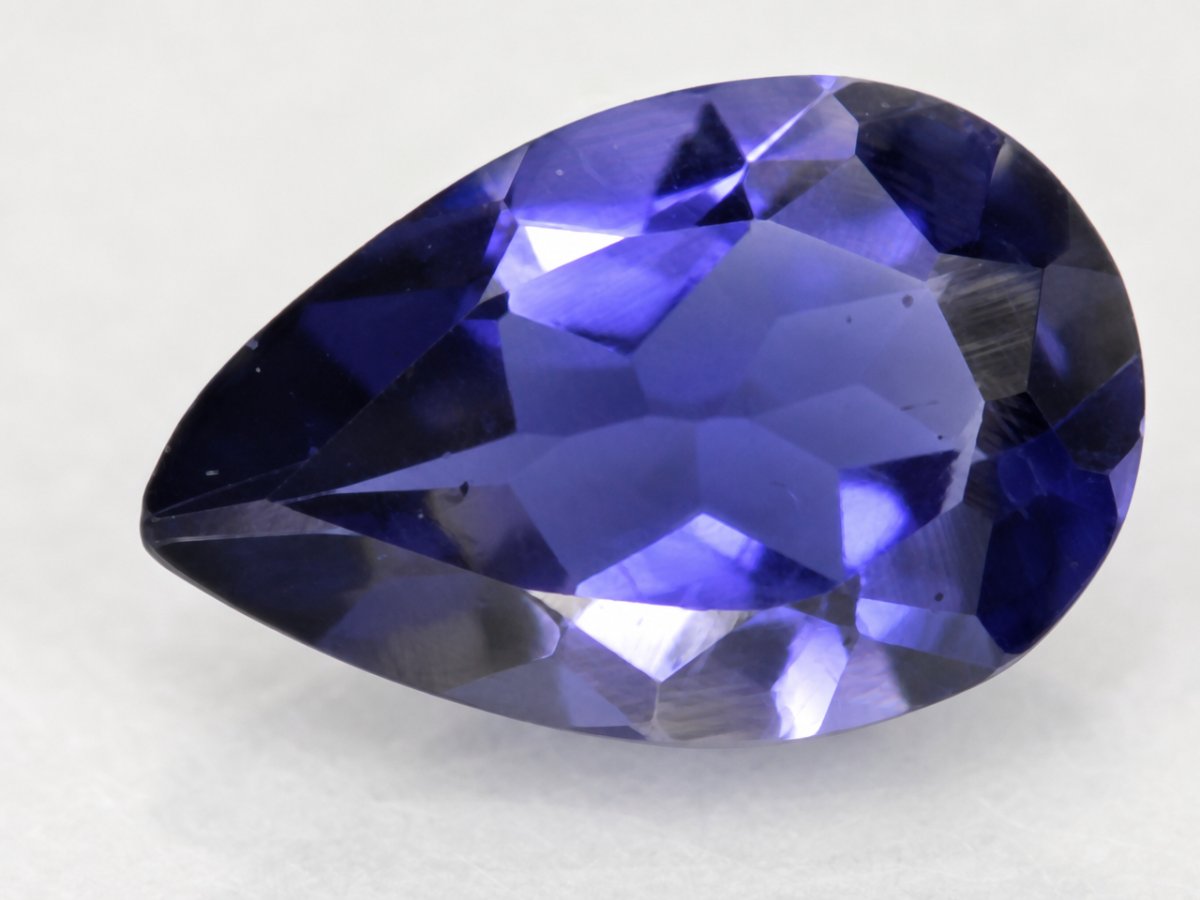
Size is not only a question of carat weight. Two gemstones with the same weight can look different in size depending on their shape and cutting proportions. When buying iolite, check the millimeter measurements as well as the carat weight, especially if the stone must fit a specific setting.
For rings, make sure the size of the stone works with the wearer’s hand, the setting style and the level of protection desired. For pendants and necklaces, larger stones may be easier to display because they are not exposed to the same level of daily impact as ring stones. For earrings, weight and comfort are important, especially if the stones are intended for everyday wear.
If you are buying matching iolite stones, such as a pair for earrings or several gems for a necklace, compare color, shape, dimensions and cutting style. A close visual match is often more important than identical carat weight.
Iolite Origins
Iolite is associated with several important origins. India and Madagascar are especially notable sources, and iolite is also known from Sri Lanka and Tanzania. Additional origins include Brazil and Myanmar. For many buyers, origin is interesting from a collecting or descriptive point of view, but it should be considered alongside the visible quality of the individual stone.
Unless a buyer has a specific collecting goal, the most practical approach is to choose iolite based on color, cut, clarity, size, treatment disclosure and suitability for the intended jewelry. A beautiful, well-cut stone from any recognized origin can be a strong choice. If origin is important to you, look for clear disclosure from the seller and keep any accompanying documentation with your purchase records.
Gemological Properties Buyers Should Know
Gemological properties help identify a gemstone and give buyers useful context. Iolite has a Mohs hardness of 7 to 7.5. The Mohs scale measures resistance to scratching, not resistance to breaking. A gemstone with this hardness can be suitable for many jewelry uses, but good setting design and sensible care still matter.
Iolite’s refractive index is 1.542 to 1.578. Refractive index describes how light bends as it passes through a gem and is one factor gemologists use in identification. Its specific gravity is 2.58 to 2.66, which relates to density. These numbers are most useful for gemological testing and verification, but they also reinforce the importance of buying from a seller that provides clear gemstone information.
Durability and Everyday Wear
Iolite’s hardness of 7 to 7.5 makes it a practical gemstone for a range of jewelry, including rings, necklaces, pendants and earrings. For rings, which receive more contact than most other jewelry types, the setting should be chosen carefully. A protective setting or a design that does not leave the stone overly exposed can help reduce the risk of accidental knocks.
Necklaces and pendants are generally less exposed to impact than rings, so they are excellent choices for displaying iolite color. Earrings are also a good use because they are usually protected from heavy wear. As with any gemstone jewelry, remove iolite pieces before activities that may involve impact, abrasion or harsh chemicals.
Care Tips for Iolite Jewelry
Clean iolite jewelry gently with mild soap, warm water and a soft cloth or soft brush. Rinse well and dry carefully. Store iolite separately from harder gemstones and jewelry items that could scratch it. Keeping pieces in individual pouches or compartments is a simple way to preserve polish and reduce accidental damage.
Iolite Treatments and Disclosure
Iolite is commonly represented as untreated in the verified knowledge for this guide. This is useful for buyers who prefer gems with no enhancement. When purchasing, always check the treatment disclosure for the specific stone rather than assuming all gemstones of a variety are the same.
Untreated status can be important for collectors and for buyers who value natural appearance. It can also simplify care because the buyer does not need to consider a listed enhancement. Still, the most important step is transparency: the seller should clearly state whether a gemstone is untreated and provide accurate information for the individual gem being sold.
Choosing Iolite for Jewelry
Iolite works well in several jewelry categories. Rings are a common use, especially when the buyer wants a violet-blue gemstone in a wearable design. For rings, consider the wearer’s lifestyle, the setting style and how often the ring will be worn. A dress ring may allow a more delicate design, while an everyday ring benefits from a setting that offers more protection.
Necklaces and pendants are excellent choices for iolite because they show the color clearly and are usually less vulnerable to hard knocks. A single oval or cushion iolite can make a refined pendant, while smaller round stones can be used in necklace layouts or as accents. Earrings are another attractive option, particularly when the stones are well matched for color and size.
Design Tips for Jewelers and Designers
When designing with iolite, begin with the stone’s color and shape. Violet and blue tones often look best when the metal color and surrounding stones do not overpower them. For a clean modern style, round, oval, cushion, square or octagon shapes can work well. For more directional designs, pear, marquise or trillion shapes can add movement and personality.
Because iolite is available in both faceted and cabochon styles, designers can choose between sparkle and smooth color. Faceted stones suit classic center-stone jewelry, while cabochons can be effective in bezel settings, artisan pieces or designs where a softer surface is preferred.
Practical Iolite Buying Checklist
Before buying iolite, use a simple checklist. First, decide which color range you prefer: violet, blue or a purple-leaning appearance. Next, choose the shape and cut style that fits your jewelry project. Oval and round faceted stones are versatile, while cabochons and geometric cuts can support more specialized designs.
Then compare clarity and cutting quality. Look for a stone that appears attractive face-up, with a balanced outline and no distracting features. Check the measurements, not only the carat weight, particularly if you are replacing a stone or fitting a calibrated setting. Review the treatment disclosure and keep records of origin and gemological information when provided.
Finally, match the gemstone to the intended jewelry use. A ring stone should be set with wear in mind. A pendant or necklace can focus more on display and color. Earrings should be comfortable and visually matched. Taking these steps helps you choose iolite based on the qualities that will matter after the gemstone is set and worn.
Buying Iolite Online
When buying iolite online, clear information is essential. Look for individual gemstone photos, dimensions, weight, shape, cut, color description, origin when available and treatment disclosure. A reliable listing should help you understand the actual gem you are considering, not just the gemstone name.
GemSelect lists loose gemstones with practical details so buyers can compare options for custom jewelry, collecting or replacement stones. If you are buying for a specific setting, check the millimeter size carefully and confirm whether the shape will fit your design. If you are buying multiple stones, compare images and measurements to build a better match.
Conclusion
Iolite is a violet to blue cordierite gemstone that can be a rewarding choice for buyers who want attractive color and versatile jewelry use. The best purchase is not simply the largest stone or the strongest color; it is the gem that combines pleasing appearance, suitable cut, appropriate size, clear treatment disclosure and practical durability for its intended setting.
By comparing iolite carefully and focusing on the qualities that affect beauty and wearability, buyers can choose with confidence. Whether the goal is a ring, pendant, necklace, earrings or a loose gemstone for a collection, iolite rewards thoughtful selection.