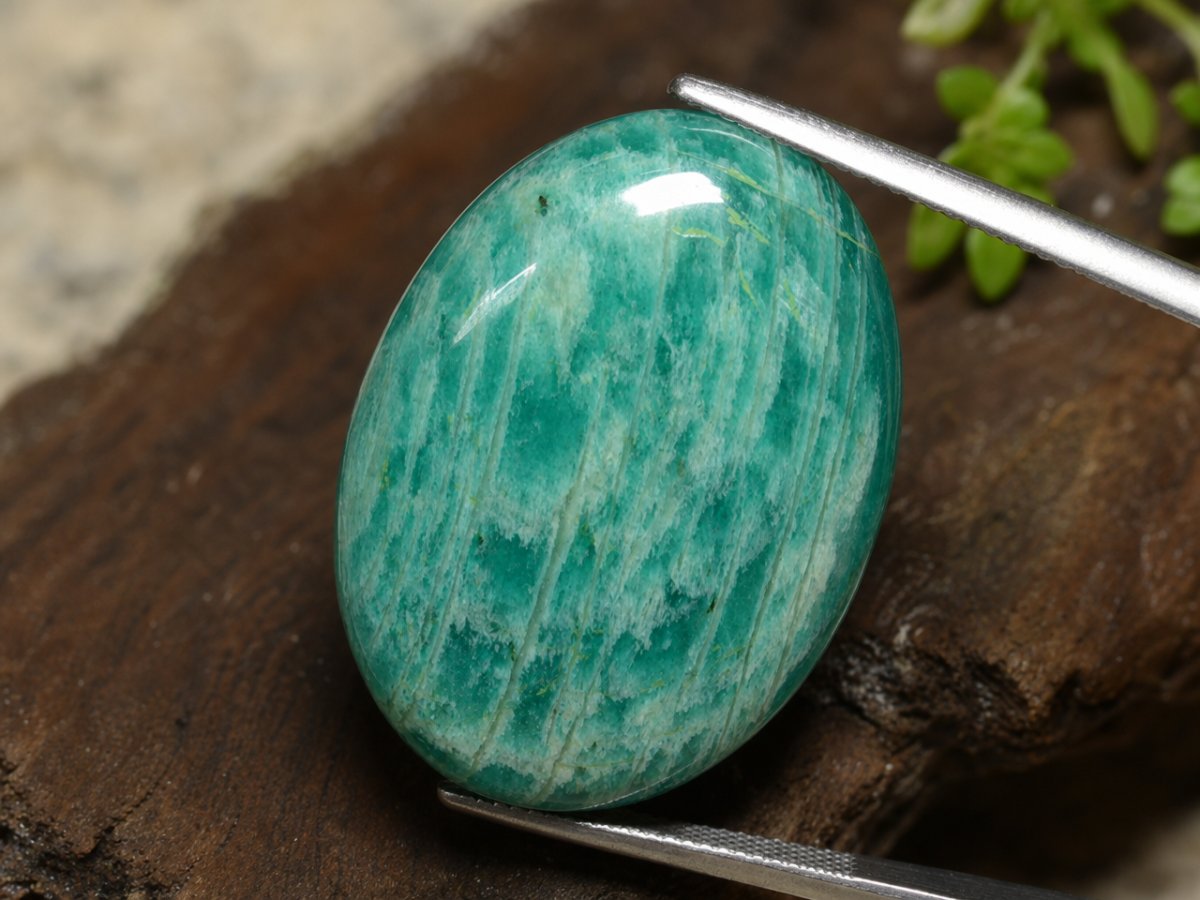


Amazonite is a green to teal feldspar gemstone admired for its soft, fresh color and natural character. In jewelry and collecting, it is often chosen for its calming visual appearance, its organic-looking patterns and its approachable beauty rather than for a single universally documented ancient tradition.
As a meaning and history guide, this article focuses on what can be said responsibly: amazonite's identity, its color-based symbolism, its important sources, and the way it is viewed in modern gemstone culture. Where symbolism is discussed, it should be understood as tradition, personal interpretation or modern association, not scientific fact.
What Is Amazonite?
Amazonite is a variety associated with the feldspar mineral group. Feldspar gems are valued for their attractive colors and natural textures, and amazonite is best known for shades of green and teal. These colors are central to how people interpret the gemstone today.
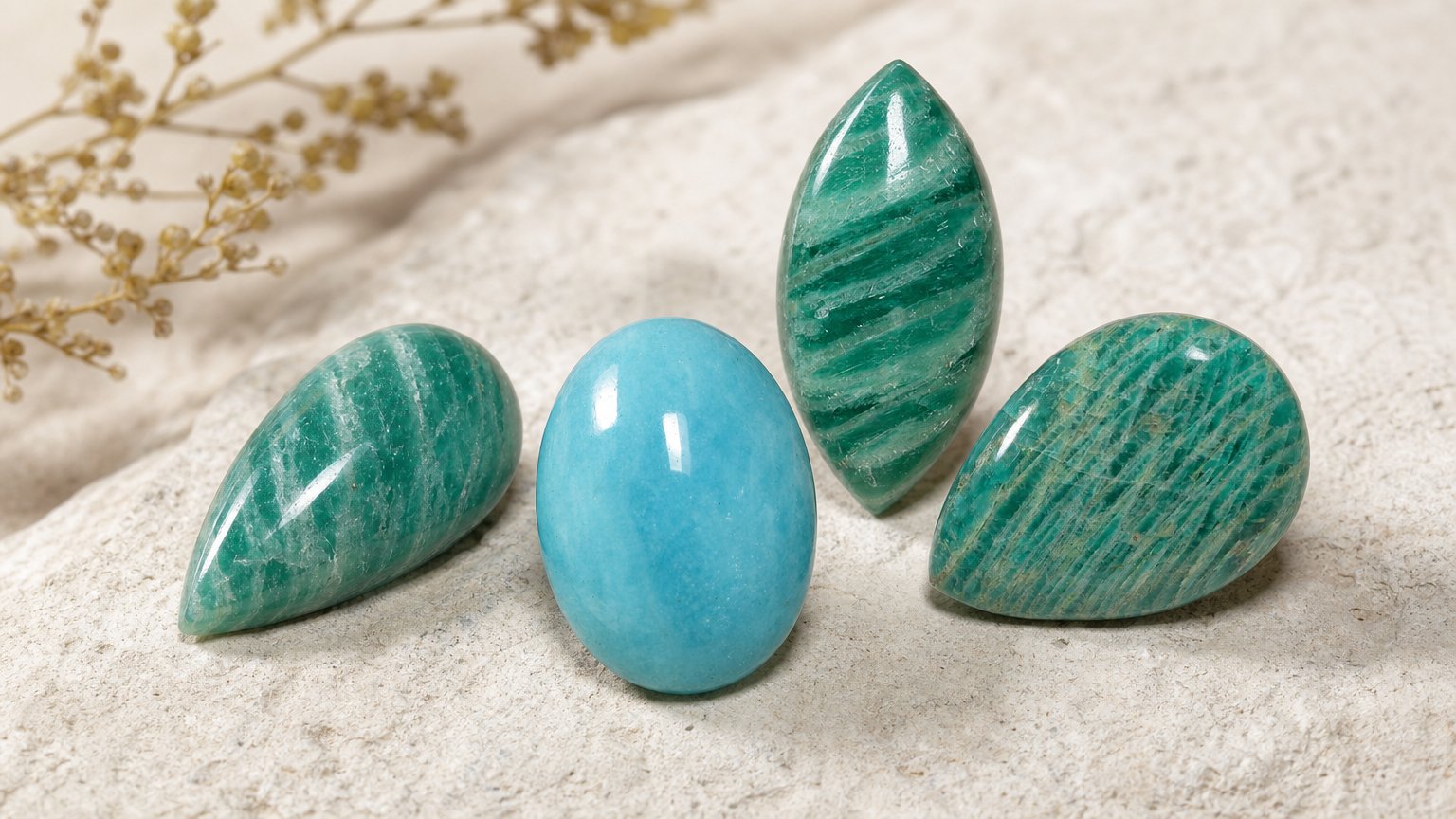
In the gem trade, amazonite is commonly fashioned as cabochons, especially in oval and freeform shapes. This style suits the stone's color and surface appearance, allowing the gem's natural green or teal character to be seen clearly. Faceted amazonite also exists, but cabochon cutting is more closely associated with the gemstone's typical presentation.
Amazonite Meaning and Symbolism
Amazonite does not need an elaborate legend to have meaning. Much of its modern symbolism comes from its visual qualities: green and teal are often associated with nature, balance, freshness and emotional ease. These are cultural and personal associations connected to color, rather than proven properties of the stone.
For many buyers and collectors, amazonite represents natural calmness and understated individuality. Its color is distinctive without being severe, and its feldspar identity gives it a grounded, earthy appeal. This makes amazonite especially meaningful for people who prefer gemstones with a relaxed, organic character.
It is important to distinguish this kind of symbolism from medical or therapeutic claims. Amazonite may be meaningful in personal, artistic or spiritual contexts, but such meanings are matters of belief and tradition, not scientific evidence.
Color as a Source of Meaning
Amazonite's green and teal colors strongly influence how the gem is perceived. Green gemstones are commonly linked with the natural world, renewal and harmony. Teal adds a cooler, water-like impression that many people find peaceful and balanced.
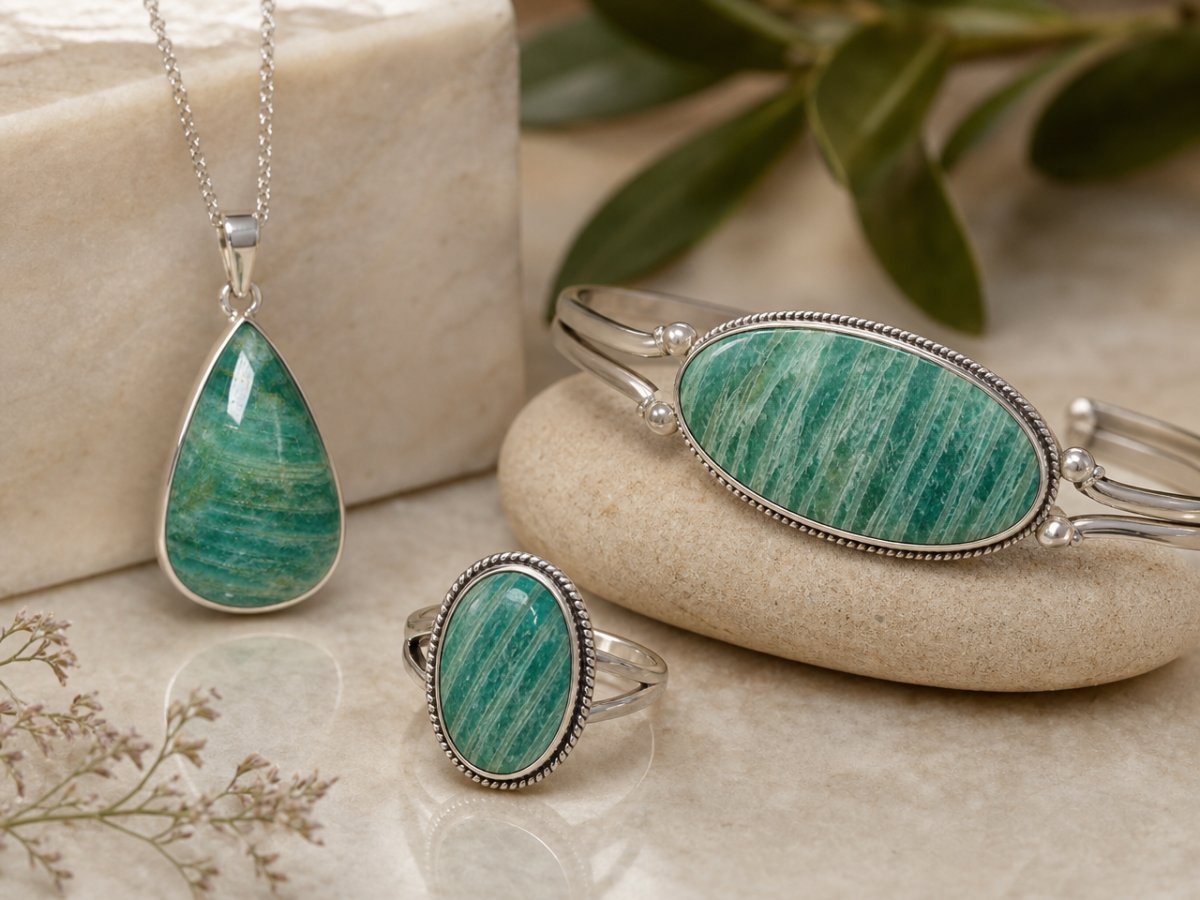
This color symbolism helps explain amazonite's popularity in pendants, bracelets and necklaces, where the gemstone is visible and expressive. In these forms, the gem often functions as a personal color statement as much as a traditional symbol.
Historical and Cultural Context
The verified facts for amazonite identify important sources in Madagascar, Brazil, the United States and Russia. Madagascar is especially prominent among listed origins, with Brazil and the United States also important, and Russia also recognized as a source.
Because no specific documented ancient use, ceremonial role or named historical episode is provided in the verified information for this guide, it would be misleading to assign amazonite to a particular civilization, ritual or legend without qualification. Instead, its significance is best understood through its place in modern gemstone culture: a naturally colored feldspar gem valued for its green to teal appearance and distinctive personality.
Today, amazonite is appreciated by gemstone collectors, jewelry designers and enthusiasts who are drawn to colored stones with a natural, less formal appearance. Its meaning is often personal: a reminder of nature, calm surroundings, creative expression or an individual connection to color.
Origins and Their Significance
Gemstone origin can contribute to how a stone is appreciated, especially by collectors who enjoy geographic variety. Amazonite is associated with several notable sources, including Madagascar, Brazil, the United States and Russia.
These origins do not automatically create a separate meaning for each stone, but they do form part of amazonite's identity in the gem trade. A collector may value a gemstone not only for its color but also for the story of where it came from and how that source fits into the wider world of colored gemstones.
Amazonite in Modern Jewelry Culture
Amazonite's contemporary appeal is closely tied to its color and relaxed style. It is commonly seen in bracelets and pendants, and it is also used in necklaces, earrings and rings. These jewelry forms allow the stone's green or teal color to be worn as a visible personal expression.
Designers often use amazonite when they want a gemstone that feels natural, soft and approachable. Rather than carrying one fixed traditional meaning, amazonite often becomes symbolic through the way it is worn: as a color of renewal, a reminder of nature, or simply a favorite gemstone with a distinctive look.
Is Amazonite a Birthstone, Zodiac Stone or Anniversary Gem?
No verified birthstone, zodiac or anniversary association is included for amazonite in the information used for this guide. That does not prevent people from choosing amazonite for birthdays, personal milestones or meaningful gifts, but such use should be understood as personal symbolism rather than an official traditional designation.
Folklore, Belief and Responsible Interpretation
Like many colored gemstones, amazonite may appear in modern crystal traditions and personal symbolism. These interpretations vary widely and should be treated as belief-based or cultural rather than factual in a scientific sense.
A responsible way to understand amazonite meaning is to separate three ideas: the verified gemstone facts, the visual associations created by its green and teal color, and any personal or spiritual meaning an individual chooses to give it. This approach respects both gemological accuracy and personal connection.
Conclusion
Amazonite is a green to teal feldspar gemstone whose modern meaning is shaped mainly by color, natural beauty and personal interpretation. While specific ancient historical or ceremonial claims should not be assumed without evidence, amazonite remains culturally meaningful today as a gemstone associated with nature-inspired color, calm visual appeal and individual expression.
For GemSelect customers and gemstone enthusiasts, amazonite is best appreciated as a naturally attractive colored stone with a distinctive look and a flexible symbolic character. Its meaning is not fixed by a single tradition; it is often created by the person who chooses, wears or collects it.