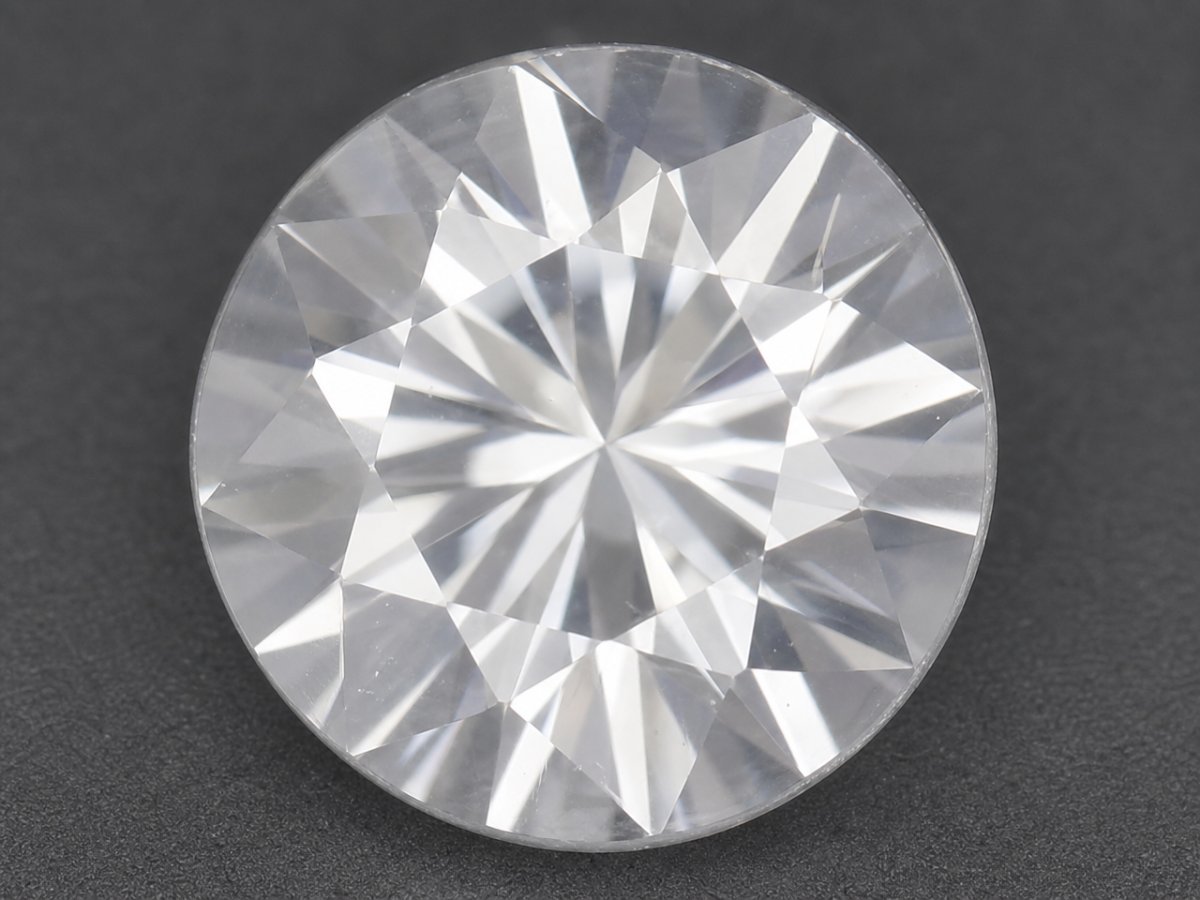


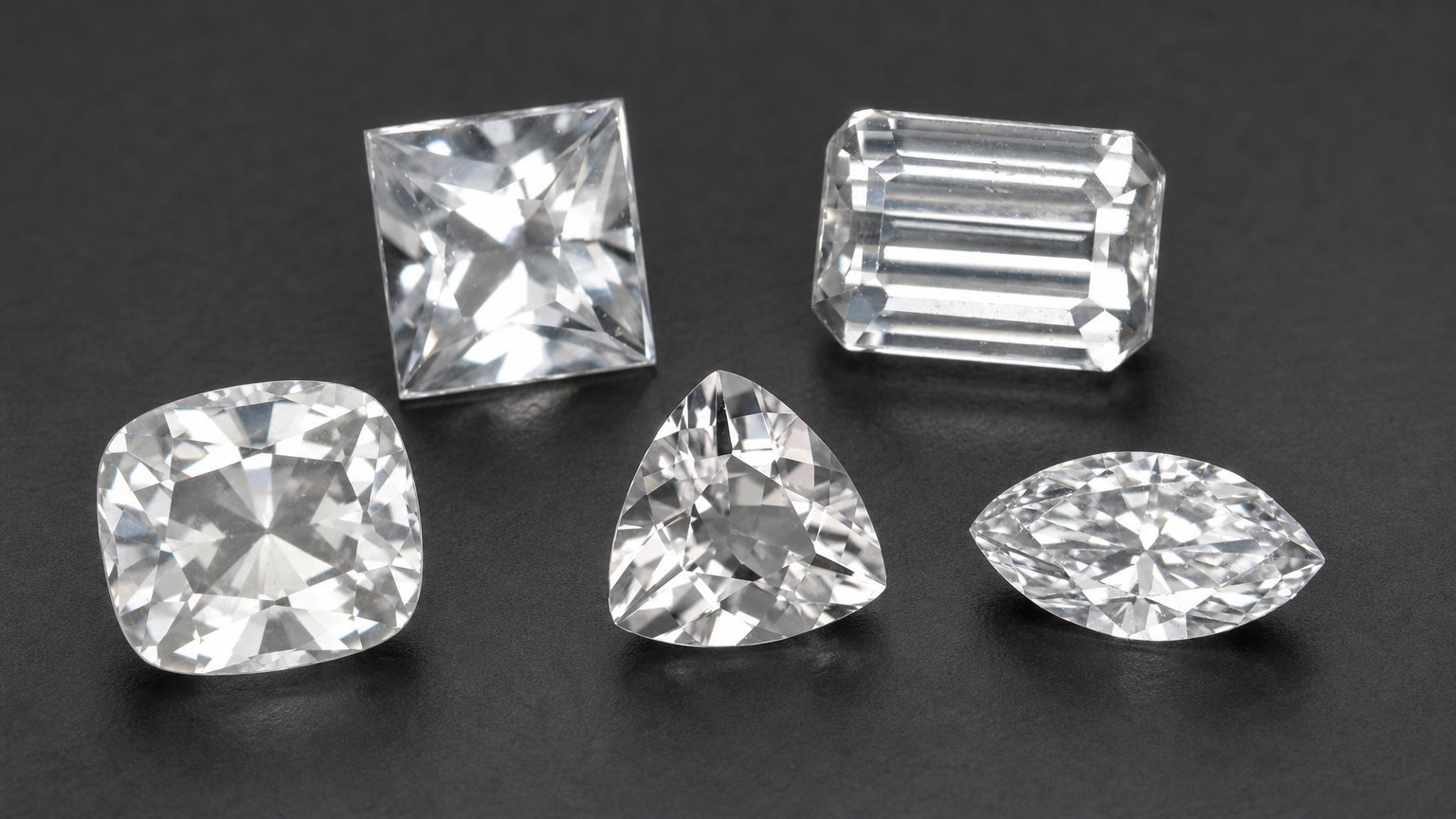
White and colorless gemstones are popular for engagement rings because they work with almost any jewelry style, metal color and accent stone. Diamond is the familiar reference point, but it is not the only natural gemstone that can create a bright, elegant center stone. White sapphire, white zircon, white topaz, colorless spinel, goshenite and rock crystal quartz each offer a different balance of durability, sparkle, size and value.
This guide focuses on natural loose gemstones suitable for engagement-ring design. It is not a guide to synthetic diamond, cubic zirconia, moissanite or other manufactured diamond alternatives. Those materials have their own place in jewelry, but the gemstones discussed here are natural gem species with their own appearance and performance.
What Does "White" Mean in Gemstones?
In jewelry descriptions, "white" can mean several different things. A gemstone may be completely colorless, near-colorless, slightly gray, slightly warm or yellowish, icy white, translucent, or milky white. For conventional faceted engagement rings, most buyers are looking for transparent colorless or near-colorless stones because transparency and light return create the bright appearance associated with white gemstone rings.
Opaque or translucent white gemstones can be beautiful in cabochons, vintage-style rings and artistic settings, but they do not create the same faceted sparkle as transparent stones. When comparing loose gems online, look at the actual photos, videos where available, transparency, clarity and millimeter size rather than relying only on the color name.
Brilliance, Fire and Why Cut Matters So Much
White gemstones are judged heavily by sparkle because there is little body color to draw the eye. Two terms are especially useful:
- Brilliance is the return of white light from the gemstone. A bright, lively stone has good brilliance.
- Fire is the rainbow-like flashes caused by dispersion, where white light separates into spectral colors.
A gemstone can be brilliant without showing strong fire, or it can show noticeable fire when well cut and viewed in the right lighting. Cutting quality is critical in colorless gems. Proportions, symmetry, polish, pavilion depth, transparency and facet placement all affect how much light returns to the eye. A well-cut white sapphire or zircon can be far more attractive than a poorly cut stone of the same species and carat weight.
Durability: Hardness Is Only Part of the Story
Mohs hardness describes scratch resistance, not overall toughness. Engagement rings are exposed to daily knocks, door handles, desk edges, cleaning products and accidental impacts. A gemstone's durability also depends on cleavage, brittleness, facet-edge wear and how protected it is in the setting.
For example, sapphire is very hard and has no cleavage, making it one of the more practical natural white gemstones for frequent wear. Topaz has good hardness but perfect cleavage, so it can split if struck in the wrong direction. Zircon can be very lively optically, but it is more brittle and may show facet-edge wear in rings if worn roughly. This is why gemstone choice and setting design should be considered together.
Natural White Gemstones for Engagement Rings: Practical Comparison
| Gemstone | Typical appearance | Mohs hardness | Everyday wear suitability | Brilliance and fire | Value and size notes | Durability concerns | Setting suggestions |
|---|---|---|---|---|---|---|---|
| White Sapphire | Transparent colorless to near-colorless; may appear icy, silvery or slightly gray depending on cut and lighting. | 9 | Very good for frequent wear when properly set. | Good brilliance; fire is generally more restrained than diamond or zircon. | Often chosen for durability and natural colorless appearance. | No cleavage; still needs protection from hard impacts. | Solitaire, halo, three-stone and most classic engagement-ring styles. |
| White Zircon | Bright, transparent and often lively; well-cut stones can show strong sparkle and rainbow flashes. | 6.5 to 7.5 | Suitable with care; less forgiving than sapphire in daily rings. | High brilliance and strong dispersion for a natural gemstone. | Can offer impressive visual sparkle among natural white gems. | More brittle; facet edges can abrade or chip with rough wear. | Protective prongs, bezels, halos or designs that shield exposed edges. |
| White Topaz | Clear, clean and glassy; often selected for larger center-stone designs. | 8 | Possible, but better for careful wear than hard daily use. | Moderate brilliance; less fire than zircon or diamond. | Known as an accessible option for larger natural center stones. | Perfect cleavage increases risk from impact. | Bezel or low-profile settings; avoid highly exposed designs. |
| Colorless Spinel | Crisp, transparent and unusual; genuinely colorless natural spinel is less commonly encountered than many colored spinels. | 8 | Good with sensible care. | Good brilliance; fire is present but not usually the main feature. | Interesting for buyers wanting a less common natural gemstone. | No cleavage; still avoid sharp impacts. | Solitaire, three-stone, vintage and custom designs. |
| Goshenite | Colorless beryl with a clean, understated look; related to emerald, aquamarine and morganite. | 7.5 to 8 | Moderate to good with careful setting and wear. | Restrained brilliance and low fire compared with highly dispersive gems. | Appeals to buyers who prefer subtle, natural and less conventional stones. | Beryl can be brittle; clarity and setting protection matter. | Bezel, halo or secure prong settings; good for understated designs. |
| Rock Crystal Quartz | Transparent colorless quartz; can look clean and bright when well cut. | 7 | Care-intensive for an engagement ring. | Moderate brilliance and low fire. | Accessible natural option, especially for occasional-wear or alternative rings. | Lower scratch resistance than sapphire or spinel; may show wear over time. | Protective settings; best for careful wear rather than rugged daily use. |
| Diamond | Colorless to near-colorless; the standard reference for white engagement rings. | 10 | Excellent for everyday wear. | High brilliance and notable fire when well cut. | Used here mainly as a familiar comparison point. | Very hard but not indestructible; can cleave if struck sharply. | Works in most engagement-ring settings. |
White Sapphire: Durable and Practical, but Not a Diamond Clone
White sapphire is one of the strongest natural choices for a colorless engagement ring after diamond. Corundum, the mineral family of sapphire, has a Mohs hardness of 9 and no cleavage. This gives white sapphire excellent scratch resistance and makes it well suited to frequent wear when the ring is properly made and cared for.
Its appearance should be appreciated on its own terms. White sapphire does not usually show the same balance of brilliance, fire and contrast as diamond. Many white sapphires have a softer, more silvery or icy look, with less rainbow fire. Some buyers love this clean and elegant appearance; others expecting a diamond-like visual effect may prefer a different gemstone. The best approach is to compare individual stones by photo, video, cut, clarity and face-up size.
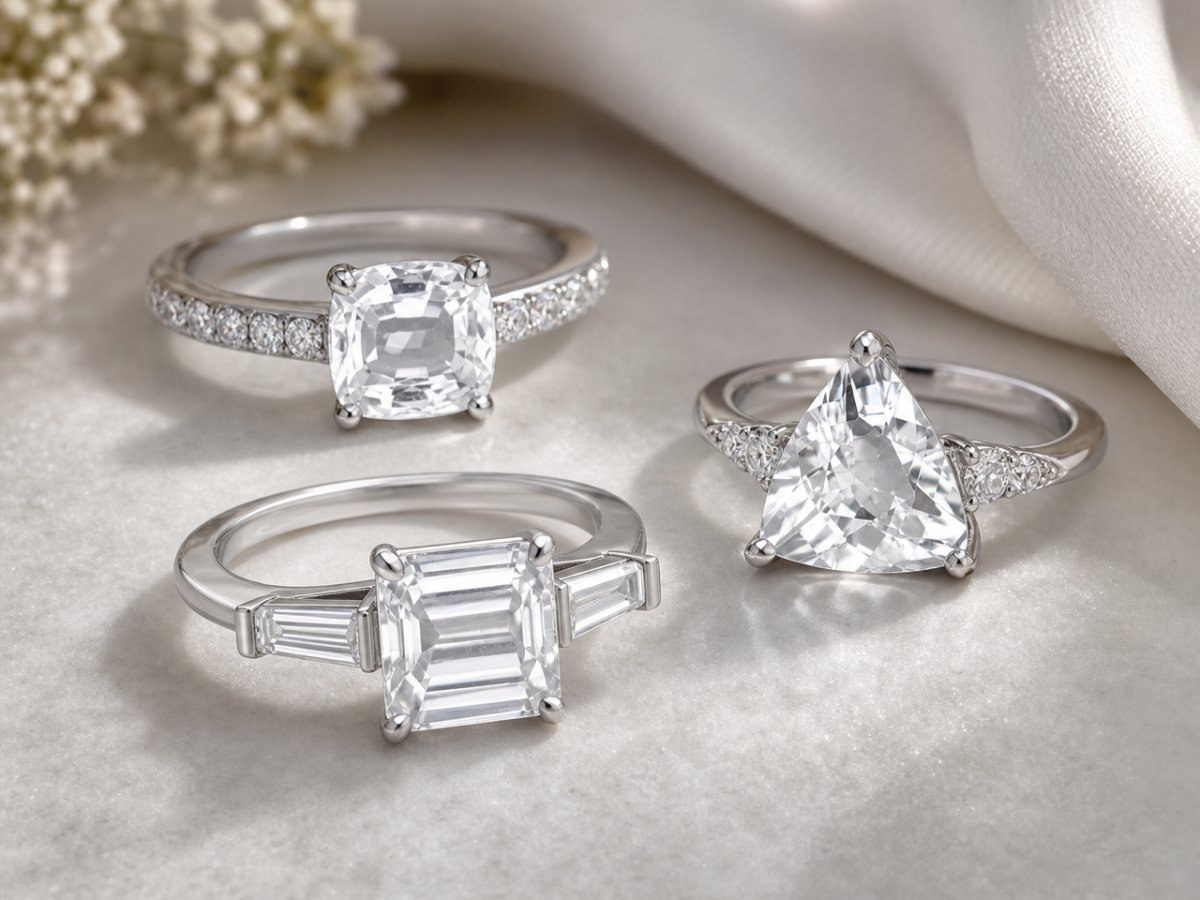
White sapphire works well in solitaires, halos, three-stone rings and rings with colored gemstone accents. A halo of smaller diamonds or white gems can add extra brightness around the center stone, while colored sapphire, ruby, spinel or garnet accents can create a more personal design.
White Zircon: Natural Fire and Brilliance with Extra Care
White zircon deserves special attention because it is often misunderstood. Natural zircon is not cubic zirconia. Cubic zirconia, or CZ, is a manufactured diamond simulant. Zircon is a natural gemstone with a long history in jewelry.
Well-cut colorless zircon can be one of the liveliest natural white gemstones. Its strong brilliance and dispersion can produce impressive white sparkle and rainbow fire. For buyers who enjoy a bright, fiery look, white zircon can be very appealing.
The trade-off is durability. Zircon is lower on the Mohs scale than sapphire and is more brittle. In rings, especially high-set or exposed rings, facet edges may abrade and chips can occur if the stone is knocked. White zircon can be used in engagement rings, but it is best for wearers who are careful with jewelry or for designs that protect the stone with a bezel, halo, lower profile or secure prong arrangement.
White Sapphire vs White Zircon
White sapphire and white zircon are both natural colorless gemstone options, but they serve different priorities. White sapphire is the better fit when durability and daily practicality are most important. It is harder, has no cleavage and is generally more forgiving in an engagement ring.
White zircon is the stronger choice for buyers who prioritize fire and lively optical performance in a natural gemstone. It can look more fiery than white sapphire, but it requires more care because of brittleness and potential facet-edge wear. Neither gemstone is universally better; the right choice depends on whether the ring is intended for rugged daily use, careful daily wear, occasional wear, or a specific visual style.
White Topaz, Colorless Spinel, Goshenite and Rock Crystal Quartz
White Topaz
White topaz is a natural gemstone often considered when buyers want a clear, affordable-looking center stone with generous size. It has good hardness at 8 on the Mohs scale, but hardness does not remove its main concern: topaz has perfect cleavage. A sharp blow can damage the stone, so protective settings and careful wear are important. White topaz is best for buyers who like a larger, clean center stone and understand that it needs more care than sapphire.
Colorless Spinel
Colorless spinel is a less common and interesting choice. Spinel has Mohs hardness of 8 and no cleavage, giving it good practical qualities for jewelry. Genuinely colorless natural spinel is much less commonly encountered than many colored spinels, so selection may depend on current availability. It is a good option for buyers who want a durable, natural and unusual gemstone rather than a mainstream white center stone.
Goshenite
Goshenite is the colorless variety of beryl, the same mineral family that includes emerald, aquamarine and morganite. Its appeal is clean, understated and natural rather than highly fiery. Goshenite has a more restrained optical performance than zircon or diamond, making it suitable for minimalist, vintage-inspired or soft-looking designs. Because beryl can be brittle, setting protection and clarity should be considered carefully.
Rock Crystal Quartz
Rock crystal quartz is an accessible natural colorless gemstone. It can be attractive in faceted designs, especially for alternative or symbolic rings, but its Mohs hardness of 7 makes it more vulnerable to scratches and wear than sapphire, spinel or topaz. For an engagement ring worn every day for many years, quartz is a more care-intensive choice and benefits from protective settings.
Natural White Gemstones vs Diamond
Diamond remains the reference point for colorless engagement rings because it combines Mohs hardness 10 with high brilliance and fire when well cut. However, viewing every white gemstone as a "diamond substitute" is not the best way to choose. White sapphire, zircon, topaz, spinel and goshenite are distinct natural gem species with different optical personalities.
A white sapphire may offer excellent wearability and a calm, icy appearance. White zircon may offer more visible fire but less toughness for daily wear. Colorless spinel may appeal because it is uncommon and practical. Goshenite may suit someone who wants quiet elegance rather than maximum sparkle. The most satisfying choice is the gemstone whose natural character matches the wearer's lifestyle and design preference.
Gemstone Size and Visual Presence
Equal carat weights do not always look equal in a ring. Carat is weight, not visible diameter. Specific gravity, cutting style, depth and proportions all influence face-up size. A deep-cut one-carat gemstone may look smaller from the top than a shallower stone of the same weight, while different gem species have different densities.
When choosing a loose white gemstone for an engagement ring, compare the actual millimeter dimensions, not just carat weight. This is especially important if the stone must fit a pre-made setting or a design with a halo, side stones or calibrated proportions. GemSelect listings include measurements so buyers can compare the real face-up presence of individual stones.
Best Ring Settings for White Gemstones
Solitaire rings place full attention on the center stone, so cut quality, symmetry and clarity are especially important. White sapphire and diamond are practical choices for classic solitaires; zircon, topaz, goshenite and quartz should be set with protection if worn often.
Halo settings add extra brightness and can protect the edge of the center stone. They are useful for white zircon, topaz, goshenite and quartz, and they can make a modest-size center stone appear more substantial.
Bezel settings surround the gemstone rim with metal. This is one of the best choices for stones with greater care requirements, such as zircon, topaz and quartz, because it helps protect exposed edges.
Three-stone rings work well with white center stones and colored side stones, or with colored centers and white accents. White sapphire and spinel are practical options for many three-stone designs.
Vintage-inspired and cluster rings can soften the appearance of colorless gems and add visual detail. They are particularly effective with zircon's fire, sapphire's icy look or goshenite's understated character.
Colored gemstone accents can make a white center stone look more personal. Blue sapphire, ruby, garnet, spinel, tourmaline or other colored accents create contrast while the white center stone keeps the ring versatile.
Metal Choices for White Engagement-Ring Stones
Platinum gives a cool, durable white-metal appearance and can emphasize an icy colorless look. White gold creates a classic colorless engagement-ring combination and is widely used for diamond and white gemstone designs.
Yellow gold creates intentional warmth around a colorless center stone. This can make a near-colorless gem look softer and more antique-inspired. Rose gold offers a gentler contrast, adding warmth without the stronger yellow tone. White metals tend to reinforce a crisp, cool appearance, while yellow and rose gold create deliberate contrast around the gemstone.
Which White Gemstone Is Best for an Engagement Ring?
There is no single best white gemstone for every engagement ring. The best choice depends on the wearer's priorities:
- Maximum durability besides diamond: white sapphire is usually the most practical natural colorless option for frequent engagement-ring wear.
- High brilliance and fire: white zircon can be outstanding among natural white gems, but it needs more care.
- Affordable larger center stone: white topaz is often considered for size and clear appearance, provided the design protects it from impact.
- Unusual natural gemstone: colorless spinel is a distinctive choice with good hardness and no cleavage.
- Understated appearance: goshenite offers clean, quiet elegance without strong fire.
- Accessible natural option for careful wear: rock crystal quartz can work in protective or occasional-wear designs, but it is not the most durable daily-wear choice.
Which White Gemstones Need More Care?
White zircon, white topaz, goshenite and rock crystal quartz need more care than white sapphire in engagement rings. Zircon is more brittle and may show facet-edge wear. Topaz has perfect cleavage. Goshenite, as beryl, can be brittle. Quartz is lower in hardness and can scratch more readily over time.
For these gemstones, consider bezels, halos, low-profile settings or designs that protect corners and girdle edges. Remove rings before heavy work, sports, gardening, moving furniture or using harsh chemicals. Even durable stones benefit from sensible wear habits.
Keeping White Gemstones Bright
Transparent white gemstones show dirt quickly because sparkle is a major part of their appeal. Oils from skin, soap residue, lotion and everyday dust can reduce brilliance noticeably. Regular gentle cleaning with mild soap, warm water and a soft brush can help restore brightness for many stones, but always consider the gemstone and setting before cleaning. Avoid harsh chemicals and ultrasonic cleaners unless a qualified jeweler confirms they are safe for the specific gemstone and ring.
Buying Tips for Natural White Loose Gemstones
When comparing natural white gemstones, look beyond the species name. Review actual photos and videos where available, millimeter dimensions, cut quality, transparency, clarity, treatment disclosure and price. A well-cut smaller gemstone may look more attractive than a larger stone with poor light return. For engagement rings, also think about the setting before buying the loose gem, especially if the gemstone has cleavage, brittleness or lower hardness.
GemSelect offers natural loose gemstones with individual details, allowing buyers and jewelers to compare real stones rather than choosing by name or carat weight alone. For a white engagement ring, that individual comparison is especially important.
Conclusion
Natural white gemstones give engagement-ring buyers a wide range of looks, from the durability of white sapphire to the fiery brilliance of white zircon, the size potential of white topaz, the rarity of colorless spinel, the quiet clarity of goshenite and the accessibility of rock crystal quartz. The best choice is not simply the whitest or largest stone; it is the gemstone that fits the wearer's lifestyle, setting design and preferred kind of sparkle.