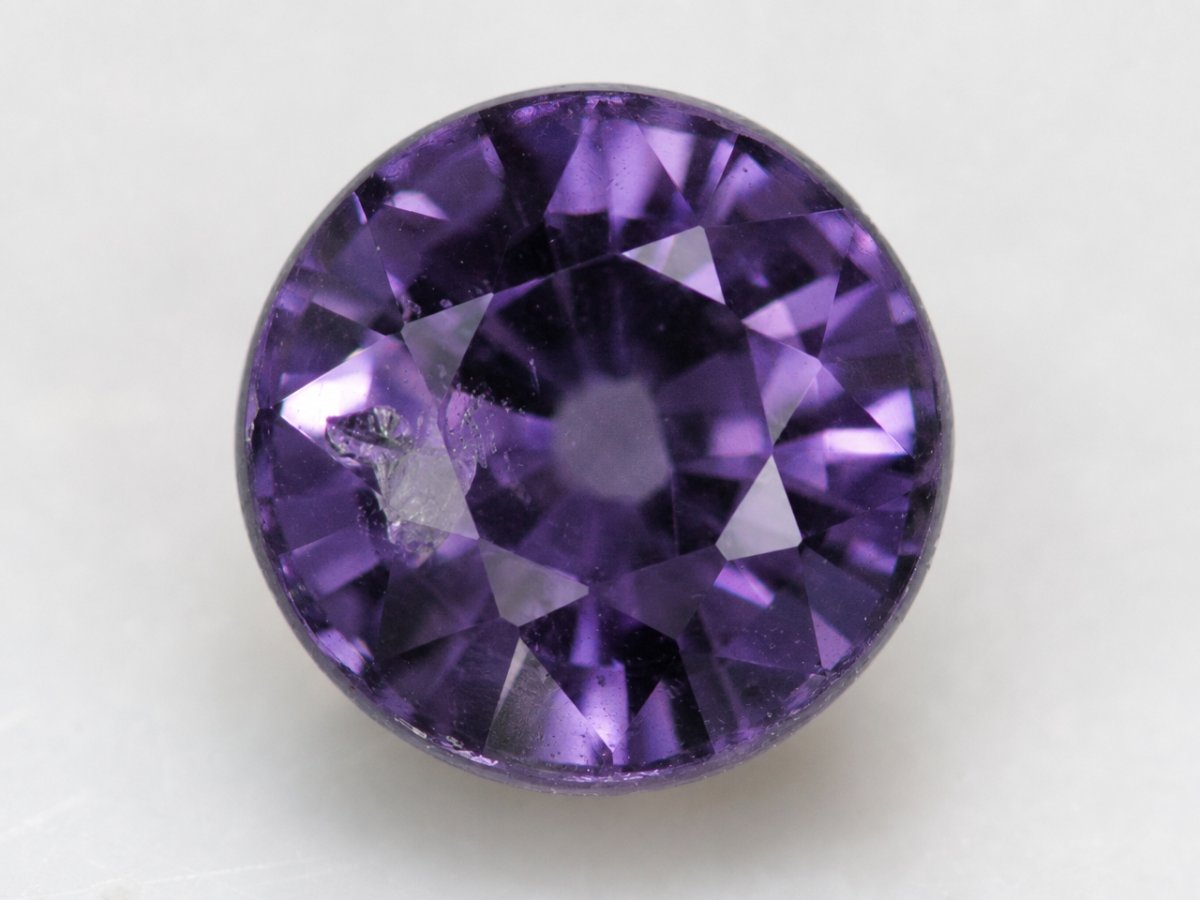


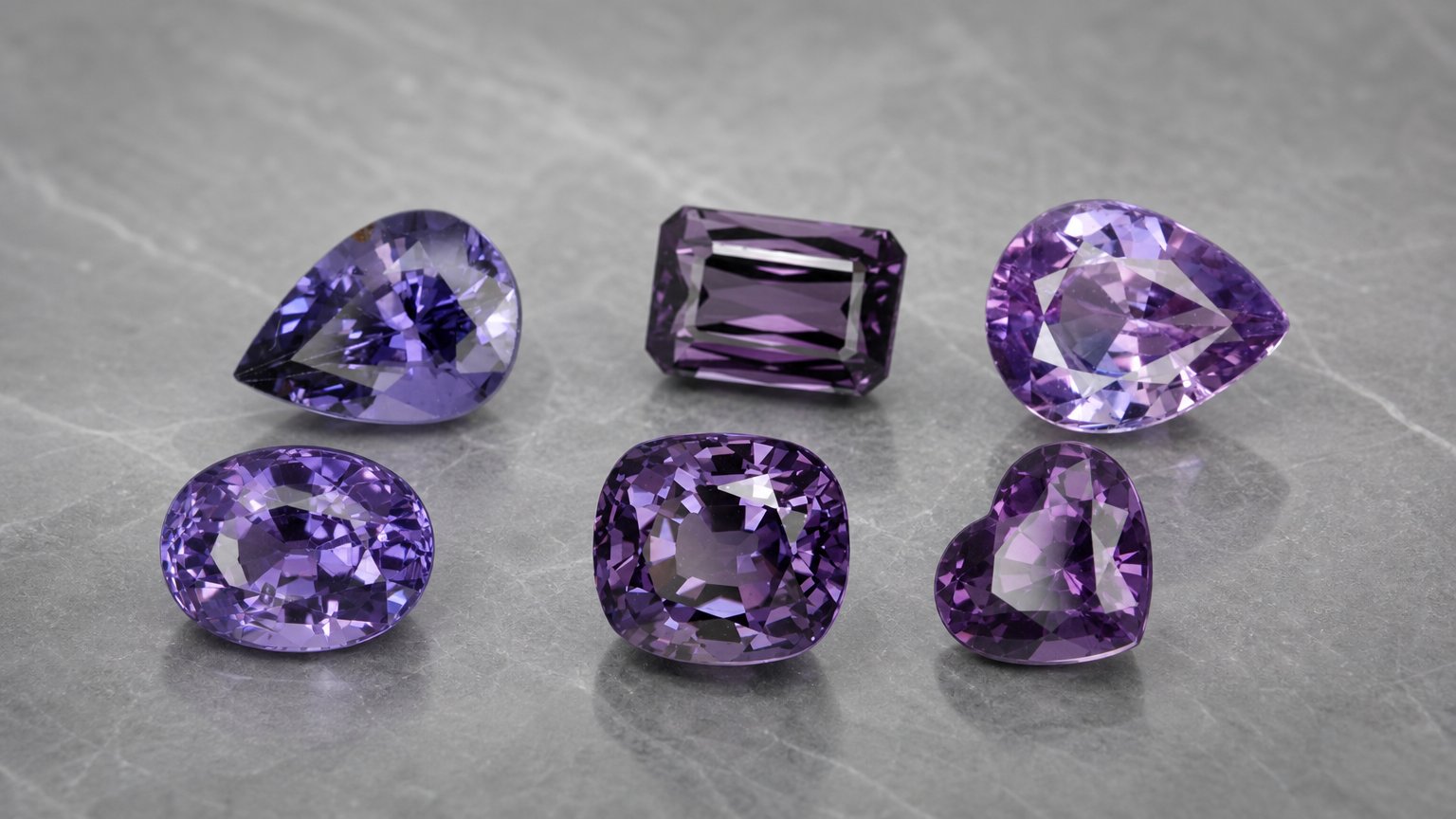
Violet spinel is a distinctive color variety of spinel valued by buyers who want a natural gemstone with an elegant purple-violet appearance, good durability and versatile jewelry potential. It is often chosen for rings and earrings, and it also works well in pendants, necklaces and collector jewelry.
This guide focuses on the practical details that matter when choosing violet spinel: color, clarity, cut, size, durability, treatment status, origin and setting suitability.
What Is Violet Spinel?
Violet spinel is a violet-colored variety of the mineral species spinel. Its chemical formula is MgAl₂O₄, and it forms in the cubic, or isometric, crystal system. Spinel is known in the gem trade as a durable jewelry gemstone, and violet spinel offers a more unusual color choice within the broader spinel family.
Spinel is also an August birthstone, making violet spinel a refined option for buyers who want an August birthstone with a cooler, more purple-toned appearance.
Color and Appearance: What to Look For
Color is the first buying consideration for violet spinel. Since this gemstone is defined by its violet color, buyers should focus on stones with an attractive, even face-up color that suits the intended jewelry design.
When comparing violet spinels, look at the stone in different lighting conditions. Some gemstones can appear slightly different under daylight, indoor lighting or jewelry store lighting. Choose the stone that looks appealing in the lighting where it will be worn most often.
Also consider the balance between color depth and brightness. A darker violet stone may look rich and sophisticated, while a lighter violet stone may appear softer and more delicate. The best choice is not only a matter of rarity or intensity; it should match the wearer's style and the design of the finished piece.
Clarity and Transparency
For faceted violet spinel, overall transparency and clean appearance are important. Buyers should check whether inclusions are obvious to the unaided eye, especially in the center of the gem where they can affect beauty.
Minor internal features are common in natural gemstones and do not necessarily make a stone undesirable. The key question is whether they distract from the color and brilliance, weaken the appearance, or interfere with the intended setting. For earrings or pendants, small inclusions may be less noticeable than in a ring viewed close-up.
Cut, Shape and Style
Most violet spinel is cut as faceted gemstones because faceting helps display brightness and color. Step cuts are also seen and can give violet spinel a more architectural, elegant look. Cabochons are another option, though less emphasized than faceted styles.
Oval shapes are especially common and practical because they suit many ring, earring and pendant designs. Cushion, pear, round and trillion shapes are also popular choices, while heart, octagon and square shapes may appeal to buyers looking for a more specific design style.
When judging cut quality, look for balanced proportions, pleasing symmetry and an attractive face-up appearance. A well-cut stone should not look overly dark in the center or noticeably uneven in outline. For matched earrings, pay close attention to size, shape and color consistency between the pair.
Durability and Everyday Wear
Violet spinel has a Mohs hardness of 8, which makes it a durable gemstone for many types of jewelry, including rings. Hardness measures resistance to scratching, not resistance to every type of damage, so normal jewelry care is still important.
Rings receive more knocks and abrasion than earrings or pendants, so protective settings are helpful for active wearers. Earrings, necklaces and pendants are generally lower-impact uses and are excellent choices for showing violet spinel with less daily wear stress.
Treatments and Buying Confidence
Violet spinel is commonly available untreated. This is an important buying point because many gemstone buyers prefer stones whose color and appearance have not been enhanced by treatment.
When buying, check the product details for treatment disclosure. A trustworthy seller should state whether the gemstone is untreated and provide key information such as weight, dimensions, shape and origin when available. GemSelect lists gemstone details clearly so buyers can compare stones with confidence.
Origins of Violet Spinel
Violet spinel is associated with several important gemstone sources, including Myanmar and Tanzania. Sri Lanka and Vietnam are also recognized origins, with Madagascar also known as a source.
Origin can be interesting for collectors, but most jewelry buyers should first prioritize beauty, size, cut, durability and treatment disclosure. A stone from a well-known source is not automatically the best choice for every design; the individual gemstone's appearance matters most.
Gemological Properties
The following properties help identify violet spinel as part of the spinel species and are useful for buyers, jewelers and collectors who want a concise technical profile.
| Property | Violet Spinel | Buying relevance |
|---|---|---|
| Mineral species | Spinel | Confirms it belongs to the spinel gemstone family. |
| Chemical formula | MgAl₂O₄ | Useful for gemological identification. |
| Crystal system | Cubic / isometric | Part of spinel's identifying gemological profile. |
| Mohs hardness | 8 | Good durability for rings, earrings and pendants with proper care. |
| Refractive index | 1.712-1.736 | Helps gemologists separate spinel from other gemstones. |
| Specific gravity | 3.58-4.06 | Another useful identification characteristic. |
Best Jewelry Uses for Violet Spinel
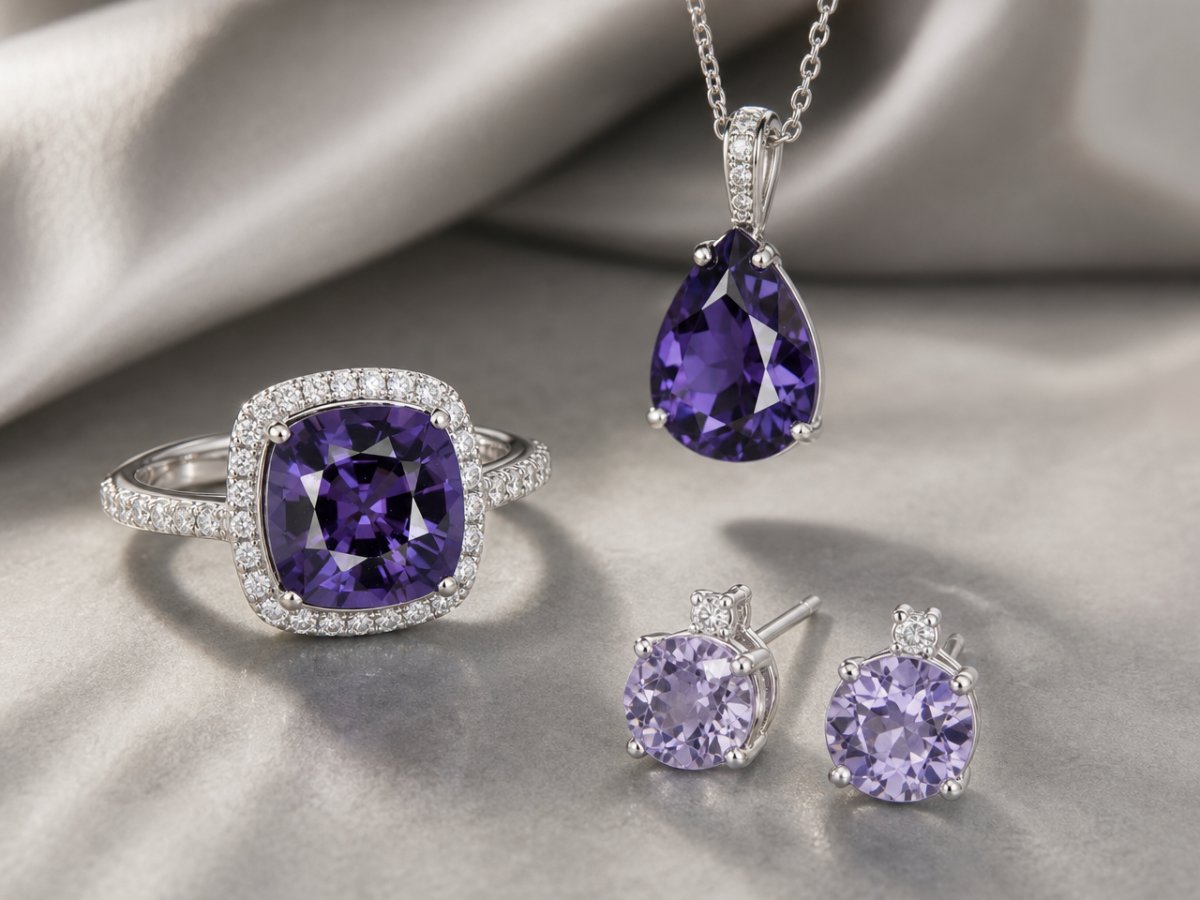
Violet spinel is suitable for a wide range of jewelry. Rings and earrings are especially popular choices. In rings, the gemstone's Mohs hardness of 8 is a strong advantage, though protective designs are still recommended for everyday wear. In earrings, violet spinel can show color beautifully while being less exposed to impact.
Pendants and necklaces are also excellent options, particularly for buyers who want a visible center stone without the wear demands of a ring. Bracelets and brooches are possible uses as well, but bracelets are more exposed to knocks, so secure settings and careful wear are important.
How to Choose Violet Spinel
For rings
Choose a stone with good face-up color, a secure cut and a shape that suits the setting. Oval, cushion and round shapes are versatile ring choices. If the ring will be worn often, consider settings that protect the edges and points of pear, trillion or heart shapes.
For earrings
Focus on matching. The two stones should have similar violet color, size, shape and overall brightness. Slight clarity differences may be acceptable if they are not visible when worn.
For pendants and necklaces
You can prioritize color and size because pendants are usually viewed from a little distance and are less likely to receive hard knocks. Pear, oval and cushion shapes can work especially well in pendant designs.
For collectors
Collectors may pay closer attention to origin, untreated status, shape and the overall individuality of the stone. Myanmar, Tanzania, Sri Lanka, Vietnam and Madagascar are all relevant origins to consider when such information is available.
Practical Buying Checklist
- Color: Select a violet tone that looks attractive in real viewing conditions.
- Cut: Look for balanced proportions, good symmetry and lively face-up appearance.
- Clarity: Avoid inclusions that are distracting or obvious in the center of the stone.
- Shape: Oval is highly versatile; cushion, pear, round and trillion shapes offer different design options.
- Treatment: Confirm whether the stone is untreated.
- Durability: Mohs hardness 8 makes violet spinel practical for many jewelry styles.
- Origin: Consider origin as an added point of interest, but do not choose origin over beauty and suitability.
Conclusion
Violet spinel is a practical and attractive choice for buyers who want a durable gemstone with a distinctive violet color. Its untreated availability, Mohs hardness of 8 and broad jewelry versatility make it suitable for rings, earrings, pendants and collector pieces. For the best purchase, focus on the individual stone's color, cut, clarity, size, treatment disclosure and suitability for the intended setting.