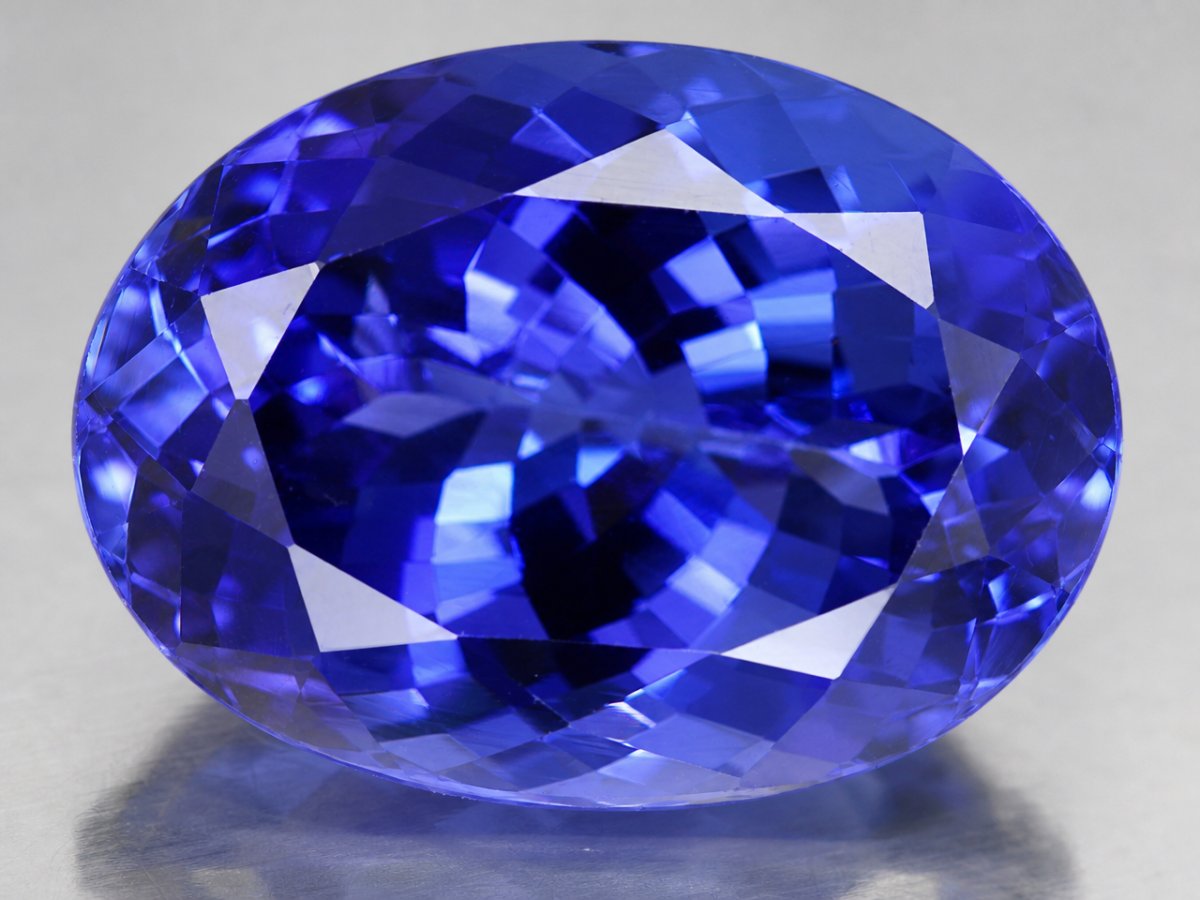


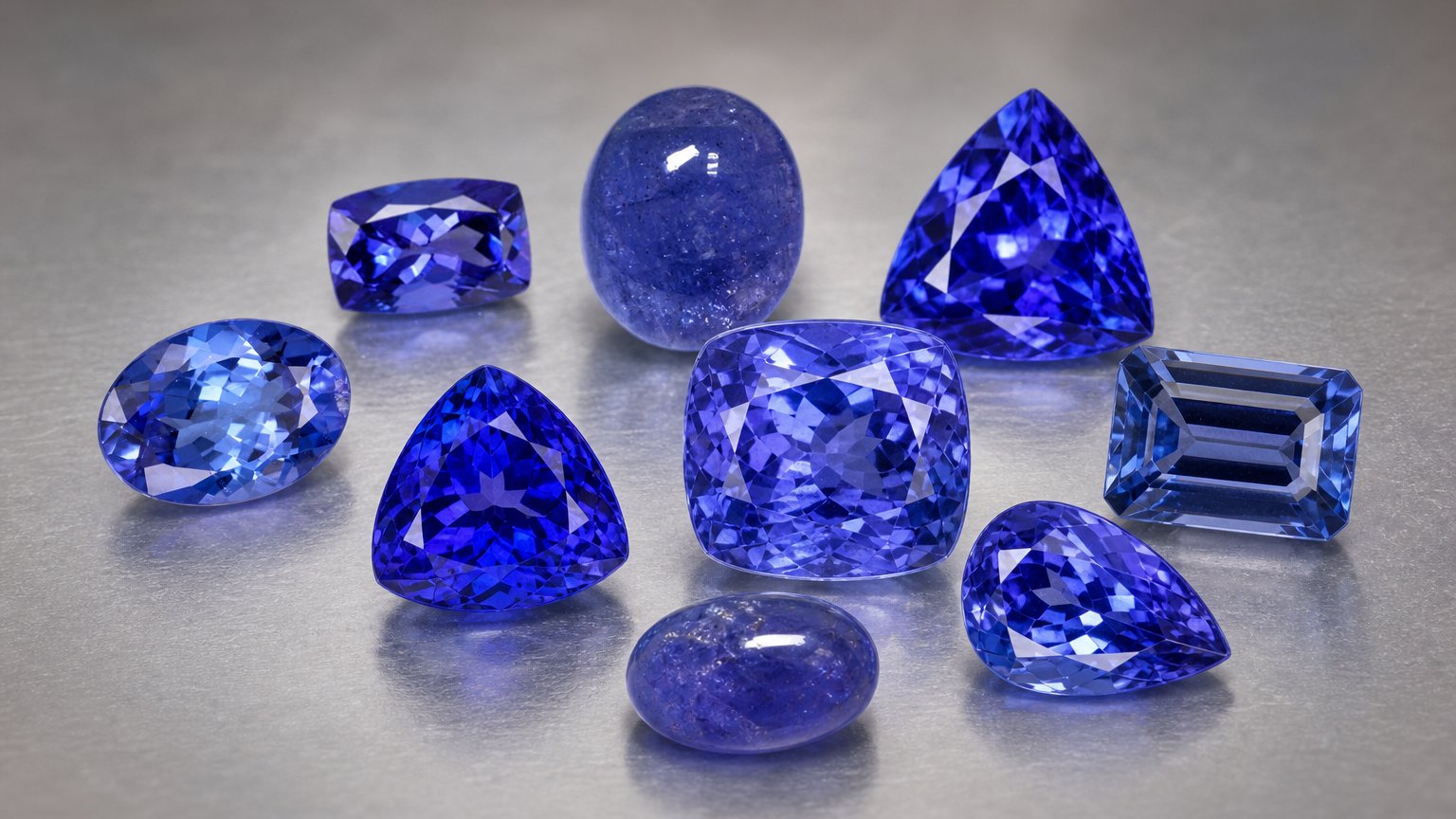
Tanzanite is a gemstone strongly identified with color, place and modern symbolism. Its best-known appearance is a rich blue often touched with violet, and its most important origin is Tanzania. For many gemstone buyers and collectors, that combination gives tanzanite a distinctive personality: elegant, contemporary and closely connected to a single geographic identity.
As a meaning and history guide, this article focuses on what tanzanite has come to represent, how its Tanzanian association shapes its cultural significance, and why its role as a December birthstone gives it special meaning for personal gifts. Where symbolism is discussed, it should be understood as tradition, interpretation or modern belief rather than scientific fact.
What Does Tanzanite Mean?
Tanzanite is most often associated with refined beauty, individuality and a sense of depth. These meanings are closely tied to its blue and violet colors. Blue gems have long been appreciated for their calm visual character, while violet tones are often linked in modern symbolism with imagination, dignity and spiritual reflection. In tanzanite, the two color families meet in a way that feels both serene and expressive.
Because tanzanite is so closely associated with Tanzania, it also carries a strong sense of place. For some buyers, this geographic identity is part of the gemstone's emotional appeal. It is not simply a blue-violet gem; it is a gemstone whose name and identity point directly to its origin.
Today, tanzanite meaning is largely shaped by modern appreciation rather than ancient legend. It is chosen for December birthdays, meaningful gifts and jewelry that is intended to feel distinctive without relying on long-established classical traditions.
The Name and Geographic Identity of Tanzanite
The name tanzanite immediately connects the gemstone with Tanzania, its important documented origin. This geographic link is central to the gem's story and meaning. Many gemstones are known from several parts of the world, but tanzanite's identity is especially place-based in popular understanding.
For gemstone enthusiasts, a place-connected name can make a gem feel more specific and memorable. Tanzanite does not have a name based only on color or mineral appearance; it carries the identity of a country. This gives the stone a cultural and geographic character that is easy for buyers to understand.
GemSelect customers often look at tanzanite not only for its color, but also for this distinctive identity. A tanzanite gemstone can feel like a tangible connection to Tanzania, which helps explain why origin is such an important part of its meaning.
Color Symbolism: Blue and Violet
Tanzanite's symbolism begins with its color. The gemstone is known for blue and violet, and these colors shape how people interpret it emotionally and aesthetically.
Blue Meaning in Tanzanite
Blue is commonly associated with calmness, trust, clarity and composure. In gemstone symbolism, blue stones are often selected when the desired message is thoughtful, balanced or enduring. Tanzanite's blue appearance can therefore make it appealing for gifts that express sincerity, loyalty or quiet elegance.
These meanings are symbolic rather than scientific. The color of a gemstone does not create a guaranteed emotional or physical effect, but color symbolism has always influenced the way people choose gems for personal jewelry and ceremonial gifts.
Violet Meaning in Tanzanite
Violet adds a different dimension to tanzanite's meaning. Violet and purple tones are often associated with imagination, individuality and a sense of refinement. In tanzanite, violet can soften the coolness of blue and give the gemstone a more expressive character.
This blue-violet combination is one reason tanzanite has such a modern symbolic appeal. It can represent balance between calm and creativity, restraint and expression, tradition and personal style.
Tanzanite as a December Birthstone
Tanzanite is a birthstone for December, and this is one of its most important modern associations. Birthstones give gemstones personal meaning by linking them to a month of birth, and tanzanite's December connection makes it especially relevant for birthday gifts, family jewelry and personalized pieces.
For people born in December, tanzanite offers a birthstone option with a blue-to-violet appearance. This makes it visually distinct while still fitting comfortably within the broader tradition of cool-toned December gems. Its color can feel appropriate for the end of the year: reflective, elegant and composed.
The birthstone association is also important because it gives tanzanite a recognized place in modern gemstone culture. Even without a long ancient record of symbolic use, its December role has made it familiar to jewelry buyers and gift givers around the world.
Historical Significance and Modern Tradition
Tanzanite's historical significance is different from that of gemstones with ancient ceremonial or royal traditions. Its meaning is mainly modern, built around its Tanzanian origin, attractive blue-violet color and birthstone status.
This does not make its symbolism less important. Many gemstone traditions develop over time as people repeatedly choose a gem for certain occasions or meanings. Tanzanite has become associated with personal milestones, December birthdays and distinctive modern jewelry because buyers have embraced it in those contexts.
When discussing tanzanite history, it is important to distinguish documented facts from unsupported legend. The verified facts most central to this guide are that tanzanite is associated with Tanzania, appears in blue and violet, and is recognized as a December birthstone. Broader meanings such as elegance, individuality or calm are modern symbolic interpretations based mainly on color and use.
Cultural Significance of Tanzanite Today
Tanzanite's cultural significance comes from the way it combines place, color and contemporary identity. It is not usually discussed as an ancient religious stone or a gemstone with centuries of recorded ceremonial use. Instead, it has become meaningful through modern jewelry culture and the desire for gems with a clear identity.
For collectors, tanzanite can represent a focused geographic story. For jewelry designers, its blue-violet color provides a distinctive visual language. For gift buyers, the December birthstone association gives it personal relevance. These different forms of meaning all reinforce its place in today's gemstone market.
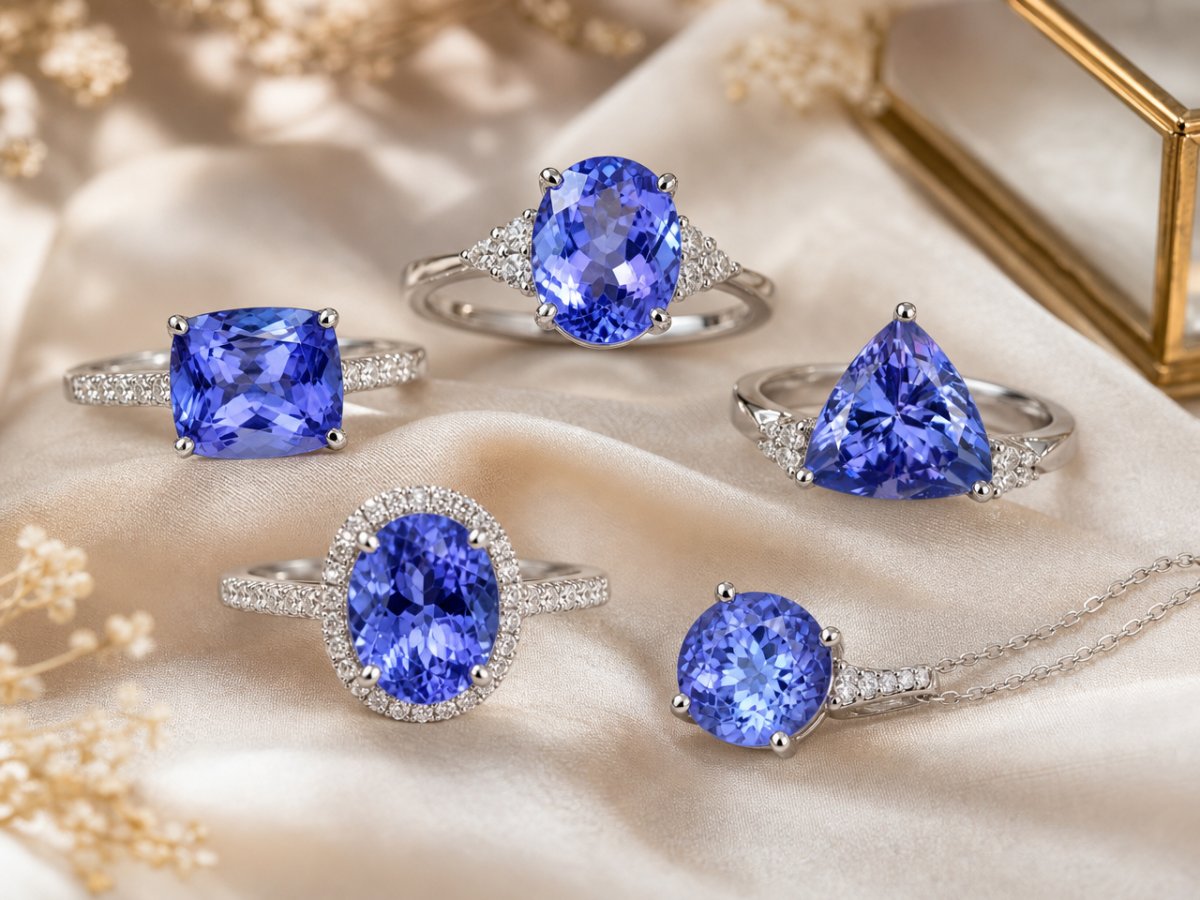
The gemstone's use in rings, earrings, necklaces, pendants and other jewelry also affects how its symbolism is expressed. A tanzanite ring may be chosen as a personal statement piece, while earrings or a pendant may highlight the gem's color close to the face. These are style choices rather than traditional rules, but they show how modern wearers translate gemstone meaning into everyday adornment.
Tanzanite in Personal Gifts and Milestones
Because tanzanite is a December birthstone, it is often connected with birthdays. It may also be selected for other personal milestones when the buyer wants a gemstone that feels elegant and less conventional than more historically familiar gems.
Its symbolism works especially well for gifts that emphasize individuality. The blue-violet color can suggest thoughtfulness, depth and refinement, while the Tanzanian identity gives the gemstone a memorable story. For this reason, tanzanite is often appreciated by people who want a meaningful gemstone with a contemporary character.
As with all gemstone symbolism, the most important meaning is often personal. A buyer may choose tanzanite because it is a birthstone, because of its color, because of its Tanzanian association or simply because it feels emotionally right for the recipient.
Folklore, Belief and Responsible Interpretation
Many gemstones are surrounded by folklore and metaphysical beliefs. With tanzanite, modern crystal traditions may associate the stone with calmness, insight or spiritual awareness, largely because of its blue and violet appearance. These ideas should be understood as symbolic or spiritual beliefs, not medical or scientific claims.
Gemstone meaning is best approached as cultural language. People use gems to express love, memory, identity, celebration and hope. Tanzanite can carry these meanings beautifully, but it should not be presented as a treatment or cure for any condition.
A responsible interpretation of tanzanite meaning keeps the distinction clear: its origin, color and birthstone association are factual; emotional and spiritual meanings are traditional, personal or modern symbolic interpretations.
How Tanzanite Is Viewed Today
Today, tanzanite is valued as a gemstone with a distinctive modern identity. Its appeal is not based on ancient myth, but on the strength of its color and origin story. The blue-violet appearance gives it elegance, while its Tanzanian association gives it a clear sense of place.
For many people, tanzanite represents modern sophistication. It is suitable for buyers who want a gemstone with meaning but do not necessarily want a gem defined by old legends. Its symbolism is flexible enough to suit birthdays, personal achievements, meaningful gifts and self-expression.
This flexibility is part of what makes tanzanite important in contemporary gemstone culture. It can be personal, stylish and symbolic without needing to be tied to a single ancient tradition.
Conclusion
Tanzanite meaning is built around three central ideas: blue-violet beauty, Tanzanian identity and December birthstone significance. Its symbolism is modern, elegant and personal rather than ancient or heavily mythological.
For buyers and gemstone enthusiasts, tanzanite offers a meaningful combination of color and place. It can represent calm, individuality, refinement and personal celebration, especially when chosen as a December birthstone or as a gift with a distinctive story.
Understanding tanzanite in this way helps separate fact from interpretation. Its Tanzanian origin, blue and violet colors and December birthstone status are the foundation; the deeper emotional meanings come from how people choose to give, wear and remember it.