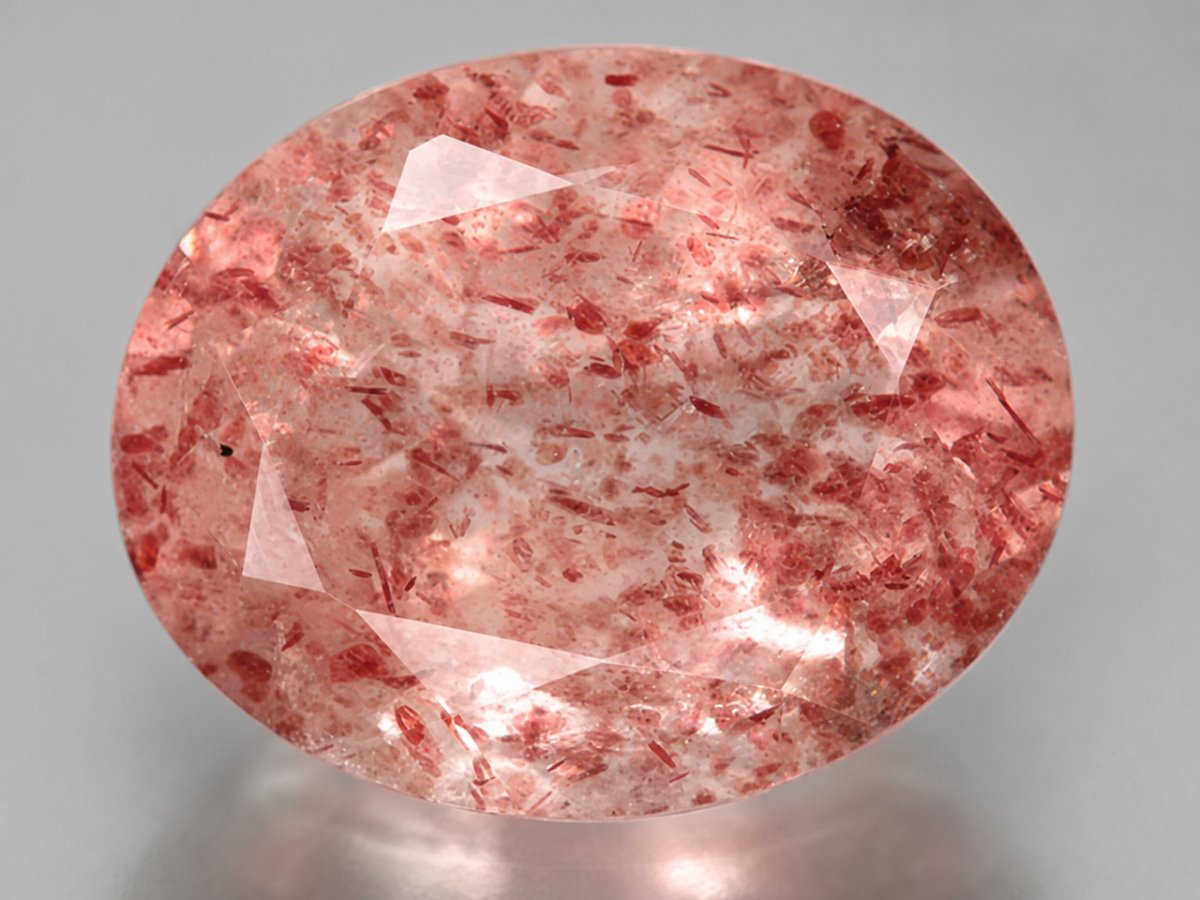


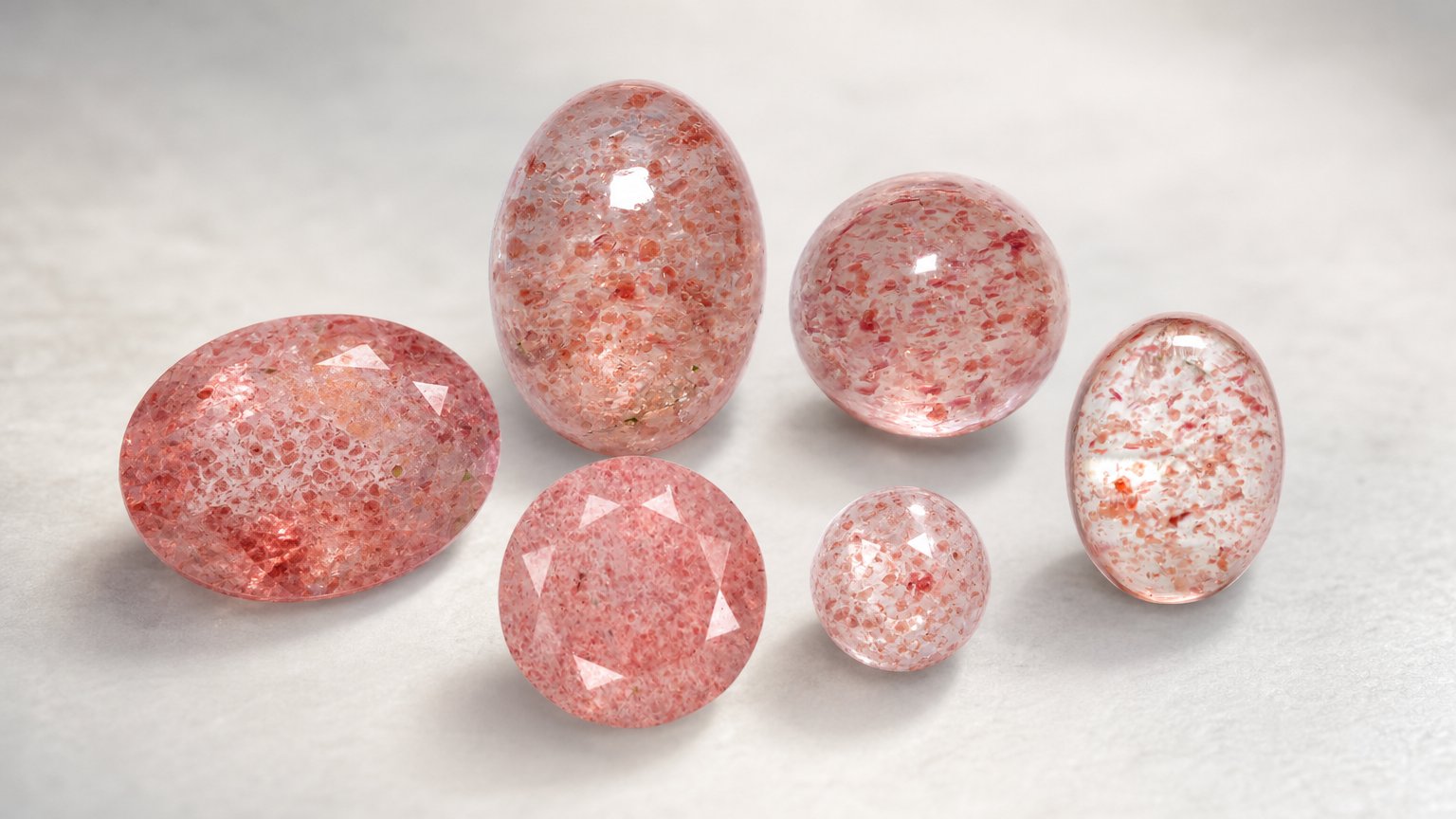
Strawberry Quartz is a pink to red variety associated with the quartz family, valued by buyers who want a warm, appealing color in a gem that is practical for many jewelry styles. Its soft berry-like appearance can suit delicate designs, contemporary settings and artisan jewelry, while its quartz identity gives it familiar gemological properties that are easy to understand before purchase.
This buying guide explains what to look for when comparing Strawberry Quartz gemstones, including color, transparency, cut, size, treatments, durability, origin and jewelry use. The goal is not to create a rigid grading system, but to help you make a confident choice based on the specific stone in front of you.
What Is Strawberry Quartz?
Strawberry Quartz is a quartz gemstone with a pink to red body color. Quartz is a major mineral species with the chemical formula SiO₂, and Strawberry Quartz shares the practical characteristics that make quartz popular in jewelry: moderate-to-good hardness, attractive polish and a wide range of cutting possibilities.
For buyers, the important point is that Strawberry Quartz should be judged visually and practically. Look at whether the color pleases you, whether the cut suits the intended jewelry design, whether the stone is the right size and shape, and whether the seller provides clear treatment information. Because Strawberry Quartz is commonly listed as untreated, a transparent treatment disclosure is especially useful when comparing stones.
Color and Appearance: What Buyers Should Look For
Color is usually the first feature buyers notice in Strawberry Quartz. The verified color range is pink to red, with pink being the most characteristic color and red tones also seen. Some stones may appeal because they are soft and romantic in color, while others may be chosen for a deeper, warmer red-pink look.
Choosing a Pink or Red Tone
There is no single “correct” Strawberry Quartz color for every buyer. A lighter pink stone may work beautifully in earrings, pendants or minimal jewelry, while a more saturated pink-red gem can be more noticeable in a ring or statement pendant. When possible, compare stones under neutral lighting. Strong yellow or overly cool lighting can change how pink and red tones appear to the eye.
Color Evenness and Face-Up Appeal
When evaluating any colored gemstone, the most useful viewing position is face-up, the way the gem will appear when set in jewelry. Look for a color appearance that is attractive across the top of the stone. Some buyers prefer an even color, while others enjoy a more natural-looking appearance. The key is to inspect photographs, videos or the actual gem carefully enough to know what you are buying.
Clarity and Transparency
Clarity is best judged by how it affects beauty and use. In a buying context, ask whether any visible features distract from the stone or whether they add character. For a faceted Strawberry Quartz, clarity can influence brightness and the crispness of reflections. For a cabochon, the overall surface polish, body color and smooth visual impression may matter more than the type of internal features.
Because Strawberry Quartz is bought for color and appearance rather than a universal clarity grade, it is helpful to review enlarged images and also consider normal viewing distance. A feature that looks obvious in a magnified photo may be much less noticeable when the gem is worn.
Cut Styles and Shapes
Strawberry Quartz is available in both cabochon and faceted cuts, and these two styles create different visual effects. Cabochons have a smooth, domed top and no pavilion facets. They can emphasize body color and a soft, tactile look. Faceted stones use angled surfaces to create reflections and a more traditional gemstone sparkle.
Cabochons
A cabochon cut is a strong choice for buyers who want a smooth, classic appearance. It works well for pendants, rings and artisan jewelry where the gem’s color and shape are central to the design. When checking a cabochon, look at the symmetry of the outline, the height of the dome, the smoothness of the surface and whether the polish is pleasing.
Faceted and Step Cuts
Faceted Strawberry Quartz can offer more liveliness than a cabochon. The quality of the cutting affects how bright and balanced the stone looks. Inspect the outline, facet symmetry and overall face-up appearance. Step cuts, including octagonal styles, can give a cleaner geometric look with broad flashes rather than small, busy reflections. This can be attractive in rings and pendants where shape and structure matter.
Buff Top Cuts
A buff top cut combines a smooth domed crown with a faceted pavilion. This style can be appealing when a buyer wants the softness of a cabochon with some of the reflective effect of faceting. It is less central than standard cabochon or faceted styles, but it can be a good choice for distinctive custom jewelry.
Popular Shapes
Oval and round Strawberry Quartz are especially versatile because they are easy to use in many standard jewelry settings. Cushion, octagon and pear shapes are also practical choices, especially for pendants and rings with a more designed look. Fancy shapes, marquise, square, trillion and heart shapes may be selected when the shape itself is part of the design concept.
Size, Carat Weight and Dimensions
When buying Strawberry Quartz, consider both carat weight and millimeter dimensions. Carat weight tells you how much the gemstone weighs, but dimensions tell you how large it will appear in a setting. Because gemstones vary in depth and shape, two stones with the same carat weight can face up differently.
For rings, measure the available setting or design around the exact gem dimensions. For earrings, matching size and outline can be more important than matching carat weight exactly. For pendants and necklaces, you may have more flexibility, so the visual balance between the stone, metal and chain should guide the choice.
Specific gravity is also relevant to gem weight. Strawberry Quartz has a specific gravity of 2.65, which is the density measurement for the material. In practical buying terms, this is one reason to pay attention to dimensions instead of relying only on carat weight when comparing different gemstone types.
Origins of Strawberry Quartz
Strawberry Quartz is associated with several origins, with Brazil and Russia especially important in the verified origin profile. Madagascar is also a noted source, while China and Mexico are additional origins associated with the gem.
Origin can be interesting for collectors and for buyers who like to know where a gem comes from, but the purchase decision should still be based on the quality and appearance of the individual stone. A beautiful Strawberry Quartz from one source is not automatically better than a less attractive stone from another source simply because of geography. Evaluate color, cut, size, transparency, treatment disclosure and suitability for the intended jewelry piece.
Gemological Properties
Understanding basic gemological properties can help buyers evaluate durability and identification information. Strawberry Quartz belongs to the quartz family and has the chemical formula SiO₂. Its crystal system is trigonal. It has a refractive index of 1.544–1.553, specific gravity of 2.65 and Mohs hardness of 7.
What These Properties Mean for Buyers
Mohs hardness measures resistance to scratching. A hardness of 7 means Strawberry Quartz is durable enough for many jewelry uses, but it is not immune to wear. Harder gems and abrasive materials can scratch it, so sensible storage and care are important.
Refractive index relates to how light bends as it enters a gem. For buyers, this helps explain why cut quality matters. A well-proportioned faceted quartz gem can look brighter and more attractive than a poorly cut stone of similar color. Specific gravity relates to density and weight, which is why comparing dimensions is useful when selecting a stone for a setting.
Durability and Everyday Wear
Strawberry Quartz has a Mohs hardness of 7, making it suitable for pendants, earrings, necklaces and many ring designs. It can also be used in bracelets, although bracelets are more exposed to knocks, rubbing and contact with hard surfaces. For jewelry that will be worn frequently, protective settings and mindful care are recommended.
Rings receive more wear than pendants and earrings, so buyers should think about lifestyle and setting style. A low-profile ring or a design that protects the edges of the gemstone can be more practical than a high, exposed setting. For earrings and pendants, Strawberry Quartz is generally less likely to face heavy impact during normal wear.
Store Strawberry Quartz separately from harder gemstones to reduce the chance of scratches. Clean it with mild soap, lukewarm water and a soft cloth or soft brush. Avoid harsh chemicals and unnecessary exposure to rough handling. These simple habits help preserve polish and appearance over time.
Treatments and Disclosure
The verified treatment profile for Strawberry Quartz lists untreated material. For buyers, this means untreated Strawberry Quartz is a normal and important expectation, but you should still review the product details for each individual gemstone. Treatment disclosure is one of the most important parts of buying any colored gemstone with confidence.
When purchasing, look for clear information from the seller. If a listing says untreated, that should be stated plainly. If you are buying for a custom jewelry project, resale, collection or matching suite, keep a record of the treatment information with your invoice or gem details.
Jewelry Uses and Setting Ideas
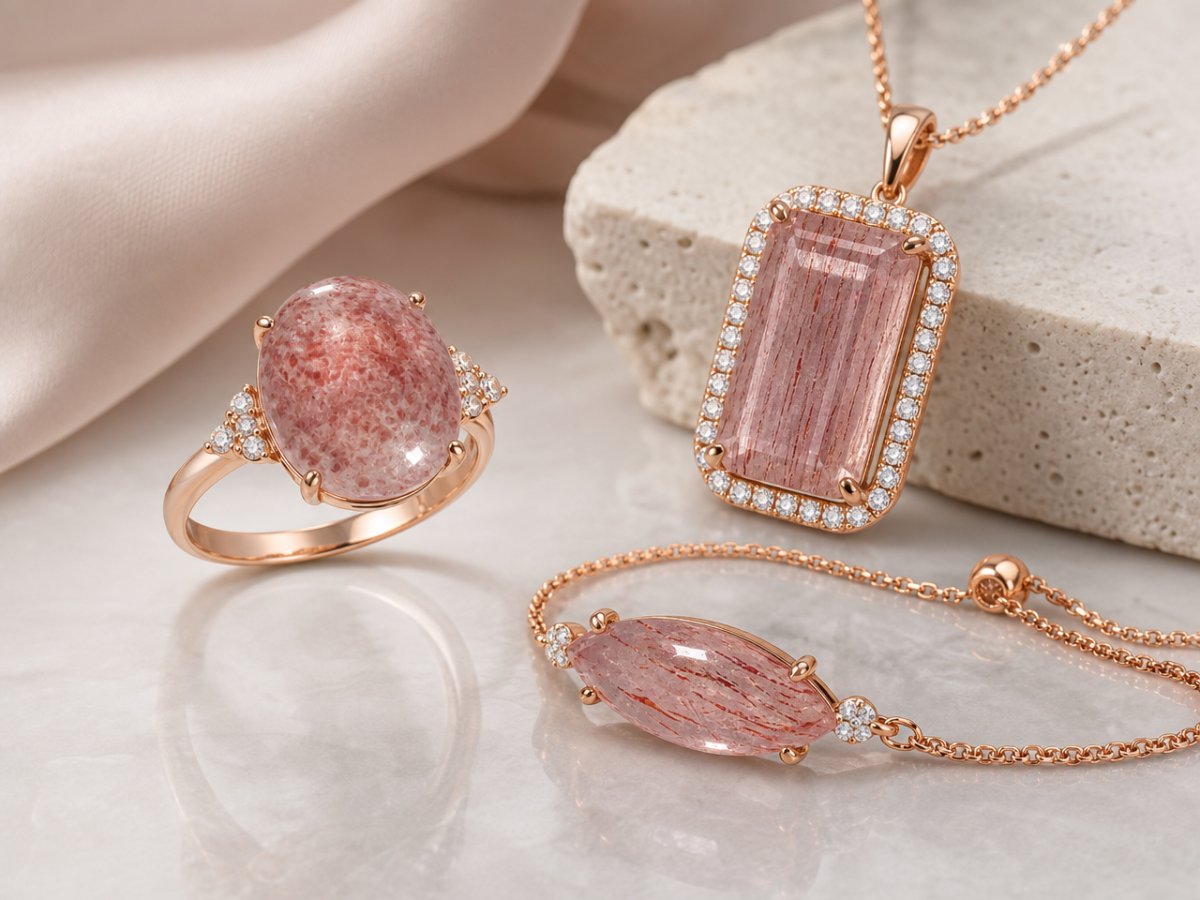
Strawberry Quartz is well suited to pendants and rings, two of its most important jewelry uses. Its pink to red color gives designers a warm focal point that can be romantic, modern or artistic depending on the setting. It is also used in artisan jewelry, earrings, necklaces and bracelets.
Pendants and Necklaces
Pendants are an excellent way to show off Strawberry Quartz because the stone is visible but not usually exposed to the same level of impact as a ring or bracelet. Oval, pear, cushion and round shapes are especially easy to adapt to pendant designs. A larger cabochon can create a smooth, understated pendant, while a faceted stone can add more brightness.
Rings
Strawberry Quartz can be used in rings, especially when the setting protects the stone and suits the wearer’s habits. If the ring will be worn often, consider designs that do not leave sharp corners or edges overly exposed. Round, oval and cushion shapes are practical, while octagon or step-cut stones can create a more architectural look.
Earrings and Artisan Jewelry
Earrings allow Strawberry Quartz color to be enjoyed with less risk of abrasion than hand jewelry. Matched rounds, ovals or pears can make attractive pairs. Artisan jewelry can take advantage of less conventional shapes, cabochons, buff tops and unique design choices where individuality is part of the appeal.
Bracelets
Bracelets can use Strawberry Quartz, but they should be chosen with care because wrist jewelry is more likely to strike hard surfaces. If you choose a Strawberry Quartz bracelet, consider settings that protect the gems and avoid wearing it during activities that may cause impact or abrasion.
How to Buy Strawberry Quartz with Confidence
A good buying decision starts with the intended use. A stone for a pendant can be selected mainly for color and face-up beauty. A stone for a ring should also be evaluated for shape, setting protection and durability in wear. A stone for earrings may need careful matching for size, color and outline.
1. Start with Color Preference
Decide whether you prefer a soft pink or a richer red-pink look. Then compare stones by how they appear face-up, not just by description. Color photographs can vary, so use multiple images or videos when available.
2. Choose the Right Cut Style
Select cabochon if you want a smooth, color-focused gem. Choose faceted if you prefer reflection and sparkle. Consider step cuts for a clean geometric look and buff tops for a mix of smooth surface and faceted light return.
3. Check Shape and Measurements
Use millimeter dimensions for setting decisions. Oval and round stones are versatile, while pear, cushion and octagon shapes can give a design more personality. For custom jewelry, provide the jeweler with exact length, width and depth when possible.
4. Review Clarity at Normal Viewing Distance
Magnified images are useful, but they should not be the only basis for judgment. Ask whether the stone looks attractive to the unaided eye and whether any visible features affect the style you want.
5. Confirm Treatment Information
Because Strawberry Quartz is commonly listed as untreated, check that the seller provides clear disclosure for the individual stone. At GemSelect, buyers can compare individual gemstone listings and review the available details before choosing a stone.
6. Match the Gem to the Jewelry Type
For pendants and earrings, you can focus strongly on beauty and design. For rings and bracelets, also consider exposure to wear. A durable gem still benefits from a protective setting and sensible care.
Common Buying Mistakes to Avoid
One common mistake is choosing by carat weight alone. Dimensions and cut depth determine how the gem will appear in jewelry. Another mistake is ignoring treatment disclosure; even when a gemstone is commonly untreated, the individual listing should be clear. Buyers should also avoid assuming that origin alone determines quality. Origin is useful information, but appearance and suitability matter most.
It is also wise not to judge a stone only by enlarged photos. Magnification helps reveal details, but jewelry is usually seen at normal distance. Balance close inspection with overall beauty.
Summary
Strawberry Quartz is a pink to red quartz gemstone that offers appealing color, versatile cutting options and practical durability for many jewelry styles. Cabochons and faceted stones are both common, with oval and round shapes especially versatile. Step cuts, pear shapes, cushions and other forms can be excellent choices when they suit the design.
Before buying, focus on the stone’s face-up color, cut quality, dimensions, clarity appearance, treatment disclosure and jewelry purpose. With a Mohs hardness of 7 and common untreated status, Strawberry Quartz can be a satisfying choice for pendants, rings, earrings, necklaces, artisan jewelry and carefully worn bracelets.