


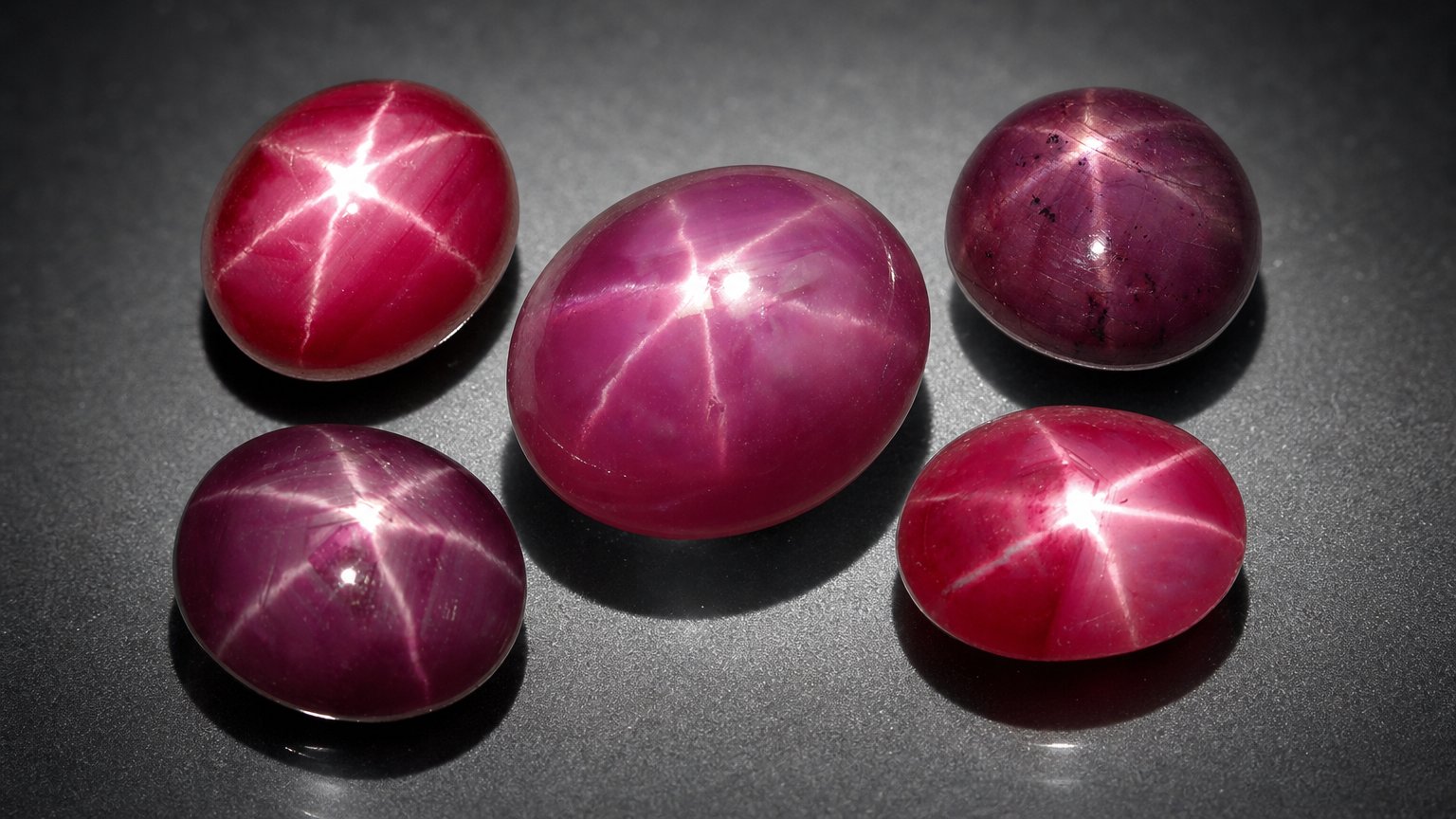
Star ruby is a distinctive variety of ruby chosen for its red body color and its star-like optical effect. For buyers, it is different from purchasing a transparent faceted ruby: the most important considerations are the quality of the star, the appeal of the red color, the cabochon cut, durability, treatment disclosure and suitability for the intended jewelry design.
This guide explains the practical points to check before buying a star ruby, whether you are selecting a single gem for a ring, matching stones for earrings, or sourcing a cabochon for a pendant or custom jewelry project.
What Is Star Ruby?
Star ruby is a variety of ruby, and ruby belongs to the corundum mineral species. Corundum has the chemical formula Al₂O₃ and a trigonal crystal system. In simple buying terms, this means star ruby shares the same mineral family as ruby and is known for excellent hardness and strong jewelry potential.
The feature that separates star ruby from ordinary ruby is its star effect, also called asterism. Asterism is an optical phenomenon where a star-like pattern appears on the surface of the gem when it is viewed under a direct light source. To display this effect properly, star ruby is normally cut as a cabochon rather than faceted. A cabochon has a smooth, domed top and a flat or slightly curved base, allowing the light effect to move across the surface as the stone is rotated.
Because star ruby is evaluated differently from transparent faceted ruby, buyers should not focus only on clarity or brilliance. Instead, the best purchase decision comes from balancing body color, star visibility, cut quality, treatment status and the gem's intended jewelry use.
Color and Appearance
Red Body Color
Star ruby is known for its red color. When comparing stones, look for a red body color that appears attractive to you in the type of lighting where the gem will be worn. Some stones may look deeper and more dramatic, while others may appear lighter or softer. Since star ruby is usually a cabochon, its surface appearance and color distribution are especially important.
Buyers should examine the gem from several angles. A pleasing star ruby should show a red color that works well with the star effect rather than being so dark that the star becomes difficult to see. At the same time, a stone that is too pale may not deliver the rich ruby appearance many buyers expect. Personal preference matters, especially for jewelry, but color and star visibility should be considered together.
The Star Effect
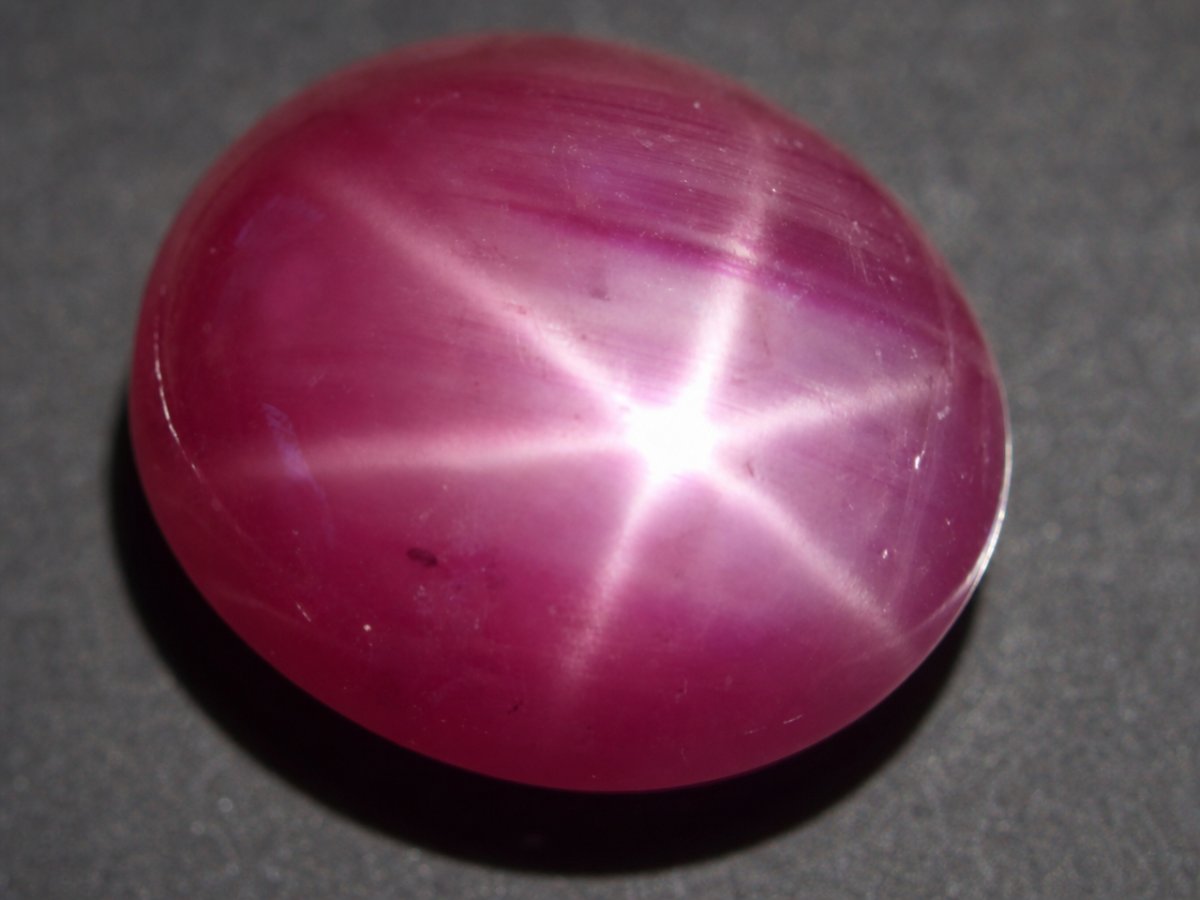
The star is the main reason many buyers choose star ruby. A practical way to evaluate it is to view the stone under a single direct light source, such as a penlight or a focused overhead light. Diffused lighting may make the star less visible, while a direct light allows the star to appear more clearly.
When inspecting the star, consider three points: visibility, position and movement. The star should be easy to see when the stone is properly lit. It is generally more attractive when it appears near the center of the cabochon, especially for rings and pendants where the stone will be viewed face-up. As the stone is moved, the star should shift across the dome, confirming that the effect is part of the gem's optical character rather than just a surface reflection.
Some star rubies show a sharp, obvious star, while others have a softer or more subtle effect. A softer star is not automatically undesirable if the body color and overall look are appealing, but buyers should know what they are choosing. Photographs and videos can be helpful, but seeing how the star reacts to light is especially useful when available.
Cut: Why Cabochon Is the Standard Choice
The common cut for star ruby is cabochon. This is not just a style choice; it is essential for showing the star effect. A faceted cut is designed to return sparkle, while a cabochon is designed to display surface phenomena such as asterism. For star ruby, the dome height, symmetry and polish all influence the final appearance.
Oval cabochons are especially common and practical because they suit rings, pendants and many classic jewelry settings. Cushion and round shapes are also popular options, offering a softer or more balanced outline depending on the design. Freeform shapes may appeal to designers who want a more individual or organic look, while pear shapes can be used for distinctive pendants or accent-focused designs.
When assessing cut, look at the cabochon from the top and side. From the top, the outline should suit the jewelry design and appear visually balanced. From the side, the dome should be high enough to show the star effect properly, but not so uneven that setting the stone becomes difficult. A smooth polish is important because scratches or uneven surfaces can distract from both the color and the star.
Clarity and Surface Features
Star ruby should not be judged by the same clarity standards used for highly transparent faceted stones. The internal features that contribute to the star effect are part of the reason the gem is cut as a cabochon. Therefore, some inclusions or internal texture can be expected.
For buyers, the practical question is whether the clarity characteristics improve the star effect, interfere with the appearance, or raise durability concerns. Avoid stones with obvious open cracks, large surface-reaching fractures or heavily damaged areas, especially if the gem is intended for a ring. Surface-reaching features can also be relevant when considering treatments, particularly fracture filling.
A good approach is to evaluate the gem at normal viewing distance first, then examine it more closely. If the stone looks attractive in the intended setting and the star is visible, minor internal characteristics may not be a problem. However, significant fractures or areas that look unstable should be considered carefully.
Origins of Star Ruby
Star ruby is associated with several important origins, including Madagascar, India, Myanmar and Thailand. Star ruby is also known from Sri Lanka, Tanzania and Vietnam. Origin can be interesting for collectors and may be included in gem descriptions when available, but it should not replace direct assessment of the stone itself.
For most buyers, the best approach is to treat origin as one part of the gem's identity rather than the only measure of desirability. Color, star quality, cut, treatment status and condition are all more immediately visible in the finished stone. If origin is important to you for collecting or design reasons, look for clear seller disclosure and any available documentation.
Gemological Properties Buyers Should Know
Star ruby's gemological properties explain why it is suitable for many types of jewelry. As corundum, it has a Mohs hardness of 9, making it one of the hardest commonly used jewelry gemstones. Its refractive index is 1.762–1.770, and its specific gravity is 4.00. These values are useful for gem identification and help gemologists separate corundum from other materials.
For everyday buyers, Mohs hardness is the most practical property to understand. Hardness measures resistance to scratching, not resistance to every type of damage. A star ruby can resist scratches well, but it can still be chipped, fractured or damaged by sharp impact, poor setting, or inappropriate handling. This distinction is important when choosing jewelry for daily wear.
Durability and Wearability
With a Mohs hardness of 9, star ruby is durable enough for many jewelry uses, including rings and pendants. This hardness is a major advantage for buyers who want a red gemstone that can be worn regularly. However, durability also depends on the individual stone's condition, the quality of the setting and any treatments present.
Rings expose gemstones to more knocks and abrasion than pendants, earrings or brooches. If you are buying a star ruby for a ring, choose a stone with good structural condition and consider a protective setting, especially if the ring will be worn often. Pendants and necklaces are usually less exposed to impact, making them excellent choices for larger cabochons or stones with a more prominent display face. Earrings can work well when matching size, shape and star appearance are considered carefully.
Cufflinks, bracelets and brooches can also use star ruby, but the design should protect the cabochon from hard knocks. Bracelets in particular are more exposed to contact with desks, doors and other surfaces, so secure setting design matters.
Treatments: What to Ask Before Buying
Treatment disclosure is one of the most important parts of buying star ruby. The treatments associated with star ruby include heat treatment and fracture filling, and untreated stones are also available. Each category should be understood clearly before purchase.
Heat Treatment
Heat treatment is commonly associated with ruby and star ruby. In gemstone buying, heat treatment is typically used to alter or improve appearance. When a star ruby is heat treated, the seller should disclose this information. Buyers should compare treated stones based on their visible qualities, including color, star effect, cut and condition.
Fracture-Filled Star Ruby
Fracture filling is a more sensitive treatment from a buying and care perspective. It involves filling fractures or openings to improve the apparent appearance of the gemstone. A fracture-filled stone may require more cautious handling and care than an untreated or simply heat-treated stone. If a stone is described as fracture-filled, ask how that affects cleaning, setting and long-term wear.
For jewelry that may receive frequent wear, especially rings, buyers should be particularly careful with heavily fractured or fracture-filled stones. Avoid harsh cleaning methods unless the seller or a qualified jeweler confirms they are safe for that specific gem.
Untreated Star Ruby
Untreated star ruby means the gem has not undergone the treatments being discussed. Some buyers prefer untreated stones, especially collectors or those who place high importance on natural condition. Even with untreated material, the same visual buying factors still apply: red color, star visibility, cabochon quality and overall condition.
Jewelry Uses and Setting Considerations
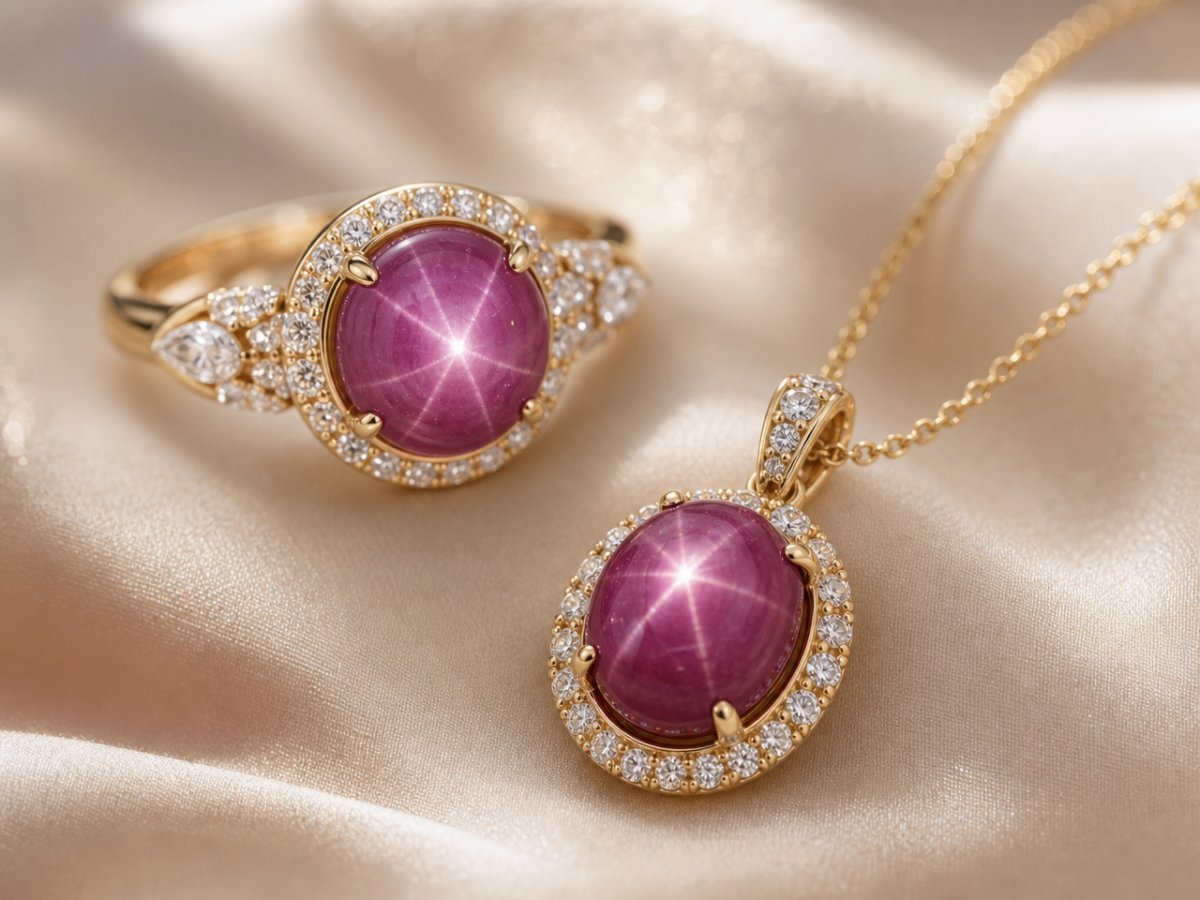
Star ruby is well suited to pendants and rings, two of its most important jewelry uses. A pendant allows the cabochon to be displayed prominently and is often a good option for stones with a strong centered star. Rings showcase the star beautifully because the wearer can easily view the moving light effect, but they require secure and protective settings.
Earrings and necklaces are also natural uses for star ruby. For earrings, matching is important. The two stones do not need to be identical, but similar size, shape, red tone and star strength will create a more harmonious pair. In necklaces, star ruby cabochons can be used as center stones or as part of a coordinated design.
Cufflinks, bracelets and brooches offer additional design possibilities. Cufflinks and brooches can be effective because they present the cabochon face-up, allowing the star to be seen. Bracelets should be designed with extra protection because wrist jewelry is more likely to encounter impact.
How to Buy Star Ruby with Confidence
1. Decide How the Gem Will Be Used
Start with the jewelry purpose. A ring needs a durable stone and secure setting. A pendant can accommodate a larger cabochon and may expose the gem to less impact. Earrings require attention to matching. Knowing the final use helps you choose the best size, shape and quality balance.
2. Evaluate the Star Under Direct Light
Ask to see the stone under a direct light source or review images and videos that show the star clearly. A star ruby should be judged in lighting that reveals its defining feature. Check whether the star is visible, pleasing and reasonably positioned on the dome.
3. Compare Color and Star Together
Do not evaluate color separately from the star effect. A very attractive red body color is important, but the star should still be visible enough to justify choosing a star ruby. Conversely, a strong star on a color you do not enjoy may not be the right stone for your jewelry.
4. Check the Cabochon Shape and Proportions
Oval cabochons are versatile, while cushion and round stones suit many traditional designs. Freeform and pear shapes can be excellent for custom work. Inspect the outline, dome and polish. The cut should support both the star and the jewelry design.
5. Ask About Treatments
Confirm whether the star ruby is heat treated, fracture-filled or untreated. Treatment status affects care expectations and may influence your buying preference. Reputable sellers should provide clear disclosure so you can make an informed decision.
6. Consider Durability for the Setting
Star ruby has excellent hardness, but the individual stone and setting still matter. For rings and bracelets, avoid vulnerable stones with significant open fractures and choose protective settings. For pendants, earrings and brooches, the gem may be less exposed but should still be securely mounted.
7. Review Measurements, Not Just Carat Weight
Cabochon gemstones can vary in dome height and depth, so carat weight alone does not tell you how large the stone will appear face-up. Compare the millimeter measurements, shape and profile to ensure the gem fits your design or existing setting.
8. Buy from a Seller That Provides Clear Descriptions
When comparing star ruby on GemSelect or from any professional gemstone seller, look for clear information on color, shape, size, treatment and origin when available. Good product details help you compare stones realistically and choose the one that best fits your project.
Care Tips After Purchase
Star ruby's hardness makes it practical for jewelry, but sensible care will help preserve its appearance. Store it separately from softer gemstones to prevent scratching them, and avoid storing multiple stones where they can rub against each other. Clean with gentle methods appropriate to the specific stone and setting, especially if fracture filling has been disclosed.
Before using ultrasonic or steam cleaning, consider treatment status and the condition of the gem. Fracture-filled stones may require more cautious cleaning. When in doubt, use mild cleaning methods and ask a qualified jeweler for advice before exposing the gem to heat, chemicals or mechanical cleaning.
Summary
Star ruby is a red corundum gemstone valued for its star effect and usually cut as a cabochon to display that phenomenon. The best buying decisions come from judging the stone as a complete gem: color, star visibility, cabochon quality, treatment disclosure, durability and jewelry purpose all matter.
For pendants and rings, star ruby can be especially striking, while earrings, necklaces, cufflinks, bracelets and brooches offer additional design options. Whether you prefer a classic oval cabochon or a more distinctive shape, choose a stone with clear disclosure and an appearance you will enjoy in real lighting conditions.
