


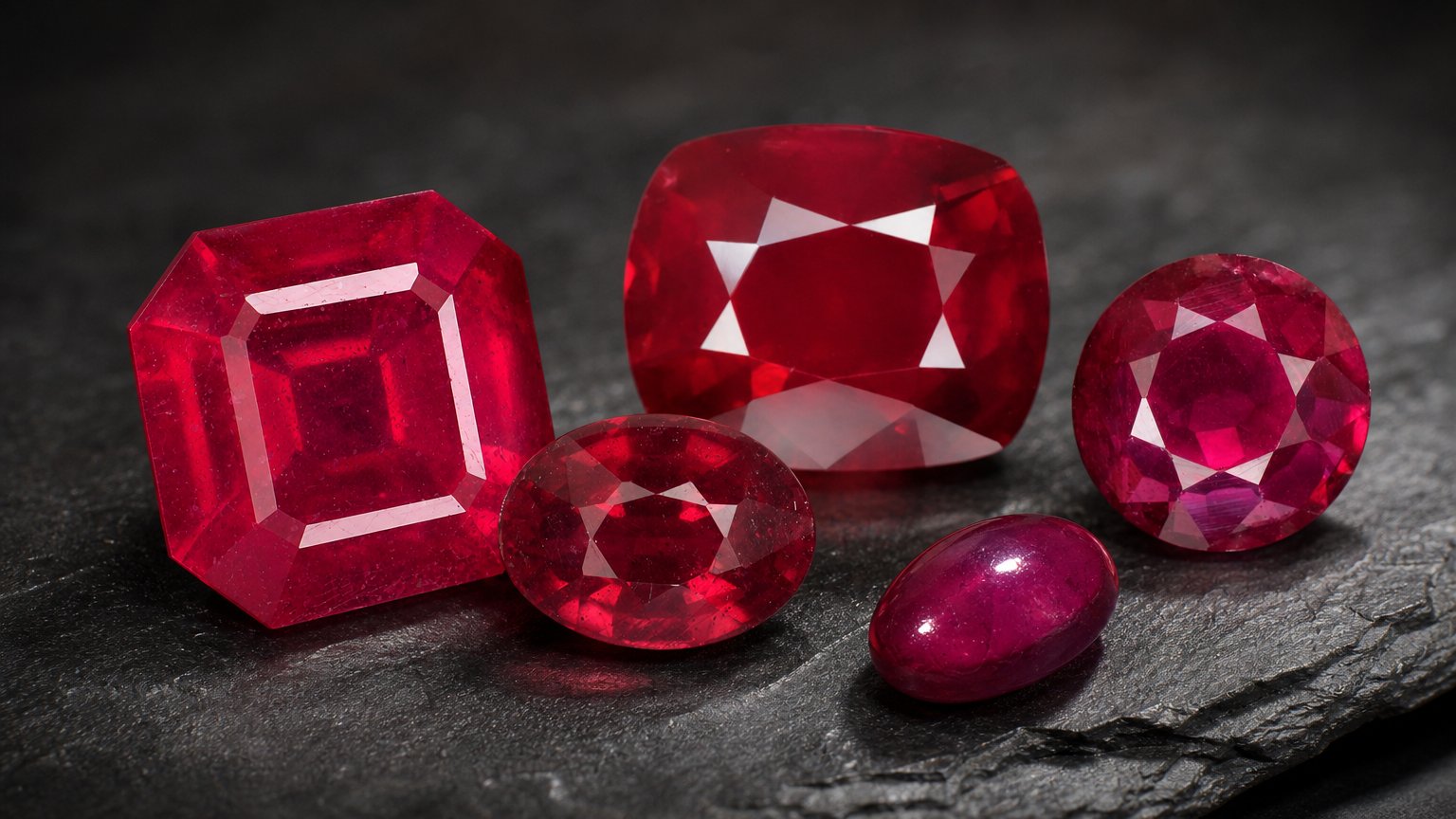
Ruby is one of the most recognizable colored gemstones, valued by buyers for its red color, strong durability and long-standing use in fine jewelry. For anyone choosing a loose ruby, the best purchase is not simply the largest stone or the deepest red stone. A confident decision comes from balancing appearance, treatment status, cut quality, size, intended jewelry use and budget.
This buying guide explains the key points to consider before purchasing a ruby gemstone. It is written for gemstone buyers, jewelers, jewelry designers and collectors who want practical guidance without unnecessary jargon. Whether you are selecting a ruby for a ring, earrings, an engagement ring, a pendant or a necklace, the same core factors matter: color, clarity, cut, treatment disclosure and suitability for the design.
What Is Ruby?
Ruby is the red variety of the mineral species corundum. Its chemical formula is Al₂O₃, and it crystallizes in the trigonal crystal system. Corundum is an important gem mineral because it combines attractive color with excellent hardness. Ruby is specifically associated with the color red, which is the defining visual feature buyers look for when comparing stones.
Ruby is also the birthstone for July, making it a popular choice for birthstone jewelry, anniversary gifts and personalized designs. Its strong red color gives it immediate visual impact in both traditional and modern jewelry styles.
Ruby Color and Appearance
Color is the first feature most buyers notice in a ruby. Because ruby is defined by its red color, your eye should be the starting point when comparing gemstones. Look at the stone in different lighting conditions if possible, and consider whether the red appears lively, balanced and appealing to you.
When evaluating ruby color, think in terms of three simple ideas: hue, tone and saturation. Hue is the basic color impression, which for ruby is red. Tone describes how light or dark the stone appears. Saturation describes the strength or intensity of the color. A ruby that looks attractive face-up, with a red color that remains pleasing in the lighting where it will be worn, is usually a better practical choice than a stone selected only from a description.
Appearance is also affected by transparency, inclusions and cutting. Some rubies are faceted to show brightness and sparkle, while others are cut as cabochons, with a smooth domed surface. Cabochon rubies often emphasize body color and a softer visual style rather than sharp brilliance. For buyers, the right appearance depends on the jewelry design and personal preference.
Ruby Origins
Ruby is known from several important sources. Madagascar, Mozambique and Myanmar are especially prominent origins for ruby in the gem trade. Tanzania is also associated with ruby, while Sri Lanka, Thailand and Vietnam are additional known sources.
Origin can be interesting to collectors and may influence how a gemstone is described, but it should be considered alongside the visible quality of the stone and any treatment information. Two rubies from the same country can look very different, and two rubies from different countries can both be beautiful and suitable for fine jewelry. For most buyers, the most useful approach is to prioritize the individual gemstone: its red color, cut, size, clarity, treatment status and how well it fits the intended design.
Ruby Gemological Properties
Understanding a few gemological properties helps buyers see why ruby is widely used in jewelry. These properties also help jewelers plan settings and identify suitable uses for a stone.
| Property | Ruby Information |
|---|---|
| Mineral species | Corundum |
| Chemical formula | Al₂O₃ |
| Crystal system | Trigonal |
| Mohs hardness | 9 |
| Refractive index | 1.762–1.770 |
| Specific gravity | 4.00 |
The Mohs hardness of 9 is one of ruby's most important practical features. The Mohs scale measures resistance to scratching, and a hardness of 9 places ruby among the harder gemstones used in jewelry. This is one reason ruby is a strong candidate for rings and other pieces that receive regular wear.
Refractive index describes how strongly a gemstone bends light. Ruby's refractive index range of 1.762–1.770 contributes to its potential for brightness when the stone is well cut. Specific gravity, listed as 4.00, relates to density and is more relevant to gemological identification than to everyday buying, but it helps explain why carat weight and physical size should not be judged in isolation.
Durability and Everyday Wear
Durability is a major reason buyers choose ruby. With a Mohs hardness of 9, ruby is suitable for many types of jewelry, including rings, earrings, necklaces, pendants and bracelets. It is also used in engagement rings, where durability is especially important because the jewelry is often worn frequently.
Hardness does not mean a gemstone is indestructible. Any gemstone can be damaged by a severe blow, poor setting design or careless handling. For rings and bracelets, which are more exposed to knocks than earrings or pendants, choose a secure setting that protects the stone appropriately. This is especially important for stones with pointed shapes, corners or surface-reaching features.
For earrings, pendants and necklaces, ruby is generally less exposed to daily impact, so buyers may have more flexibility with shape and setting style. For bracelets, consider how often the piece will be worn and whether the stones are placed where they may strike hard surfaces.
Ruby Treatments: What Buyers Should Know
Treatment disclosure is one of the most important parts of buying ruby. The main treatment categories buyers commonly encounter are heat treatment, fracture-filled ruby and untreated ruby. These categories are not the same, and they should not be compared as if they were interchangeable.
Heat-Treated Ruby
Heat treatment is a common treatment for ruby. In general gemology, heating is used to improve or modify a gemstone's appearance. When buying a heat-treated ruby, the key point is that the treatment should be clearly disclosed so you know what you are purchasing and can compare similar stones fairly.
Fracture-Filled Ruby
Fracture-filled ruby has undergone a treatment intended to affect fractures in the stone. Buyers should pay careful attention to this disclosure because fracture-filled material may require more careful consideration for jewelry use and long-term care. If you are choosing a ruby for a ring or engagement ring, discuss the setting, wear expectations and cleaning methods with the jeweler before committing to the stone.
Untreated Ruby
Untreated ruby means the stone is represented as not having undergone treatment. For buyers who place a high priority on treatment status, this category can be appealing. As with any important purchase, make sure the treatment information is clearly stated and that you understand how the untreated status fits with the stone's color, size, cut and overall appearance.
When shopping on GemSelect, review the individual gemstone details carefully. Treatment information, measurements, weight, shape and photos are all part of making a well-informed choice.
Common Ruby Cuts and Shapes
Ruby is commonly faceted, and faceted rubies are chosen when buyers want brightness, reflection and a more traditional fine-gem appearance. Faceting can include different styles, including diamond cuts and step cuts, depending on the shape and cutting goal. A diamond cut style is designed for lively brilliance, while a step cut uses rows of facets that can give a more structured, elegant appearance.
Cabochon rubies are also popular. A cabochon has a smooth, rounded top rather than flat facets. This style can be attractive for designs that emphasize color, a softer profile or a more classic gemstone look.
Among common ruby shapes, oval, round and octagon shapes are especially important. Oval rubies are versatile and work well in rings, earrings and pendants. Round rubies are useful for classic jewelry layouts, matching pairs and accent designs. Octagon shapes can give ruby a clean, geometric look that works well in rings and pendants.
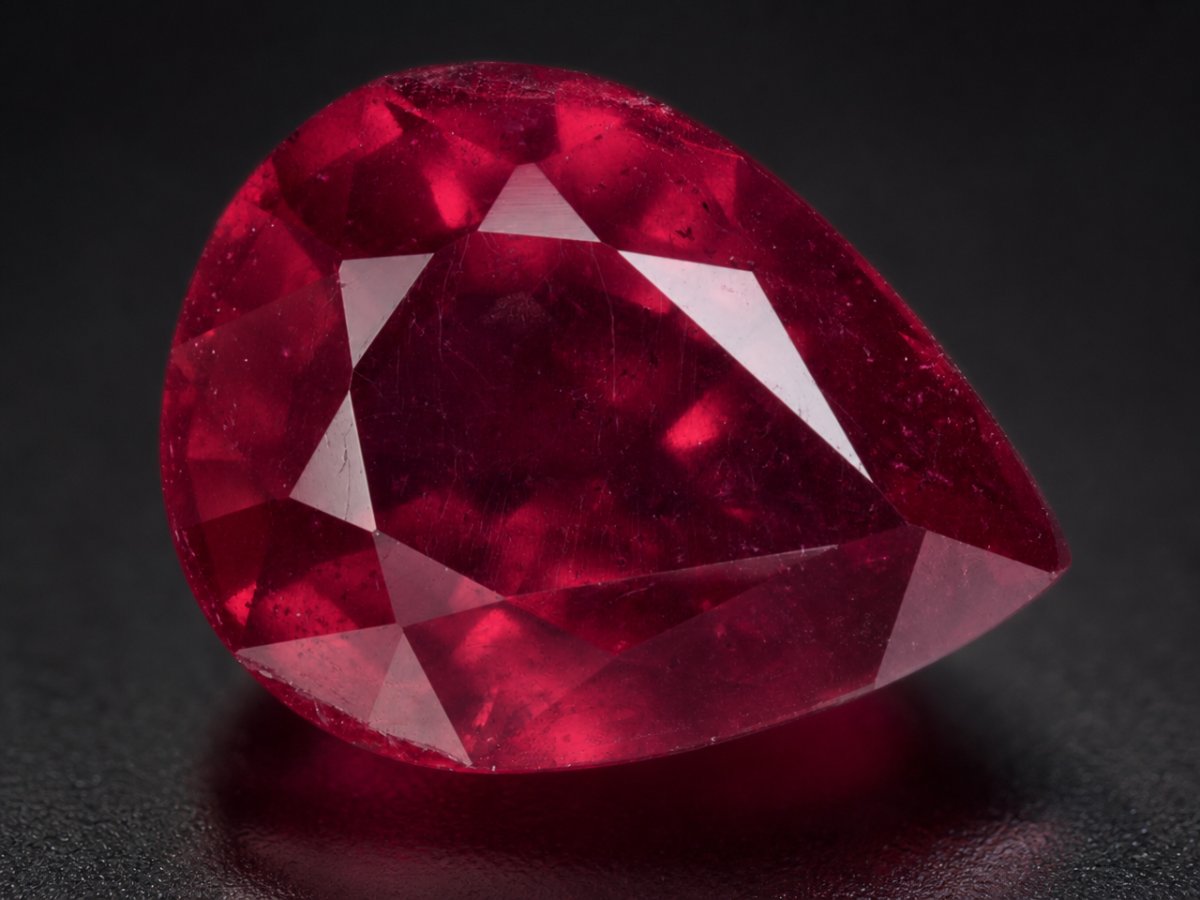
Cushion and pear shapes are also common choices. Cushion rubies offer a softened square or rectangular outline, while pear shapes create a graceful drop effect for pendants and earrings. Heart, marquise, square and trillion shapes may be selected for more specific design needs or personal style preferences.
Ruby Jewelry Uses
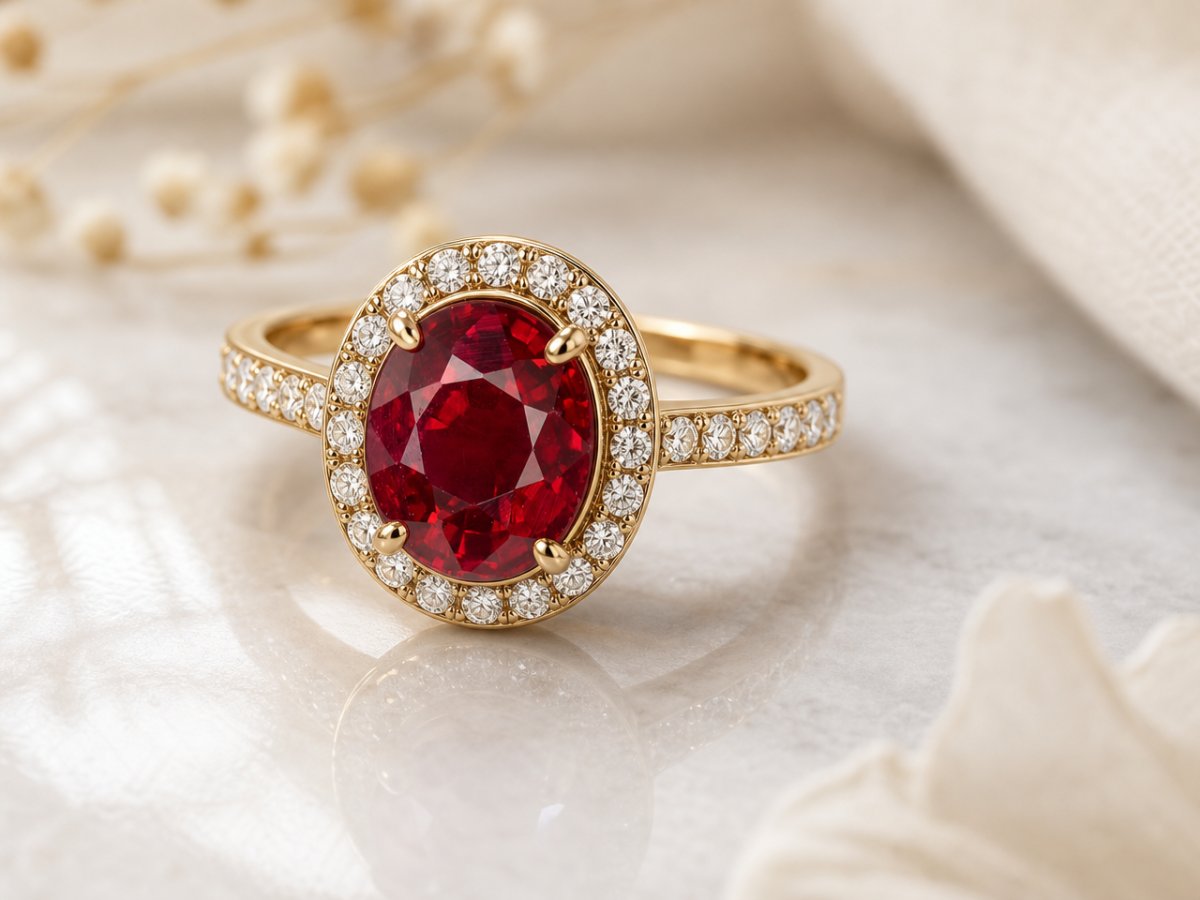
Ruby is widely used in rings and earrings, two of its most important jewelry applications. In rings, ruby offers a strong central color and the durability needed for regular wear. For earrings, ruby provides vivid color close to the face and can be used as studs, drops or matched pairs.
Ruby is also an appealing option for engagement rings. Buyers considering ruby for an engagement ring should focus on durability, treatment disclosure, secure setting design and a shape that suits daily wear. A well-protected oval, round, cushion or octagon ruby can make a distinctive alternative to more conventional engagement ring choices.
Necklaces and pendants are excellent settings for ruby because they display color clearly while generally exposing the stone to less impact than rings. Pear, oval and cushion shapes are especially easy to imagine in pendant designs, though round and octagon rubies can also create clean, balanced looks.
Ruby can be used in bracelets as well, but bracelets tend to receive more contact with desks, counters and other hard surfaces. If selecting rubies for a bracelet, prioritize secure settings and consider how the piece will be worn.
How to Buy a Ruby: Practical Checklist
1. Start With the Intended Jewelry Design
Before comparing individual stones, decide how the ruby will be used. A ruby for earrings may need to match another stone in size, color and shape. A ruby for a ring should be durable, well-set and comfortable for the wearer's lifestyle. A pendant ruby can prioritize face-up beauty and shape because it is usually less exposed to hard knocks.
2. Choose the Red Color You Prefer
Ruby is a red gemstone, but not every red ruby looks the same. Compare photos and, when possible, view the gemstone under more than one light source. Choose a red that looks attractive to you rather than relying only on a label or origin.
3. Check Treatment Disclosure
Always look for clear treatment information. Heat-treated, fracture-filled and untreated rubies are different buying categories. Make sure you understand which category applies to the stone and whether it is appropriate for your jewelry project.
4. Evaluate Cut and Shape Together
A good cut should support the stone's color and overall appearance. Faceted rubies should look lively and balanced face-up. Cabochon rubies should have an appealing dome and attractive color display. Shape matters for design as well as appearance: oval, round and octagon rubies are especially versatile, while pear, cushion, heart, marquise, square and trillion shapes can create more distinctive designs.
5. Consider Size, Measurements and Carat Weight
Carat weight is useful, but measurements often matter more for jewelry design. Two rubies of similar weight can have different face-up sizes depending on cut proportions. If the stone is going into an existing setting, check length, width and depth carefully before buying.
6. Look at Clarity in a Practical Way
In colored gemstones, the most important clarity question is often whether inclusions affect beauty, durability or setting options. Some internal features may be acceptable if the ruby still looks attractive and is suitable for the intended jewelry. For rings and bracelets, pay closer attention to any features that reach the surface or sit near vulnerable points.
7. Match the Ruby to the Wearer
For daily jewelry, choose a stone and setting combination that fits the wearer's habits. For occasional jewelry, you may have more freedom to choose unusual shapes or delicate settings. For a July birthstone gift, consider whether the recipient prefers classic designs or a more individual gemstone shape.
Buying Ruby Online
When buying ruby online, compare more than one stone and read the details carefully. Photos are important, but they should be considered together with measurements, carat weight, shape, cut style and treatment disclosure. A reliable product listing should help you understand what you are buying before the stone arrives.
GemSelect offers loose gemstones, which can be useful for buyers who want to choose a ruby first and then design jewelry around it. This approach gives jewelers and designers flexibility with setting style, metal choice and overall design proportions.
Summary
A good ruby purchase is a balanced decision. Ruby's red color, corundum identity and Mohs hardness of 9 make it one of the most practical and desirable gemstones for jewelry. It is suitable for rings, earrings, pendants, necklaces, bracelets and engagement rings, provided the stone and setting are chosen appropriately.
Focus first on the ruby's appearance, then confirm the practical details: treatment status, cut, shape, measurements and intended jewelry use. Madagascar, Mozambique and Myanmar are especially important ruby origins, with Tanzania, Sri Lanka, Thailand and Vietnam also known sources, but origin should support rather than replace careful evaluation of the individual gemstone. With clear information and realistic expectations, buying a ruby can be a confident and rewarding experience.
