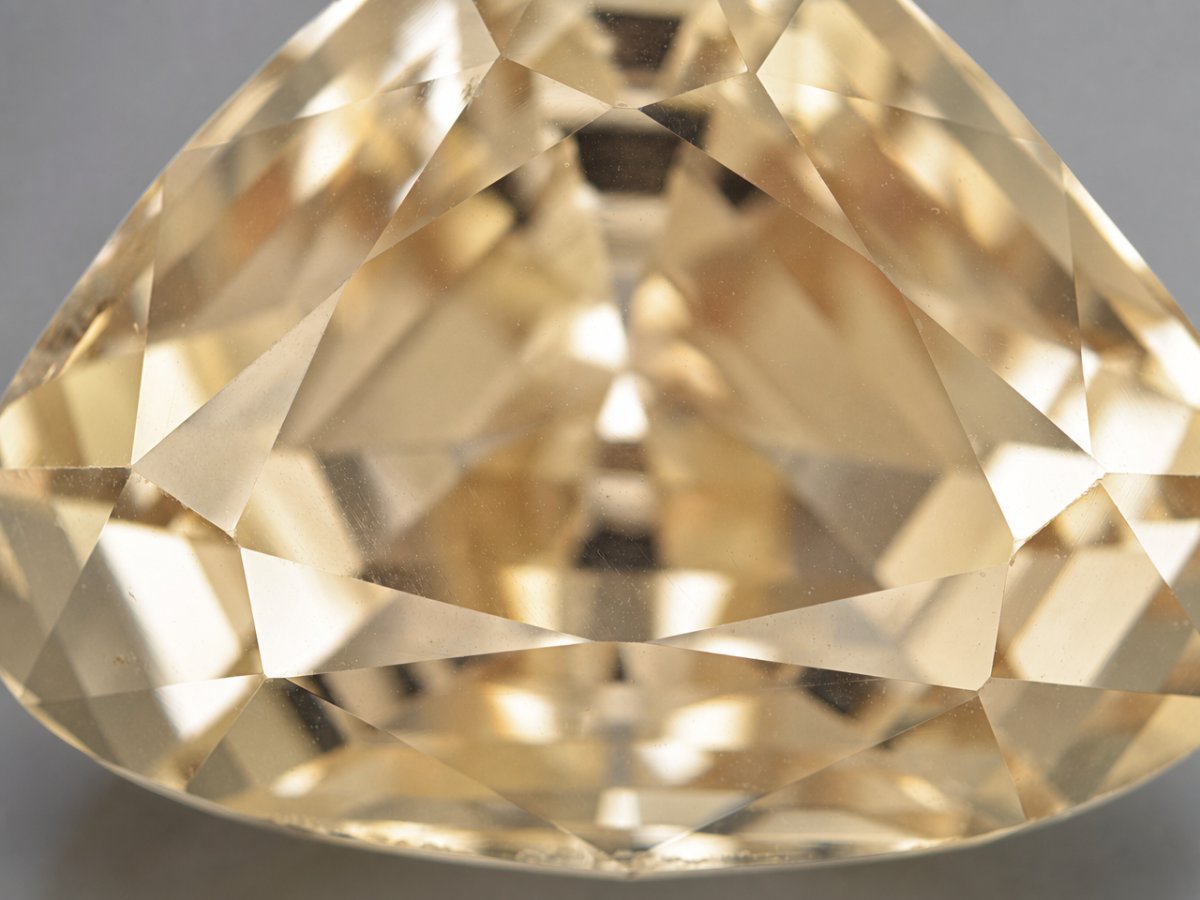


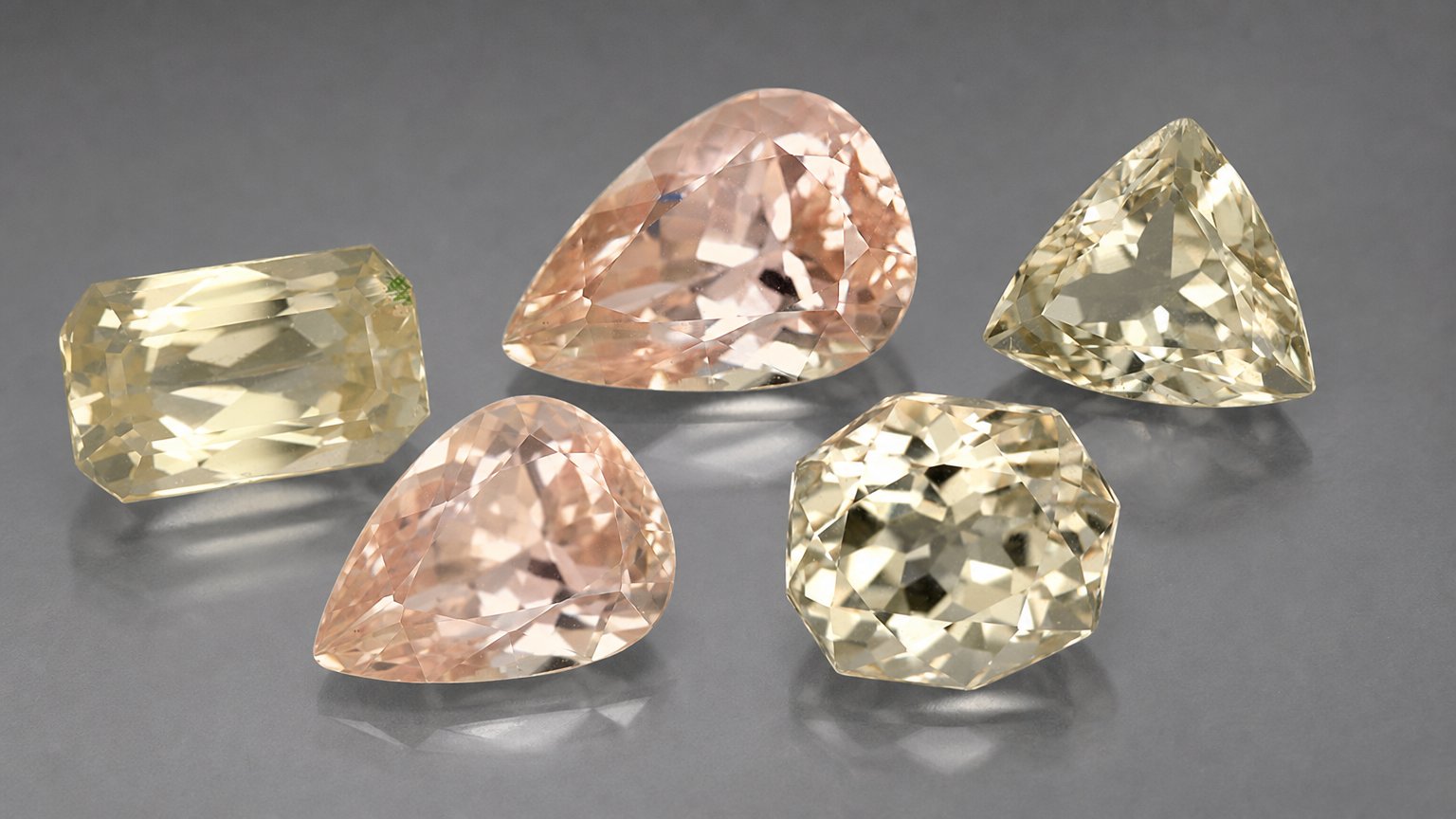
Spodumene is a lithium aluminum silicate gemstone valued by buyers who enjoy warm yellow, gold and orange gems in attractive faceted cuts. When choosing spodumene, the most important decisions are color preference, cut quality, size, treatment disclosure and whether the gem is suitable for the jewelry design you have in mind.
This guide focuses on the practical points that help you compare loose spodumene gemstones with confidence, whether you are buying for a pendant, earrings, a ring, a necklace or a collector piece.
What Is Spodumene?
Spodumene is a mineral species with the chemical formula LiAlSi₂O₆. It crystallizes in the monoclinic crystal system and has gemological properties that make it suitable for faceted gemstones when properly cut and set.
For buyers, the key technical details are its Mohs hardness of 6.5 to 7, refractive index of 1.655 to 1.681 and specific gravity of 3.15 to 3.20. These figures are useful for identification and for understanding how the gemstone may perform in jewelry.
Color and Appearance: What to Look For
Spodumene in this buying category is known for yellow, gold and orange colors. Your best choice depends on personal taste, but buyers should look for a color that appears pleasing, balanced and attractive in the intended lighting conditions.
Yellow spodumene can offer a bright, clean look, while gold and orange tones often feel warmer and richer. When comparing gems, view them face-up and check whether the color is evenly distributed across the stone. Uneven color may be acceptable if the overall appearance is attractive, but it should be reflected in your buying decision.
Color intensity is also important. A very pale stone may appear subtle and delicate, while stronger gold or orange color can create a more noticeable jewelry presence. There is no single "best" color for every buyer; the right choice is the one that suits the design, metal color and wearer's preference.
Cut, Shape and Face-Up Appeal
Spodumene is commonly sold as a faceted gemstone. Faceting is important because it controls brightness, symmetry and how lively the gem looks when viewed from the front. Scissor cuts and step cuts are common choices, and octagon shapes are especially well suited to these cutting styles.
Octagon, cushion, oval and fancy shapes are practical options for buyers who want a distinctive gem that still works well in jewelry. Pear and round shapes may also be found, depending on availability. Asscher and Portuguese cuts can add a more specialized look, while cabochons are less common and are usually chosen for a softer, non-faceted appearance.
When buying online, study the gemstone photos carefully. Look for an attractive outline, good symmetry and a lively face-up appearance. Avoid stones that show a large dull or overly transparent-looking area in the center unless the price and appearance still meet your expectations.
Clarity and Inclusions
Clarity should be judged by how the gemstone looks to the unaided eye. Small internal features may be acceptable if they do not distract from the overall beauty of the stone or affect the intended design.
For jewelry use, especially in rings, avoid gems with obvious surface-reaching features or visible distractions in prominent positions. For pendants and earrings, slight inclusions may be less noticeable because the stones are viewed at a greater distance.
Origins: Does Source Matter?
Important spodumene sources include Afghanistan, Brazil, Pakistan, Madagascar and Myanmar. Origin can interest collectors and may be included in a gemstone description when known, but buyers should not rely on origin alone as a measure of beauty or suitability.
For most jewelry buyers, color, cut, clarity, size, treatment disclosure and overall appearance are more important than country of origin. If origin is important to you, buy from a seller who clearly states what is known and avoids unsupported claims.
Treatments and Disclosure
Spodumene is commonly offered as untreated, though heat treatment may also be encountered. Treatment disclosure matters because it helps buyers understand exactly what they are purchasing and compare gemstones fairly.
When buying spodumene, check the product details for treatment information. If the listing does not clearly state whether the gem is untreated or heat treated, ask before purchasing. GemSelect provides treatment information where applicable so buyers can make informed comparisons.
Durability and Jewelry Suitability
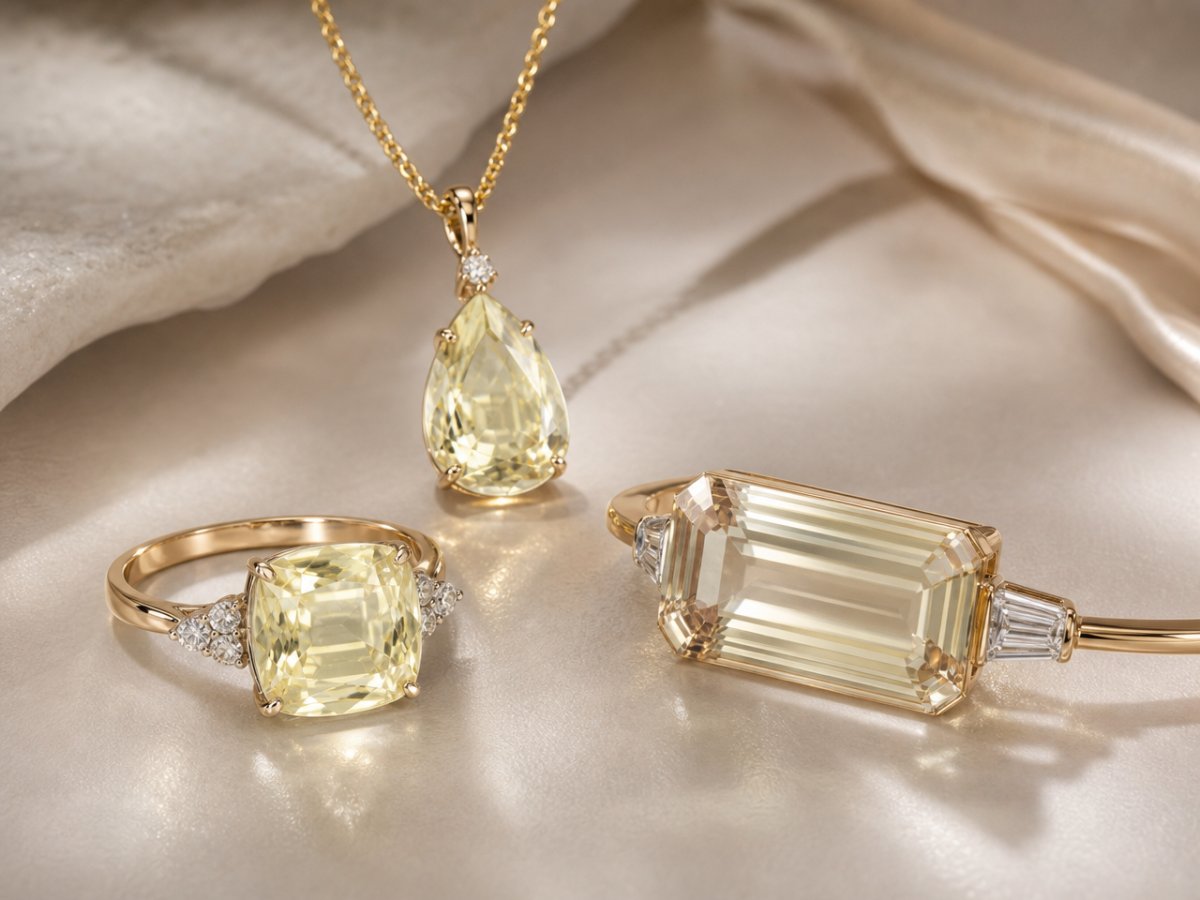
With a Mohs hardness of 6.5 to 7, spodumene can be used in several types of jewelry, but it should be worn with reasonable care. It is a good choice for pendants, earrings and necklaces, where the gem is less likely to receive hard knocks or constant abrasion.
Spodumene can also be used in rings, especially for occasional wear or thoughtful designs. If choosing a spodumene ring, consider a protective setting and avoid rough daily activities while wearing it. Collectors may also choose well-cut stones for display or limited-wear jewelry.
For care, clean spodumene gently with mild soapy water and a soft cloth. Store it separately from harder gemstones to reduce the chance of scratches.
Size and Buying Practicalities
Choose size according to the jewelry design and the visual effect you want. A larger octagon or cushion can make a strong pendant centerpiece, while matched or complementary smaller stones can work well for earrings. For rings, consider comfort, setting protection and how exposed the gem will be during wear.
Because cut has a major effect on face-up size and brightness, do not judge by carat weight alone. Two stones of similar weight can look quite different depending on shape, depth and cutting style. Always compare measurements as well as carat weight when planning a setting.
Spodumene Buying Checklist
- Choose your preferred color: yellow, gold and orange are the main color options to compare.
- Prioritize face-up beauty: look for appealing brightness, symmetry and balanced color.
- Match cut to purpose: octagon, cushion, oval and fancy shapes are practical for many designs.
- Check treatment disclosure: untreated stones are common, but heat treatment may occur.
- Consider jewelry use: pendants and earrings are especially suitable; rings need more care.
- Review measurements: dimensions are just as important as carat weight for setting and design.
- Buy from a clear seller: product photos, gem details and treatment information should be easy to understand.
Summary
A good spodumene purchase starts with the look of the gemstone: attractive yellow, gold or orange color, a pleasing cut and a shape that suits your jewelry design. Technical details such as hardness, treatment status and origin add useful context, but the best choice is the stone that combines beauty, suitability and clear disclosure.
For most buyers, faceted spodumene in an octagon, cushion, oval or fancy shape offers the most practical balance of appearance and design flexibility. Choose pendants, earrings and necklaces for easier wear, and reserve rings for careful use and protective settings.