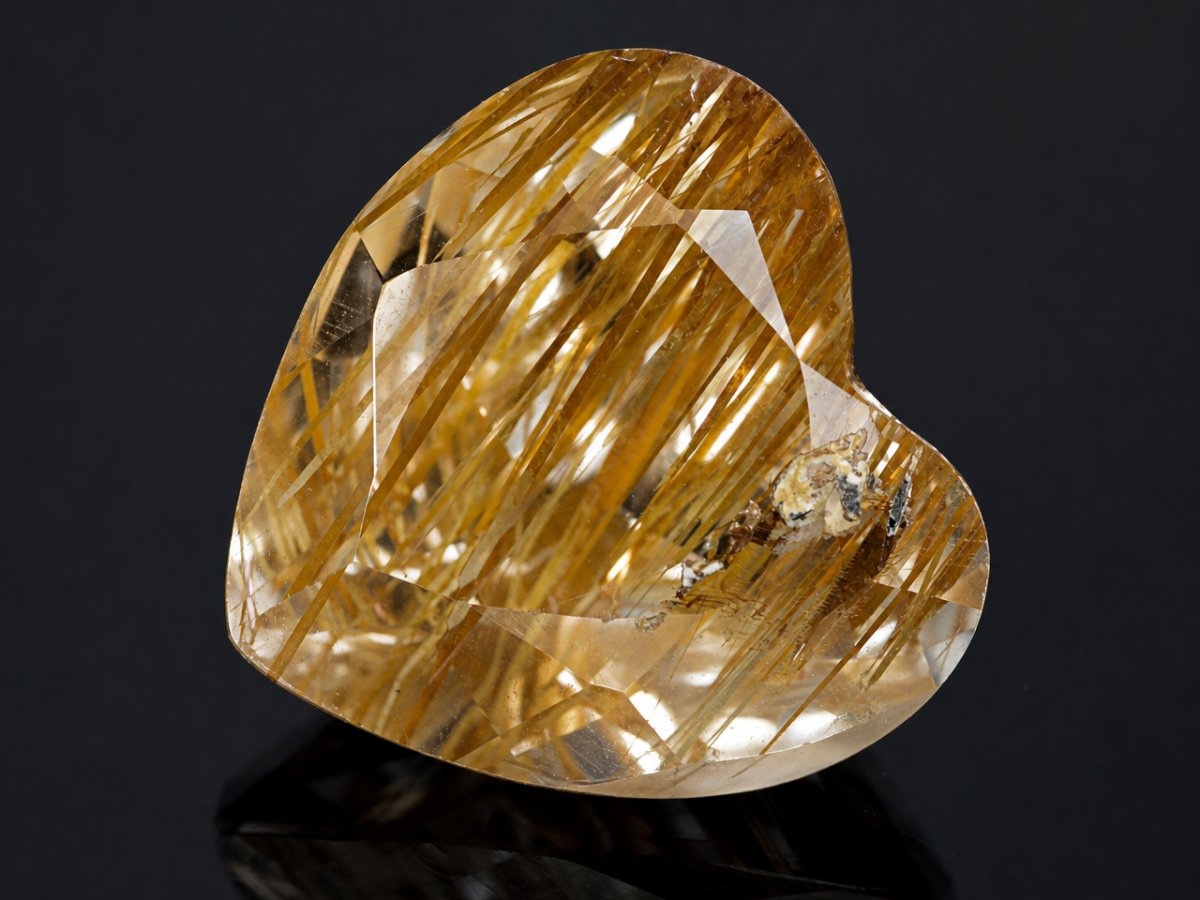


Rutile Topaz is a distinctive variety of topaz chosen by buyers who want a gem with the durability of topaz and a warm, natural appearance. When shopping, the most important points to consider are color, overall visual appeal, cut quality, size, treatment disclosure and whether the stone is suitable for the jewelry design you have in mind.
This guide explains the practical buying factors that matter most, so you can compare Rutile Topaz gems with confidence and choose a stone that fits your style, budget and setting.
What Is Rutile Topaz?
Rutile Topaz is a variety of the mineral species topaz. Its chemical formula is Al₂SiO₄(F,OH)₂, and it belongs to the orthorhombic crystal system. Like other topaz gems, it is valued for its attractive appearance, good hardness and suitability for many types of jewelry.
For buyers, the name is less important than the stone itself: examine the color, transparency, cut, dimensions and seller disclosure. A trustworthy listing should clearly identify the gem as Rutile Topaz and state whether any treatment is known.
Color and Appearance
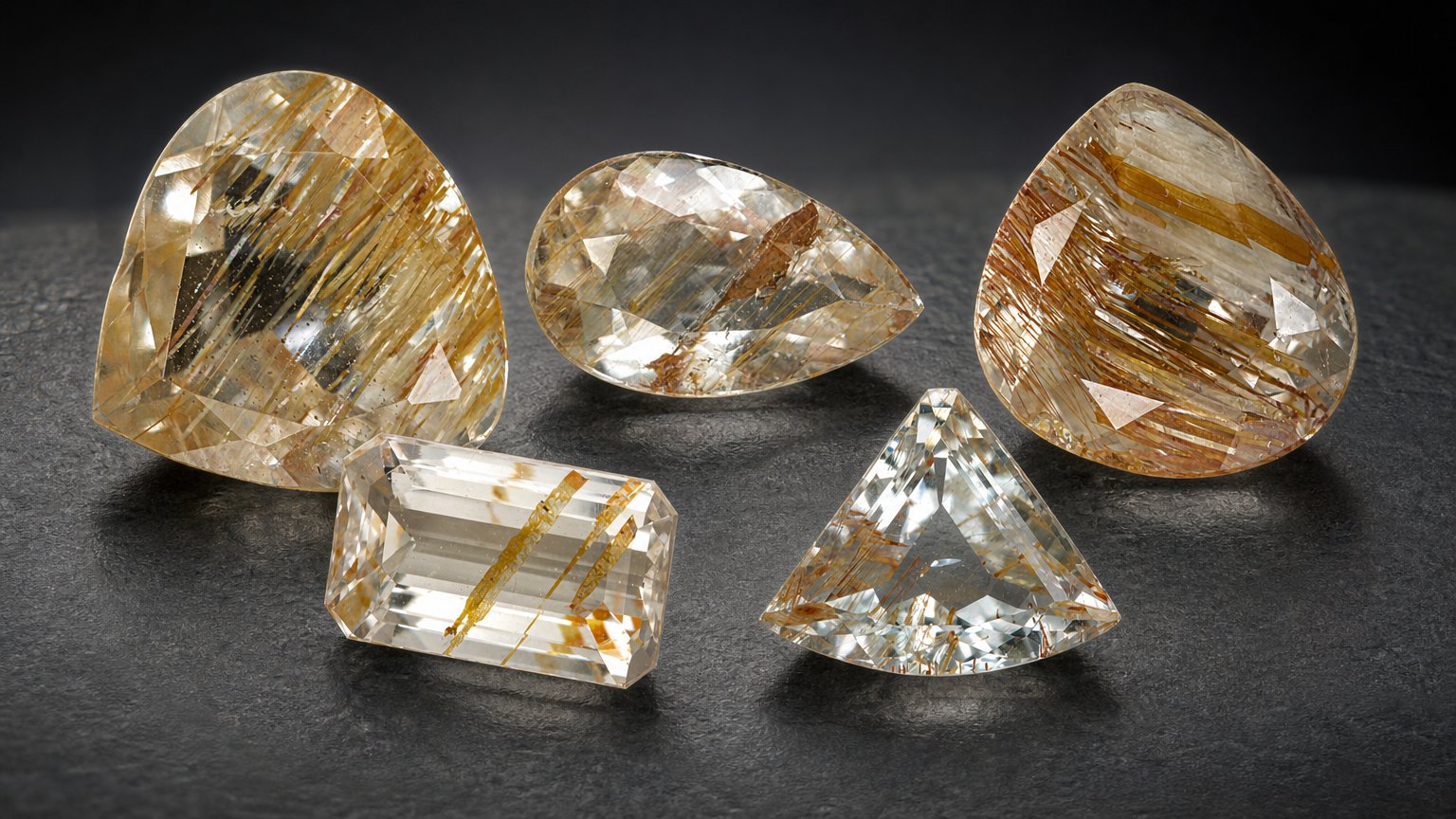
Rutile Topaz is known in brown, gold, white and yellow tones, with pink seen less commonly. Brown is especially associated with this gem, while gold and yellow stones can offer a warmer, brighter look. White or pale stones may appeal to buyers who prefer a lighter, more neutral gem.
There is no single "best" color for every buyer. The right choice depends on the finished jewelry. Gold and yellow tones pair naturally with yellow gold settings, while white or lighter stones can work well in white metals and minimalist designs. Brown stones can be attractive in vintage-inspired, earthy or contrast-rich jewelry.
When comparing stones, look for an even, pleasing face-up color. If the gem appears too dark, too pale or uneven from the top view, it may not have the look you want once set. Always judge the stone from the viewing angle it will have in jewelry, not only from the side or pavilion.
Cut, Shape and Face-Up Appeal
Rutile Topaz is commonly faceted, which helps show brightness and shape definition. Cabochons and step cuts are also seen, but faceted stones are the main choice for buyers who want sparkle and a more traditional gemstone look.
Oval shapes are especially common and practical because they provide an elegant outline and often look slightly larger than some other shapes of similar weight. Octagon and pear shapes are also popular choices, while cushion, round and trillion shapes can suit more specific design styles.
For a buying decision, focus less on the shape name and more on the cut quality. A well-cut Rutile Topaz should face up attractively, with a balanced outline, good symmetry and no obvious windowing that makes the center look washed out. Step cuts can look elegant, but they may make clarity and internal features more visible, so inspect them carefully.
Size and Carat Weight
Carat weight is useful for comparison, but dimensions are more important for jewelry planning. Two stones with the same carat weight can look different in size depending on depth and cut style. If you are buying for a ring, pendant or matched design, check the millimeter measurements as well as the weight.
For pendants and necklaces, larger stones can be practical because they are less exposed to impact than ring stones. For rings, especially daily-wear rings, choose a size that fits the setting securely and does not sit unnecessarily high on the hand.
Durability and Everyday Wear
Rutile Topaz has a Mohs hardness of 8, making it a durable gemstone suitable for many jewelry uses. This hardness gives it good resistance to scratching in normal wear compared with softer gems.
It is used in rings, pendants, necklaces, earrings, brooches and fashion rings. For jewelry that receives frequent contact, such as rings, a secure setting and sensible care are important. Pendants, earrings and brooches are generally easier environments for most gems because they experience less abrasion and impact than rings.
To care for Rutile Topaz jewelry, store it separately from harder gems and clean it gently with mild soap, warm water and a soft cloth or brush. Avoid harsh handling, sudden impacts and abrasive cleaning methods.
Treatments and Disclosure
Rutile Topaz is commonly associated with untreated material. This is an important point for buyers who prefer gems without enhancement. When purchasing, look for clear treatment information from the seller rather than assuming all stones are untreated.
GemSelect lists treatment information where applicable, helping buyers compare stones transparently. If treatment status is especially important to you, choose a stone with a clear disclosure and keep the sales documentation for your records.
Origin: Does It Matter?
Important sources for Rutile Topaz include Brazil, Pakistan, Russia and Sri Lanka, with Brazil especially well associated with this gemstone. Origin can be interesting for collectors and buyers who enjoy knowing where a gem comes from.
For most jewelry buyers, however, appearance, cut, size and treatment disclosure should carry more weight than origin alone. A beautiful, well-cut stone from any recognized source may be a better purchase than a less attractive stone bought only for its locality.
Gemological Properties
Rutile Topaz has a refractive index of 1.606-1.634 and a specific gravity of 3.49-3.57. These measurements are mainly useful for gem identification and confirmation by gemologists, rather than for choosing a stone by eye.
For buyers, the practical takeaway is that Rutile Topaz is part of the topaz family, with the hardness and optical character expected from that species. If you are buying a higher-value stone or need additional assurance, ask whether gemological testing or documentation is available.
Best Jewelry Uses for Rutile Topaz
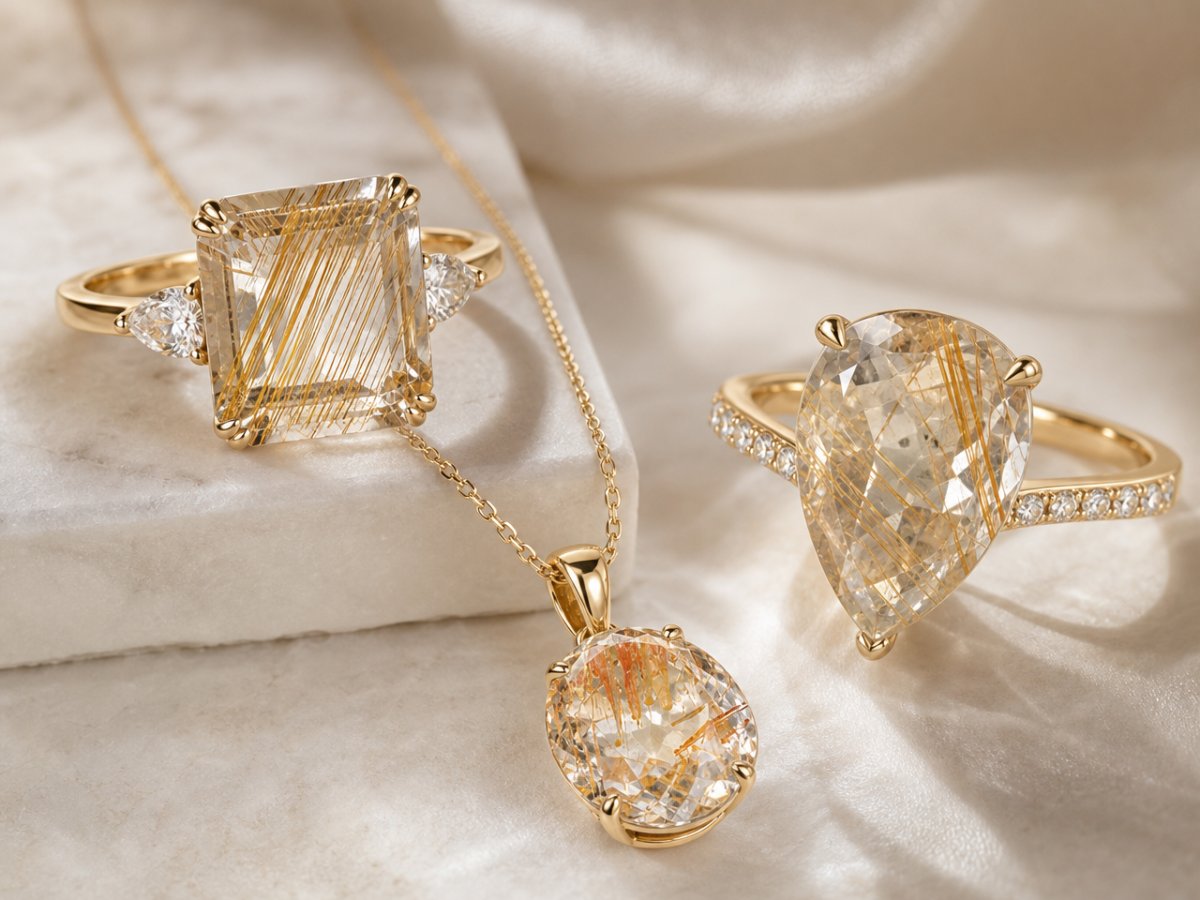
Rutile Topaz works especially well in pendants and rings, two of its most common jewelry uses. Pendants allow the color and shape to be displayed prominently while keeping the gem relatively protected. Rings are also suitable, especially when the setting protects the stone and fits the intended wear pattern.
Necklaces, earrings and brooches are good choices for buyers who want decorative impact with lower exposure to knocks. Fashion rings can be attractive, particularly when the design emphasizes color and size, but they should still be made with a secure setting.
How to Choose Rutile Topaz: Practical Buying Checklist
- Choose the color first: Decide whether you prefer brown, gold, yellow, white or a rarer pink tone.
- Check face-up beauty: View the gem from the top and look for pleasing color, brightness and balance.
- Compare measurements: Use millimeter size as well as carat weight, especially for rings and calibrated settings.
- Inspect the cut: Look for symmetry, an attractive outline and a lively appearance without a dull center.
- Review treatment disclosure: Rutile Topaz is commonly untreated, but the seller should still state treatment status clearly.
- Match the gem to the jewelry: Pendants and necklaces can handle larger statement stones, while rings need secure, practical settings.
- Buy from a transparent seller: Clear photos, dimensions, weight and treatment information make comparison much easier.
Summary
The best Rutile Topaz for you is the stone that combines appealing color, an attractive cut, suitable size and reliable disclosure. Brown, gold, white and yellow stones offer different design possibilities, while faceted ovals, octagons and pears are practical and attractive choices for many jewelry styles.
With a Mohs hardness of 8 and common use in pendants, rings and necklaces, Rutile Topaz is a versatile gemstone. Focus on the stone's face-up appearance and how it will be worn, and you will be well prepared to make a confident purchase.