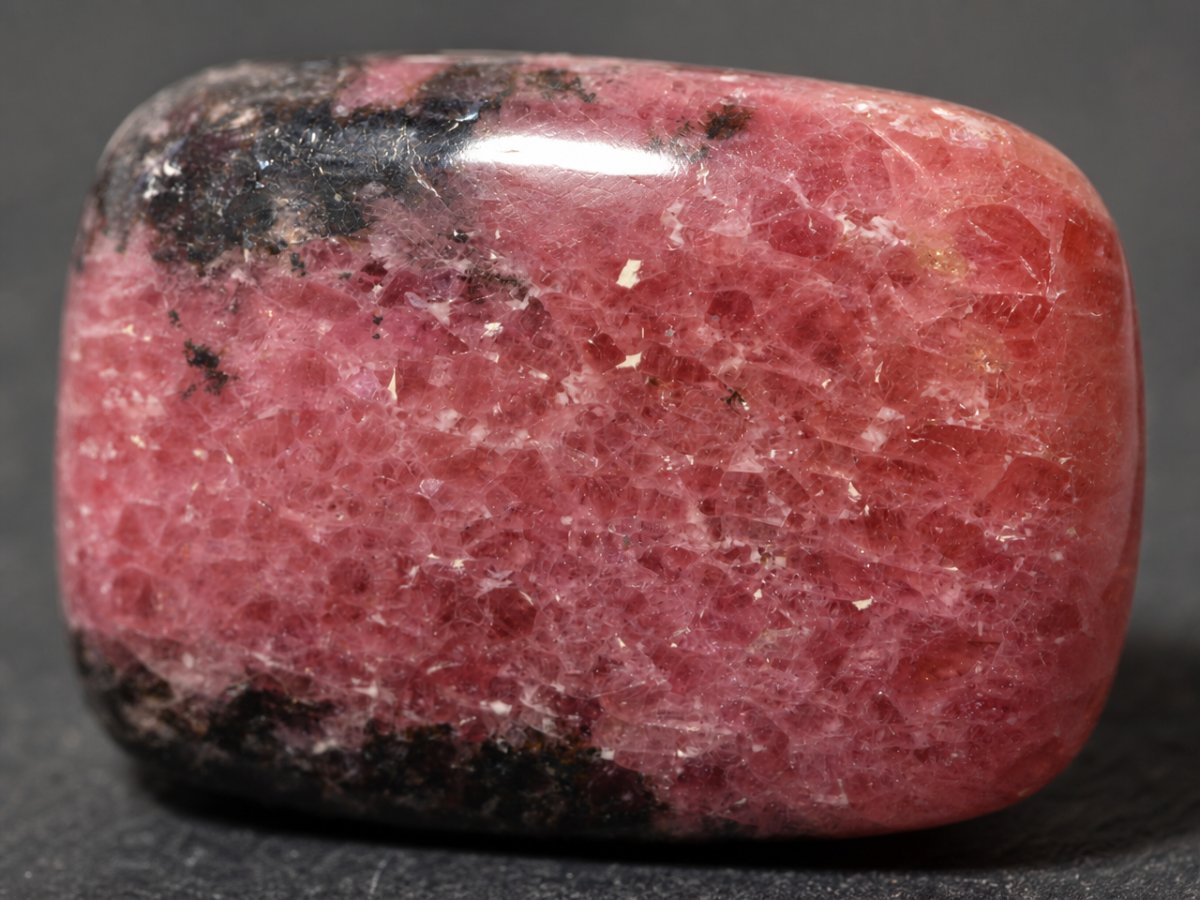


Rhodonite is best known for its pink to red color and expressive, often multicolored appearance. In gemstone symbolism, it is most often connected with compassion, affection, emotional balance and thoughtful action. These meanings belong to tradition and modern crystal culture rather than science, but they help explain why rhodonite remains popular with collectors, jewelry designers and people who choose gemstones for personal significance.
As a gem material, rhodonite is a manganese inosilicate. Its color is central to its identity: pink is the dominant hue, with red and multicolor material also seen. This warm color range has shaped the way rhodonite is interpreted symbolically, giving it a softer, more personal reputation than many darker or more formal gemstones.
What Does Rhodonite Mean?
Rhodonite is traditionally associated with compassion, emotional steadiness, forgiveness and balanced affection. In modern gemstone and crystal traditions, it is often described as a stone of the heart, not because of any proven medical effect, but because its pink and red tones naturally connect it with themes of warmth, care and human connection.
Its symbolism is practical rather than dramatic. Rhodonite is commonly viewed as a gemstone for calm responses, emotional maturity and reconciliation. For this reason, people may choose it as a meaningful gift for friendship, support, recovery after conflict or personal reflection.
Name Origin and Color Symbolism
The name rhodonite is widely linked to the Greek word for rose, a reference to the gemstone's characteristic rose-pink appearance. This connection between name and color is important because rhodonite's meaning is strongly visual. Its pink shades suggest tenderness and affection, while deeper red tones can give the stone a stronger, more passionate character.
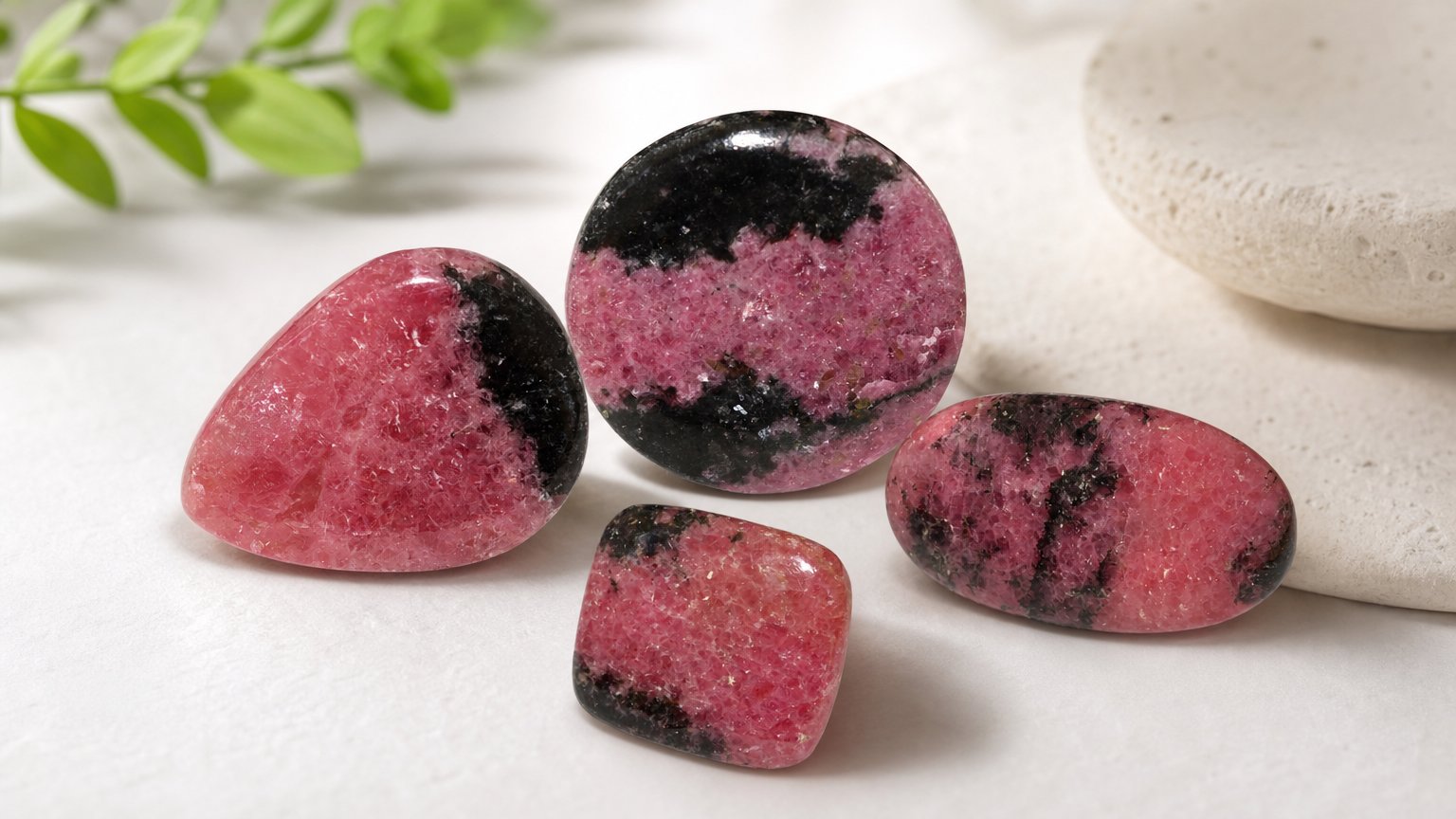
Multicolor rhodonite also adds to its symbolic appeal. Rather than presenting a single uniform color, many pieces have natural variation that gives each stone an individual character. In contemporary symbolism, this visual complexity is often interpreted as a reminder that compassion and balance can exist alongside emotional contrast.
Historical and Cultural Background
Rhodonite does not have the same widely documented ancient history as gems such as sapphire, emerald or turquoise. Its cultural importance is better understood through lapidary tradition, mineral collecting and modern gemstone symbolism. It has been valued for its attractive pink to red color, its ability to take a smooth polish and its suitability for cabochons and carved forms.
Important sources include Australia, Peru and Russia, with additional material known from Brazil, Madagascar and Mexico. These origins have helped make rhodonite available to the international gem market in a range of appearances, from rich pink gems to more varied multicolor stones. For collectors, origin can add interest, but rhodonite's symbolic meaning is usually tied more closely to color and appearance than to a single cultural source.
Rhodonite in Folklore and Modern Crystal Traditions
In modern crystal traditions, rhodonite is often described as a stone connected with compassion, forgiveness and emotional balance. These associations should be understood as beliefs and symbolic interpretations, not as scientifically proven effects. They remain meaningful to many people because gemstones often serve as personal reminders, keepsakes or objects of intention.
Rhodonite's modern reputation is especially connected with emotional composure. It is sometimes chosen by people who want a gemstone symbolizing patience, kindness or the ability to respond thoughtfully under stress. In this sense, its meaning is less about luck or power and more about character, relationships and self-awareness.
How Rhodonite Is Viewed Today
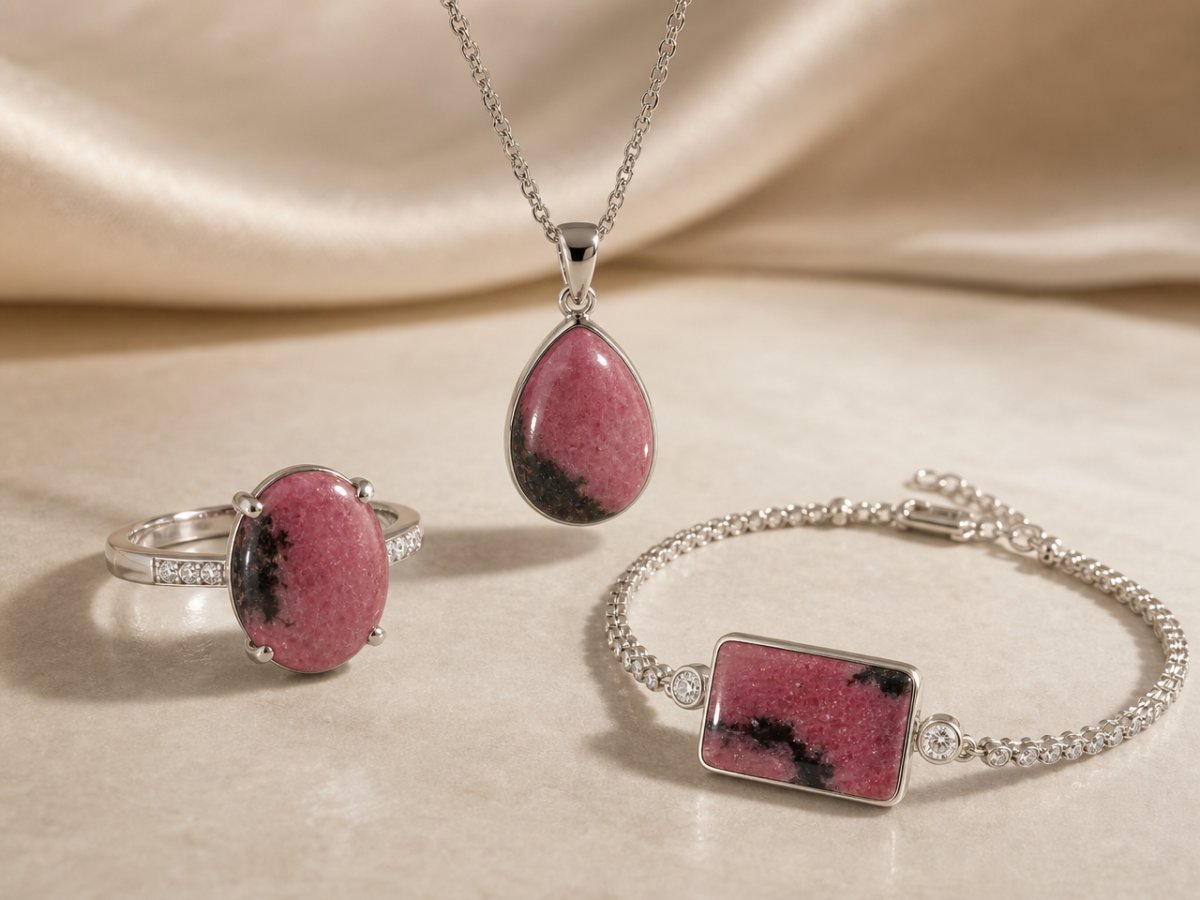
Today, rhodonite is appreciated by gem buyers, jewelry designers and collectors for both its appearance and its symbolism. Cabochons are especially common because they display the stone's color and natural patterns clearly. Carved rhodonite pieces also reflect the gemstone's long-standing appeal as a decorative material, while faceted stones are less common.
Rhodonite is frequently used in pendants, necklaces, bracelets and artisan jewelry, where its color can be seen easily and its personal meaning can be worn close. While jewelry use is not the main source of its symbolism, the way rhodonite is worn today reinforces its image as a personal, expressive and emotionally meaningful gemstone.
Birthstone, Zodiac and Anniversary Associations
Rhodonite is not one of the widely recognized traditional birthstones. It is also not commonly listed among the major classic anniversary gemstones. Any zodiac or personal associations with rhodonite are usually modern or spiritual interpretations rather than long-established historical systems.
For that reason, rhodonite is best chosen for its color, personal symbolism and individual appeal rather than for a formal calendar association. It can still make a thoughtful gift when the intended message is compassion, support, friendship or emotional balance.
Conclusion
Rhodonite's meaning comes from a combination of color, modern tradition and personal interpretation. Its rose-pink to red appearance has made it a natural symbol of compassion, affection and emotional steadiness. While some of its associations come from contemporary crystal lore rather than documented ancient history, they continue to give rhodonite a clear place among meaningful gemstones.
For GemSelect customers and gemstone enthusiasts, rhodonite is a strong choice when the story behind the stone matters as much as its appearance. It is expressive without being overly formal, distinctive without being difficult to understand, and rich in symbolism for those drawn to pink and red gemstones.