

Rhodochrosite is admired for its expressive pink, red and multicolor appearance. Its appeal is strongly visual: soft rose-like tones, deeper reddish areas and distinctive patterned material give the gemstone an emotional, decorative quality that many collectors and jewelry lovers find memorable.
As a meaning and history guide, the most responsible way to understand rhodochrosite is to separate documented facts from modern interpretation. Rhodochrosite is a manganese carbonate mineral, with the chemical formula MnCO₃, and it is known from important sources including South Africa, Peru, the United States, China and Mexico. Its traditional and modern symbolism is largely shaped by its color, pattern and rarity as a distinctive ornamental gem.
What Is Rhodochrosite?
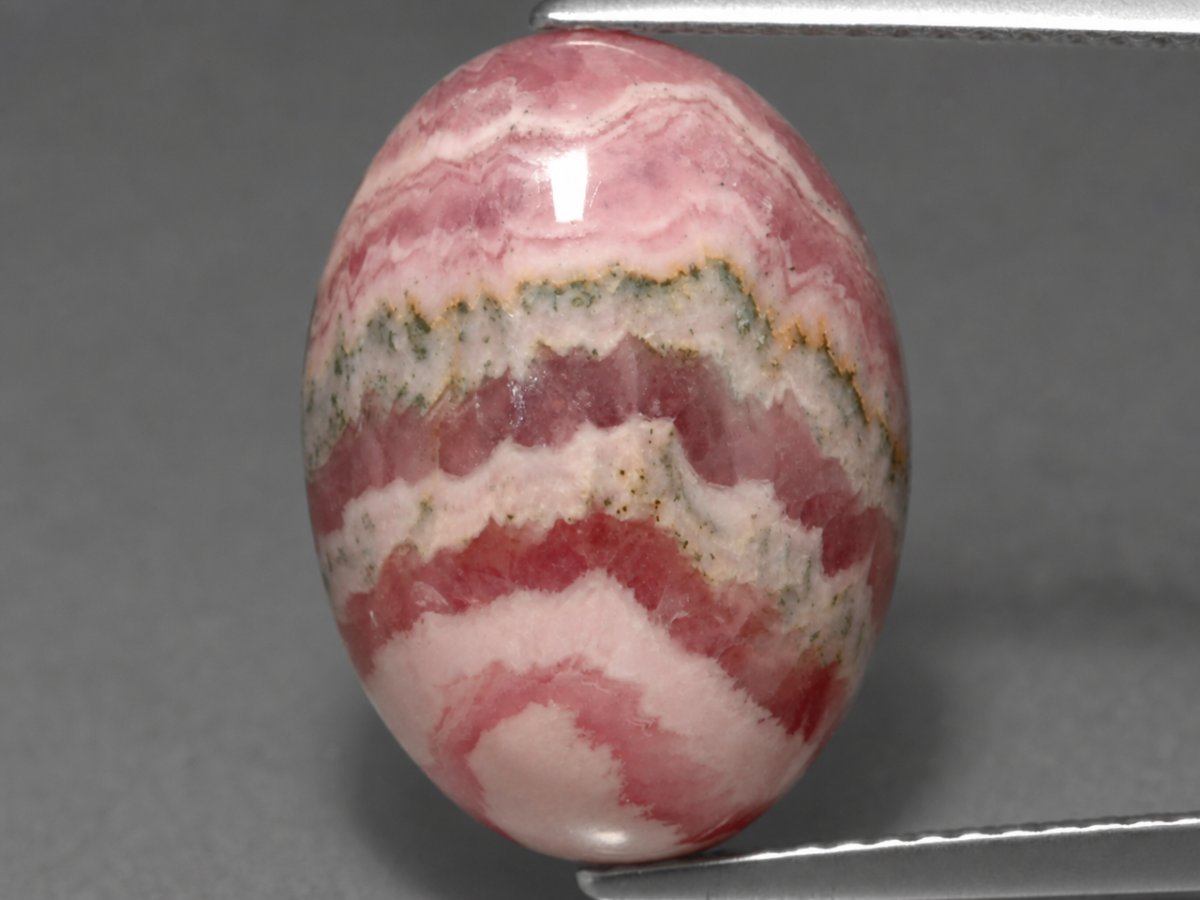
Rhodochrosite is a gemstone-quality form of a manganese carbonate mineral. In gem material, it is best known for pink, red and multicolor appearances. Some stones show attractive banding or patterning, which is one reason rhodochrosite is often fashioned as cabochons rather than only as faceted gems.
In a meaning-focused context, this mineral identity matters because rhodochrosite is not merely a color variety of a better-known gemstone. It has its own identity, appearance and collector following. For many enthusiasts, its individuality is part of its significance: it is chosen less for conventional gemstone status and more for character, color and personal expression.
Rhodochrosite Meaning and Symbolism
Rhodochrosite's meaning is most often connected with its color. Pink and red gemstones have long been associated in general color symbolism with affection, warmth, emotional expression and the heart. With rhodochrosite, these associations are modern symbolic interpretations rather than scientific facts.
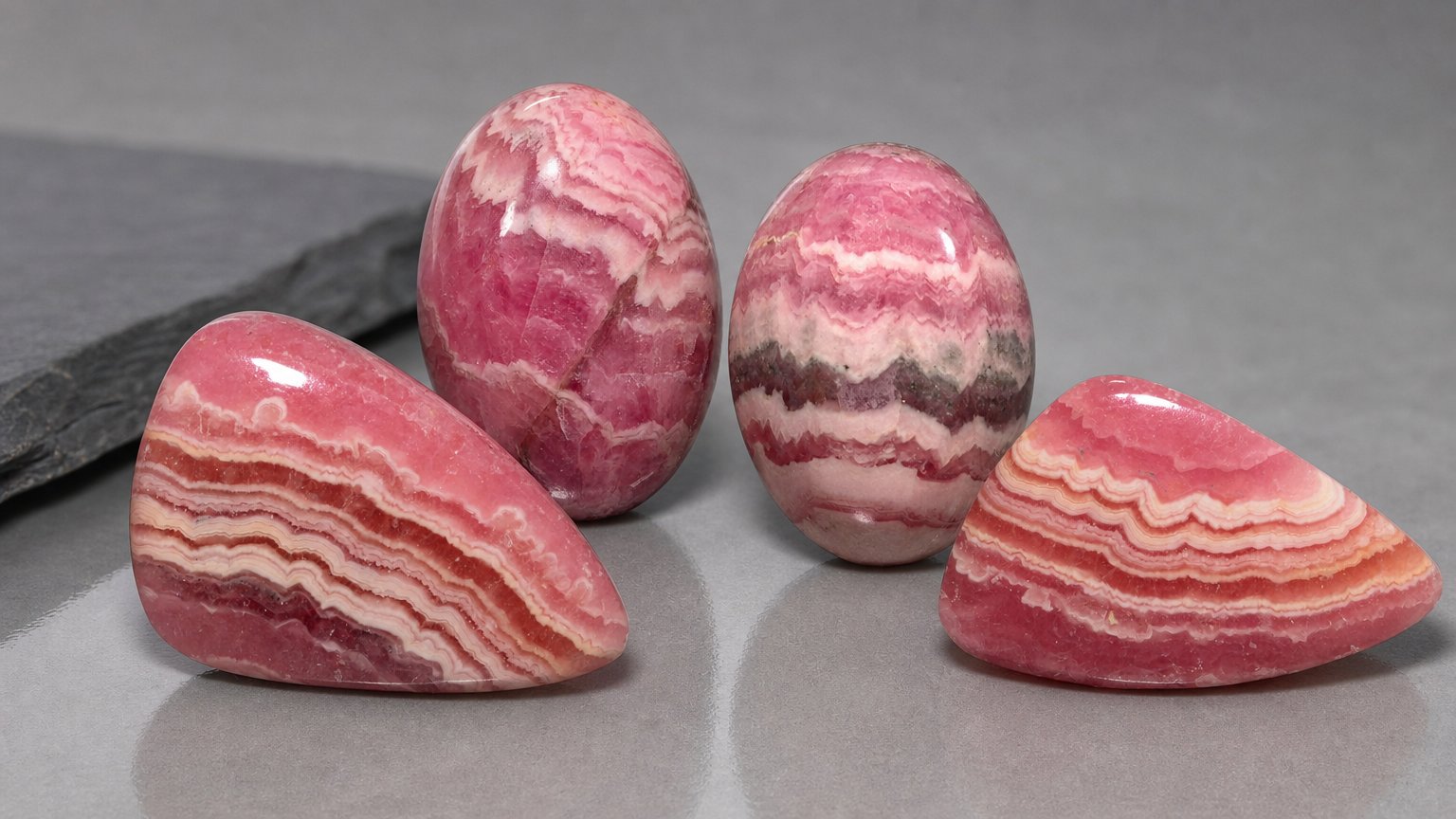
The multicolor and banded appearance of some rhodochrosite also gives it a layered visual quality. This has made it appealing to people who enjoy gemstones that feel personal and individual, where no two patterned stones look exactly alike. In this sense, rhodochrosite can symbolize uniqueness, softness and emotional depth through its appearance.
It is important to note that symbolic meanings are cultural and personal. Rhodochrosite's beauty can make it meaningful as a gift, keepsake or collector gem, but any emotional or spiritual meaning attached to it should be understood as tradition, personal belief or modern gemstone symbolism rather than proven effect.
Color and Appearance in Cultural Interpretation
Color is central to how rhodochrosite is understood. Its known colors include multicolor, pink and red. Pink material tends to create a gentle, romantic impression, while stronger red tones can appear more vivid and dramatic. Multicolor stones, especially those with visible patterning, are often valued for their natural design.
Because rhodochrosite can display such expressive color, its symbolism is closely tied to visual emotion. A polished cabochon or pendant can feel warm and approachable, while a fine collector stone may be appreciated for its mineralogical identity as much as for its decorative beauty.
Historical and Geographic Context
The verified historical picture of rhodochrosite is best understood through its mineral identity and geographic sources. Important origins include South Africa, Peru, the United States, China and Mexico. These localities have contributed to the gemstone and mineral trade, making rhodochrosite available to collectors, lapidaries and jewelry designers.
Unlike gemstones with extensive ancient literary traditions, rhodochrosite is often discussed today in the context of mineral collecting, decorative gemstones and modern jewelry. Its cultural importance comes from its recognizable appearance and the enthusiasm it inspires among people who appreciate unusual colored gems.
For GemSelect customers and collectors, origin can add context, but meaning should not be overstated unless a specific stone has documented provenance. A rhodochrosite gem may be meaningful because of where it comes from, how it looks or why it was chosen, but those personal meanings are different from documented historical tradition.
Rhodochrosite in Modern Gemstone Culture
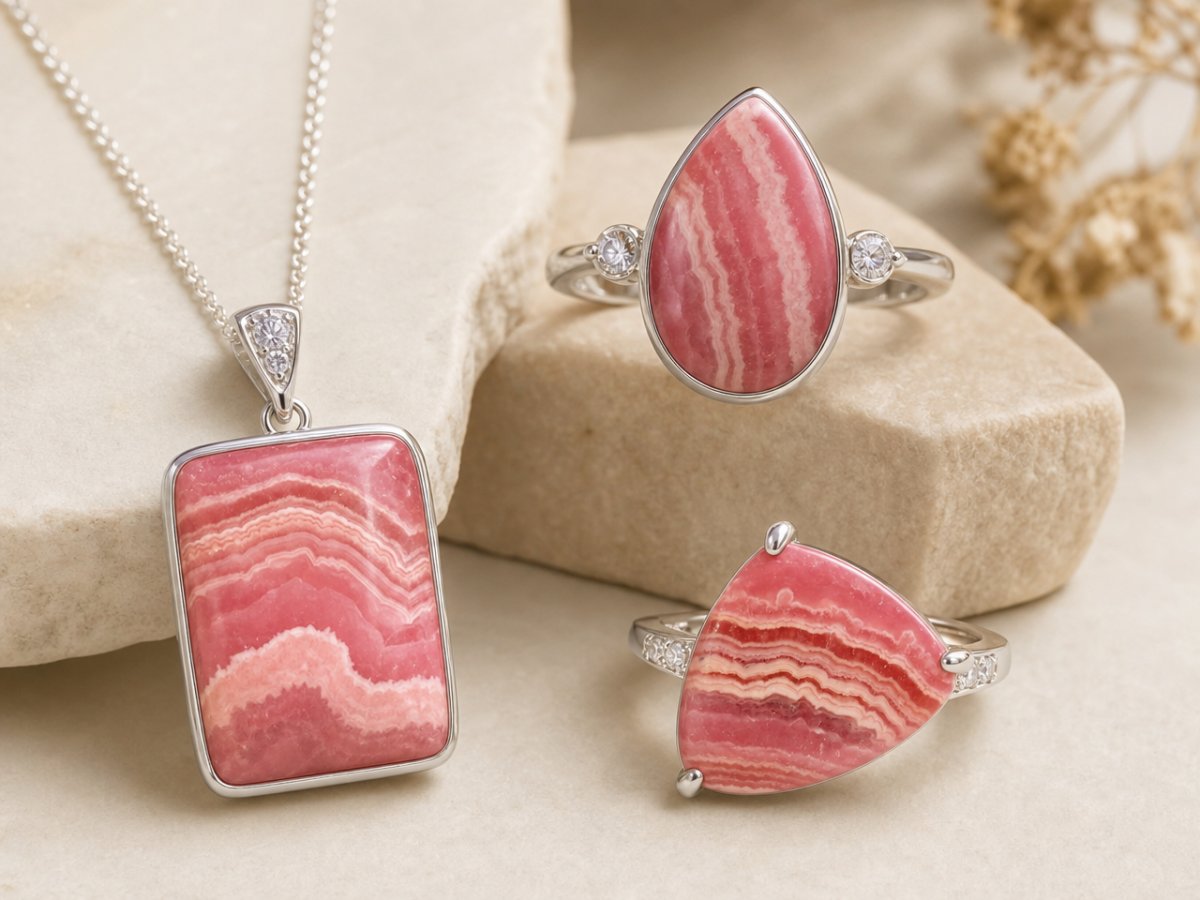
Today, rhodochrosite is appreciated by gemstone enthusiasts, collectors and designers who favor distinctive color over mainstream gem familiarity. Its common use in cabochons suits stones with attractive color zones or patterns, allowing the surface to display the gem's natural character.
Rhodochrosite is also seen in pendants, necklaces, earrings, brooches and collector rings. In a meaning guide, these uses matter because they show how the gemstone is most often experienced: close to the body, visible as a statement of color, and often selected for personal taste rather than formal tradition.
Many rhodochrosite gemstones are appreciated as untreated material. For buyers who value natural appearance, that can strengthen the sense of authenticity associated with the stone. Still, treatment status is a gemological and buying consideration, not a symbolic guarantee.
Folklore, Belief and Responsible Interpretation
Rhodochrosite is sometimes discussed in modern crystal and symbolic gemstone traditions. When you encounter claims about emotional, spiritual or healing properties, they should be treated as belief-based interpretations rather than medical or scientific facts.
A responsible view is to appreciate rhodochrosite for what can be observed and verified: its manganese carbonate identity, its pink to red and multicolor appearance, its notable sources, and its role as a distinctive gemstone. Any additional meaning can be personal, sentimental or cultural, provided it is not confused with proven physical effect.
Conclusion
Rhodochrosite's meaning is rooted in its memorable appearance. Pink, red and multicolor stones invite associations with warmth, affection, individuality and emotional expression, while its mineral identity and international sources give it a strong place in modern gemstone culture.
For those drawn to unusual colored gems, rhodochrosite offers a meaningful alternative to more familiar stones. Its symbolism is best understood as a blend of color meaning, personal interpretation and contemporary appreciation rather than a long documented ancient tradition.