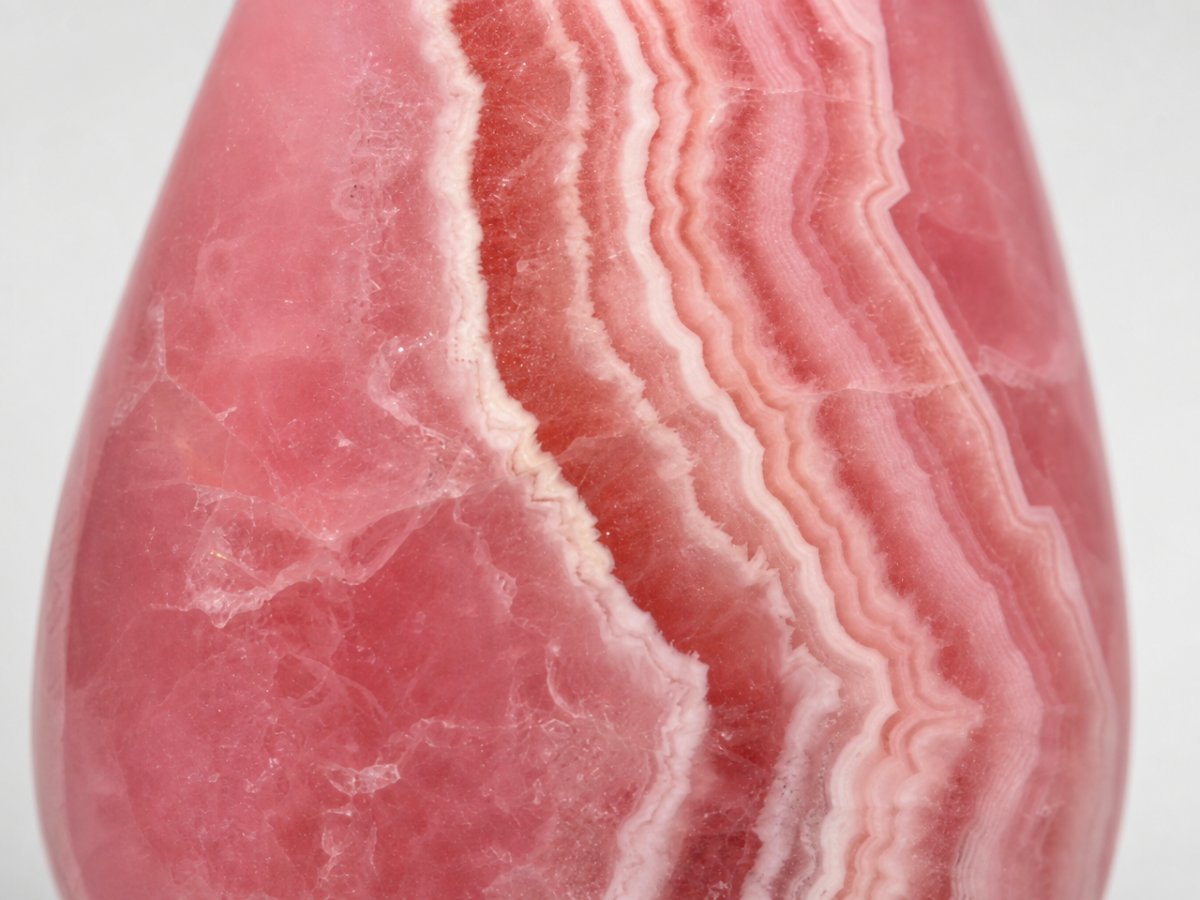


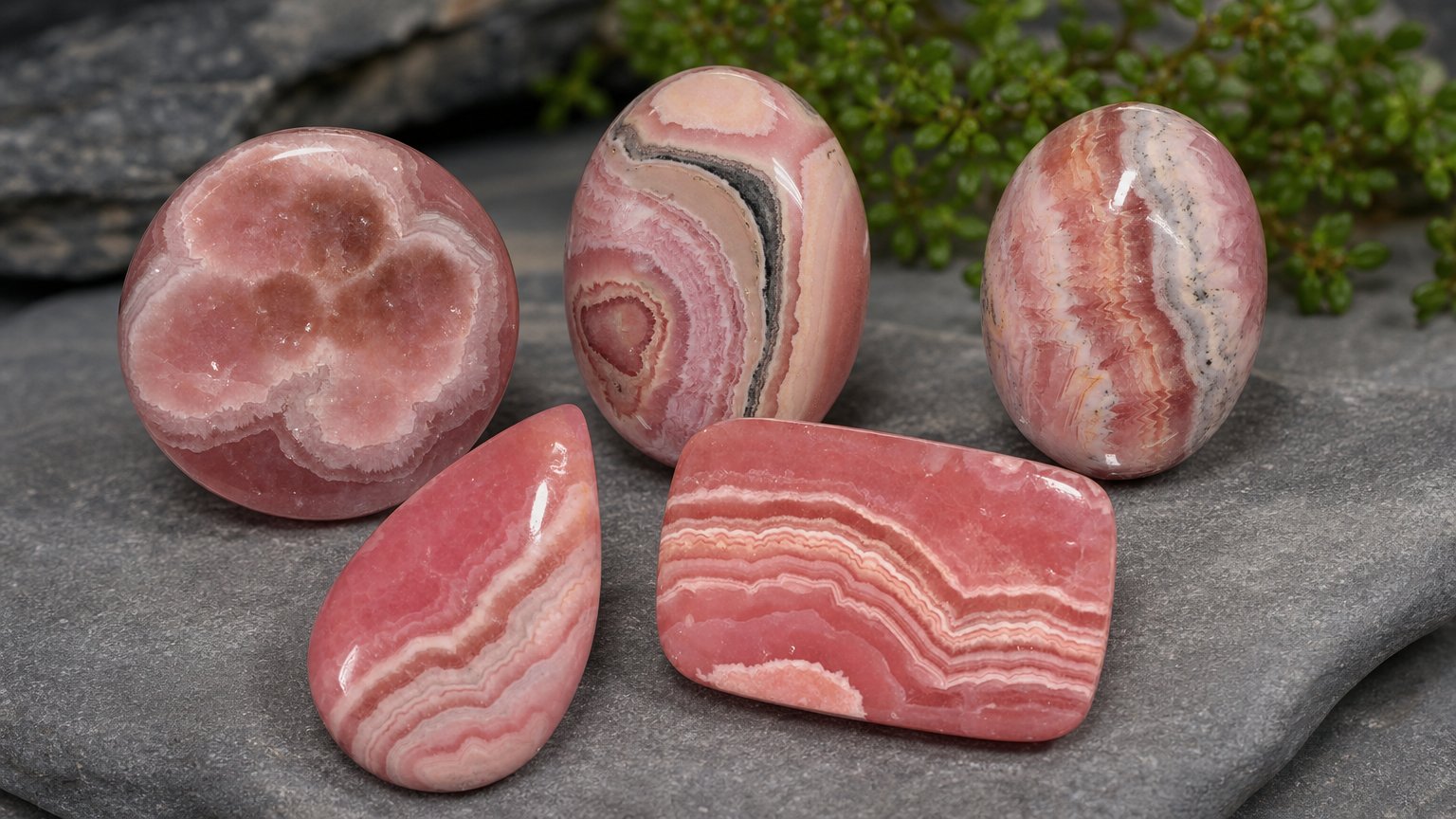
Rhodochrosite is chosen for its distinctive pink, red and multicolor appearance. For buyers, the most important points are visual appeal, cut quality, durability and intended jewelry use. It is a beautiful gemstone, but with a Mohs hardness of 4, it is softer than many everyday jewelry stones and should be selected with care.
This guide explains what to look for when buying rhodochrosite, including color, cut, origin, treatments and practical jewelry suitability.
What Is Rhodochrosite?
Rhodochrosite is a manganese carbonate mineral with the chemical formula MnCO₃. It crystallizes in the trigonal crystal system and has gemological properties that include a refractive index of 1.60-1.82 and a specific gravity of 3.45-3.70.
For buyers, these technical details are mainly useful for identification and confidence. The everyday buying decision usually depends more on appearance, shape, finish and whether the gemstone is suitable for the planned piece of jewelry.
Color and Appearance: The First Buying Decision
Color is the main reason most people buy rhodochrosite. The best choice is a matter of taste, but buyers typically compare stones by the attractiveness of their pink, red or multicolor appearance.
Pink rhodochrosite has a soft, appealing look that works well in pendants, necklaces and earrings. Red rhodochrosite can appear richer and more dramatic. Multicolor stones offer a more decorative appearance, especially in cabochons and designer jewelry where the surface pattern and color arrangement become part of the design.
When comparing stones, look for an overall pleasing color, good polish and a face-up appearance that suits your jewelry project. If buying matched stones for earrings or a multi-stone design, pay attention to whether the colors look harmonious when viewed together.
Cut and Shape
Cabochons are the most common cut for rhodochrosite. A cabochon has a smooth, domed surface rather than flat facets, which makes it well suited to showing the gem's color and multicolor appearance. When buying a cabochon, check that the dome is even, the outline is balanced and the polish is smooth.
Faceted rhodochrosite is also available, though less commonly. Faceting can add liveliness, but the gemstone's softness means faceted stones should be handled and set carefully. If you choose a faceted stone, inspect the facet edges and surface for chips or abrasion.
Oval shapes are especially common and practical because they suit many classic jewelry settings. Pear and fancy shapes are good choices for pendants and designer pieces. Cushion and round shapes may also be found and can work well when the proportions and finish are attractive.
Durability and Wearability
Durability is one of the most important buying factors for rhodochrosite. With a Mohs hardness of 4, it can be scratched more easily than harder gemstones such as quartz, topaz or sapphire. This does not mean rhodochrosite should be avoided, but it does mean the jewelry design and wearing habits matter.
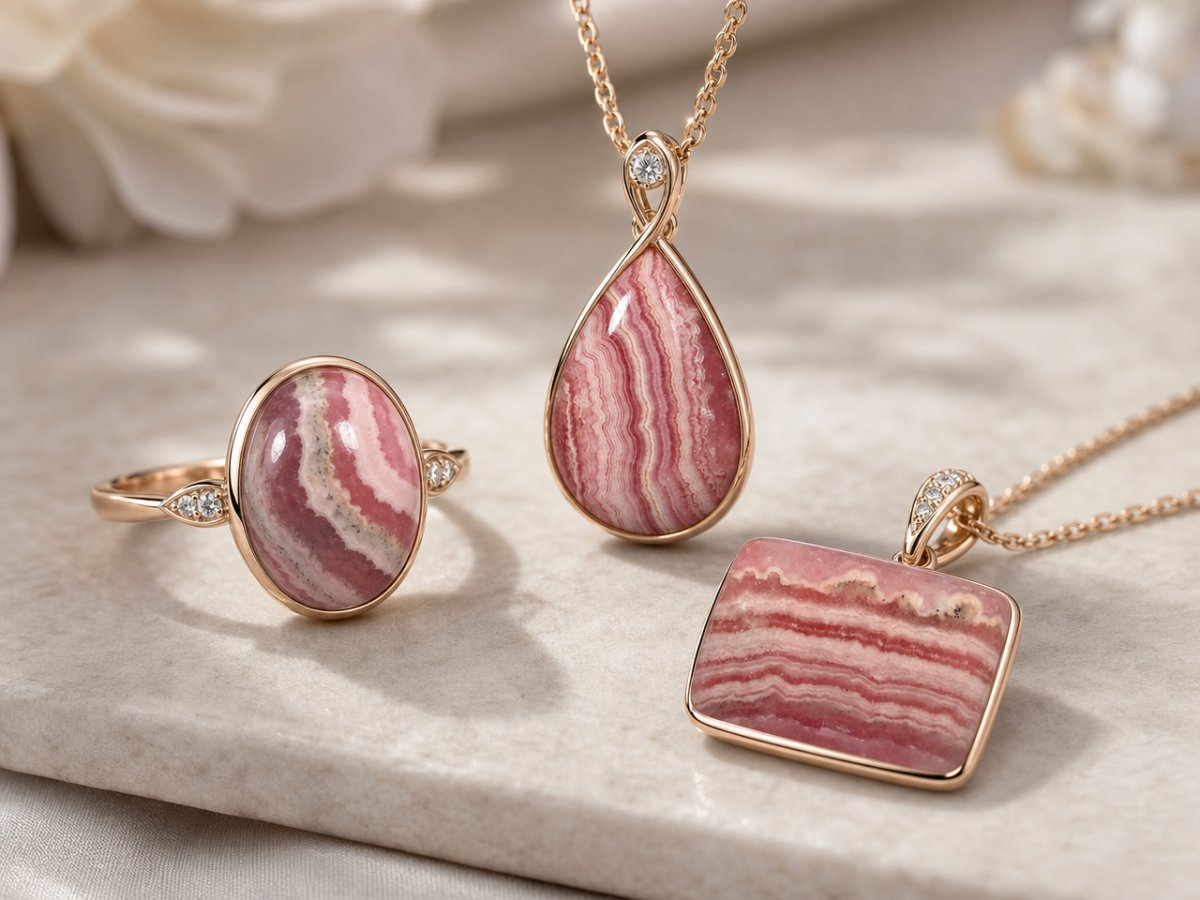
Rhodochrosite is best suited to jewelry that is less exposed to impact and abrasion. Necklaces and pendants are excellent choices because they usually experience less wear than rings. Earrings are also suitable because they are less likely to be knocked or scratched during normal use. Brooches can work well when worn with reasonable care.
Rings require more caution. Rhodochrosite can be used in collector rings or occasional-wear rings, but it is not an ideal choice for a ring that will be worn every day. If you do choose a ring, a protective setting and careful wear are strongly recommended.
Treatments and Buying Confidence
Rhodochrosite is commonly offered as untreated. For buyers, this is a positive point because the beauty of the stone is typically appreciated in its natural state.
When purchasing, check that the seller clearly states the treatment status. At GemSelect, treatment information is presented so buyers can make informed choices. If a gemstone is being purchased for a custom design or a collection, keeping a record of its description and treatment status is useful.
Origins
Rhodochrosite is associated with several sources, including South Africa, Peru, the United States, China and Mexico. Origin can be interesting to collectors and may help buyers organize a collection by locality.
For most jewelry buyers, however, origin should be considered secondary to the individual gemstone's appearance, cutting, condition and suitability for the intended design. A well-cut, attractive rhodochrosite from any recognized source can be a worthwhile choice.
How to Choose Rhodochrosite for Jewelry
For pendants and necklaces
Pendants and necklaces are among the best uses for rhodochrosite. They allow the gemstone to be visible while reducing the risk of hard knocks. Larger cabochons, ovals, pears and fancy shapes can all be effective choices depending on the design.
For earrings
Rhodochrosite earrings can be very wearable because earrings are less exposed to abrasion. When buying pairs, compare the two stones for similar color, size and shape. Exact matching is not always necessary, but the pair should look balanced when worn.
For brooches
Brooches offer another practical option because the gemstone is usually not exposed to constant contact with hard surfaces. Choose a secure setting and avoid placing the brooch where it may be frequently bumped.
For collector rings
Rhodochrosite rings are best treated as collector or occasional-wear pieces. Look for designs that protect the gemstone edges and avoid wearing the ring during activities that could scratch, strike or abrade the stone.
Practical Buying Checklist
- Color: Choose the pink, red or multicolor appearance that appeals most to you.
- Cut: Cabochons are the most common choice; check for symmetry, polish and an attractive outline.
- Condition: Inspect for chips, scratches or worn edges, especially on faceted stones.
- Size and shape: Match the stone to the intended jewelry style; ovals, pears and fancy shapes are especially useful for pendants.
- Durability: Remember that Mohs hardness 4 makes rhodochrosite better for pendants, necklaces, earrings and occasional-wear pieces than everyday rings.
- Treatment: Look for clear disclosure; rhodochrosite is commonly sold untreated.
- Origin: Consider origin if it matters to you, but prioritize the individual stone's beauty and suitability.
Care Tips After Purchase
Because rhodochrosite is relatively soft, store it separately from harder gemstones to avoid scratches. Clean it gently and avoid harsh handling. Remove rhodochrosite jewelry before activities where it may be hit, scraped or exposed to unnecessary wear.
Summary
Rhodochrosite is a distinctive pink to red and multicolor gemstone best appreciated in designs that protect it from heavy wear. Cabochons are the most common and practical cut, especially for pendants, necklaces and earrings. Buyers should focus on pleasing color, good polish, clean condition, clear treatment disclosure and a jewelry design that respects the stone's Mohs hardness of 4.